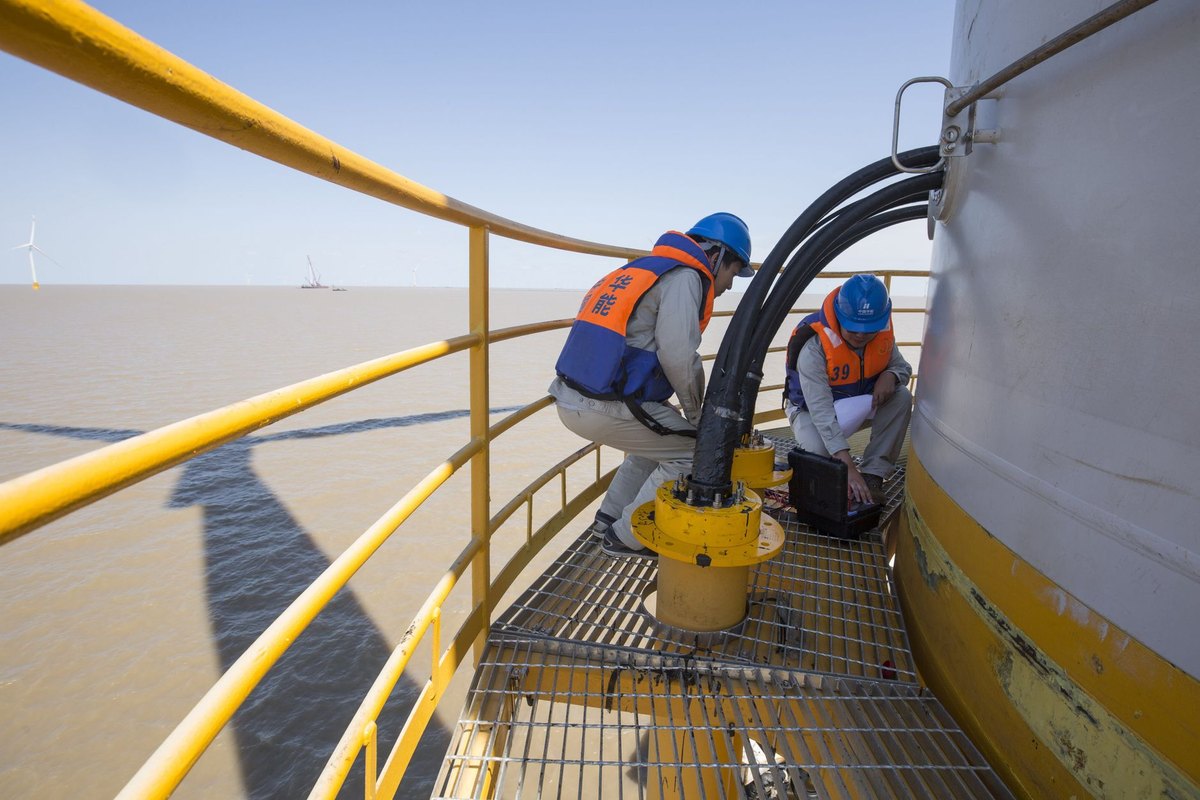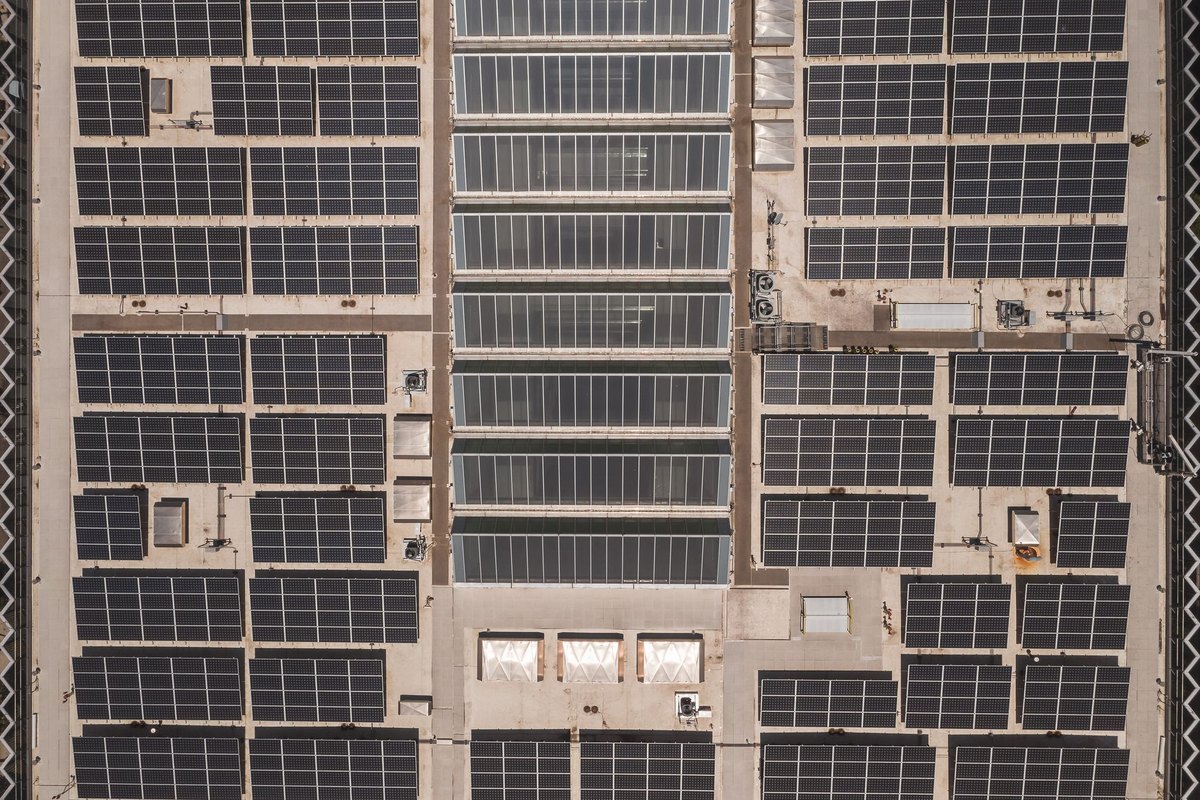


When people think about the transition to renewable energy, they usually picture the big stuff: offshore wind turbines the size of skyscrapers, or sprawling solar farms stretching across the desert. It makes sense that these massive generation technologies get all the media coverage. They are the highly visible symbols of our shift away from fossil fuels.
But producing clean power is really only half the equation. Behind those spinning blades and sun-soaked panels is a deeply complex, industrial backbone that most people never see. If a facility wants to actually push reliable megawatt-hours to the grid without catching fire or tripping offline, it needs a massive amount of supporting infrastructure.
Let’s look at the under-the-radar systems (from physical fault protection to digital compliance software) that actually keep modern renewable energy plants operational, safe, and efficient.
In this article:
Power Conditioning and Grid Synchronization
Raw renewable energy is inherently messy. A traditional fossil fuel plant gives you a highly controllable burn, but wind and solar generation fluctuate by the second based on cloud cover or wind gusts. You can’t just plug that chaotic output directly into the municipal grid; it has to be meticulously conditioned first.
Take a standard solar array, for instance. The panels generate direct current (DC), which is entirely useless to the broader commercial grid until heavy-duty industrial inverters convert it to alternating current (AC). For wind and biomass plants, the physical rotation of the turbines creates power that needs to be perfectly phase-matched to the grid’s exact frequency. If a plant tries to export power that is even slightly out of sync, it can trigger widespread equipment damage or localized blackouts.
That’s exactly why these facilities invest millions into substations, switchgears, and step-up transformers. These physical components smooth out the voltage spikes and step the electrical current up to the ultra-high voltages needed to travel long distances without losing too much energy along the way.
Electrical Protection and Fault Management
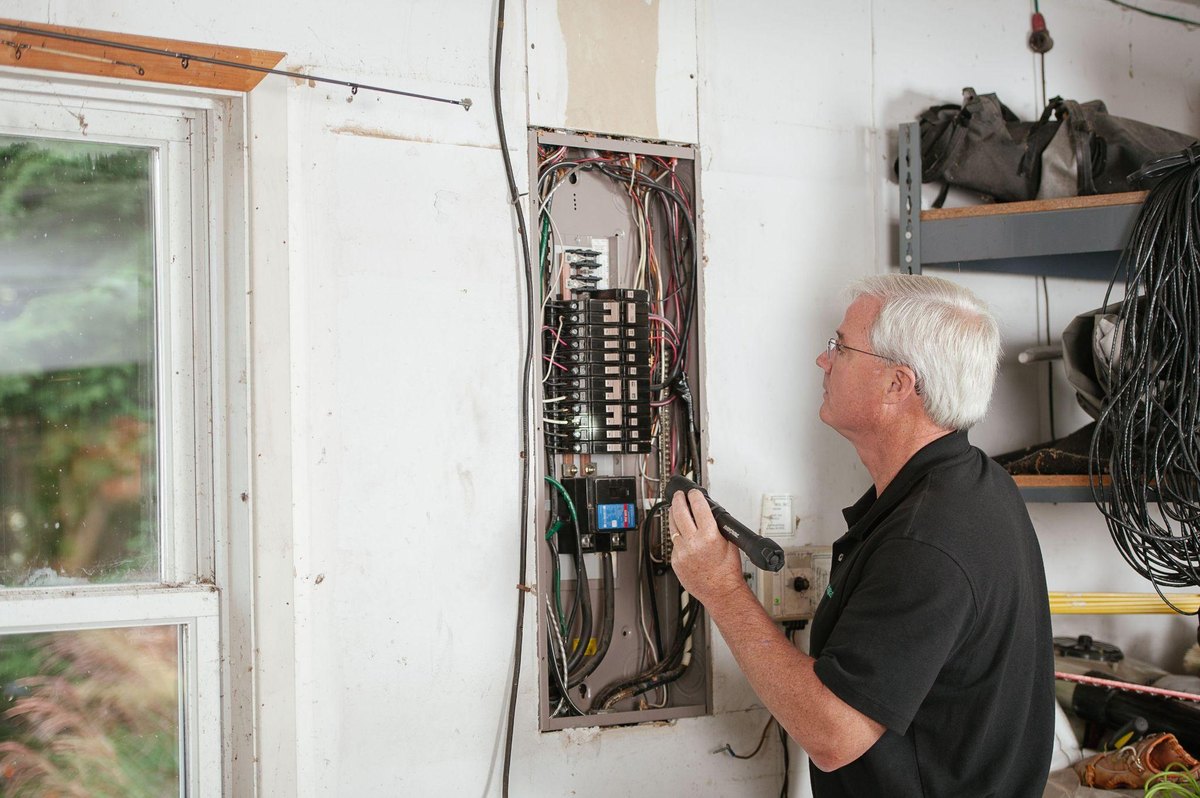
Working with high-voltage electricity is dangerous, regardless of whether it comes from an eco-friendly source or a coal plant. Things go wrong. A lightning strike might hit a turbine blade, a grid surge can push back into the facility, or an unexpected short circuit can happen inside a biomass processing unit.
When these electrical faults occur, the resulting surge of energy needs somewhere to go. Without dedicated protection, that current will easily melt wiring, spark electrical fires, and destroy million-dollar transformers—not to mention the severe, life-threatening safety risks for anyone working on-site.
Because of these catastrophic risks, you won’t find off-the-shelf hardware in these setups. The regulatory safety codes are simply too strict. When it comes to physically managing those sudden electrical faults, plant operators usually install custom-engineered resistor setups, specifically things like neutral grounding resistors. To actually meet compliance, engineering teams typically spec out this hardware from certified builders like MegaResistors, since their equipment is specifically designed to handle the abuse of heavy industrial environments.
By providing a highly regulated, controlled path for excess current to dissipate into the earth as heat, these grounding systems limit the damage. They keep a localized, temporary fault from turning into a catastrophic, plant-wide blackout, quietly sitting in the background until the exact microsecond they are needed.
Thermal Management and Environmental Controls
Moving massive amounts of electricity generates heat. It’s a basic law of physics, but it’s one that can quickly degrade sensitive power electronics if you don’t manage it proactively.
Consider a large-scale solar farm operating in the American Southwest. The central inverters are already generating internal heat, and they are doing it in an environment where the ambient temperature might hit 110°F by noon. To keep the critical microprocessors from literally frying under the sun, these units require heavy-duty HVAC systems built directly into their protective enclosures.
In the bioenergy sector, thermal management gets even more interesting because it serves a dual purpose. Anaerobic digesters (the massive tanks that break down organic waste to produce biogas) need highly specific temperature ranges to keep the bacteria alive and actively producing methane. Plant engineers use a network of heat exchangers and liquid cooling loops to pull dangerous heat away from the electronics, purposefully pumping it into the biological reactors. It’s a highly efficient, closed-loop system that solves an electrical problem and a biological one at the same time.
SCADA and Real-Time Digital Monitoring
Modern energy plants don’t rely on technicians with clipboards walking around checking analog gauges. These massive facilities are highly automated, managed primarily through a digital nervous system known as SCADA (Supervisory Control and Data Acquisition).
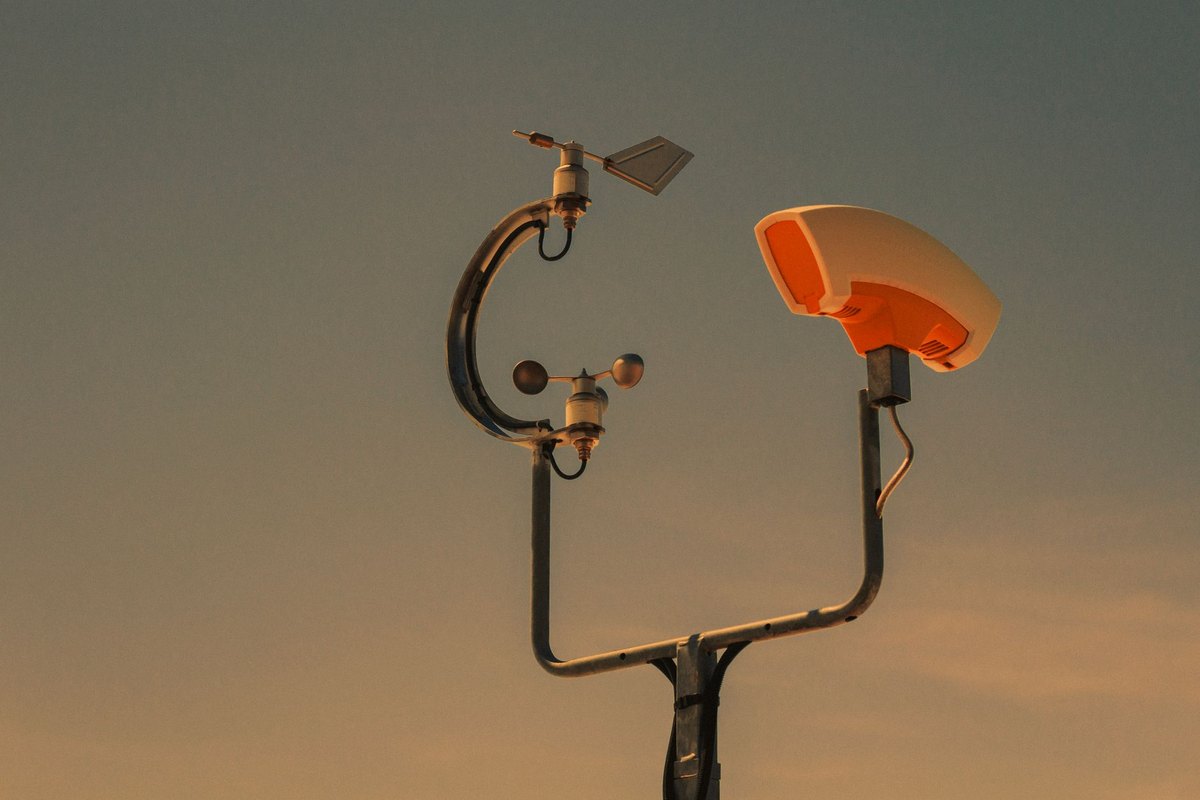
A typical plant will have thousands of remote sensors hardwired onto every turbine, boiler, and transformer. They constantly track vibration, fluid pressure, voltage, and temperature, pushing all that data back to a central control room that might be a few states away.
The real payoff here isn’t just remote monitoring; it’s predictive maintenance. Take a feed conveyor on a biomass line, for instance. When a bearing starts to degrade, its vibration signature shifts slightly. A good SCADA system catches that subtle frequency change well before the metal actually fails. Instead of scrambling to fix a broken line during a critical production run, the plant manager can simply order the part and schedule the swap during routine downtime.
Documentation and Engineering Coordination
You can have the best hardware in the world, but if the compliance paperwork isn’t right, the plant simply doesn’t run. Keeping a renewable energy project moving means coordinating with a ton of different people at once. It’s rarely just your internal team. Facility managers are constantly dealing with outside environmental inspectors, third-party equipment vendors, grid operators, and mechanical contractors.
Keeping track of all that documentation is a nightmare. When teams try to handle compliance certificates and safety audits using endless email chains or shared folders, someone always misses a critical attachment. And in this industry, working off an outdated spec sheet or losing a permit isn’t just an administrative annoyance. It usually leads to massive regulatory fines or forces the plant offline until the paperwork is sorted out.
To stop things from falling through the cracks, energy developers usually drop the manual tracking and move to dedicated project software. A standard tech stack for this usually looks something like this:
- Procore: Mostly used for the heavy construction and expansion phases, this platform keeps the crews in the field connected with the front office so project budgets and timelines actually stay on track.
- Bluebeam: When multiple teams need to review dense electrical schematics at the same time, engineers use this software for real-time blueprint markups rather than emailing heavy PDFs back and forth.
- Content Snare: Instead of manually chasing down outside contractors for compliance documents, project managers can use tools like Content Snare to build automated portals. It essentially forces vendors to upload their required safety audits and technical specs directly into a structured checklist, killing the messy email threads entirely.
Using a tech stack like this means that when a regulatory inspector inevitably shows up unannounced, the facility manager isn’t scrambling to find the right email attachment. Everything is already centralized, version-controlled, and ready to hand over.
The Unsung Heroes of the Green Transition
As the electrical grid continues to evolve, we’ll keep seeing headlines about bigger wind turbines and more efficient solar cells. That’s where the public excitement is. But the reality is that raw generation capacity doesn’t mean much without the hidden infrastructure to support it.
The transformers, grounding resistors, cooling systems, SCADA sensors, and coordination platforms do the unglamorous, heavy lifting required to keep these plants online. By investing heavily in these background systems, energy developers ensure that our transition to renewables isn’t just a greener alternative, but a highly resilient and safe one, too.