
Clean energy sounds like a big idea—but what does it actually mean for your everyday life? Is it just about massive wind farms or solar panels on rooftops? Or does it actually affect how we live, what we spend, and how we move through our day?
The truth is that this shift is already shaping routines around the world. From what powers your home to the air you breathe, cleaner systems are changing more than just the grid. They’re making life easier to manage, healthier to experience, and more cost-effective than ever before.
Below are some of the most prominent ways this transition is showing up in everyday life—and why it matters more than you might think.
In this article:
Cleaner Air and Healthier Cities
When fewer fossil fuels are burned, fewer harmful particles go into the air. In crowded cities, this means less smog, fewer air quality alerts, and more days you can comfortably spend outside. People who walk, bike, or exercise outdoors are already noticing the difference. This cleaner air isn’t just a win for the environment—it’s something people feel in their lungs and see in their skies. Children, seniors, and anyone with sensitivities to pollution benefit from these changes on a daily basis.
More Environmentally-Conscious Individuals
The more we see clean power in action, the more we think about our choices. It might start with switching to efficient bulbs, choosing eco-friendly appliances, or learning about smarter transportation options. Small changes lead to larger awareness. Helping guide this shift are professionals who are opting for specialized training and education in the area to better understand how they can amplify their impact toward a greener world. Many individuals are looking into specialized options like sustainability leadership program. Programs like this equip learners to lead projects, design smarter systems, and help communities adopt environmentally responsible habits that align with their values and long-term goals.
Reducing Household Energy Bills
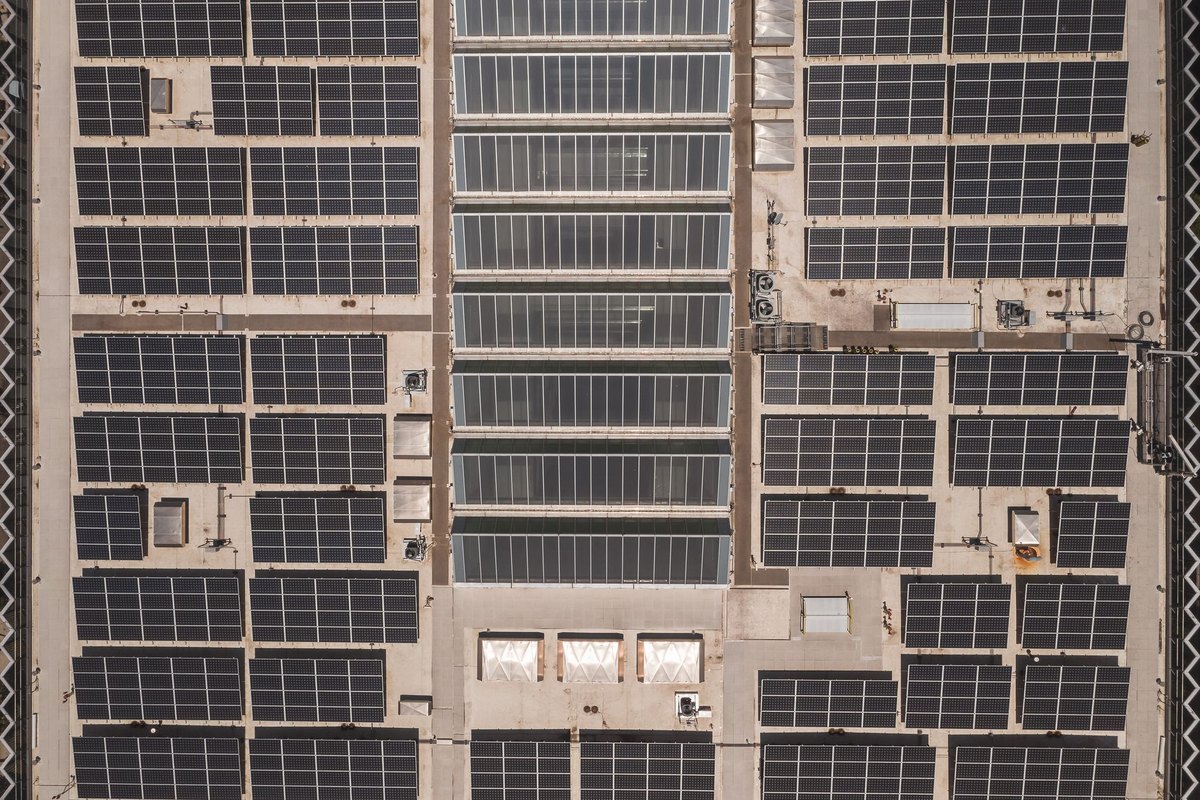
Cleaner power sources and smarter home tools often mean lower monthly costs. Solar panels, smart thermostats, and even community power-sharing plans are helping families manage usage more efficiently—and more affordably. Over time, this creates not only savings but also better habits. People become more aware of how much they’re using and where. That’s good for your wallet and your peace of mind.
Powering Rural and Off-Grid Areas
In the past, remote towns or villages had limited options. Getting reliable power often meant high costs or long waits during outages. That’s changing with small-scale systems like wind turbines or portable solar kits. These new options help schools run smoothly, clinics stay open, and families keep food fresh and lights on. It opens the door for stability, education, and even new jobs—where they’re needed most.
Creating Local Jobs and Economic Growth
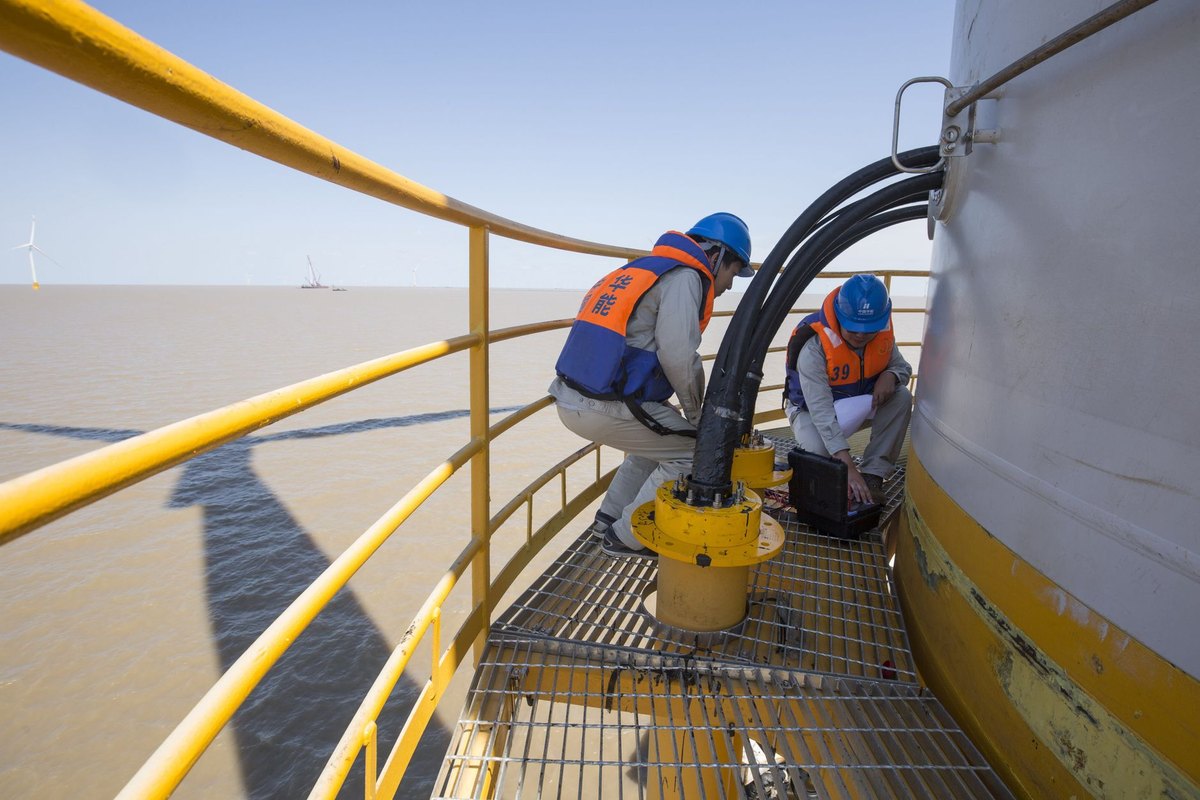
Behind every solar panel or wind farm are workers who installed, maintained, and managed it. These roles are growing fast. And unlike some industries, they tend to stay close to home. That means more stable employment in communities of all sizes. As the industry expands, so do local economies—creating a cycle of growth that supports both people and the planet.
Supporting Resilient Power Systems
As weather patterns shift and extreme conditions become more common, the ability to bounce back from outages is more important than ever. When paired with battery storage, clean power sources like solar and wind are helping communities recover faster when the grid goes down. These systems can keep lights on, devices charged, and basic needs met even during disruptions. Whether it’s a local storm or a regional emergency, people feel safer knowing they have more reliable options right at home or in their neighborhood.
Changing How We Commute
Transportation is a big part of everyday life, and it’s evolving quickly. More electric vehicles are hitting the road, and cities are investing in cleaner public transit systems. This means quieter rides, fewer emissions, and lower fuel costs over time for commuters. Bike-sharing programs and electric buses are also helping reduce traffic and improve air quality in busy areas. These upgrades make daily travel easier, cheaper, and more connected to cleaner living.
Greening Public Spaces and Infrastructure
City parks, government buildings, and even schools are getting smarter about how they use power. Solar panels on rooftops, energy-efficient lighting, and water systems that use less are becoming more common. These upgrades help save money while reducing waste. People benefit from these changes in ways that feel simple—cooler classrooms in the summer, better-lit parks at night, or clean water fountains in public areas. It’s all part of making cities more livable and less wasteful without a complete overhaul.
Driving Innovation in Everyday Products
Appliances, electronics, and kitchen tools are designed to use less power and work more efficiently. From smart fridges that manage cooling better to energy-saving washing machines, homes are changing without most people even noticing. To ensure these innovations reach consumers efficiently, many companies rely on specialized logistics solutions, including a trusted 3pl for consumer electronics that manages storage and distribution seamlessly. These new products help lower utility costs and reduce the need for extra resources. They also encourage manufacturers to keep innovating—bringing better options to consumers who care about their impact but don’t want to give up convenience.
Empowering Communities to Shape Their Own Future
One of the biggest shifts is in how people participate. More communities are getting involved in decisions about how power is produced, shared, and used. Co-ops, local planning groups, and town initiatives are giving everyday people a voice. This kind of engagement leads to smarter, more inclusive solutions. When people feel heard and informed, they’re more likely to support long-term changes that help everyone. It’s not just about using cleaner power—it’s about building systems that reflect real community needs.
The impact of renewable energy is no longer limited to global headlines or industry reports—it’s showing up in your bills, your commute, and even your grocery store. As systems continue to shift, these everyday improvements are adding up to something bigger. From cleaner air to stronger communities, the benefits are clear. And while the technology is important, it’s people—homeowners, workers, educators, and innovators—who are bringing these changes to life. The future isn’t waiting. It’s already in motion, and we all get to be a part of it.