
In this article:
From disaster response to remote research, rigid wall shelters and containerized facilities are stepping up as low-impact, adaptable options that fit with environmental priorities.
Sustainability isn’t just about solar panels and electric cars now. It’s about how fast we can build, how well we use materials and how much we can limit our footprint. That’s where rigid wall shelters and containerized facilities come in. People once saw them mainly in military camps or emergencies, but now these modular setups are popping up in all sorts of projects that care about the environment.
Maybe it’s a remote health clinic, a temporary lab in the field or a camp in a fragile ecosystem, the goal doesn’t really change: Build what’s needed without leaving a mark that won’t go away. More and more, these shelters are proving they can pull that off.
A shift toward low-impact construction
Building the old-fashioned way burns through resources. Big teams, lots of heavy machines, long waits and plenty of waste. Modular shelter systems flip that script. They’re usually built off-site, shipped in almost ready to use and put together really fast, with way less mess.
That makes a big difference in delicate places. Think about research stations in the Arctic, protected woodlands or coastal spots where erosion is already a problem. Even small projects in those places can do a lot of harm. Rigid wall shelters help avoid that.
Because the pieces are prefabricated, there’s little need for noisy cutting or drilling on-site, and not much to throw away. That cuts emissions, keeps noise down and protects the environment around the project. Then, when it’s time to move on, crews can take many of these structures apart and set them up somewhere else, leaving almost nothing behind.
Industry innovation and real-world applications
Companies working in this field aren’t sitting still, they’re tweaking their designs for better results and lower footprints. Take AlaskaDefense.com. They make advanced shelter systems and turnkey base camps, mostly used for defense and tactical situations. But their tech has clear sustainability perks.
Their range covers everything from a small shelter to hygiene station, rigid wall shelter and an ops center, to medical systems. What stands out is how quickly these can be built and put to the test, so they work, even under pressure. Often, you can roll out a rigid wall shelter from their lineup fast, use it well and then move or reuse it without much waste.
This way of thinking is spreading. Even if the first customer is the military, civilian and environmental teams end up using the same innovations. So, these tools are crossing over, showing up in everything from emergency plans to scientific work.
Energy efficiency built in
These shelters don’t just tread lightly, they’re smart about energy, too. Modern rigid wall shelters come with good insulation and climate control, which really matters in extreme hot or cold weather. Without that built in, you’d burn through a lot more power to keep everyone comfortable.
Advanced panels keep temperatures steady inside, so there’s less need to keep the heat or AC running non-stop. It’s even possible to connect some setups directly to renewable energy, like solar, which brings the carbon footprint down even more.
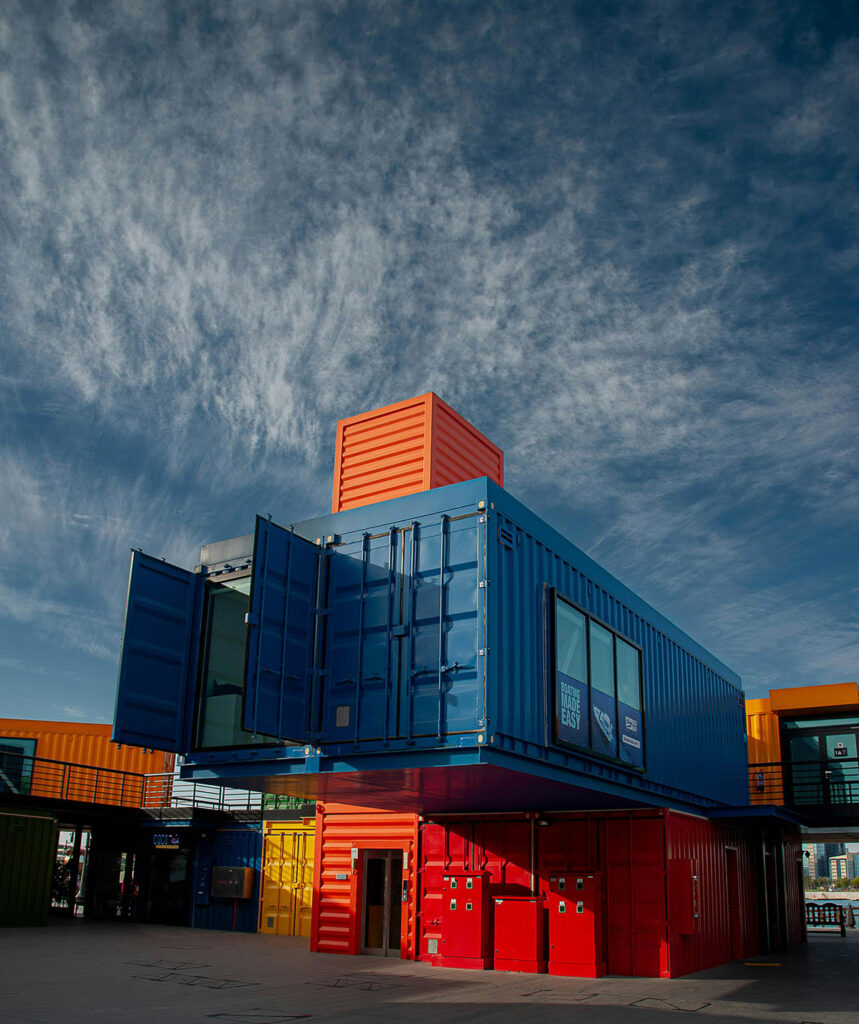
Containerized facilities go a step further. They often use standard shipping containers, which can be upgraded with energy-efficient systems and used again and again. Instead of building something completely new every time, organizations can reuse the same units, which saves both materials and effort.
Reducing waste through reusability
Here’s where these shelters really shine: You can use them for one thing, then pick them up and use them for something else. Old-school buildings tend to stick around. If you don’t need them anymore, you end up tearing them down and tossing a lot in the landfill.
Modular shelters aren’t like that. They’re meant to move. You might use a unit for disaster relief this year, turn it into a clinic next year and so on. That flexibility means less construction, fewer new materials and a lot less waste in the long run.
Supporting environmental missions on the ground
There’s more to this than cutting down harm. These shelters also help protect the environment in hands-on ways. Conservation teams working far off the grid need places to stay and work, but permanent buildings aren’t practical or safe for the land. Modular shelters offer the right mix: They’re useful, but don’t wreck the spot.
Researchers out in harsh, isolated settings need structures that hold up to tough conditions but don’t take constant maintenance. Rigid wall shelters fit that bill: They’re tough, but you can still set them up and take them down without much fuss.
Even disaster response benefits here. Quick-to-deploy shelters stop the need for quick-and-dirty building, which usually wastes materials and creates problems later.
Sustainability at the core
Rigid wall shelters and containerized facilities might not be what you first think of when it comes to sustainability, but they’re jumping in to help. By keeping construction light, dialing up energy efficiency and making it easy to reuse what you build, they offer a practical balance between human needs and what’s best for the planet.
As more industries aim to work smarter and greener, modular setups like these should only get a bigger role. They’re not just temporary fixes anymore, they’re a window into a future where infrastructure can be both flexible and responsible.