
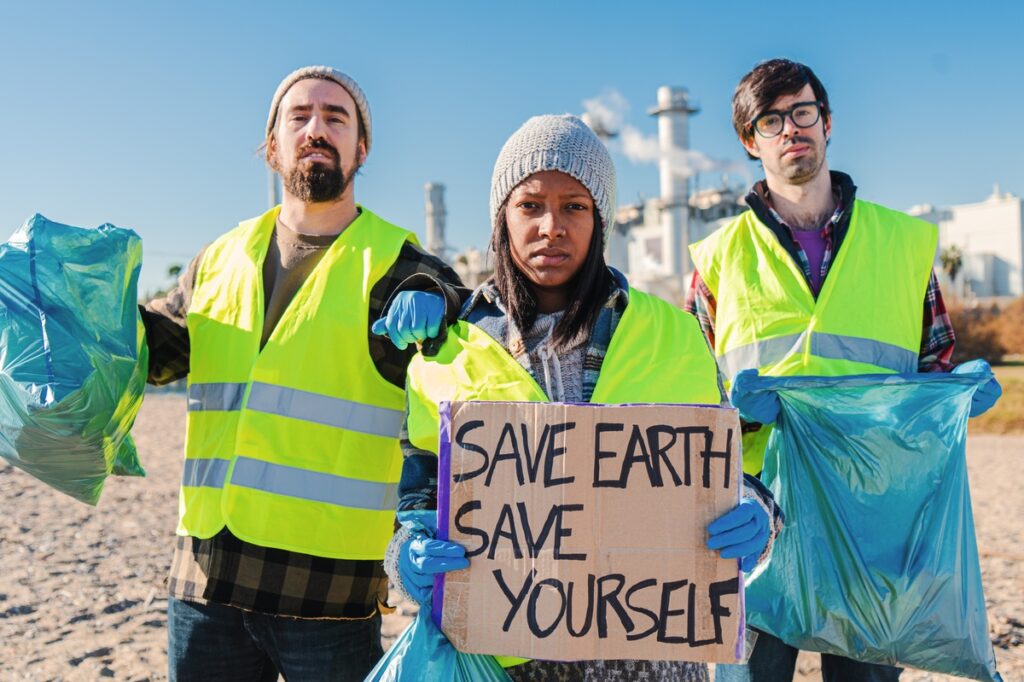
Protecting the planet may seem enormous, yet every student can drive change through small choices at school and at home. From turning off idle lights to sorting leftover food, young people shape a cleaner future through steady habits. Before acting, it helps to grasp the basic science behind human-driven warming. A clear classroom climate change essay can show how rising heat harms seas, wildlife, and even dinner plates. To ensure such essays are both original and credible, learners can double-check their drafts with tools like plagiarism checker from Essaypro, which helps students build good writing habits while focusing on real-world solutions.
Learning these facts early builds purpose and confidence instead of fear and confusion. This guide shares simple ideas that any learner in seventh grade or higher can apply today. Each tip fits a school routine, keeps costs low, and adds a bit of fun. When many small steps combine, results grow larger than expected across months and years. A class can become a team of eco helpers whose daily choices create measurable gains. Consistent action makes progress visible and encourages even more helpful behavior over time. Begin with one habit, then add another as confidence grows and results appear.
In this article:
Why Acting Now Matters
Climate data can feel distant until it touches normal routines and nearby places. Droughts reduce fruit supplies, storms cancel school sports, and long heat waves make focus in class difficult. These moments show why timely action matters for health, comfort, and household budgets. Studies show that half of global greenhouse emissions were released during the past three decades. That span mirrors the working years of many teachers, so change is happening within living memory. When learners notice wilted trees on the playground or higher energy bills at home, concern becomes personal. Linking personal experience with global patterns builds motivation that charts alone rarely create. Starting from what they see, students can set clear goals that guide real action. Common goals include cutting waste, lowering electricity use, and protecting green spaces near campus. Understanding urgency lays a firm base for every step that follows in this guide. With purpose set, even modest efforts can deliver steady gains across an entire school.
Cutting Down Single-Use Plastics
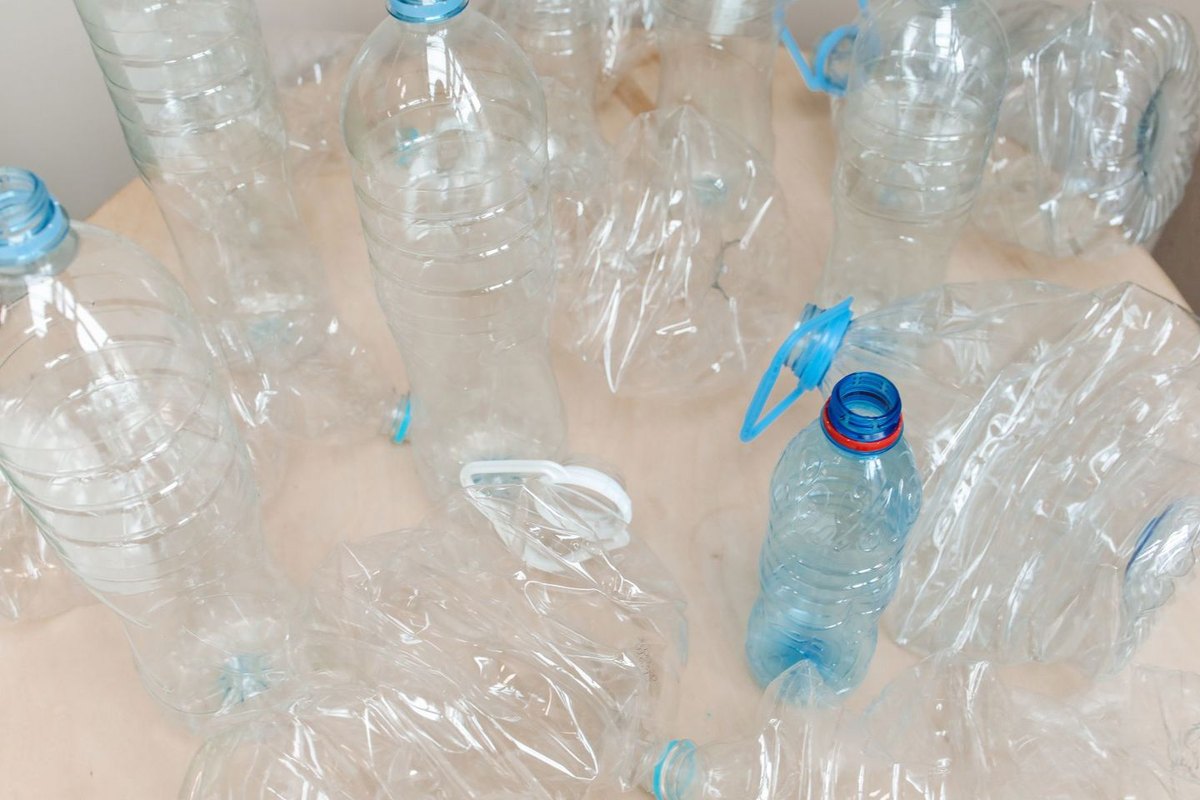
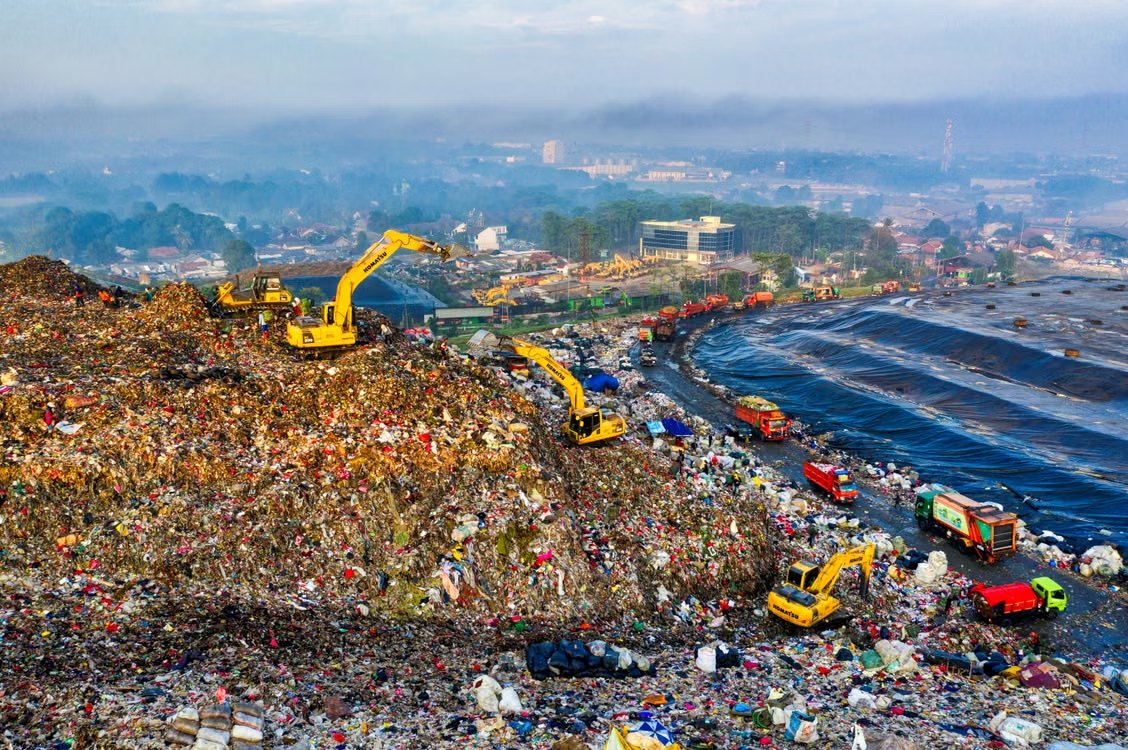
Disposable items appear handy, yet their life in dumps outlasts a human lifetime. Cafeteria straws, snack wrappers, and takeout forks are common offenders that pile up quickly. A strong first move involves carrying a reusable water bottle throughout the day. When one class of twenty-five learners refills bottles twice daily, thousands of plastic cups remain unused. That change keeps extra trash away from bins and nearby streams during the school year. Another easy switch is packing lunches in sturdy containers instead of single-use plastic bags. Schools can support these habits by offering washing stations and hosting plastic-free Fridays. Teachers may count avoided items and post weekly progress, turning conservation into a friendly game. Families help by buying larger packages rather than many small ones with extra wrapping. Each saved wrapper keeps tiny plastic pieces out of rivers and, eventually, the ocean. Step by step, fewer throwaway items make the campus cleaner and inspire similar choices at home.
Smart Energy Habits on Campus
Electricity often feels invisible, so it is easy to forget that each switch affects fuel burned far away. One quick win for schools is a last-out, lights-out rule in every room. When the final student leaves, he or she checks the lights, projectors, and computers before closing the door. This simple step can trim a noticeable share from a building’s energy bill each month. Another idea is setting the thermostats two degrees lower in winter and two degrees higher in summer. Encourage sweaters or lighter clothing so comfort remains stable during seasonal shifts indoors. Most people barely notice the difference, while the energy savings stay significant across semesters. Science clubs can run audits using watt meters, recording which devices draw power overnight. Publishing the findings in a school newsletter turns awareness into practical action for everyone. Window shades matter as well, opened on cold sunny days and closed during hot afternoons. These mindful habits cut carbon without new gear, training, or added costs to classrooms.
Making School Recycling Work
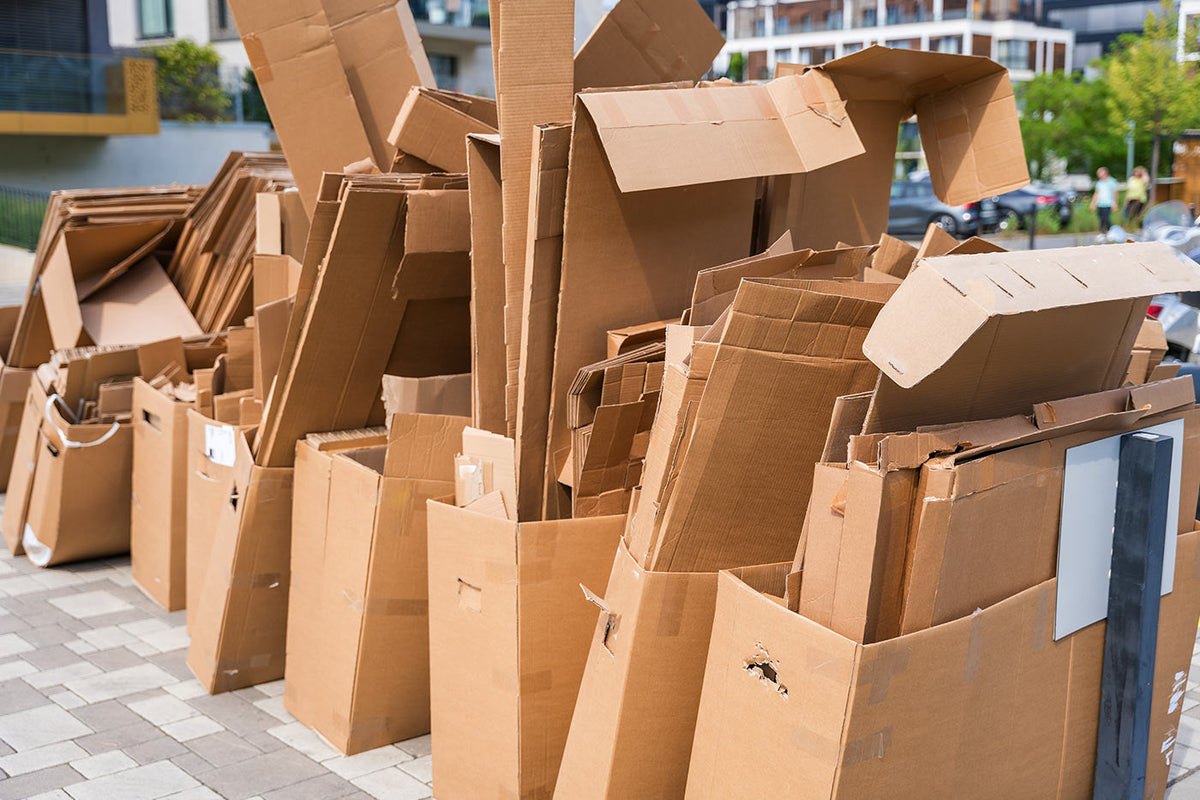
Many campuses already place blue and green bins in hallways, yet success rests on clear guidance and steady participation. Posters above each bin can list accepted materials in large letters for quick sorting. Short homeroom demonstrations show where a greasy pizza box belongs and why glass stays separate. When students consider how recycling helps the environment, they can try a simple experiment. Weigh a week of recycled paper and estimate how many trees that weight represents. Numbers make benefits concrete and inspire continued effort across different grades and classes. To keep spirits high, homerooms can compete to divert the most waste each month. A small prize, such as a no homework pass, often brings strong interest and laughter. Local waste companies may donate small bins or stickers that make containers bright and memorable. Treating recycling as a team sport transforms a routine task into shared responsibility and pride. With clear steps and steady practice, schools can slash trash volume and return materials to use.
Simple Waste Management Across Campus
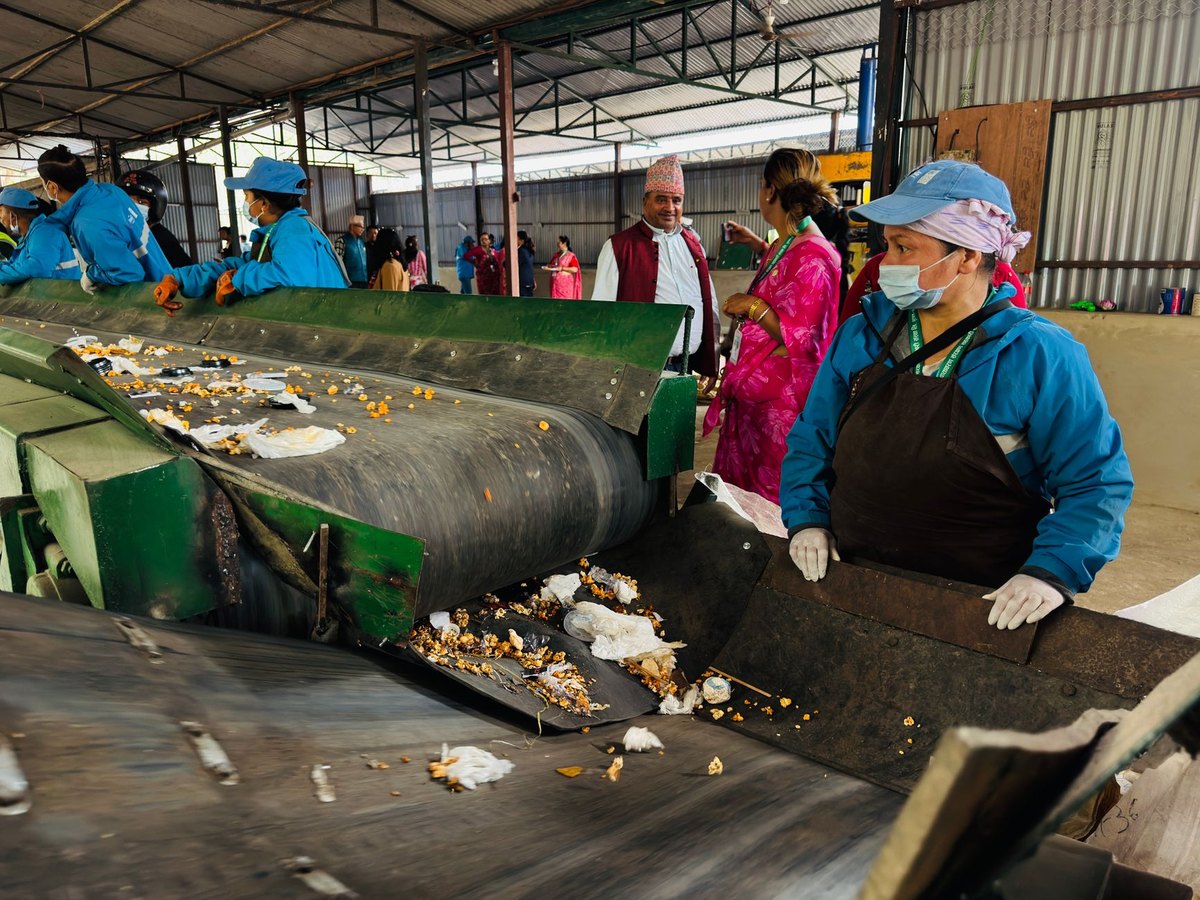
Recycling is only one part of a broader plan called school waste management, and widening the view increases gains. Campuses should first map where most trash begins during a normal day across key locations. A quick lunch walkthrough often shows that half-eaten meals and single-use packaging fill bins. Adjusting cafeteria menus toward portion sizes that students can finish can reduce dumped food with little effort. Compost buckets near dish return lines give banana peels and apple cores a second life. A science class can maintain the compost pile, turning it weekly and tracking temperatures for lessons. Printer stations deserve attention as well, since paper use adds up across busy weeks. Setting a default to double-sided printing cuts paper demand overnight without slowing student work. Many schools add a scratch paper tray for unused one-sided sheets used in practice. Clear signs and student volunteers at disposal points ensure items reach the correct destination every time. Planned disposal turns mess into learning, saving money, and keeping halls cleaner throughout the day.
Healthier Transportation Choices
Every school day begins and ends with travel, and those miles add up across seasons. Encouraging walking, biking, or shared rides reduces traffic jams and tailpipe pollution at the same time. A walking school bus offers one friendly model for families living within a safe distance. Neighbors meet at set spots and walk together under adult supervision along known routes. This approach builds community, boosts fitness, and keeps sidewalks safer for younger children near school. For longer distances, carpool apps for families can match riders by neighborhood and schedule. When four cars combine into one, tailpipe emissions fall by three-quarters for that route. Secure bike racks and covered shelters show that pedal power is valued by the campus. Hosting a bike tune-up day with local shops removes barriers by fixing simple issues. Buses play a key role, since one full bus replaces many individual vehicles daily. Celebrate every low-carbon mile with announcements or bulletin board tallies to sustain momentum.
Sharing Knowledge and Leading Projects
Information moves fastest when peers deliver it through familiar voices and trusted places. Student councils, science clubs, and journalism classes can join forces to run eco awareness efforts that stick. Morning announcements might share a daily green fact, such as the time needed for an aluminum can to break down. Art students can paint murals that show local wildlife benefiting from cleaner streams and parks. A monthly repair cafe, where volunteers fix broken toys or electronics, teaches practical skills and prevents waste. To reach families, students can create short videos with simple tips posted on the school website. Teachers guide research quality while keeping presentations student-led, which strengthens confidence and communication. City grants or nonprofit programs often provide small funds that bring these ideas to life. Writing proposals teaches persuasive writing while securing real resources for projects across the campus. As plans become planted trees or improved water stations, excitement grows and participation spreads. Over time, student leadership turns information into results visible across classrooms and neighborhoods.
Building Lifelong Earth-Friendly Values
Habits formed in school corridors rarely stay confined there; they travel into colleges, workplaces, and future homes. That ripple effect means each eco lesson today can guide choices for decades to come. Reflection journals help students see personal growth and name progress with honest detail. Once a month, teachers might ask learners to write about one green action they practiced and how it felt. Sharing selected entries, with permission, turns private success into group inspiration during class meetings. Mentorship matters as well, with older students guiding younger grades on composting or bike safety. Celebrations should highlight progress without blame, since lasting change grows through support and patience. A quarterly Earth Assembly can recognize classes that trimmed the most energy or waste collectively. Libraries can curate environmental shelves with books and films chosen for a kid-friendly level. By linking knowledge, practice, and positive feedback, schools nurture citizens who protect Earth as second nature. Values gained through experience remain strong long after report cards and graduation ceremonies end.
Working With Nearby Partners
Protecting Earth does not stop at the playground fence or the school parking lot. When schools collaborate with nearby businesses, parks, and city offices, progress accelerates and resources multiply. An annual creek or river cleanup with the parks department gives learners a firsthand view of litter. Many bags of trash can be removed in a single morning while building teamwork and pride. Hardware stores may donate seeds and tools for planting native gardens that attract pollinators. Local cafés can offer discounts to patrons who bring reusable mugs decorated by art students. Social studies classes can host council members who describe upcoming environmental rules and listen to students’ views. These exchanges teach that community voices shape policy, and responsibility is shared across many groups. As partners witness the energy and creativity of young volunteers, they often become long-term allies. Strong partnerships help projects continue after classes graduate, keeping gains alive for future students. Everyone benefits when classrooms and communities pull together in the same green direction.