
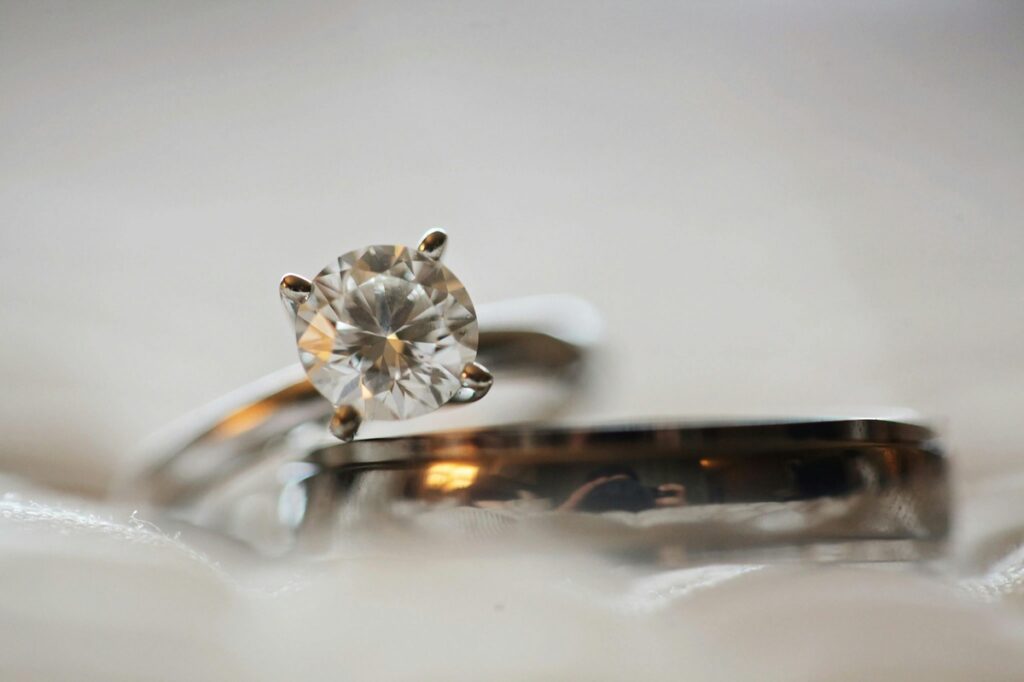
If you’re into jewelry at all, you’re probably already aware of the many negative effects of natural diamonds: landscape disruption and deforestation, high water use, an absurd amount of greenhouse-gas emissions… Oh, and they’re also deeply unethical. But did you know that lab-grown diamonds, while a greener alternative, can also be problematic?
Don’t get us wrong, of course that producing a gem-quality stone in a reactor is better than mining! However, this still requires a lot of power, water, and process heat. The difference between a true low-carbon diamond and one that only looks sustainable comes down to how it’s made: from the energy usage to waste management. So, if you want to know whether a stone is truly eco-friendly, you need to look past the “lab-grown” label and evaluate the production details that define its footprint.
In this article:
Why Lab-Grown Can Be Greener (And When It Isn’t)
Lab production avoids open-pit or riverbed excavation and much mineral waste, so the theoretical environmental upside is real. Still, the synthesis step uses concentrated electricity and process heat; the resulting footprint depends on how that power is produced and on facility practices.
For example, some research shows that the emissions of a 1-carat lab-grown ring made with renewable electricity could range from612 kg to 17 kg. Why such a huge range? The first is made in India, the second in Europe. Moral of the story: location and energy source matter. This is why discussions around sustainability often extend beyond production methods to include consumer choices too, whether someone is considering local options like Cullen Jewellery Melbourne engagement rings or broader global supply chains, the environmental impact is shaped by where and how the piece is made.
Energy Intensity & Source
Compare High Pressure High Temperature (HPHT) and Chemical Vapor Deposition (CVD): both need significant electricity, though actual kWh per carat varies by equipment, scale and process controls. Net carbon outcomes depend on grid mix, on-site renewables, and whether the producer retires renewable energy certificates (RECs) or claims direct renewable procurement.
If you want to be sure, ask suppliers for facility energy audits or third-party LCAs; that’s where true differences show up.
Biogenic RNG vs Fossil Methane
If a plant uses combustion for heating, the fuel choice shifts emissions.
Renewable natural gas (biomethane/RNG) from landfills or digesters often carries lower lifecycle CO₂e than fossil natural gas (because it prevents methane escape and recaptures biogenic carbon). But RNG benefits hinge on project boundaries and methane leakage, so request full carbon-intensity numbers rather than marketing claims.
Water Recycling & Waste Heat Recovery
Water needs for HPHT/CVD are typically low per carat, but closed-loop cooling, chemical treatment and reuse policies matter (contaminants require proper handling). Likewise, waste-heat recovery and process integration can cut net energy — producers who retrofit heat-recovery systems materially reduce net emissions.
Ask for water balance statements and descriptions of heat-recovery systems.
Recycled Precious Metals And Circularity
Pairing lab stones with recycled gold or recycled platinum is another way to slash the metal-side footprint. High-value scrap recycling consistently shows much lower impacts than primary mining; for jewelry buyers, recycled settings are a straightforward emissions lever.
Companies like Goodstone also make it easier by offering custom designs that combine lab-grown diamonds with reclaimed metals, so the sustainability of the stone is matched by the sustainability of the setting.
Traceability And Third-Party Claims
Look for Laboratory-Grown Material Standards, Chain-of-Custody audits, or RJC LGMS certification. These provide an audit trail and set minimum social/environmental requirements. Also, watch for geographic and energy-mix claims: many large production hubs still run on coal-heavy grids, so transparency is the test.
How to buy responsibly: A Practical Checklist
- Request an LCA or carbon intensity per carat and the electricity mix for synthesis and cutting.
- Prefer producers with third-party LGMS/Chain-of-Custody certification.
- Choose recycled metals for the setting.
Bottom line is, if you treat the stone and the setting as linked systems — and press suppliers for audited energy and recycling data — you’ll reliably move toward genuinely lower-impact jewelry.