
Climate change is affecting the daily lives of billions of people around the globe in ways that a lot of the public does not realize. Rising temperatures are causing droughts and food problems in many countries in Africa. In the United States, climate change is responsible for the growing frequency of extreme weather events.
Scientists, officials, and the business community are working to lessen the effects of climate change and reduce its impact on society. Renewable energy is an important part of the puzzle in finding lasting solutions to climate change.
Here are a few reasons why renewable energy is so important in the fight against climate change and how it plays a role in future-proofing communities.
In this article:
Renewable Energy Doesn’t Mean Compromising on Performance
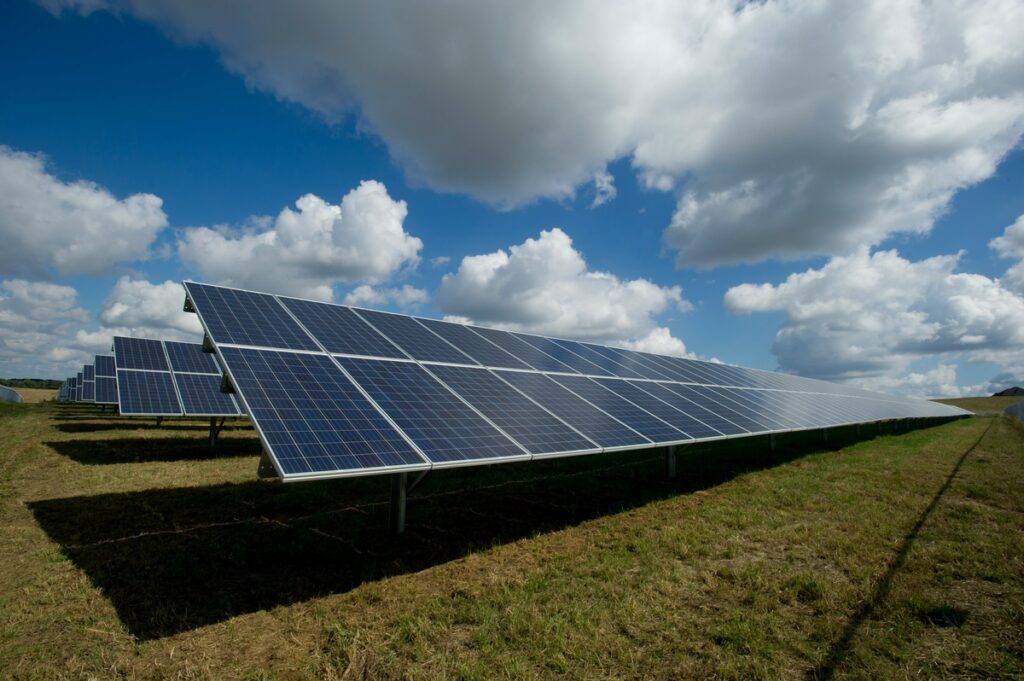
One of the most important developments in renewable energy over the last decade is the improved efficiency and performance of renewable energy sources. While some solutions to climate change require readjusting methods of production and consumption and cutting back on certain parts of our lifestyles, switching to renewable energy sources reduces pollution while minimizing disruption.
Renewable energy sources such as solar power are more efficient than they were a few decades ago, thanks to better technology. Advances in manufacturing have developed innovative materials shaping renewable energy’s future, lowering the costs of installing new renewable energy fixtures and maintaining old ones. More durable materials mean that the renewable energy fixtures can withstand exposure to the elements.
Another problem that new technology has solved when it comes to renewables is storage. Previously, solar panels and wind turbines only provided energy, sometimes even an excess of energy, when weather conditions were favorable. There was no way to store the energy to use for later, and people had to switch to non-renewable energy sources. New technological advances in batteries mean that renewable energy can be stored for later use.
The stereotype of renewable energy is that it simply can’t meet the demand covered by non-renewable sources. These stereotypes are based on outdated information about renewable technology. Developments in the past decade have covered leaps and bounds compared to past renewable fixtures.
Renewable Energy Reduces Greenhouse Gas Emissions

The most important role that renewable energy sources play in climate change solutions is in reducing greenhouse gas emissions. Greenhouse gases are the main culprits behind our warming planet, and most of them come from burning non-renewable energy sources.
By replacing non-renewable energy sources such as oil and gas with renewable energy sources, society eliminates the biggest source of climate change on the planet. This will drastically reduce the warming effect on the planet. While it will not be enough to reverse existing climate change, it can prevent future warming.
Renewable energy is the best avenue humanity has to reduce greenhouse gas emissions. Exploiting renewable energy sources means that people can continue using electricity as they are used to, just from different sources. People can continue driving and living as normal, just in a way that is better for the planet.
Renewable Energy Can Fuel Mobility
Vehicle emissions are another big source of greenhouse gases. Transportation is responsible for 29% of U.S. total greenhouse gas emissions, making it one of the largest culprits of climate change after industrial and residential power use.
Switching to renewable energy sources has the biggest direct impact on reducing residential and commercial power use. Individual solar panels reduce residential fossil fuel use for power, while massive renewable plants supply municipal power, reducing emissions overall for electrical use.
Once the municipal power system is hooked up to renewable energy sources, it can also help reduce greenhouse gas emissions from transportation. Hybrid and electric vehicles emit considerably less greenhouse gas than regular combustion engines. This is true even if the central power grid they use to power up runs on fossil fuels. When the power system is fueled by renewable energy, emissions are even lower.
Some charging stations are even equipped with their own solar panels or mini-turbines to reduce emissions further for vehicles. That way, people can still move around and enjoy using their cars, but do so in a way that is better for the environment.
Renewable Energy Is an Inexpensive Climate Solution

Many climate change solutions require considerable infrastructure adaptation and expensive projects. The country of Indonesia is moving its entire capital due to the effects of sinking and climate change, a project that will cost an estimated $35 billion.
By contrast, switching to renewable energy is a much more affordable response to climate change. Building renewable energy infrastructure requires some investment, but thanks to newer technological developments, even this expense is reduced. Building a new solar park is also far more affordable than digging a new oil well.
Adapting existing infrastructure that ran on fossil fuels to run on renewable energy sources is also a manageable expense. Electric cars run on the same roads that gasoline-fueled vehicles do. They just need power stations.
For some societies, switching to renewable energy sources can actually reduce costs compared to gasoline-fueled vehicles. Countries without their own fossil fuel sources need to import them, often at high costs that are at the mercy of oil producers. Renewable energy sources offer a more affordable solution, especially if the country can create its own energy production.
Investing in renewable energy is inexpensive compared to the alternative. In the long term, renewable energy offers even more savings than fossil fuels.
Creating Climate Change Solutions with Renewable Energy
Renewable energy sources are one of the greatest assets that humanity has in the face of climate change. Renewable energy sources reduce the biggest sources of greenhouse gas emissions, which are the burning of fossil fuels for residential, industrial, and transportation power.
The best part is that renewable energy sources are able to do this with minimal disruption to current lifestyles. Renewable energy sources are sometimes more affordable than fossil fuels and easily adapt to current infrastructure. Thanks to new technology, renewable energy sources are more durable and efficient.
New renewable energy technologies provide an exciting opportunity for businesses and municipal organizations thinking about climate change—the opportunity to reduce their carbon footprint without compromising on quality and power.