

The urgency of sustainability has reached the world of video production. Traditional filmmaking consumes massive resources and generates significant emissions, but greener practices are reshaping the industry.
By planning smartly, using energy-efficient equipment, reducing travel, cutting waste, choosing eco-friendly catering, and prioritizing digital workflows, you can produce compelling content while minimizing environmental harm.
Keep scrolling to discover the 7 practical strategies for more sustainable video production!
In this article:
What Is Sustainable Video Production?
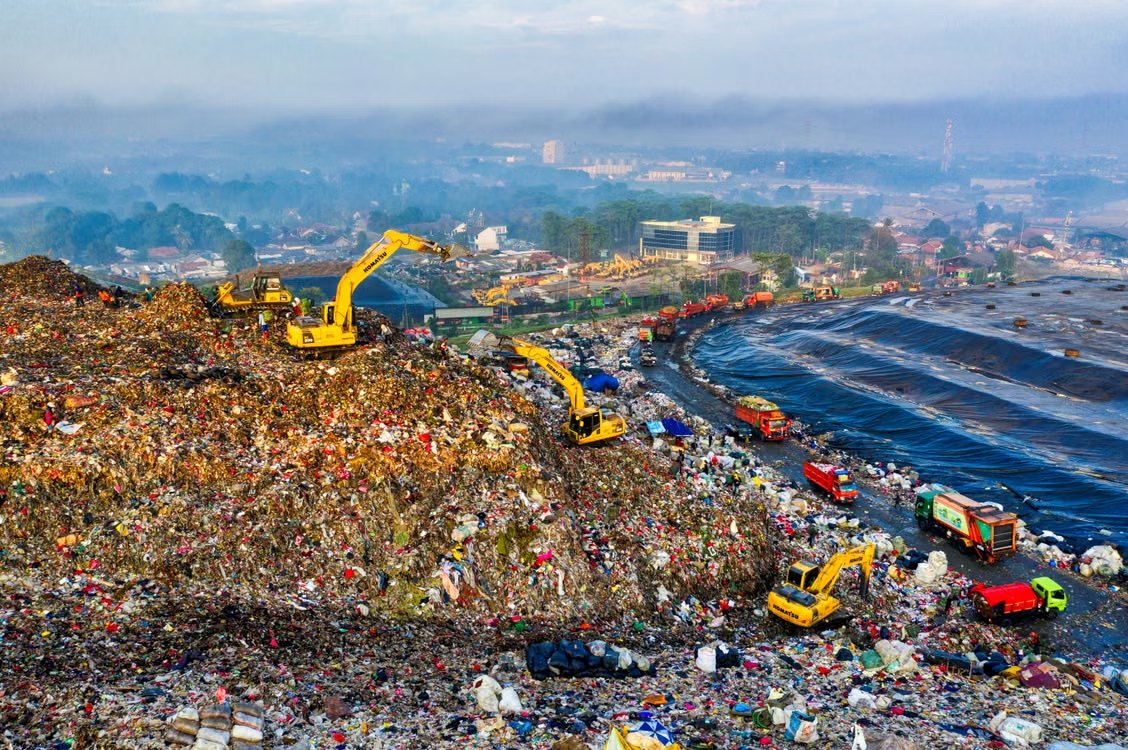
According to Time Magazine, on average, producing a film can emit about 391 metric tons of carbon dioxide equivalent for a small one and 3,370 metric tons for a large one. These whopping numbers heighten the great impact of the filmmaking industry on the environment. And this requires more sustainable video production approaches to diminish the carbon footprint.
Sustainable video production means making choices that are good for both the project and the planet. A sustainable process uses eco-friendly equipment like LED lights, avoids single-use plastics, and chooses green locations or studios. It also includes digital workflows to cut down on paper and travel.
The goals of sustainable video production and filmmaking include:
- Reduce waste production: Waste goes beyond trash bags on set. Extra hotel stays, disposable items, and poorly planned logistics all create unnecessary waste.
- Lower CO₂ emissions: Travel is one of the biggest contributors to a production’s carbon footprint.
- Protect natural locations: Filming in beautiful outdoor spaces adds value to content, but these places are fragile. Crews should avoid damaging plants, disturbing wildlife, or leaving behind any trace of filming.
7 Strategies For Sustainable Video Production
Plan Smart in Pre-Production
Good planning makes the whole process greener. Start with digital tools for scripts, schedules, and storyboards to avoid wasting paper. You should also hold virtual meetings instead of in-person ones to save travel emissions.
When choosing locations, look for spaces that already have what you need so you don’t have to build large sets or transport lots of gear. Plan your shoot schedule carefully to minimize days on location and cut down on hotel stays, food waste, and energy use.
Even writing sustainability into your story can help spread awareness. By thinking ahead, you can reduce the need for extra resources and make every decision count.
Use Energy-Efficient Equipment
Switching to eco-friendly gear is one of the easiest ways to make filming more sustainable. LED lights use far less electricity than traditional lights and give off less heat, which reduces the need for cooling.
Modern cameras and batteries are also designed to be more energy efficient. You can take it further by using renewable power sources, such as solar charging kits, for remote shoots.
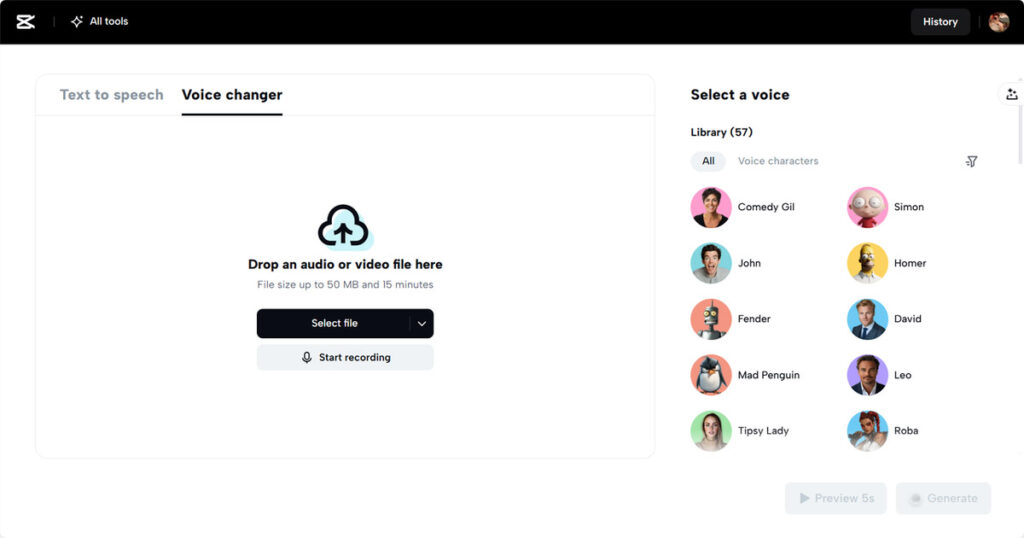
Additionally, using an AI-powered voice changer instead of hiring real-person voice actors/actresses can reduce the energy used. This not only cuts down on traveling but also eliminates the need for studio set-ups and equipment.
These choices save energy and cut down on carbon emissions without hurting production quality. Over time, energy-efficient equipment also saves money by lowering power bills and reducing the need for repairs. Making smart equipment choices not only helps the environment but also creates a smoother, more cost-effective production. It’s a win-win!
Reduce Travel and Transport
Travel is one of the largest sources of emissions in video production. Flying crew and equipment long distances quickly increases your carbon footprint. A better option is to hire local crews and rent equipment near the shooting location. This avoids unnecessary transport while also supporting local businesses.
When travel is unavoidable, encourage carpooling, use trains instead of planes when possible, or choose electric or hybrid vehicles. Shooting remotely can also cut down on travel by allowing directors, clients, or editors to join virtually.
Directors can observe the shoot and direct the crews over cameras. Even scouting can be done digitally with video calls and online location libraries. Even better, some remote-friendly video editing software makes the editing process smoother without in-person meetings.
Cut Waste on Set
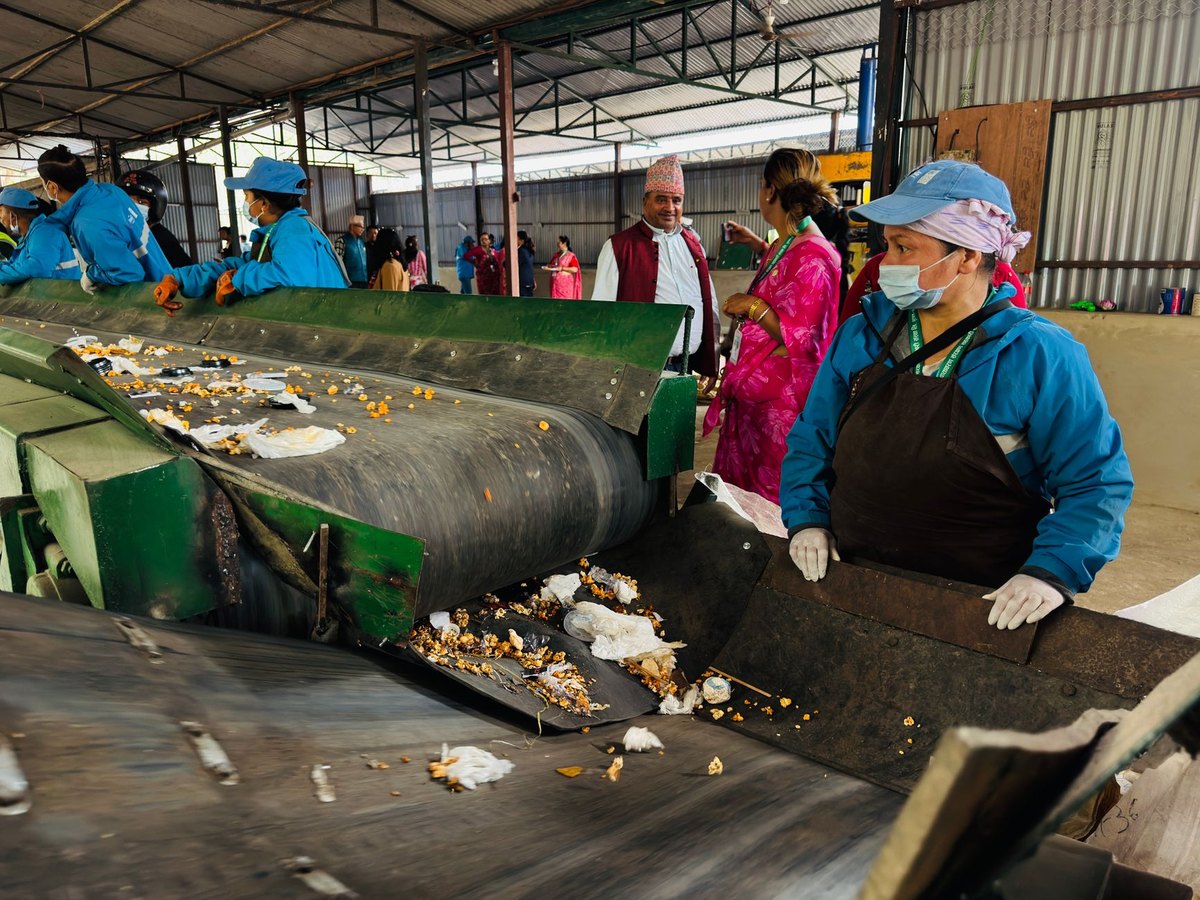
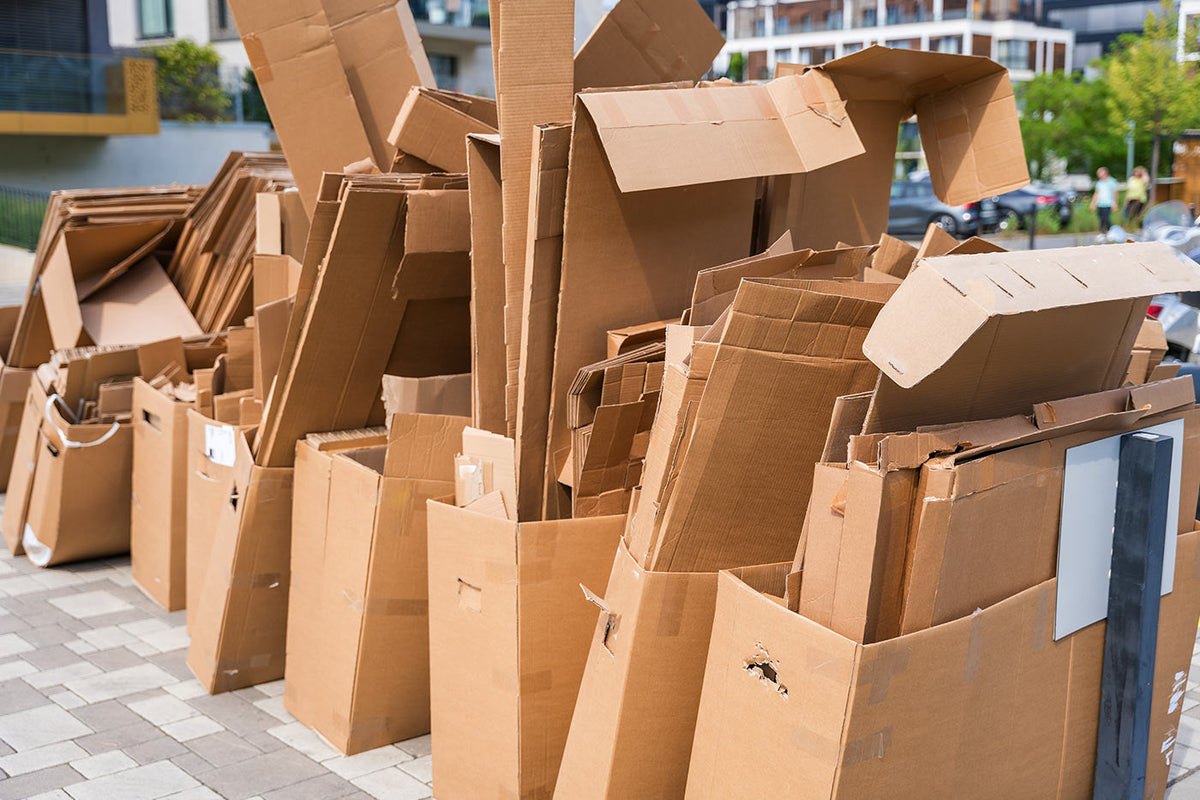
Productions can create a surprising amount of waste, but much of it can be avoided with simple steps. Replace single-use plastics like bottles and cups with reusable ones. Provide refillable water stations for the crew. Sets, props, and costumes should be rented, reused, or donated instead of being thrown away. Create an on-site recycling and compost system to handle food scraps and packaging.
Careful planning of catering also helps avoid food waste. Small details make a big difference, like encouraging crew to bring their own mugs or lunch containers. Waste reduction not only protects the environment but also saves money on disposal costs.
Choose Eco-Friendly Catering
Food is a big part of every shoot, and it’s also a chance to be sustainable. Cater with local and seasonal ingredients to reduce transport emissions. Offer more plant-based and vegetarian meals since they generally have a lower environmental impact than meat-heavy menus.
Avoid single-use plastic containers and opt for compostable or reusable packaging. Plan meal numbers carefully to reduce leftovers, and donate any extra food to local charities if possible.
Choose Greener Filming Locations
Where you shoot matters as much as how you shoot. Picking studios or locations that already follow eco-friendly practices helps reduce the need for extra energy and materials. For example, green-certified studios may use renewable power, waste reduction systems, and efficient lighting.
If you film outdoors, treat natural spaces with respect by leaving no trace, avoiding harm to plants or wildlife, and keeping noise levels low. Choosing locations closer to your crew also cuts down on travel and emissions.
Prioritize Digital Workflows for Post-Production
Using cloud-based storage and collaboration tools reduces the need for physical drives and paper documents. Instead of printing scripts, contracts, or notes, keep everything digital. Tools like an online photo editor allow teams to work remotely and share updates instantly. This cuts down on commuting, shipping, and extra hardware use.
Make Your Eco-friendly Videos!
Sustainable video production isn’t just a trend, but it’s a responsibility. With smart tools and conscious choices, you can reduce your footprint and still create powerful content to share your story with the world. Start making your own videos using digital tools right at home!