

Water is a resource of life that is among the most valuable, and that is constantly threatened by the pollution created by people. There is an alarming rate at which contaminants are being pumped into rivers, lakes and oceans as either industrial waste or agricultural runoffs. This is where water pollution control becomes critical. It is the process, policies and technologies employed to minimize or eradicate pollutants in water sources to guarantee the safety of human health and the environment.
The modern world is fast evolving; hence, the need to control the quality of water is no longer a choice, but a must. Environmental engineering services are now being used by many organizations to come up with greener solutions that prevent pollution and ensure the safety of water in the long-term. These services are important in providing a balance in ecology and also in supporting the development of urban and industrial areas.
In this article:
Understanding Water Pollution Control
At its most basic, water pollution control refers to the process of identifying sources of pollution and employing the resources to treat or prevent the entry of the pollution into the water bodies. These pollutants can be chemicals, plastics, sewage, heavy metals, microorganisms, etc.
Water pollution has two principal methods of control: prevention and treatment. Prevention aims at preventing pollutants before they enter the water sources, and treatment is the cleaning of contaminated water by physical, chemical or biological means.
Treatment of wastewater: An example is a wastewater treatment facility where the harmful substances are filtered, and water is released into the environment. Similarly, industries should also dispose of their waste in order to meet the standards of the environment. The ecosystems will be destroyed permanently unless such measures are taken.
Common Sources of Water Pollution
It is prudent to understand the source of pollution in order to understand the significance of controlling the pollution of water. One of the major contributors is industrial discharge. The wastes that are released by the factories are not treated, and in most instances, they are released into the water bodies that are close to the factories, and these wastes are poisonous.
Agriculture is another important source. In the process of precipitation, fertilizers and pesticides are washed into rivers, hence polluting the nutrients, leading to issues like algal blooms. The other cause is the city runoff, through which oil, road debris and chemicals are carried on to drain systems by rainwater. The other factor of the problem is the household waste. Drinking supplies and groundwater can be contaminated by the mismanagement of chemicals, plastics, and sewage.
Why Water Pollution Control Matters
Water pollution control is of paramount importance. First of all, it safeguards the health of humans. Polluted water has a lot of transmitting illnesses like cholera, dysentery and hepatitis, and, in this case, lacking proper sanitation systems will cause these locations to become the breeding ground of the disease. Secondly, it conserves ecosystems. Lake water supports the existence of aquatic life.
As the level of pollution rises, this is transferred to fish and other animals, causing havoc to the whole food chain. That has the potential to cause the loss of biodiversity and an unbalanced environment in the long term. The economy also requires clean water. Some of the industries that require a healthy water system are agriculture, fishing and tourism. These sectors incur huge losses when the appropriate control measures are not in place.
Methods Used in Water Pollution Control
There are a variety of methods that control and mitigate pollution. Physical filtration is one of the techniques through which solid waste is removed by means of filtration. Neutralization of harmful substances is also widely done using chemical treatments. Biological processes such as decomposing organic waste using bacteria are becoming of interest because they are eco-friendly.
Purification is also being done more efficiently using new technologies like membrane filtration and reverse osmosis. These techniques are frequently used together by governments and organizations in order to develop an integrated system of water management. It is not only aimed at treating water but also to maintain its quality as safe in the long term.
The Role of Regulations and Awareness
It is a question of policies and public awareness, as well as technology, with regard to effective control of water pollution. The laws by the governments control the amount of waste which can be discharged by industries into the water bodies. The laws play a significant role in ensuring standards and curbing abuse.
In the meantime, awareness should be developed by people. People will be more willing to practice sustainability by getting the insight into the impact of their actions, e.g. reducing the quantity of plastic resources they use and filling dispensing bins. Education and community participation should help significantly enhance the effectiveness of pollution management.
The Future of Water Pollution Control
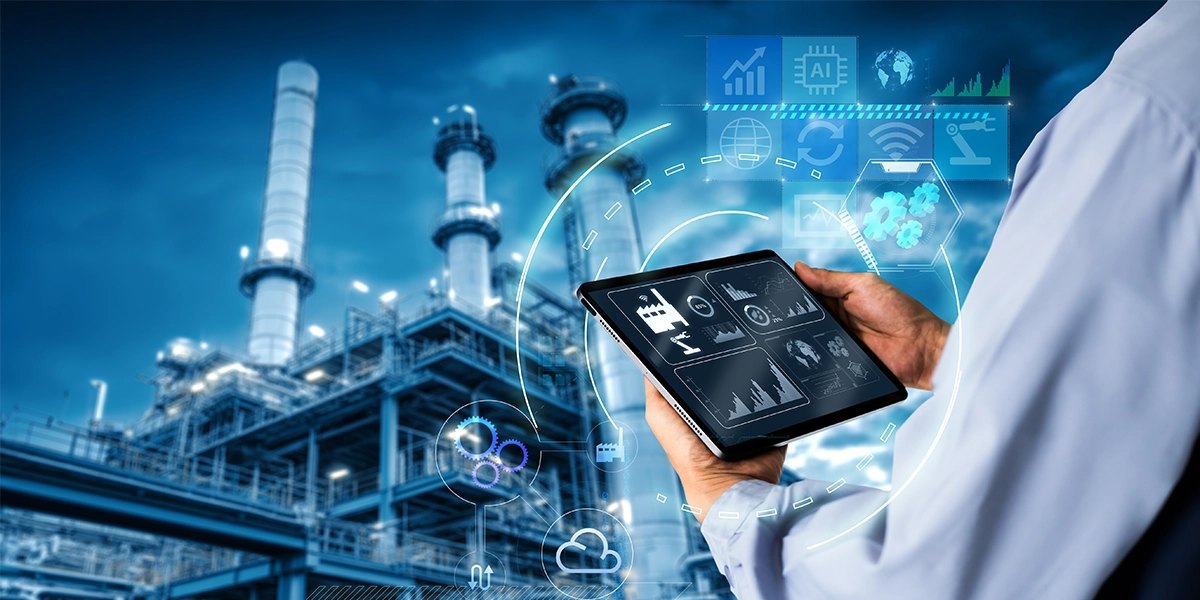
In the current and continuously growing environmental problems, the future and sustainability of water pollution control are through innovativeness and sustainability. New technologies are being invented to make the water treatment procedure efficient and more cost-effective. To respond more quickly, the concentrations of pollution in real time can be measured with the help of intelligent monitoring systems, including, but not limited to.
Green practices like industrial emissions and wastewater recycling are also becoming popular. Water resources can be preserved by the next generations through combining innovative solutions with a responsible attitude. After all, it is not simply a problem of water pollution control, but rather a case of building a sustainable future where we all can get clean water.
Conclusion
Water pollution control is one of the most crucial mechanisms of protection to people and the planet in a world where water resources are more than ever before under pressure. It maintains safe water, balanced ecosystems and even thriving economies.
With the integration of technology, control and enlightenment, we will be able to significantly address the issue of water pollution and guarantee better health in the future. It is upon the governments, industries and individuals to act and conserve this priceless resource.