
By 2050, around 80% of the homes people will live in have already been built, according to research from the Institution of Engineering and Technology. That one number tells you everything about where the focus needs to be. New builds alone won’t cut it.
Most of the real progress will come from upgrading homes that already exist, plenty of them over a century old and in desperate need of better insulation. So what goes into a green retrofit, and where do heritage buildings come in?
In This Article:
Where Most Heat Escapes
Older buildings lose most of their energy through walls, roofs, floors and windows. It adds up fast. In the UK, residential energy use accounts for roughly 20% of total greenhouse gas emissions, and about three-quarters of that figure comes from heating and hot water alone.
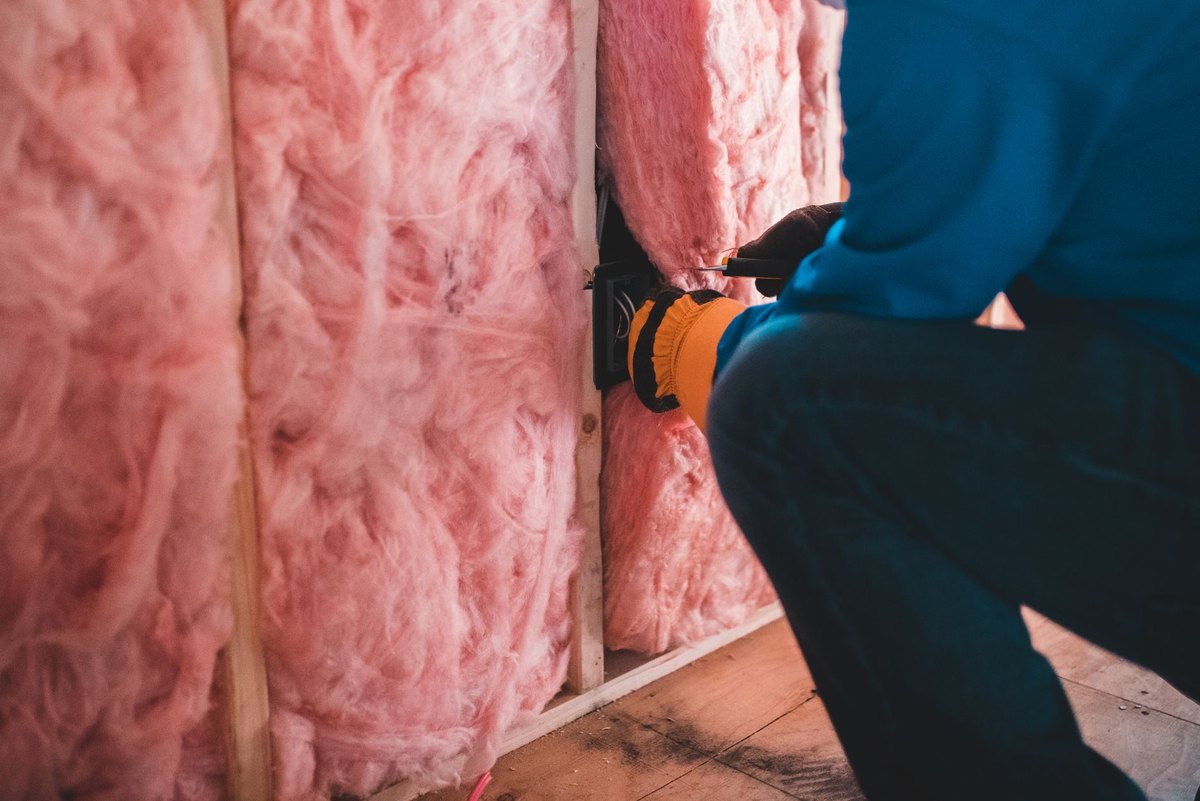
Fitting solid wall insulation is one of the biggest upgrades out there, and it comes in two forms. External insulation adds a thermal layer around the outside of the building, while internal insulation goes on the inner walls but will eat into your floor space. Loft insulation is quicker and cheaper. And draught-proofing around doors, floors, windows and skirting boards can make a surprisingly big difference for very little money.
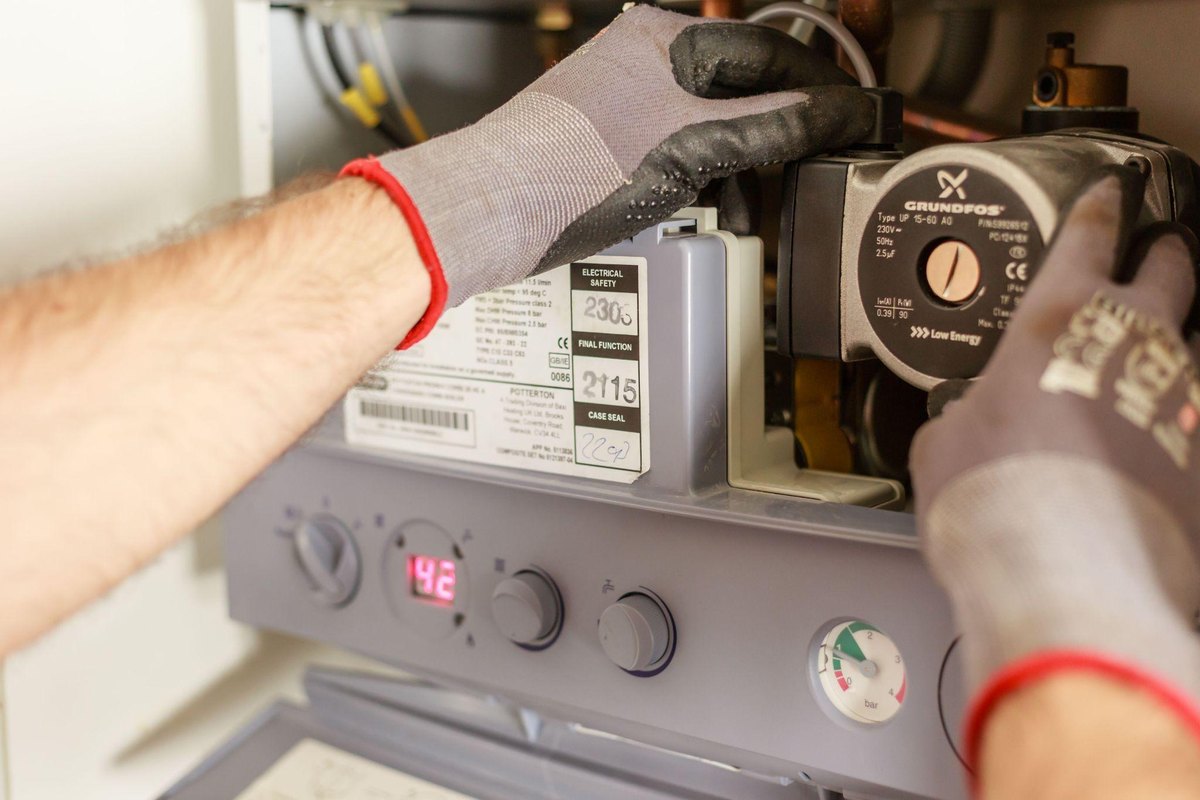
Heat pumps have taken over from gas boilers in a growing number of retrofit projects, and air-source models are the most common choice in the UK. Government grants through the Boiler Upgrade Scheme will cover part of the installation cost. But there’s a catch. Heat pumps perform best in properties that are already well insulated, which is why insulation and heating upgrades almost always end up happening at the same time.
What Changes for Listed and Heritage Properties
When it comes to heritage and listed properties, strict planning rules will limit what can and can’t be altered on the outside of the building. That usually rules out external wall insulation and full window replacements. Upgrades can still happen, but they need to be far more carefully chosen and specifically targeted to the individual building, which takes more planning but can still deliver genuinely strong results.
Secondary glazing tends to be one of the most effective options for these properties. Fitting an acrylic sheet as a secondary panel inside the existing window frame creates an insulating air gap that will cut heat loss by a significant margin. The numbers speak for themselves. A typical single-glazed window has a U-value of around 4.7 W/m²K, and adding a secondary glazing layer brings that down to roughly 1.8 to 2.0, a drop of more than 50%. And because the original windows stay completely untouched, conservation officers will generally accept it as a reversible measure.
Don’t overlook embodied carbon either. Making and transporting a lightweight acrylic panel takes far fewer resources than producing sealed double-glazed units with aluminium or PVC frames, which means secondary glazing has a smaller environmental footprint from the very start of the process.
Where Retrofit Goes From Here
Before 2050, 26 million UK homes will need some form of retrofit. No quick fix exists. But the tools to make serious progress are already proven and available, with government schemes like the Boiler Upgrade Scheme helping more homeowners access them every year. Insulation, heat pumps, draught-proofing and secondary glazing all deliver real carbon savings when applied correctly.
Heritage properties make an especially strong case for targeted retrofit work, with low-impact options like secondary glazing cutting heat loss by more than 50% without altering a single original feature.