
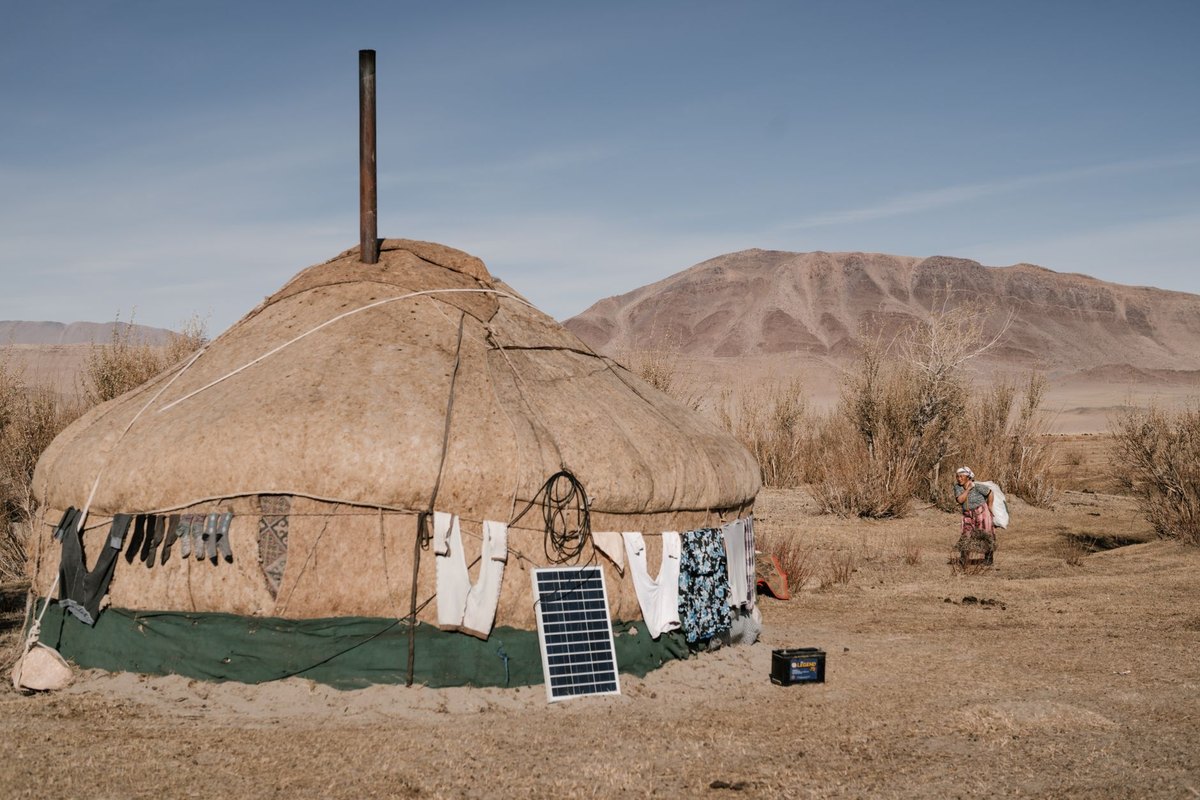
Powerful electricity generation is important for remote infrastructure, which is operated outside the reach of established power grids. Telecommunications sites, remote industrial facilities, rural monitoring stations, and emergency communications need a stable power supply to operate effectively. At the same time, extension of power lines to remote infrastructure may be expensive or technologically difficult.
Solar photovoltaics is an alternative way to generate electricity directly where it is needed. Combined with battery storage, solar power can increase the reliability of energy supply and reduce the use of diesel generators and power grids.
For solar installers and project developers, these applications create new possibilities to implement PV projects aside from traditional roof top and ground mounted arrays. However, design of such projects requires special considerations related to energy demand, battery capacity, environment, and backup generation.
In This Article:
Why Remote Infrastructure Needs Solar-Plus-Storage
Energy demand of remote facilities can differ from those of residential and commercial sites with many facilities running non-stop and being highly tolerant to power interruptions.
Telecommunications base stations are a good example of such infrastructure. Network equipment, transmission devices, cooling systems, and monitoring equipment have to operate 24/7. Even minor power interruption can affect network availability and performance.
In regions with unreliable power grids, diesel generators used to provide back-up or even primary electricity. Though generators can supply dispatchable power, they have a number of disadvantages:
- Transportation of fuel is expensive, especially for isolated regions.
- Maintenance increases operating costs.
- Disruptions of fuel supply can affect the reliability.
- Generators produce carbon emissions and noise.
- Low-load operation decreases efficiency.
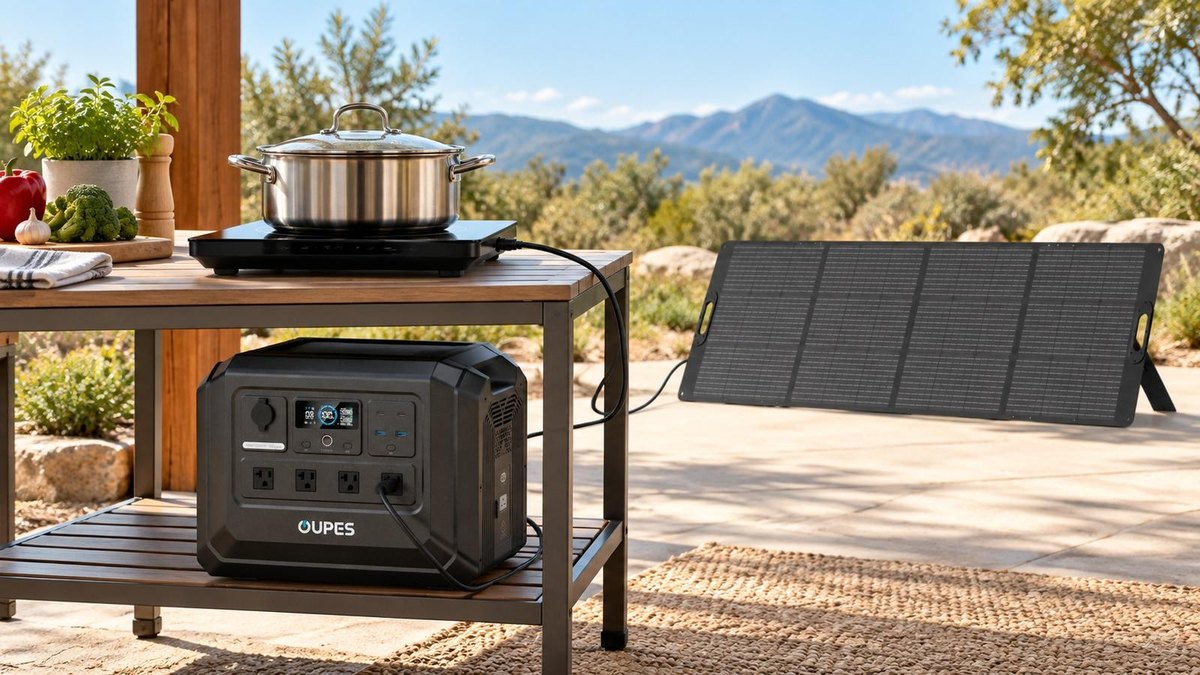
A solar-plus-storage system can solve many of these problems, as it combines renewable power generation and storage. Photovoltaic panels provide electricity during the daytime, while batteries store it to use during nighttime and days with low solar irradiation.
Instead of eliminating generators completely, the hybrid system can reduce the running time and fuel consumption of the generator while providing the reliable backup.
Key Components of a Remote Solar-Plus-Storage System
Well designed system consists of several interdependent components.
1. Solar PV Generation
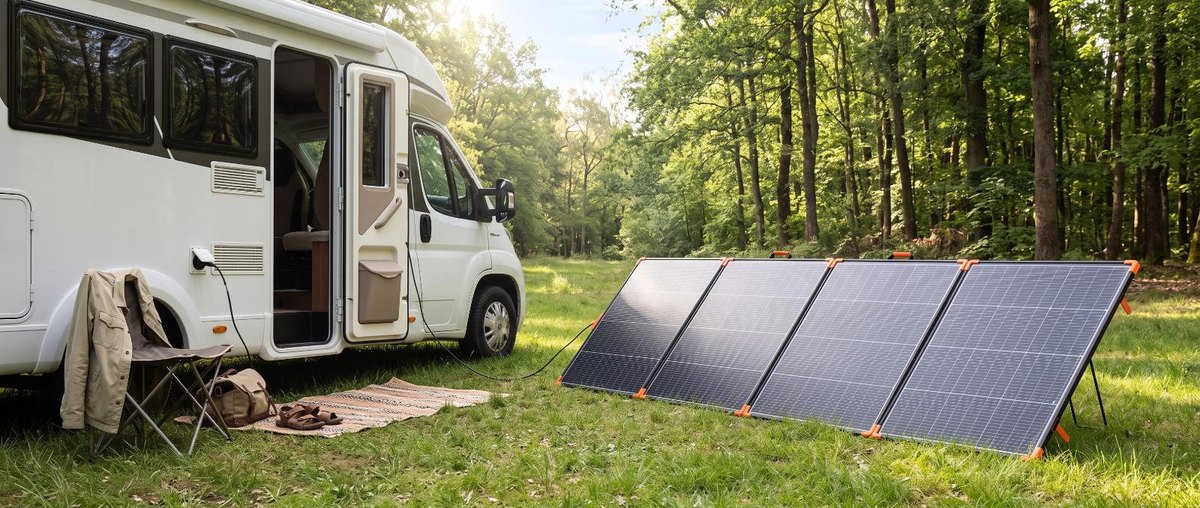
Solar panels are the main renewable energy source of the system. Its capacity should reflect the daily energy consumption of the site, local solar irradiation, available space for the installation, and seasonal variations.
For remote installations, equipment should be selected with regard to high temperatures, dust accumulation, high wind speed, and other environmental factors.
Ground-mounted arrays are suitable for industrial sites with plenty of land, while elevated or compact mounting structures can be used in case of lack of space.
2. Battery Energy Storage System
Battery storage allows using the electricity generated during the daytime at nighttime and days with reduced solar irradiation.
Properly configured battery energy storage system allows balancing the generation and consumption, providing electricity during nighttime and reducing the use of diesel generator as a backup.
Lithium iron phosphate (LFP) batteries are widely used for stationary storage because of their thermal stability, long cycle life, and ability to charge and discharge frequently.
When choosing a battery system, project developers should evaluate the capacity of usable energy, maximum power of charging and discharging, operating temperature range, battery management features, and service life.
It is important to note that the capacity of batteries cannot be based on daily energy consumption only. Autonomy period and availability of alternative energy sources should be considered.
3. Hybrid Inverter and Power Management
Power conversion system controls the power flow between solar panels, batteries, generator, and loads.
In the hybrid system, energy management system determines how the available power is allocated.
Typical operation strategy is the following. First, solar generation provides electricity. Excessive energy charges the batteries, while the energy stored in batteries is used when solar generation is insufficient. If the state of charge of the battery falls below a predefined level, the diesel generator or any other source can start automatically.
This approach helps avoiding unnecessary runs of the generator while providing the required power supply.
4. Monitoring and Control
Remote facilities can be located far from maintenance teams, so remote monitoring becomes an essential part of the system design.
Monitoring platform can provide information about solar generation, state of charge of the batteries, load consumption, inverter performance, and operation of the generator.
With proper communication capabilities, operators can detect abnormalities, analyze performance, and plan maintenance without sending technical staff to the site for each inspection.
How to Size a Solar-Plus-Storage System for Remote Sites
Correct sizing of the system requires understanding of real energy demand.
The process of design includes several steps.
Step 1: Calculation of the daily energy consumption.
First, list all connected equipment and determine its power rating and operating hours. For example, the site equipped with telecommunications equipment, cooling systems, and auxiliary devices will have relatively stable load during the day.
Calculation of daily energy needs starts with a simple formula:
Daily Energy Consumption (kWh) = Total Load Power (kW) × Operating Hours (h)
For facilities with changing demand, hourly load profiles will be more accurate basis for system design.
Step 2: Assessment of solar generation.
When sizing the solar array, it is necessary to take into account local peak sun hours, losses of the system, effect of the temperature, inverter efficiency, and seasonal variations. Estimation of the system only on the basis of annual average solar conditions can lead to insufficient energy during less favorable months.
Step 3: Sizing the battery.
The capacity of the battery should reflect nighttime consumption, required backup duration, allowable depth of discharge, and overall system efficiency. For example, if the site requires 20 kWh of usable stored energy per night, the nominal capacity of the battery will be higher taking into account discharge limits and conversion losses.
Step 4: Backup needs assessment.
For critical infrastructure, the developer should decide whether the generator is needed and how often it will run depending on the weather conditions. This is especially important for regions with long rainy season or poor solar irradiation.
Solar Power for Telecommunications Infrastructure
Telecommunications networks are one of the main fields for application of remote solar-plus-storage solutions. With expanding coverage of networks, operators face the task of powering base stations in remote areas where grid connection is poor or absent. Using solar power for telecom base stations can help to solve this problem with the use of photovoltaic panels, battery storage, hybrid power controllers, and diesel backup.
Unlike typical commercial solar systems, telecom power systems should be designed for supporting continuous operation of the equipment and strict power availability requirements. Additional considerations include limited installation space, equipment protection, temperature control of batteries, and possibility of remote maintenance.
For existing telecom sites, retrofits are a practical option. Instead of replacing the whole power system, installers can estimate the existing rectifier, battery bank, generator, and available mounting space and add additional solar capacity.
Improving project economics through smarter system integration
The value of remote solar-plus-storage projects goes beyond the cost of the equipment. Diesel fuel, its transportation, generator maintenance, and equipment replacement can make significant part of long-term operating expenses, especially for remote facilities. Solar generation reduces fuel expenses, while battery storage allows shifting renewable electricity to the periods when it is needed.
However, the lowest initial cost of equipment does not always mean the lowest lifetime cost.
Developers should evaluate:
- Installed cost of the system
- Solar energy production
- Replacement and maintenance needs of batteries
- Expenses on generator fuel and services
- Availability and expected operating life of the system
- Expenses on remote monitoring and maintenance
The lifecycle cost analysis provides better comparison of conventional diesel-powered system and hybrid renewable energy systems.
Conclusion
Solar-plus-storage systems provide practical solution for supplying electricity to remote infrastructure with limited or unreliable grid connection. Combining photovoltaic generation, battery storage, intelligent power management, and backup generation, developers can create systems that will balance energy reliability and operating costs.
For solar installers and EPC contractors, telecommunications and other remote infrastructure projects provide opportunities to implement solar technology in specialized markets.
Success of such projects depends on accurate load assessment, proper battery sizing, environmental factors, and system integration. With improvement of energy storage technologies and remote monitoring capabilities, hybrid solar power systems will become increasingly important component of remote energy infrastructure.