
A biogas plant is not a wind turbine. Someone on site still has to handle the methanol, the caustic soda, and the hydrogen sulfide, plus the occasional spill nobody planned for. Bioenergy gets sold as the gentle face of the energy transition, and on lifecycle emissions that reputation is mostly earned. What it leaves out is the crew working around real chemical and physical hazards every shift.
That gap between the clean public image and the messier reality on the floor is exactly where worker safety gets decided.
In This Article:
The Hazardous Side of “Clean” Energy
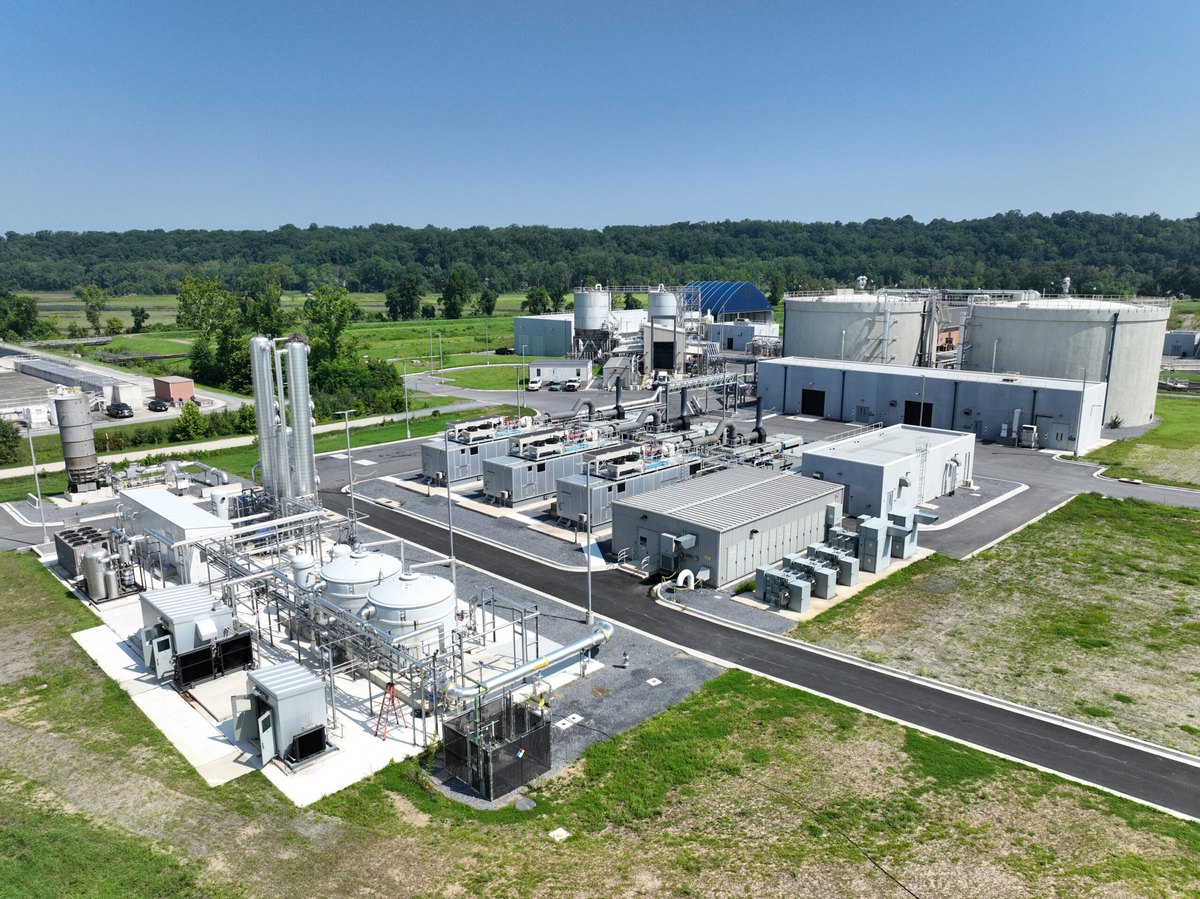
Start with biomass. Wood dust is combustible, and a poorly ventilated pellet plant can build up enough airborne particulate to feed a deflagration. The string of pellet-plant fires reported over the past decade weren’t freak events; they were dust doing what dust does in the wrong conditions. Anaerobic digesters that produce biogas generate hydrogen sulfide, which is toxic at low concentrations and lethal at higher ones, alongside methane that carries an obvious explosion risk in a confined headspace.
Biodiesel production adds its own list. The process leans on methanol and strong bases like sodium or potassium hydroxide, both of which burn skin and damage the respiratory tract. Then there’s the waste side of the ledger. Spent catalysts, contaminated filter media, surplus glycerin, and digester sludge all have to go somewhere, and a chunk of it qualifies as hazardous under the rules. If you want a sense of how varied facility waste streams really get, this facility waste guide runs from sharps to spent chemicals. A green label on the front gate doesn’t make the loading dock safe.
When a Bioenergy Site Becomes a Hazardous Waste Operation
Most days, routine handling at a well-run plant sits comfortably under ordinary workplace safety rules. The picture changes during cleanup, decommissioning, or the aftermath of an uncontrolled release. Under OSHA‘s HAZWOPER standard (29 CFR 1910.120), specific cleanup and emergency response activities trigger training and protective requirements that general-industry rules don’t address.
That distinction carries more weight than it first appears. A digester rupture, a methanol tank leak, or the demolition of an aging refinery can all push a site into hazardous waste operation territory. Workers performing that kind of removal generally need formal certification, and the most common entry point is a HAZWOPER 40-hour certification course built around the requirements in paragraph (e) of the standard. Send someone into a contaminated area without it and you’ve put that worker at real risk, and handed a regulator a citable violation that can stop the job.
One detail trips up a lot of operators: an unlabeled drum is treated as hazardous by default until its contents are positively identified. On a site that’s been running for fifteen years, that single rule can turn a slow afternoon of “clearing out the old storage shed” into a regulated operation nobody budgeted for.
What the Training Actually Covers
The forty-hour format isn’t arbitrary padding. It reflects how much ground there is to cover before a person can safely work on an uncontrolled site. A typical curriculum moves through site characterization, air monitoring, the hierarchy of controls, the selection and correct use of personal protective equipment, decontamination procedures, and the structure of a written emergency response plan. Of all of it, air monitoring is the piece I’d never let someone skip; it’s the line between knowing a space is safe to enter and just assuming it.
There’s a regulatory backbone holding this together. The federal framework grew out of the Superfund amendments of the 1980s, when Congress directed that workers in hazardous waste operations be protected by enforceable standards. The EPA maintains a parallel rule for state and local employees in places that lack an OSHA-approved plan, which is why the same training shows up across both public and private sectors. For a bioenergy operator, the course isn’t compliance theater. It teaches the judgment calls that keep a small incident from turning fatal: how to read a monitoring instrument, when to upgrade PPE, and how to decontaminate before the contamination follows someone home.
Trained workers also tend to spot trouble earlier. A technician who knows what hydrogen sulfide does at 100 parts per million behaves very differently around a digester than one who’s only ever been told to “be careful.” That difference is the whole point of the spend.
Certification Is Only the Starting Point
Certification is the floor, not the ceiling. The plants that handle hazards well treat training as the start of an ongoing habit rather than a one-time box to tick. Refresher sessions and site-specific drills do more for day-to-day safety than any certificate filed away in a drawer, and so does a chain of command that everyone actually knows before an incident, not during one.
It helps to connect safety to the wider operational picture. Strong waste management practices cut down how often workers face the riskiest situations in the first place. Fewer leaks and cleaner byproduct segregation mean fewer moments where someone ends up improvising next to a hazard in the first place. Good housekeeping and worker safety turn out to be the same discipline seen from two angles, which is why the best-run facilities don’t treat them as separate jobs. The exception is the very small operation, a lab-scale biodiesel setup, say, where lighter rules may genuinely apply, though even there the chemistry doesn’t care how big your tank is.
The Bottom Line
Bioenergy earns its place in the clean energy mix, and none of this should read as an argument against it. But the industry does itself no favors by pretending its facilities are inherently gentle places to work. The chemistry is real, the gases are real, and so is the cleanup when something goes wrong. Proper hazardous materials training is how a responsible operator protects its people and its license to keep running. The cleaner future we keep talking about has to include the workers who build it, and that begins with taking the hazards on their own sites seriously.