
Taking out the trash at a large institutional or research facility is nothing like rolling a bin to the curb at home. The stakes are much higher. Get it wrong, and you might face steep federal fines, staff injuries, or even contaminated local water supplies. Whether you manage a small independent lab or a sprawling corporate campus, figuring out a comprehensive waste system is easily one of the most critical operational choices you will make.
Let’s break down the specific waste categories modern facilities deal with, the rules governing each one, and the practical steps that turn a liability into a compliant, safe program.
In this article:
The Four Waste Streams Every Facility Generates
Everything starts with proper segregation. Cross-contamination risks drop sharply when staff know exactly what goes where. Plus, the facility avoids the incredibly expensive mistake of treating regular trash as regulated hazardous waste. A well-structured waste management program relies on clear definitions. Consistent container placement throughout the building is just as important.
Regulated Biological Waste
You might hear this called biohazardous or infectious waste. Regulated biological waste covers any material that carries a potential infection risk. Discarded protective gloves, blood-soaked materials, laboratory cultures, and items saturated with other potentially infectious materials belong in this category.
You can’t just toss this stuff in a normal bin. Handling this waste requires rigid red containers or red bags. They must be securely sealed before transport. Facilities have to use licensed haulers and keep meticulous records of every single pickup. That means tracking the volume generated and the final disposal method. These records aren’t optional; they form the paper trail that proves you are compliant when an inspector shows up.
Sharps Waste
Sharps get the most attention, and for good reason. Expose a worker to serious bloodborne pathogens with just a single needle-stick or puncture injury, and the consequences are severe. The risk is very real.
Broken laboratory glass, needles, syringes, scalpels, and lancets all count as sharps. Any item that can pierce the skin and has touched potentially infectious materials falls under this umbrella too. Proper Sharps Disposal means dropping every sharp immediately into an FDA-cleared, puncture-resistant container right at the point of use. These containers need a clear biohazard symbol. Position them within arm’s reach in active work areas, and always replace them before they hit the fill line. Overfilling a sharps container happens all the time, yet it is one of the most easily preventable compliance violations out there.
Chemical and Medicinal Compounds
This category carries some of the most complex disposal requirements you will face. Expired chemical compounds, unused controlled substances, and contaminated medicinal products make up a highly regulated waste stream. Do not flush these compounds down the drain. It’s a terrible instinct. Chemical and medicinal products flushed into the sewer system show up in drinking water supplies across the country, causing well-documented environmental damage.
Facilities must sort these compounds by hazard classification. Specific black containers are meant for RCRA-hazardous compounds, like certain highly reactive chemicals and heavy-metal-containing products. These require incineration at a licensed facility. Designated blue containers are for non-hazardous compounds, which follow a totally different disposal pathway. Controlled substances demand highly regulated destruction. Often, that means witnessed disposal backed by detailed documentation.
Hazardous Chemical Waste
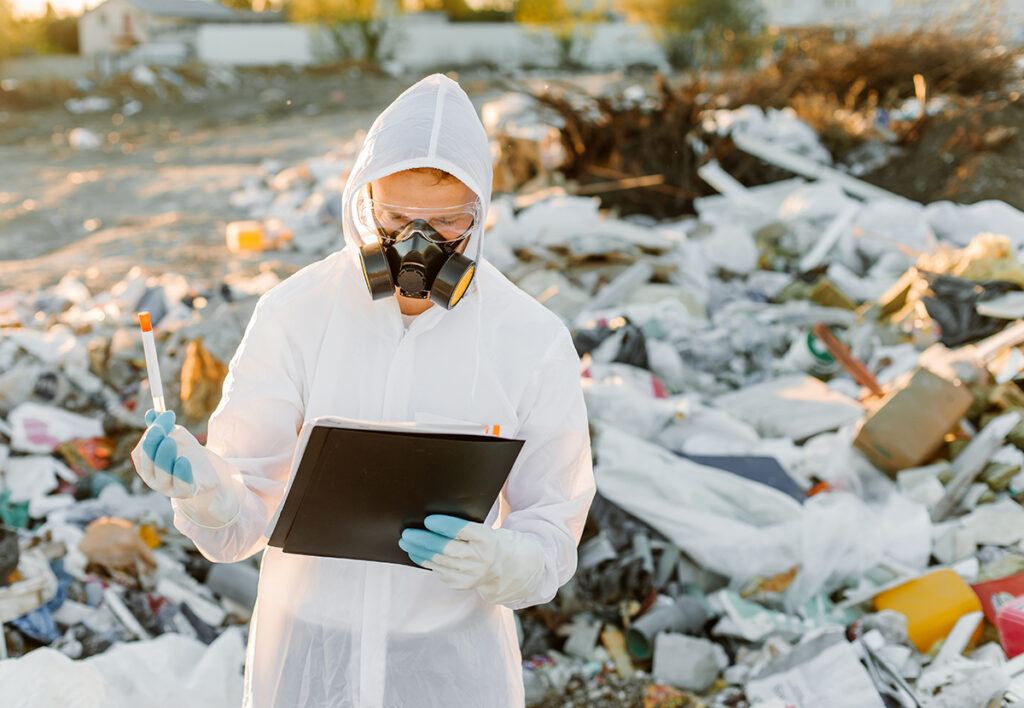
Chemicals used in laboratories, maintenance rooms, and housekeeping departments turn into hazardous waste the moment they are no longer needed. Photographic processing chemicals, solvents, fixatives, disinfectants, and reagents need to be identified, labeled, and thrown out according to the Safety Data Sheets (SDS) on file for each specific product.
You cannot negotiate on storing incompatible chemicals separately. Mix oxidizers with flammables, or acids with bases, and you risk dangerous reactions that can injure staff and wreck the facility. Regular chemical inventory audits are a smart way to catch expired products before they pile up into a massive disposal headache. If you want to see how chemical usage ties into sustainable facility operations, reading Cleaner Water, Lower Footprint: Smarter Disinfection Strategies for Sustainable Facilities gives a great perspective on balancing safety with environmental responsibility.
Building a Program That Actually Works
Setting out the right containers is just the baseline. A program that genuinely reduces risk and maintains compliance takes a lot more effort than putting labeled bins in the correct rooms.
Staff Training That Sticks
Inconsistent execution on the floor is the weakest link in any waste management program. A technician unsure if a partially used chemical vial goes into the regulated waste container or the regular trash will just guess. Often, that guess is wrong.
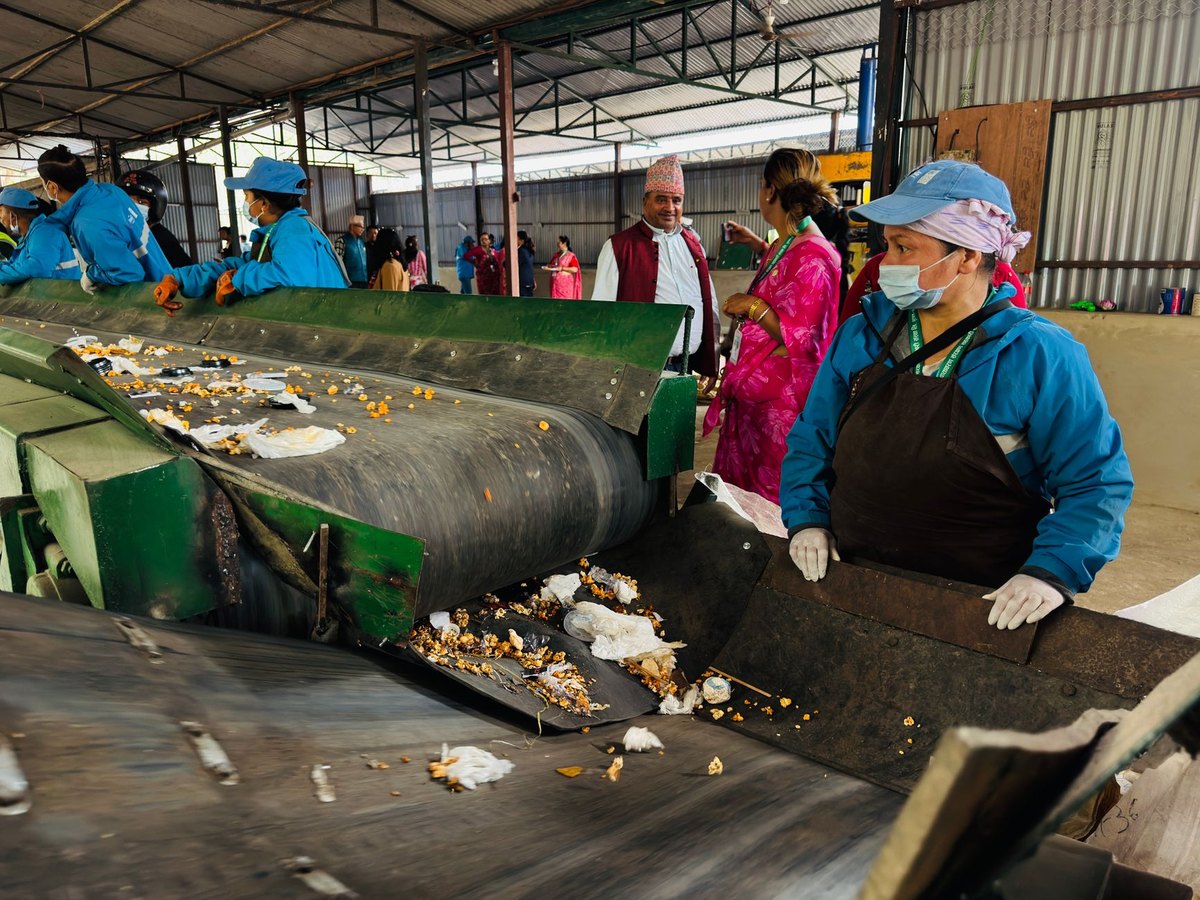
An annual slideshow won’t cut it for training. Visible reminders posted near waste stations, regular refreshers, and department-specific scenarios help reinforce the right behavior. Waste management orientation should happen before new staff begin their active duties, not weeks later. The people doing this work day in and day out determine if the program succeeds or fails. That point hits home when you read about The Workforce Behind Sustainable Waste and Bioenergy and the skills needed to manage complex waste streams at scale.
Regular Audits and Waste Assessments
Programs that are never measured tend to drift. Facility managers need data to spot problems before they turn into violations. Quarterly audits of segregation practices, container placement, and documentation accuracy provide exactly that.
Don’t just review paperwork. Audits should include direct observation of staff disposal habits. If technicians keep putting sharps in the wrong container in one specific unit, you have a training gap. Fixing the root cause works much better than just sending out another memo.
Choosing the Right Disposal Partner
Facility managers often underestimate how much the vendor relationship matters. A licensed, experienced disposal company does more than just pick up the trash. They supply the documentation, like shipping manifests and certificates of destruction, proving the facility met its legal obligations from generation all the way to final disposal.
When you evaluate vendors, ask for proof of licensing in every state where they operate. Check their current insurance certificates. Request references from facilities of similar size and complexity. If a vendor can’t produce these documents quickly, they probably aren’t worth trusting with regulated waste.
The Environmental Dimension
In the United States alone, institutional and research facilities generate millions of tons of waste every single year. That massive number carries real environmental weight, and people increasingly expect the sector to account for it.
Reducing Waste at the Source
Generating less waste to begin with is the smartest disposal strategy. Facilities can meaningfully reduce the volume of waste they send to disposal vendors each month by tweaking their purchasing policies. Favor minimal packaging. Choose products made from recycled content. Use reusable items wherever it makes sense.
Standardized supply kits work well for some facilities, reducing over-ordering and the eventual disposal of unused items. Other places have rolled out digital dispensing systems. These reduce compound waste by dispensing exactly what is needed for a specific task, and nothing more.
Alternative Treatment Technologies
Incineration might be the default for many categories of regulated waste, but it isn’t your only option. Chemical disinfection, autoclaving, and microwave treatment can make certain types of regulated biological waste safe for standard landfill disposal. This cuts down the emissions tied to high-temperature incineration.
The broader waste and energy sector is also looking at ways to turn waste into a resource instead of just eliminating it. Turning Sewage into Power: How Waste‑to‑Energy Is Reshaping City Water Systems shows how facilities are starting to rethink waste as an input rather than an output. That shift in thinking has real implications for institutional operations too.
Regulatory Compliance at a Glance
Multiple agencies make up the regulatory framework for regulated waste. Each one has its own jurisdiction and enforcement authority.
| Agency | Primary Focus |
|---|---|
| OSHA | Worker protection from bloodborne pathogens and hazardous chemicals |
| EPA | Environmental protection, hazardous waste disposal including chemical compounds |
| DOT | Safe packaging and transport of regulated biological waste on public roads |
| DEA | Controlled substance handling, disposal, and diversion prevention |
| State Departments | State-specific regulated waste regulations, which often exceed federal minimums |
Varying state regulations add complexity for facilities operating across multiple states. One state might classify something as regulated biological waste, while another state classifies it differently. Disposal requirements can vary wildly too. You really need a designated compliance officer or a reliable regulatory update service to stay current with state-level rule changes.
Documentation as a Defense
During an inspection or audit, meticulous record-keeping is your best defense. Retain shipping manifests, certificates of destruction, training logs, and audit reports for at least three years. Keep in mind that some states require even longer retention periods.
These documents tell a clear story. When an inspector asks how the facility disposed of its chemical waste in a specific quarter, the answer should come straight from a file, never from memory.
The Bottom Line
Regulated waste management is far from a back-office function. It impacts operational safety, worker health, environmental responsibility, and regulatory compliance all at once. Facilities treating it as a simple checkbox exercise usually find out the hard way that non-compliance consequences are expensive, highly disruptive, and totally avoidable.
Getting it right requires understanding each waste stream. You have to train the people handling it, audit the process regularly, and partner with vendors you can trust. That combination won’t guarantee perfection, but it builds a solid program capable of identifying and correcting problems long before they escalate.