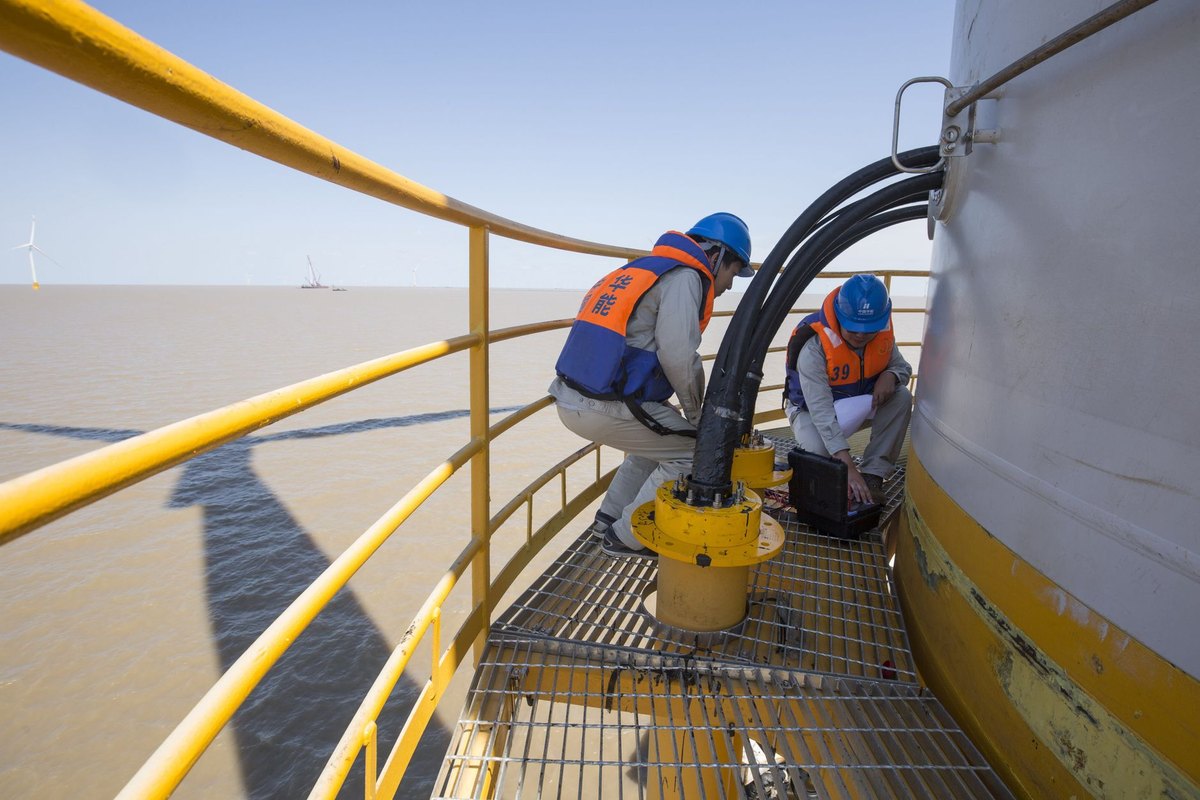

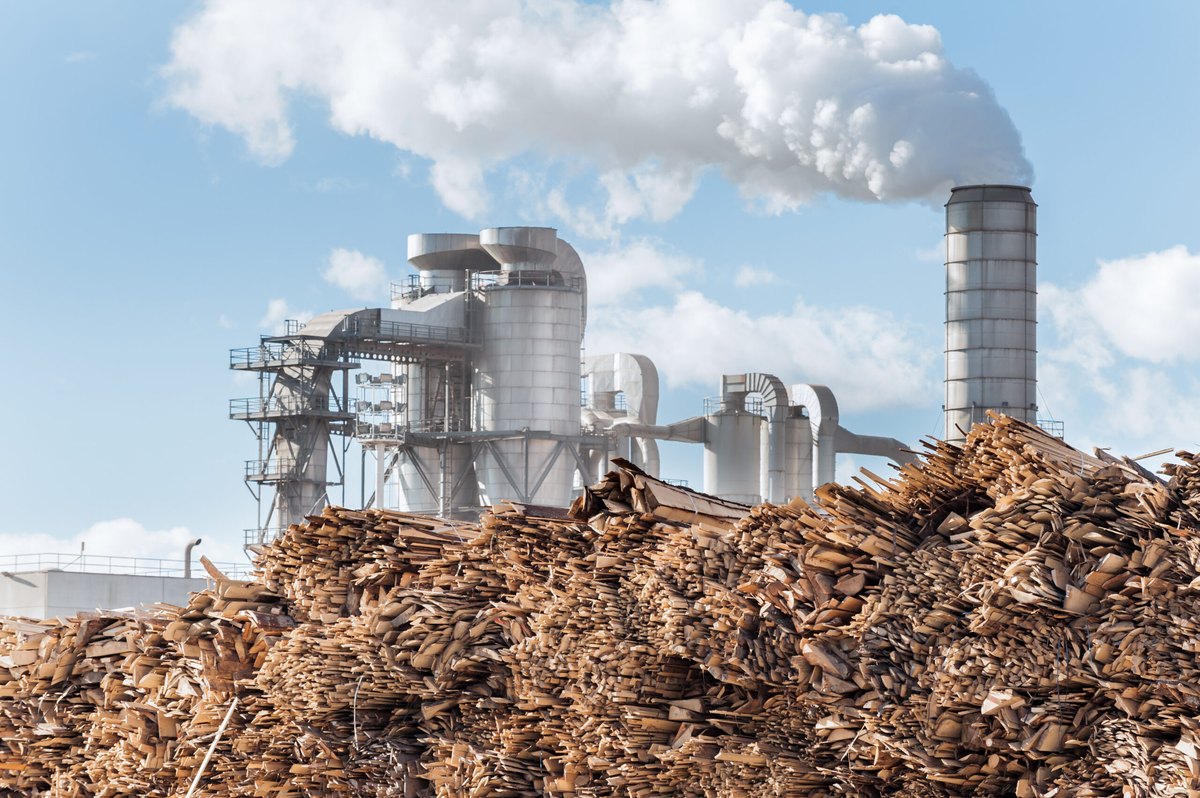
Today bioenergy accounts for over 75 percent of global renewable energy supply and is more than five times the combined contribution of the world’s final energy consumption from wind and solar-and that figure does not even take into account traditional use of wood fuel and waste in developing countries. Yet deployment rates are currently nowhere near the level required to meet the world’s climate goals. Modern bioenergy supply needs to almost quadruple its contribution to final energy demand between 2015 and 2060 (to around 17 percent of the total) and, together with waste and residues, is estimated to contribute nearly 20 percent of cumulative carbon savings up to 2060.
For business leaders, policymakers, and developers, the question is no longer whether bioenergy can make a difference, but how to scale it up effectively.
This roadmap addresses this question and identifies the key opportunities, challenges, and actions needed to realize sustainable bioenergy at scale.
In This Article:
Why bioenergy matters now
Many forces have made bioenergy an increasingly strategic energy resource. Since the 2015 Paris Agreement raised the level of climate ambition for temperature mitigation, the urgency for further greenhouse gas (GHG) reductions has been amplified. Simultaneously, bioenergy has gained greater recognition for its unique ability to support decarbonization of a few highly emitting but difficult-to-electrify sectors (aviation, shipping, and long-haul road transport).
Unlike wind or solar, which can support but not meet the full demand across energy carriers, bioenergy can provide heat for industry and buildings, electricity for power generation, and renewable fuels for transportation.
However, the sector also faces new challenges: low fossil fuel prices have intensified competition with fossil energy, the rate of development and commercialization of new bioenergy technologies has lagged the optimistic forecasts of a decade ago, and increased focus on sustainability concerns, such as land use and competition with food production, has elevated the bar for any credible project development.
For project leaders, the takeaway is that while the scale of opportunity is vast, the business of unlocking bioenergy’s potential requires an orderly and disciplined process that concurrently manages the technical, policy, financial, and sustainability challenges involved. Using a visual tool such as an easy Gantt chart maker like GanttPRO is encouraged.
The Vision: What Success Looks Like
Bioenergy needs to expand across all sectors. In transportation, use must triple by 2030. Overall, investment needs to scale up from the current around USD 25 billion per year to USD 60 billion by 2030 and to some USD 200 billion a year between 2050 and 2060.
This scale will necessitate a nearly fivefold increase in supply of sustainable biomass feedstocks from modern bioenergy– about two-thirds from waste and residues, and one-third from sustainable forestry operations and agricultural sources, where the avoidance of significant land use change and impacts on food security can be ensured.
While the ambition is significant, this growth is within reach through concerted technology policy and financial actions.
Technology pathways: Mature solutions to novel innovations
A robust project roadmap for bioenergy must consider technologies at varying stages of maturity and readiness for market entry. Mature technologies ready for immediate implementation and finance include biomethane from waste and residues, district heating, effective use of residues for electricity, and different routes for renewable transport fuels. Although a range of technologies (which make use of biomass, pyrolysis, and cellulosic biomass, etc., in producing ethanol) have not been commercialized widely as of date, several are in stages of demonstration, which contribute towards the climate goals of the country. Project developers should focus on mature, bankable technologies to build the immediate bioenergy industry, while concurrently laying the foundation for future market penetration through research, development, and demonstration (RD&D) investments.
Delivering sustainable bioenergy: the non-negotiable foundation
Analysis has highlighted how critical sustainable biomass feedstock sourcing and sustainable use are. With increased policy and public attention to potential environmental, social, and economic risks, such as unintended consequences for land use and food production, sustainable bioenergy is becoming the standard. Feedstocks can include a range of organic wastes and residues (from municipal and agricultural sources, sewage sludge, and timber), as well as energy crops (both food and non-food), but their sustainable sourcing needs a strong regulatory and voluntary governance framework to ensure overall benefits and mitigate risks.
Internationally accepted, robust, and measurable standards – ideally based on actual greenhouse gas performance throughout the bioenergy value chain– need to become the norm. This framework will not only strengthen the public and regulatory case for bioenergy but will also facilitate international trade and investment, build greater consumer confidence, and establish the basis for continuous environmental improvement in future project development.
Policy and finance: enabling the business case
A critical underpinning for successful bioenergy deployment is the creation of an enabling policy and financing landscape. Policies should ‘level the playing field’ for renewables, for example, by phasing out subsidies to fossil fuels, and acknowledge the specific benefits bioenergy offers (including GHG reductions and its role in secure energy supplies). Policy frameworks need to ensure market access for renewable fuels and electricity and a low-risk, predictable investment climate. Dedicated policy instruments (e.g., renewable fuel mandates and carbon intensity-based regulations) and financial instruments (such as loan guarantees) have proven effective in both facilitating market uptake and stimulating the deployment of nascent technologies. In developing and emerging economies, technical capacity building and institutional support will also be crucial to implement enabling policies, while mobilization of investment will require greater coordination and more active participation by development banks and international funding agencies.
Key actions for project leaders
Building on the findings of the road map, the following five key actions will be critical for organizations wishing to develop and deliver sustainable bioenergy projects:
1. Align with strategic objectives and demonstrate business value.
Clearly identify the strategic case for investing in bioenergy projects, focusing on their contribution to meeting organizational climate goals and to business value, not solely on technology or supply.
2. Secure and manage sustainable feedstocks.
Develop robust and reliable supply chains for biomass feedstocks, prioritizing the use of wastes and residues. Ensure that feedstocks are sourced and used in accordance with clear, international sustainability standards and build systems to track and manage sustainability performance.
3. Select appropriate technology for each phase.
Choose mature and bankable technologies to maximize near-term GHG savings and business returns. Build the capability and create pathways for incorporating promising novel technologies as they mature.
4. Navigate policy and regulatory landscapes effectively.
Work closely with regulators from the outset to understand policy incentives, identify potential regulatory barriers, and participate in shaping an enabling policy environment that recognizes the benefits of bioenergy. Utilize carbon intensity-based policy frameworks where possible.
5. Facilitate financing and invest in capacity building.
Develop strong business cases that integrate financial and sustainability metrics. Mobilize investment through traditional and innovative financial instruments and secure necessary funding. For projects in developing and emerging economies, engage with development agencies and international funding bodies to build local capacity and reduce financial risk.
Conclusion
Bioenergy is not a “nice-to-have” when developing the low-carbon economy; rather, it’s a “need-to-have” ingredient for achieving the goals of the Paris Agreement due to bioenergy’s unique potential to decarbonise hard-to-electrify sectors.
This roadmap shows the enormous magnitude of growth required and how only coordinated and ambitious policy, finance, technology, and sustainability actions will make the potential a reality. For project developers, financiers, and the wider community, this roadmap sends a signal – bioenergy provides a genuine, albeit substantial, opportunity to tackle some of the biggest climate challenges.