
There is an estimated $0.3 billion to $1 billion in losses attributed to the theft of construction equipment and high-value materials every year. For bioenergy projects, these lapses represent more than just lost tools because they house millions in specialized technology and volatile biomass.
A single security breach can trigger expensive delays or catastrophic safety failures during the critical build phase. Protecting these high-value assets requires a shift from basic fencing to an integrated strategy that covers physical, operational, and digital vulnerabilities from the first groundbreak.
In this article:
Securing the Bioenergy Perimeter
Modern bioenergy sites often sit in remote areas that attract trespassers or organized theft rings. Heavy machinery and raw materials left overnight create easy targets if the boundary remains porous.
High visibility fencing serves as the first deterrent, but it must be paired with thermal imaging to be effective in low light conditions. These cameras detect heat signatures long before a human guard could spot movement in the shadows.
OSHA Training
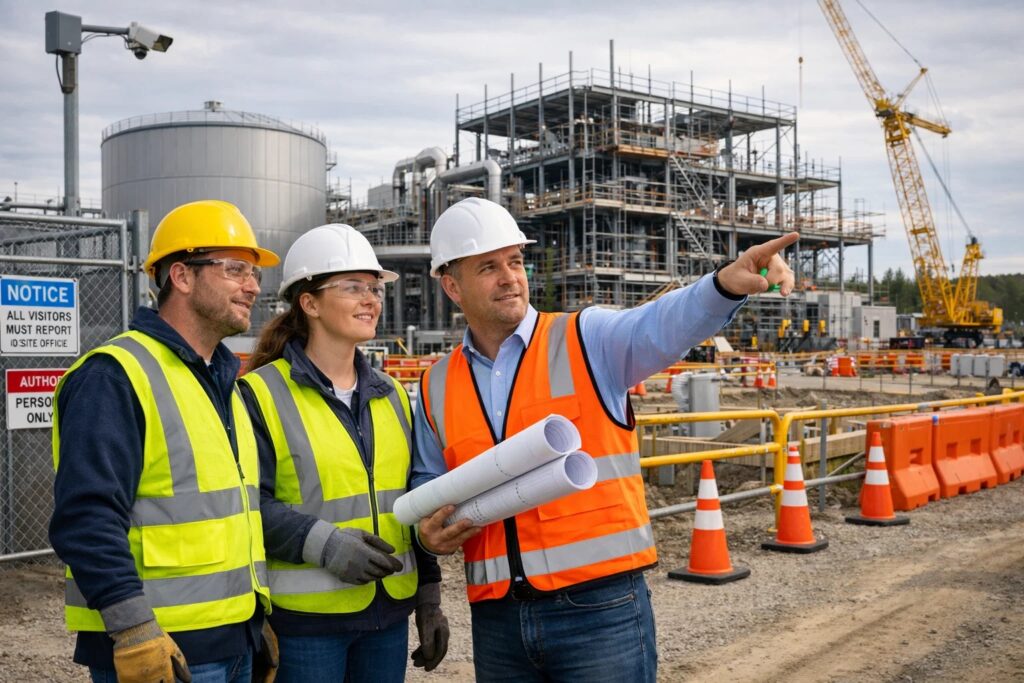
Site managers must also prioritize safety training for all personnel to prevent unauthorized entry into dangerous zones. It is a vital step for both security and legal compliance. This baseline of safety knowledge ensures that only qualified individuals interact with sensitive infrastructure during the build.
Work commences, the threat evolves, specialized protection ensures project continuity.
Access Control for Contractors
Managing the flow of hundreds of subcontractors is one of the most difficult parts of bioenergy development. Paper logbooks are no longer sufficient for projects of this scale and complexity. Digital identity verification allows managers to track exactly who is on-site and which specific zones they are permitted to enter at any given time.
Implementing advanced site protection systems, including modern access control systems such as Coram, allows for real-time monitoring of every access point across the facility while ensuring that only authorized personnel can enter sensitive zones. These systems combine biometric authentication, centralized dashboards, and detailed audit logs to give project managers full visibility and control over site access.
Protecting Critical Equipment Installation
The installation phase for biogas scrubbers or CHP units involves high-precision components that are difficult to replace. Vandalism at this stage does not just cost money; it can set a renewable energy project back by several months. Mobile surveillance towers provide 360-degree coverage of these specific installation zones.
Project managers often use the following measures to protect high-value components:
- Use GPS tracking tags on all mobile plant equipment
- Store sensitive electronics in reinforced steel containers
- Schedule just in time deliveries to minimize on-site storage
Biomass Supply Chain Integrity
Fuel supply chains represent a unique vulnerability for bioenergy sites even before the plant is operational. For instance, large stockpiles of wood pellets or agricultural waste are susceptible to both arson and moisture degradation. Securing the storage area involves more than just locks; it requires environmental monitoring to prevent spontaneous combustion in organic piles.
The threat is not merely theoretical for modern developers. As a recent industry report highlights, construction crime is rising significantly across Europe and North America. Protecting the feedstock ensures that the plant has the necessary fuel to begin commissioning tests without facing supply shortages caused by external interference.
It works, risk is lower, safety offers real value.
Managing Cyber Vulnerabilities
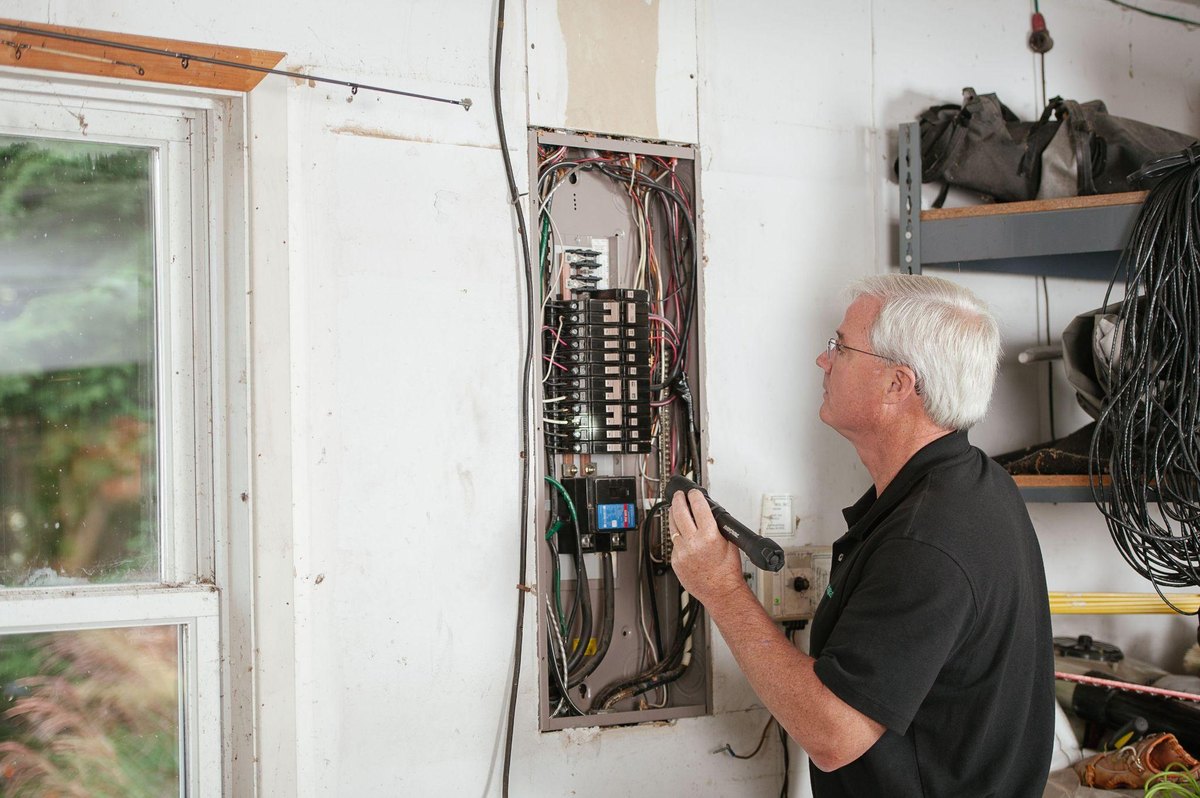
As bioenergy sites become more connected, the risk of digital sabotage increases during the commissioning phase. Connected control systems allow for remote monitoring but also provide potential entry points for hackers. Isolating the industrial control network from the site’s general Wi-Fi is a fundamental requirement for modern energy infrastructure.
Encryption protocols must be applied to all sensors and automated valves to prevent unauthorized overrides. Regular firmware updates and strict password policies for all contractors also help maintain a robust digital defense.
Environmental Compliance and Monitoring
Bioenergy projects face intense scrutiny regarding their environmental impact during construction. Security systems can double as compliance tools by recording site activities and ensuring waste is handled correctly. The resulting documentation protects the developer from heavy fines or legal challenges regarding local pollution.
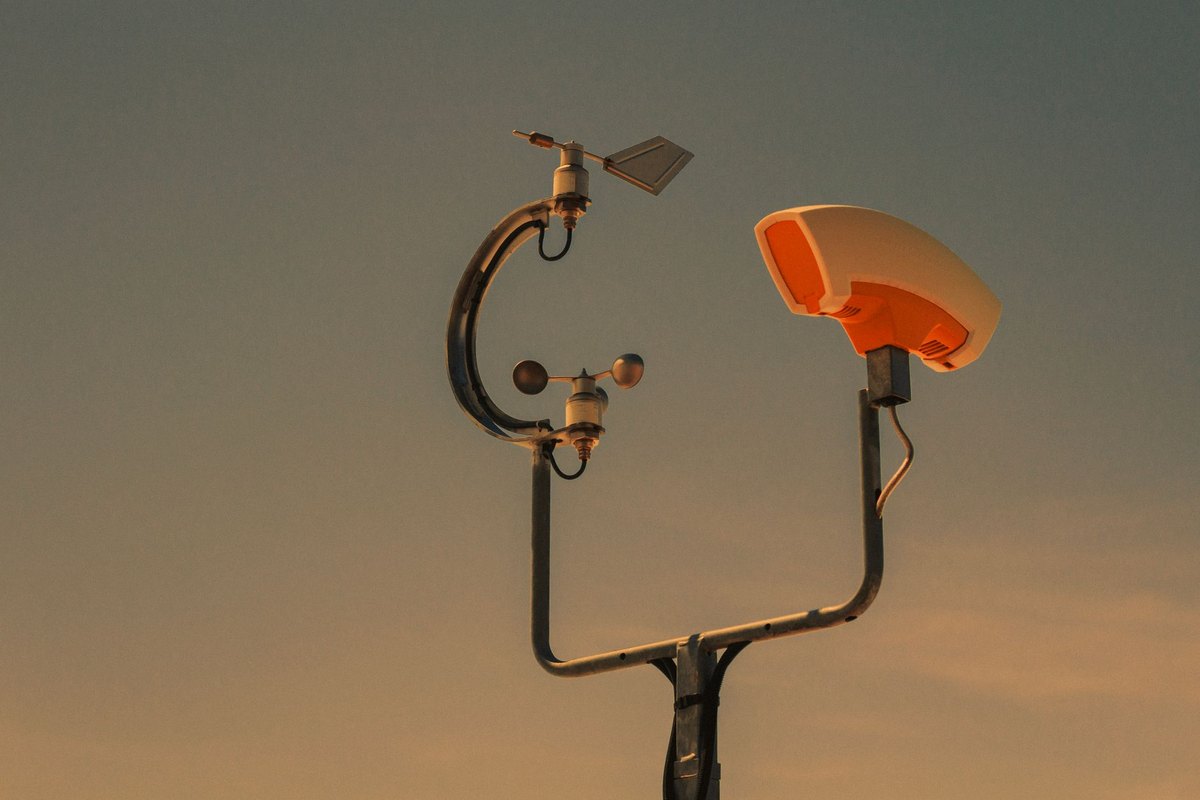
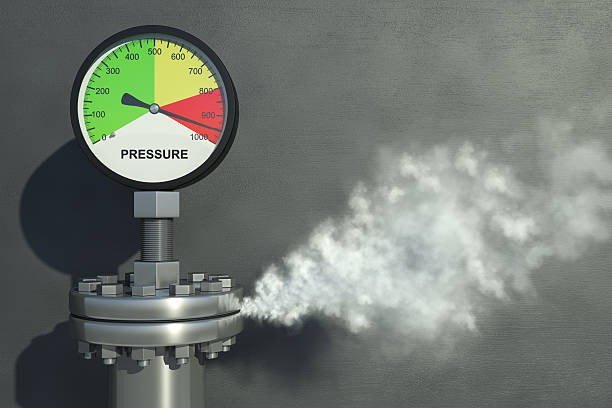
Automated sensors can detect chemical leaks or gas buildup long before they become visible to the naked eye. The extra layer of protection here goes beyond theft prevention to include environmental stewardship. Reliable monitoring ensures that the project remains in good standing with both regulators and the local community.
Fostering Positive Community Relations
Hostile local sentiment can sometimes lead to deliberate sabotage or protests that stall construction. Transparent communication about the project’s benefits and safety measures helps build a foundation of local trust. When the site is well-lit and equipped with professional signage, it signals that the project is being managed with care and respect for the surrounding area.
Watch the perimeter, local support grows, active engagement provides the best shield. And when a community feels invested in the project’s success, they are also more likely to report suspicious activity near the site.
Strengthening Your Site Infrastructure
Building a resilient bioenergy facility requires constant vigilance against shifting physical and digital threats. Integrating advanced technology with a well-trained workforce creates a defense that protects both capital and personnel. Check out our other guides for more strategies on industrial asset management.