
Bioenergy has a supply chain problem hiding inside its biggest strength: the feedstock is everywhere, but it does not always arrive where it is needed or in the condition it needs to be in. That is where WMS software comes in as a way to keep biomass, parts, packaging, and finished materials moving with fewer blind spots.
This is especially important because bioenergy is not a small side category anymore, accounting for almost 55% of renewable energy globally and more than 6% of global energy supply.
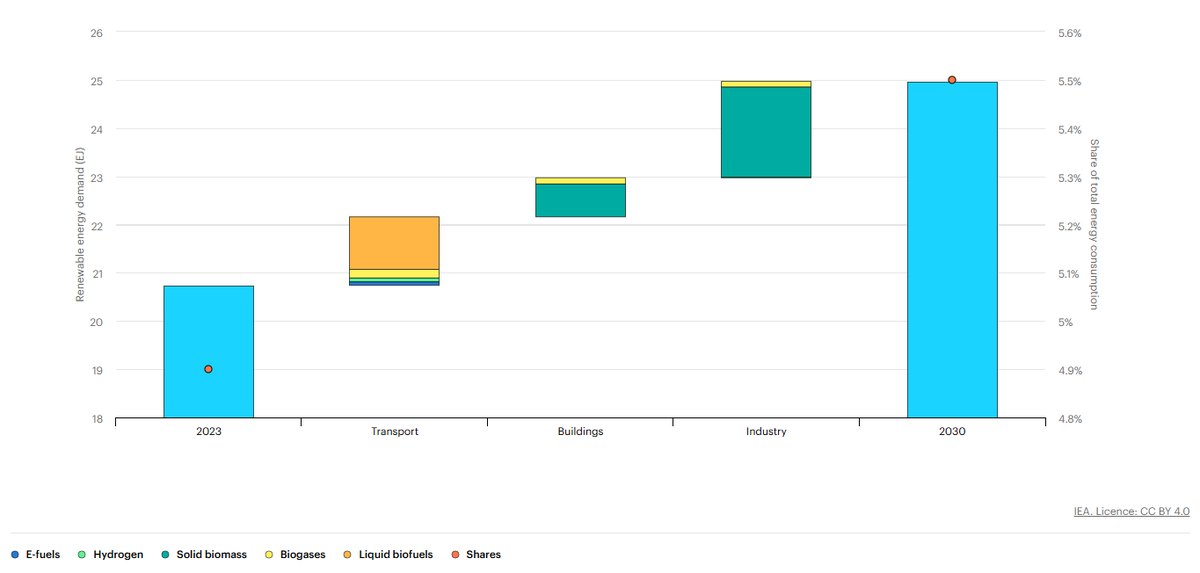
When a sector gets that large, the boring operational details become a lot less boring. Missed deliveries, excess handling, poor storage, and weak inventory visibility affect production output, fuel quality, transport costs, and ultimately the economics of the entire project.
In This Article:
Bioenergy Supply Chains Are Not Like Normal Supply Chains
A warehouse that handles packaged consumer goods can usually rely on a fairly stable product. A box of spare parts does not change much while it sits on a shelf. Biomass is different.
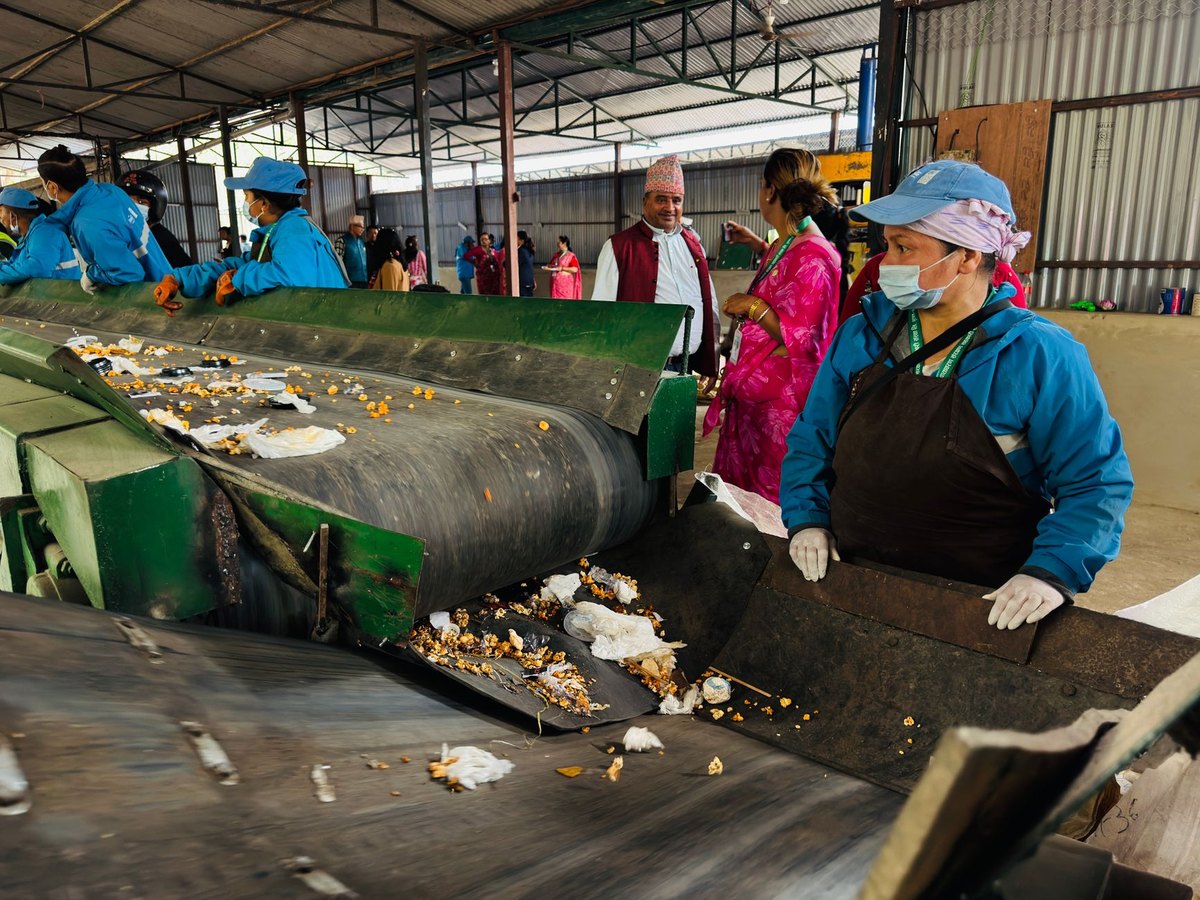
Wood chips, pellets, agricultural residues, organic waste, and other bioenergy inputs are physical materials with personality. They can be bulky, dusty, moist, uneven, seasonal, and sensitive to storage conditions. Some attract contamination, and others lose value if they sit too long or are stored in the wrong place.
The challenge usually shows up in a few places:
Feedstock arrives from many suppliers, farms, forests, or collection points.
Quality varies by moisture, particle size, contamination, and age.
Storage space is limited and often shared with parts, tools, packaging, and finished output.
Production needs a steady flow, even when the inbound supply is seasonal.
Transport costs can get ugly if the stock is in the wrong place.
A smart warehouse management system cannot make wet biomass dry or turn bad feedstock into good feedstock, but it can make the operation much better at seeing problems before they become expensive.
Visibility Is the First Real Improvement
Many bioenergy sites still depend on spreadsheets and manual counts. That can work when the operation is small, but it starts to crack when the site adds more suppliers, more storage zones, more SKUs, more trucks, or more production pressure.
The best systems create a cleaner handoff between receiving, storage, production, maintenance, and shipping. Everyone works from the same inventory picture instead of five half-updated versions of it.
Smart Equipment Makes the System Easier to Trust
Software is only as good as the data going into it. If people still have to scribble counts on paper and update the system hours later, the inventory picture will drift, which is why smart warehouse equipment also matters.
Barcode scanners, RFID tools, automated storage systems, mobile terminals, weighing systems, conveyors, sensors, and connected storage solutions can reduce the gap between what happened on the floor and what the system says happened. The more automatic the data capture, the less the operation depends on memory.
For bioenergy sites, this can be especially useful in three areas:
Incoming materials can be logged by supplier, weight, batch, inspection result, and storage location before they disappear into the yard or warehouse.
If material is moved from covered storage to preprocessing, the system records it.
Finished pellets, packaged materials, or outbound byproducts can be picked, staged, and shipped with fewer mismatches between paperwork and reality.
Better Warehouse Management Supports Better Planning
Bioenergy demand is tied to energy markets, policy, transport availability, weather, agricultural cycles, forestry operations, and local feedstock supply. No warehouse system can control those factors, but it can help planners respond with better information.
Global biomass supply reached almost 54 EJ in 2021, with solid biomass making up 85% of that supply.
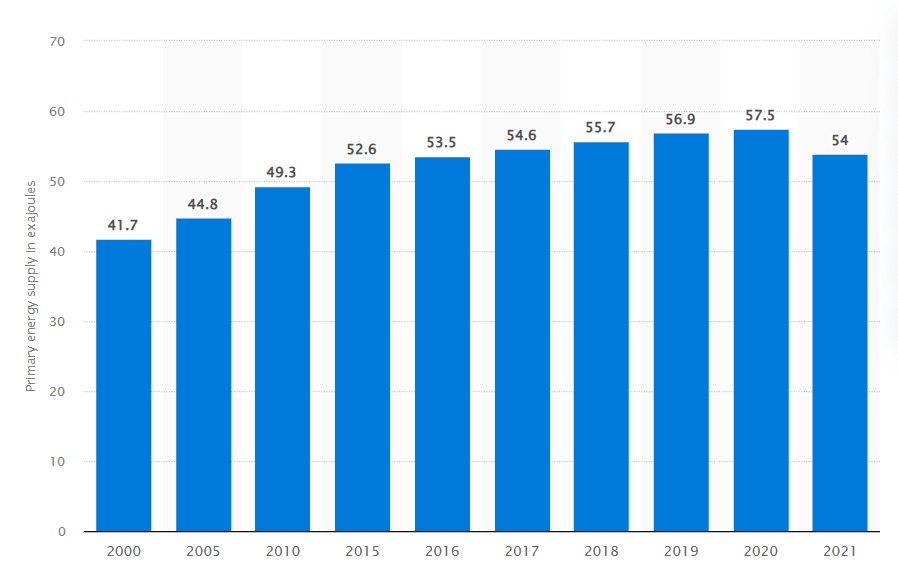
In other words, a huge share of the sector still depends on physical material that must be collected, stored, moved, and used well. That puts logistics right at the center of the conversation.
A good WMS gives managers the operating data they need to plan around reality rather than assumptions, helping them decide when to add storage capacity, change receiving hours, adjust reorder points, renegotiate supplier terms, or rethink how material flows through the site.
What A Stronger System Should Actually Do
For bioenergy operators, the best WMS setup is usually the one that fits the physical flow of the site and reflects how biomass, parts, and finished goods actually move.
At a minimum, it should help the team:
Track inbound feedstock by source, batch, weight, and quality status
Assign storage locations based on material type and handling needs
Prioritize material movement by condition and production schedule
Keep critical spare parts visible and properly stocked
Reduce manual data entry where scanners or connected tools can do the job
Give managers useful reports without burying them in dashboards
More data is not automatically better. Bioenergy teams need the right data, shown in a way that helps them act.
Why This Matters for the Future of Bioenergy
Bioenergy will keep facing pressure to prove that it is both sustainable and economically sensible. Some of that proof happens in policy, land use, emissions accounting, and feedstock sourcing, but a lot of it happens in daily operations.
Smart warehouse management systems give bioenergy operators a better grip on the physical side of the business. And in a sector built around physical materials, that grip can be the difference between a plant that is constantly chasing problems and one that runs with enough discipline to grow.