

A machine can use less fuel and still be the wrong environmental choice if it fails early, wastes material, or cannot be repaired. Building Better Equipment for a More Sustainable Future means looking beyond a single green feature.
Better equipment reduces resource use across manufacturing, operation, maintenance, and eventual retirement. The answer is not a label but equipment that delivers energy efficiency, safe output, durability, and a smaller carbon footprint over its working life.
In This Article:
What Better Equipment Actually Means
Efficiency starts long before equipment reaches a factory floor or jobsite. Motor selection, weight distribution, thermal management, and accurately fitted components determine how much energy a machine needs during ordinary operation.
Early design choices also affect how consistently that performance is maintained. Components that operate within appropriate temperature ranges and handle expected loads can reduce strain, prevent inefficient energy use, and support a longer service life.
The broader context matters. EPA emissions data shows that residential and commercial buildings account for a substantial share of U.S. emissions and electricity use, making energy-efficient machinery relevant well beyond the machine itself.
For that reason, equipment should be considered under normal working conditions rather than only during testing. A well-matched machine can maintain predictable resource use through changing loads, temperatures, and schedules.
Design for Efficiency, Not Just Compliance
Designing only for regulatory compliance sets a floor, not a meaningful performance target. Equipment built to minimum standards can still waste electricity, consume excess fuel, or require avoidable maintenance that adds to greenhouse gas emissions.
How Smarter Systems Cut Waste Daily
Smart technology gives operators a clearer view of runtime, idle periods, load patterns, and maintenance needs. That visibility prevents equipment from running without productive work and catches small problems before they become major failures.
Monitoring can also help teams identify recurring patterns, such as equipment that is oversized for a routine task or machines that remain powered on between short work periods. These details make it easier to adjust daily use without changing the work itself.
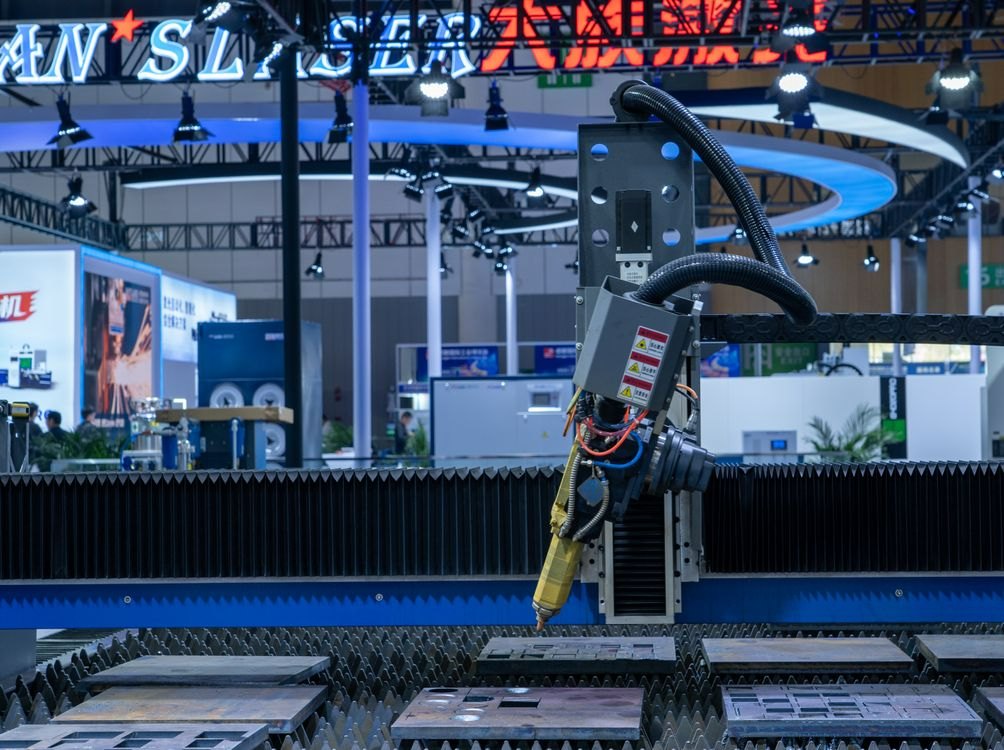
Precision manufacturing also affects daily performance. Well-made enclosures, brackets, panels, and structural parts that are laser cut, bent, and welded to spec fit together with less rework, reducing material loss and helping moving parts perform as intended.
These design decisions support waste reduction because they prevent inefficient operation rather than trying to correct it later. The same principle appears in advanced manufacturing shaping industry, where production methods and equipment design increasingly work together.
Build Equipment for a Circular Lifecycle
The circular economy changes the question from “What does this equipment cost today?” to “How long can it remain useful?” Purchase price matters, but replacement cycles, repair access, and recovery options often shape the real material burden.
Looking at the full lifecycle also makes maintenance planning more important. A machine that can be serviced at regular intervals is more likely to retain its performance than one that is used until a small issue becomes a larger failure.
Equipment lasts longer when technicians can reach common wear parts without dismantling major assemblies. Modular components, standardized fasteners, and available replacement parts turn repair into a practical option instead of making full replacement the default.
Clear documentation supports this approach as well. When service requirements and component information are easy to locate, teams can make informed repair decisions and avoid replacing equipment simply because a part is difficult to identify.
Material choices also matter. Recycled steel reduces demand for newly extracted inputs, while renewable resources can reduce dependence on finite materials in suitable components.
Those gains hold up best when the design allows parts to be separated, reused, or recycled. In turn, this supports the repair-focused approach described earlier.
Construction waste does not begin only when a building is demolished. It also grows when damaged tools, obsolete machines, and discarded equipment are treated as disposable.
Planning for refurbishment, resale, and responsible recycling reduces that loss from the outset. The connection between equipment and wider operational planning is clear in discussions of upgrading equipment and energy targets.
Sustainable systems need equipment that can be maintained, adapted, and kept in service. This lifecycle focus helps preserve both material value and useful performance.
Match Equipment Choices to Better Sites
Equipment creates its greatest value when it improves the way a site works. Prefabrication, for instance, moves repetitive cutting and assembly into controlled settings, where teams can reduce offcuts, transport mistakes, and handling damage.
Controlled production can also improve consistency by allowing materials and equipment to be used in planned sequences. As a result, crews may spend less time correcting avoidable fit issues once components reach the site.
Building Information Modeling helps project teams coordinate those decisions before work begins. A reliable model can show where materials need to go, when equipment is needed, and whether a machine’s size or capacity matches the planned sequence.
This planning helps prevent equipment from being selected solely on availability. Instead, teams can consider access constraints, lifting needs, work areas, and the order in which tasks must be completed.
Different power sources solve different problems. Electric vehicles fit routes with dependable charging and predictable travel distances, while biodiesel can support fleets that still need combustion engines for extended duty cycles.
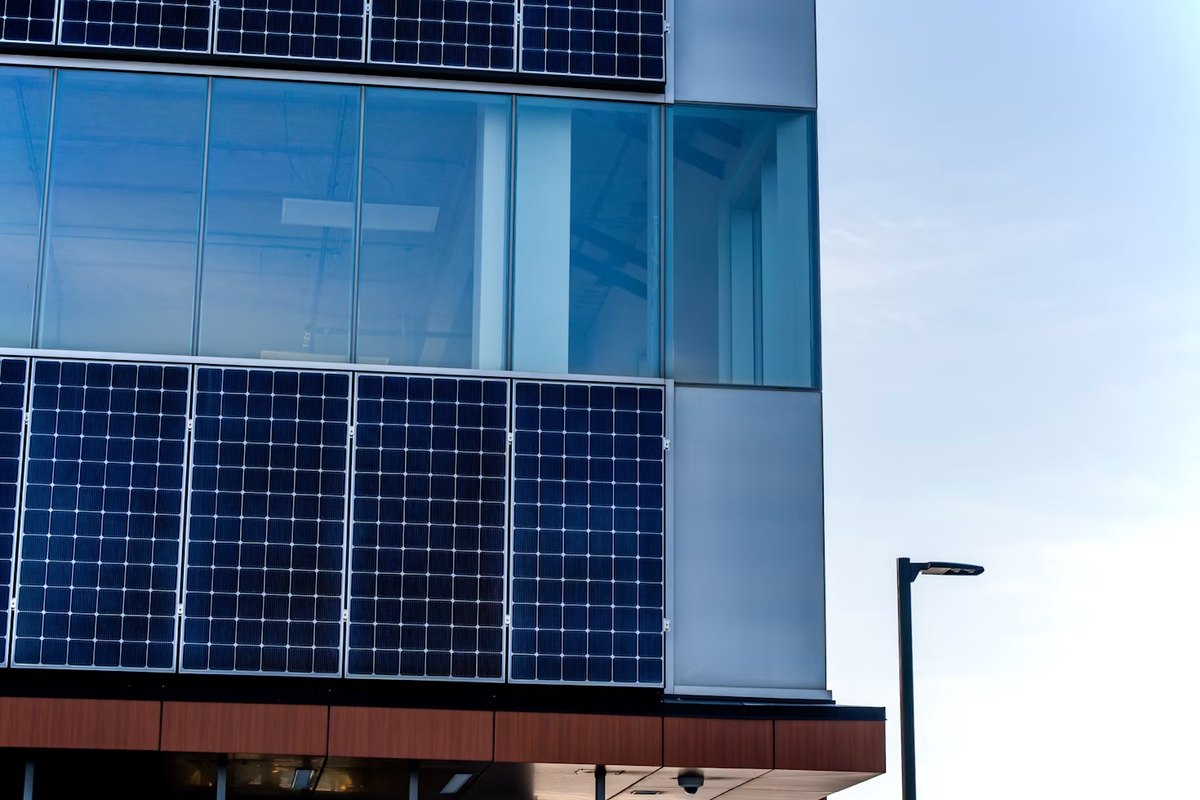
Solar-powered equipment works best for lower-load tasks or locations where portable power can offset daytime demand. Selection should follow actual duty cycle, fueling access, charging time, and site conditions rather than broad claims about which technology is greenest.
LEED, green certifications, and net-zero buildings depend on measurable results. Energy-efficient machinery supports those goals when it reduces energy use, avoids unnecessary idling, and helps crews complete work with less material handling.
Frequently Asked Questions
What Are the 5 C’s of Sustainable Development?
There is not one universal version of the five C’s. A practical construction framework uses care, community, conservation, consumption, and circularity to connect equipment choices with resource use and long-term site impact.
Together, these ideas encourage teams to consider how daily decisions affect materials, workers, nearby communities, and future maintenance needs.
What Are the 7 Principles of Sustainable Construction?
Common principles include efficient design, energy efficiency, water stewardship, waste reduction, durable construction, responsible sourcing, and healthy indoor conditions. Equipment supports these principles when it reduces rework and handles sustainable building materials carefully.
It also supports efficient design when it is suited to the intended task rather than creating unnecessary energy use or material loss during installation.
What Are 10 Ways to Be More Sustainable?
Useful actions include repairing equipment, reducing idle time, choosing efficient motors, using recycled inputs, planning maintenance, reusing components, limiting transport, preventing over-ordering, separating waste, and measuring energy use.
These actions are most effective when they are built into regular purchasing, maintenance, and site-planning decisions instead of being treated as one-time efforts.
What Can We Do for a Sustainable Future?
Organizations can make sustainability practical by matching equipment to real work, maintaining it properly, and choosing designs that remain repairable. Daily operational decisions often determine whether environmental goals hold up in practice.
Consistent attention to use, maintenance, and recovery helps turn broader sustainability targets into manageable actions across the equipment lifecycle.
The Best Equipment Is Built to Last
The best equipment is not defined by green branding or one low-emission feature. It reduces its carbon footprint through efficient manufacturing, dependable operation, repairable design, and responsible end-of-life handling.
Energy efficiency, circular economy planning, and site-specific fit work together. When those elements guide purchasing and design, equipment uses fewer resources while continuing to do its job well.