
In this article:
Quick Answer
Choosing the right professional for your home solar project in British Columbia comes down to asking the right questions. Verify their certifications, review past installations in your region, and confirm they handle permits and BC Hydro interconnection. Request detailed quotes that break down equipment, labour, and warranty coverage. A trustworthy partner will transparently discuss system performance, maintenance needs, and how net metering works in your area.
Introduction
Picture this: you’ve decided to harness the Pacific Northwest’s abundant, clear days and long summer sunlight to power your British Columbia home. The excitement of reducing electricity bills and shrinking your carbon footprint is real. Yet, as you start researching, the sheer number of companies claiming to offer the best solution can feel overwhelming.
That’s where connecting with a trusted residential solar installer becomes your most important first step. The right professional doesn’t just mount panels on your roof; they become your guide through BC’s unique incentive programs, net metering rules, and local building codes.
To help you navigate this decision with confidence, we’ve compiled seven essential questions to ask any company before you sign a contract. These queries will reveal their expertise, transparency, and commitment to delivering a system that performs for decades.
The excitement of reducing electricity bills and shrinking your carbon footprint is real. This often includes looking into PV systems as well as Solar Water Heating Products and accessories to maximize your household efficiency.
The 7 Essential Questions to Ask Your BC Solar Installer
Before you commit to any installation partner, arm yourself with these seven targeted questions. Each one reveals critical information about expertise, reliability, and long-term value. Take notes during your conversations and compare responses across multiple quotes.
1. Are You Certified and Licensed for BC Installations?
Verify that the company holds an active certification from the North American Board of Certified Energy Practitioners or equivalent. In British Columbia, installers should also be familiar with the BC Building Code, local municipal requirements, and BC Hydro’s interconnection standards. Ask to see proof of liability insurance and Workers’ Compensation coverage. A qualified professional will gladly share these credentials and explain how they apply to your specific property.
2. Can You Provide References from Recent BC Projects?
Request at least three references from homeowners in your region who completed installations within the past 18 months. When you contact them, ask about communication quality, timeline adherence, and post-installation support. Pay attention to how the system performs during BC’s varied seasons, from wet coastal winters to sunny interior summers. Real-world feedback often reveals more than marketing materials ever could.
3. What Equipment Do You Recommend and Why?
A trustworthy installer will explain their equipment choices based on your roof orientation, local climate, and energy goals. For a typical residential solar system, they should discuss panel efficiency ratings, inverter types (string versus micro), and mounting hardware suited to BC weather conditions. Consider this comparison of common panel options:
| Panel Type | Efficiency Range | Best For BC Conditions | Typical Lifespan |
| Monocrystalline | 18 to 22 percent | Low light, cloudy days | 25 to 30 years |
| Polycrystalline | 15 to 17 percent | Budget-conscious projects | 20 to 25 years |
| Thin Film | 10 to 13 percent | Flexible roof applications | 15 to 20 years |
When evaluating solar panels for house applications, prioritize products with strong degradation warranties and proven performance in Pacific Northwest climates.
4. How Do You Handle Permits and BC Hydro Interconnection?
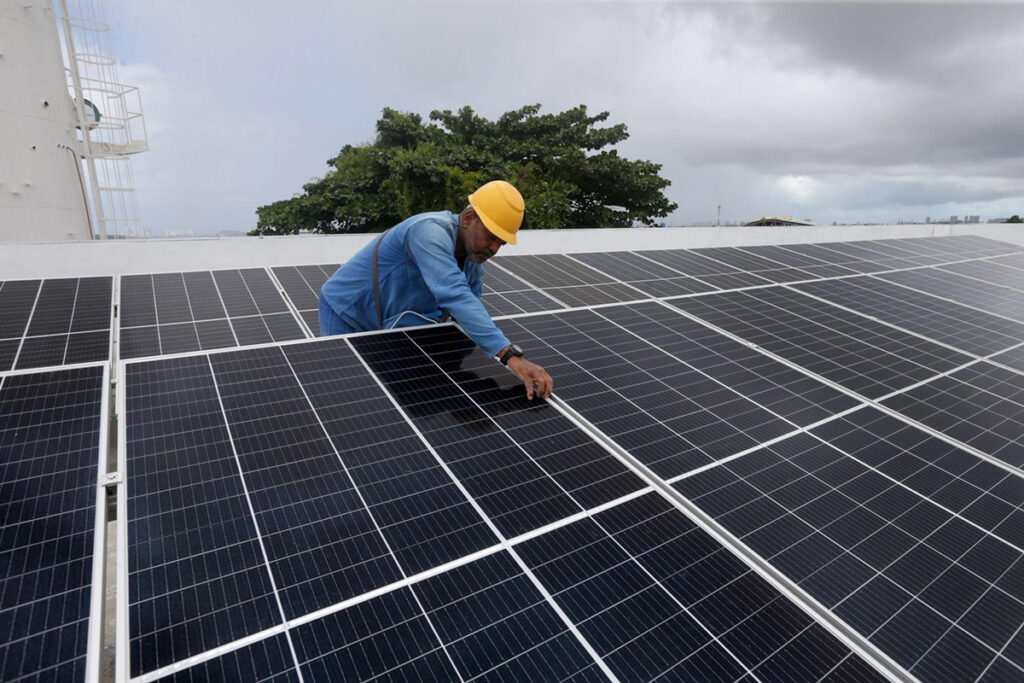
The permitting process in British Columbia involves municipal building permits, electrical permits from Technical Safety BC, and BC Hydro’s net metering application. Ask who manages each step and what timeline you can expect. A skilled team will coordinate these elements seamlessly, preventing delays that could push your installation into less sunny months. Clarify whether they handle the final inspection scheduling and system commissioning.
5. What Warranties Come With My System?
Break down warranty coverage into three categories: equipment, performance, and workmanship. Quality panels typically carry 25-year product warranties and 25-year linear performance guarantees. Inverters may have 10 to 25 years of coverage, depending on type. Most importantly, ask about the installer’s workmanship warranty, which should cover roof penetrations, wiring, and system integration for at least five to ten years. Get all warranty terms in writing before proceeding.
6. How Will Net Metering Work for My Property?
BC Hydro’s net metering program allows you to send excess solar energy for home use back to the grid and draw power when needed. Ask your installer to model your expected production versus consumption across seasons. Request a clear explanation of credit calculations, annual true-ups, and any rate changes that could affect your savings. Understanding this flow helps you size your system appropriately without over- or under-investing.
7. What Is the Full Project Timeline and Payment Schedule?
A transparent quote includes a phased timeline: site assessment, design approval, permitting, equipment delivery, installation, inspection, and activation. Typical residential projects in BC take six to twelve weeks from contract to commissioning. Payment schedules should align with completed milestones, with a modest deposit upfront and final payment only after BC Hydro approves interconnection. Avoid companies demanding full payment before installation begins.
For homeowners researching local options, resources like 604 Go Solar can provide helpful context about regional installation practices, though always verify details directly with your chosen provider.
Conclusion and Final Takeaways
Choosing the right professional for your home solar journey in British Columbia is an investment in your property, your finances, and your environmental legacy. By asking the seven essential questions outlined above, you equip yourself with the clarity needed to move forward confidently.
Remember these core principles as you finalize your decision:
- Prioritize transparency over the lowest price; quality installation pays dividends for decades
- Verify credentials and local experience specific to BC’s climate and regulations
- Understand your warranty coverage and net metering details before signing
- Maintain open communication with your installer throughout the project lifecycle