

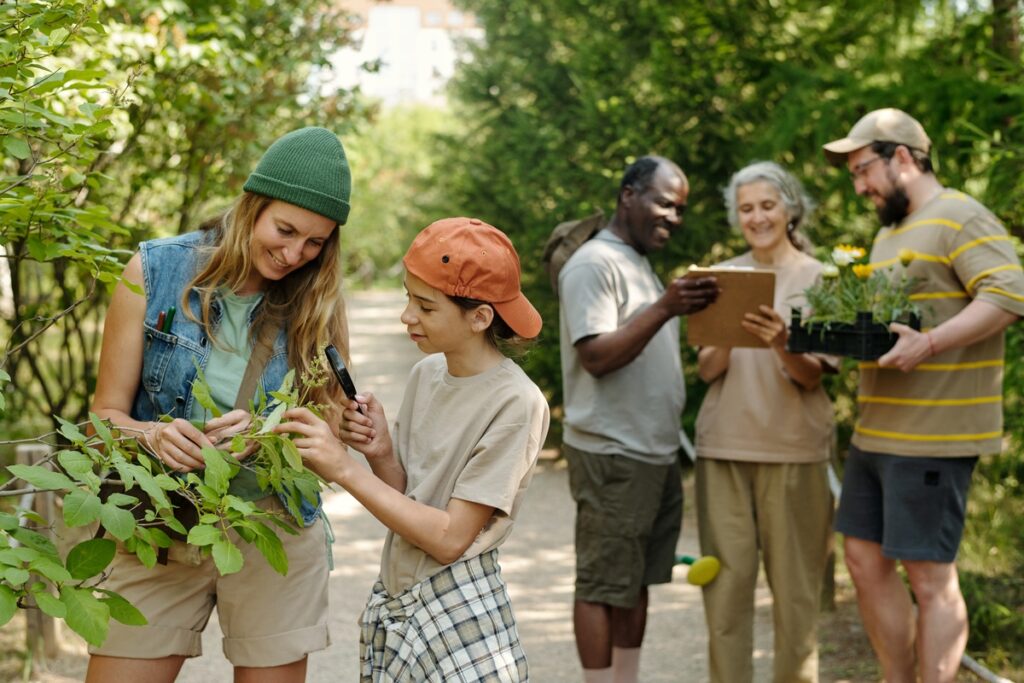
News highlights heat waves, shrinking forests, and plastic on far coasts. Many learners hear such reports and worry about the planet’s future. That concern belongs to ecology, the science of links among life and shared places. Early in school, teachers search for clear science research topics that use real evidence. Ecology supplies that chance by turning big ideas into scenes near home. Balance, scarcity, and adaptation become visible in simple acts and nearby parks. Sorting cafeteria waste shows choices shaping streams and soils beyond the fence. Counting birds on the playground reveals how shelter and water support a flock. Short activities turn abstract talk into patterns that learners can test and share. The central question for schools is the placement of dedicated Ecology Lessons in schedules. This piece explains reasons, likely hurdles, and smart ways to fit the topic.
Thoughtful planning helps add fresh study without squeezing out other needed subjects. By rooting lessons in daily life, classes see cause and effect with clarity. When evidence meets experience, interest rises and memory strengthens over long months. With steady practice, classes gain skills that help both people and places. Small wins stack up and help learners see the progress they made together. A clear purpose keeps attention steady during shorter, well-planned field moments.
The Growing Need for Ecological Literacy
Climate alerts no longer feel distant since records fall and storms grow stronger. Animal ranges shift while seasons wobble, which feels strange to young minds. Without help, those changes appear random and tough for children to read. Ecological literacy offers a map that shows how parts fit and move. When learners study food webs, energy paths, and human impact, patterns emerge. Reports from national science groups note gains in critical thought and civic care. Regular ecology work also appears to build empathy and calm school spaces. Children who learn outdoors report fewer problems during hikes and garden time. Learners respect rules like staying on paths because they understand their purpose. Care flows home when families join cleanups that turn lessons into shared service. In time, small habits guide choices on water use, transit, and local parks. Since voting shapes policy for rivers, forests, and coasts, an early study pays off. By treating ecology as core knowledge, schools prepare citizens ready for wise choices. Teachers confirm calmer groups when routines for outdoor study become regular practice. Families report dinner talks about frogs, rain patterns, and nearby trees.
Linking Classroom Topics to Real Life
Some staff fear ecology will push aside other fields and drain time. In truth, the theme blends cleanly with math, art, and grade eight social science. When classes study migration for fertile soil, they discuss rain and rivers. Lessons on ancient states grow richer by tracing how tree loss hurts farms. Graph projects that track rising carbon dioxide meet math aims within one hour. Art finds space when learners build collages from leaves gathered near the school. Visits to a recycling plant reveal money flows and choices that cut waste. Students can price metal scrap and compare values across weeks and months. Short, local projects keep interest high because they match daily routines. Learners link new facts to bus rides, backyards, and family gardens at home. Motivation increases as results feel real and worth repeating with friends. Retention improves without stacks of worksheets or late nights with drills. Cooking classes can test energy use by comparing ovens, stoves, and microwaves.
How Ecology Lessons Spark Curiosity
Curious minds drive their own growth, and ecology feeds that drive well. Children rarely need coaxing to lift a stone or count squirrels in parks. They need prompts that help them pose small, useful, and testable ideas. Asking why mushrooms spread after rain leads to notes on moisture and decay. Learners log sightings for two weeks and compare days with sun or shade. Each simple finding builds trust in evidence and honest inquiry by groups. Movement outdoors eases restless bodies after long stretches of desk work. Sharing results grows vocabulary because terms match things students have seen. Words like habitat, biodiversity, and nutrient cycle gain meaning through use. Shy learners can sketch, photograph, and label scenes to express strong ideas. Shared curiosity crosses languages and cultures and turns the yard into a lab.
Building a Sustainable School Culture
Ecology Lessons do more than fill pages; they can reshape daily habits. Leaders set a steady tone by inviting learners to audit resource use. Students count the lights left on at lunch and measure the water from the taps. Cafeteria waste gets weighed, sorted, and charted over a careful month. Their records reveal easy fixes like timers and reusable forks or trays. Because students gathered the numbers, they promote the steps with pride. Reminder signs appear near switches while graphs hang in busy hallways. Teachers support by printing double-sided or holding a paper-free Friday. Custodial teams notice cleaner grounds as litter declines across the term. Over time, the school’s identity includes gardens, solar panels, and native beds. Former students return and see the changes and feel proud of their part. Since routines carry the effort, progress lasts longer than any single event. Community partners sometimes donate mulch, seedlings, and rain barrels for projects.
Ecology Across the Curriculum
Clear examples of blending appear in schools with small or large enrollments. At Harmony Primary, teams linked river health to reading, math, and music. One group read a folk tale about a fisher who honored clean water. Math groups computed pH averages from simple samples collected during nearby trips. The choir shaped tunes that echoed frog calls from local marshes. A rich web formed as each subject added a fresh view on rivers. Older grades can pair ecology with sports science on shaded fields. Learners can measure how tree shade cools turf during hot practice days. Language classes might assign nature hunts that label plants in two tongues. Knowledge from one hour supports the next and builds a thread. Lessons feel connected rather than scattered across separate and distant bins. Art rooms might build puppets that teach wetland care to younger grades.
What Students Really Learn
Caregivers ask what ecology brings beyond sorting plastic and paper at lunch. The gains cover knowledge, skills, and steady growth in character over time. Learners spot local species, trace food chains, and explain water and carbon cycles. They also build skills with data logs, graphs, and clear talks for peers. They weigh claims with care, a key habit in feeds that spread rumors. Service projects nurture patience, teamwork, and care for life without a voice. These lessons feel practical because they guide choices made every single day. Students may bike to school or pack meals in containers that last. Over months, learners internalize limits and see ripples from each small act. When that idea takes root, other subjects about resources become easier to grasp. History and economics gain clarity because connections appear across shared themes.
Exploring Careers and Further Study
Middle school offers a fine time to explore paths that connect with nature. After field days, many learners search for courses that lead to outdoor work. They find wide options ranging from wildlife care to city planning roles. Guest talks widen views and show how science links with public service. A city arborist shares how shade trees lower street heat during summer. Lab visits reveal microbiologists who help keep drinking water safe for towns. Online talks feature analysts who turn satellite images into clear deforestation maps. Career links give purpose to algebra, coding, and writing that once felt abstract. Learners see grants won by strong writing and parks designed with careful math. Students who never saw themselves as science types still recognize their place. They care about local places and want skills that protect them with care. Field mentors can guide safe gear use and sampling steps.
Tips for Teachers and Administrators
Adding Ecology Lessons does not demand fancy gear or long planning cycles. Begin with one weekly class outside, even if it is only the courtyard. Use simple tools like clipboards, a thermometer, and a phone camera for notes. Rotate roles so each learner serves as data captain for a day. Partner with parks or nonprofits to gain free guides and nearby mentors. Keep checks light and real; journals, posters, and short clips show gains. Leaders can support by aligning schedules with daylight during cooler months. Recognize efforts during meetings and celebrate class wins during assemblies. Share dashboards that track waste, water, and species counts across the term, post small wins where everyone can see the steps, and add new ideas. When ecology becomes routine, schools stop asking if it belongs and start building further.