
Disaster-prone communities often live with the constant threat of uncertainty. From hurricanes and floods to wildfires and earthquakes, these events don’t just disrupt lives—they destroy critical infrastructure. Among the first systems to go down is the power grid. Without electricity, hospitals can’t function fully, communications break down, and basic survival becomes even harder. As climate change intensifies, disasters are hitting harder and more often. Communities need solutions that aren’t just reactive but resilient. This is where renewable energy steps in—not as a future luxury but as a present-day lifeline. More than a clean alternative, renewable energy can be the backbone of recovery and long-term resilience.
Here’s how.
In this article:
1. Why Disaster Management Professionals Should Care
The conversation around renewable energy often leans heavily on science and technology. But the planning and application of energy solutions in disaster scenarios require more than engineering knowledge. Public health and safety professionals, especially those with a Master of Public Health (MPH) in Disaster Management, bring a unique perspective to the table.
These professionals understand how energy connects to health outcomes, logistics, and emergency operations. They play a key role in ensuring that energy systems are placed where they’re needed most—schools, clinics, evacuation centers. The expertise of those with an MPH in disaster management, in particular, allows them to assess risks and develop strategic plans that integrate renewable power into broader disaster response frameworks. When decisions are informed by both environmental data and public health insight, the results are stronger, safer communities.
2. The Power of Localized Solutions
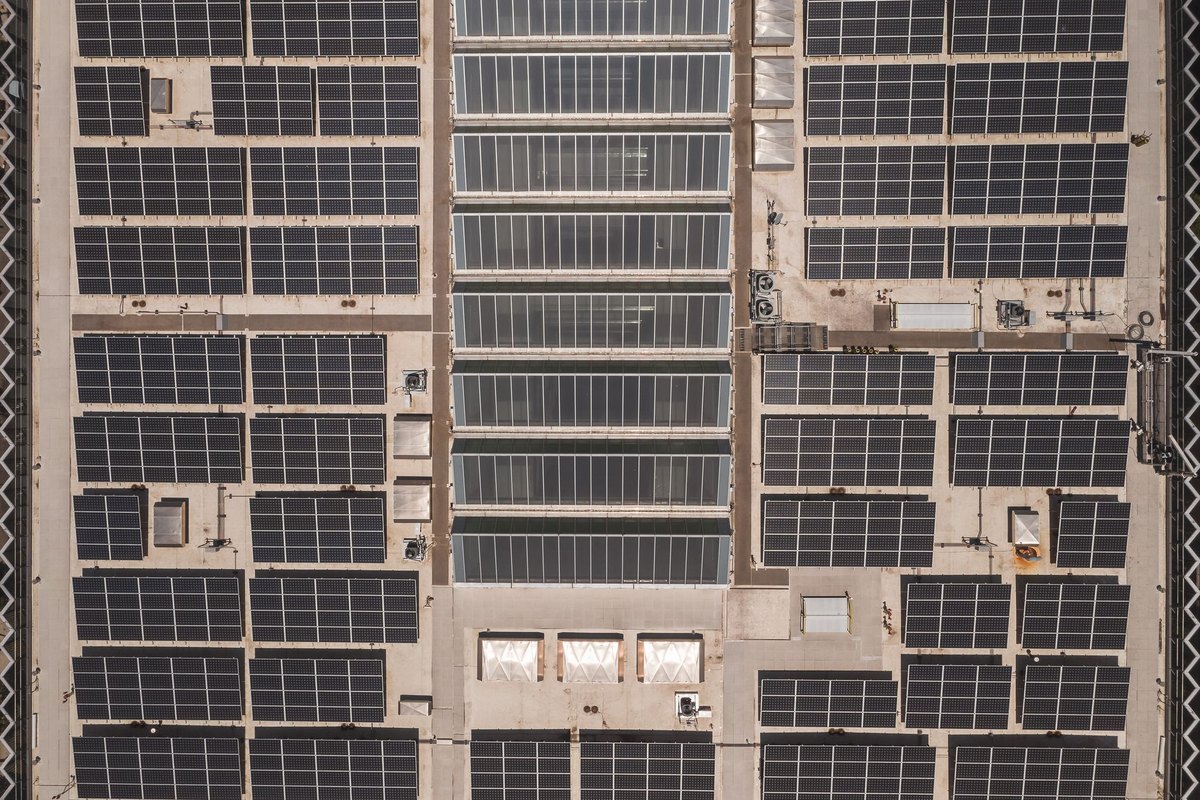
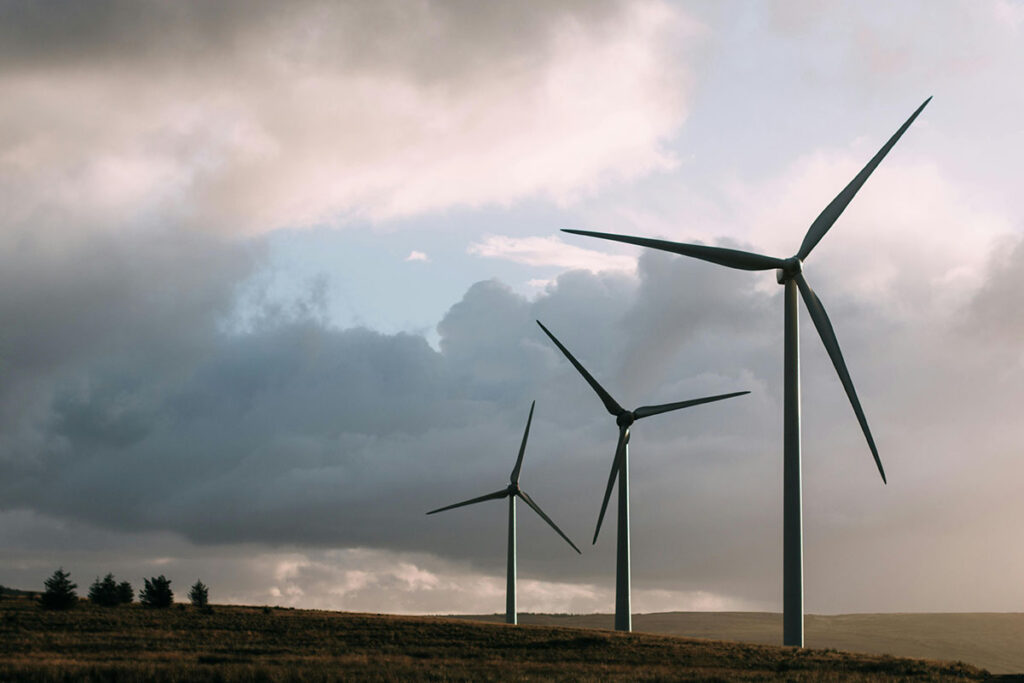
One of the most powerful aspects of renewable energy is that it doesn’t have to rely on centralized systems. Traditional electricity grids span cities, states, and sometimes national borders. When disaster hits, any disruption in one part of the system can cause widespread outages. Renewable systems like solar panels and wind turbines can be installed right where they’re needed—on rooftops, in community centers, or near water stations.
These localized solutions don’t just keep the lights on; they support essential services during the most critical times. A single solar-powered clinic can deliver urgent medical care when nearby hospitals are unreachable. Microgrids can keep refrigerators running in food banks or shelters.
3. Faster Recovery After the Storm
In the aftermath of a natural disaster, time matters. Roads may be blocked, communication lines may be down, and outside help can take days to arrive. When communities have access to their own renewable energy sources, they don’t have to wait. Solar-powered shelters can provide lighting, run fans or heaters, and allow people to charge phones or medical devices. Water pumps powered by solar or wind can restore access to clean drinking water before utility crews even reach the area.
This speed can dramatically change how a community recovers. Instead of waiting in long lines for fuel or relying on overwhelmed relief services, people can stay in place, take care of each other, and begin rebuilding right away.
4. Clean Energy, Clean Air, Healthier Communities
Disasters often degrade air quality. Wildfires fill the air with smoke and ash. Floods create mold and pollutants. In these conditions, the last thing a community needs is to add diesel fumes from emergency generators. Yet that’s what usually happens. Fossil fuel generators, though effective, contribute to respiratory problems and carbon emissions.
Renewable systems don’t pollute the air. Solar panels, wind turbines, and battery storage systems run quietly and cleanly. This makes them especially valuable in crowded shelters or medically vulnerable neighborhoods. Cleaner energy leads to cleaner air, which in turn supports faster recovery and protects long-term health.
5. Empowerment Through Energy Independence
When a community can generate its own energy, it becomes more self-reliant. This isn’t just about surviving a blackout. It’s about gaining control. Local renewable energy allows neighborhoods to prioritize their own needs and manage their resources. People learn how to maintain the systems, monitor usage, and make decisions about how to allocate energy during a crisis.
Energy independence also shifts power—literally and figuratively—back into the hands of the community. It reduces dependence on slow-moving utilities and brings resilience to places that have often been overlooked or underserved.
6. Cost-Effective in the Long Run
The first question often asked about renewable energy is: how much does it cost? The upfront investment can be substantial, especially for solar panels, wind turbines, and battery storage. But the long-term savings make these systems a smart financial move, particularly in disaster-prone areas where outages and recovery costs are frequent.
Every time a natural disaster damages centralized power lines or transformers, the cost of repair adds up—not to mention the economic losses from homes and businesses sitting idle without power. Renewable systems don’t eliminate those risks completely, but they reduce them significantly. A community that maintains its own microgrid or solar power system can avoid repeated costs and shorten downtime.
7. Education and Community Engagement
No energy system works without people behind it. For renewable energy to thrive in disaster-prone communities, local residents need to be part of the process from the beginning. Community buy-in helps avoid resistance, builds trust, and ensures the systems are used and maintained properly.
Educational programs and hands-on training are key. When people understand how solar panels work or how to store backup power, they take more ownership. Schools can incorporate energy education into their curriculum. Local technicians can be trained to install and repair systems. Community energy cooperatives are also a growing trend, allowing groups of residents to jointly manage and benefit from renewable energy projects. Informed communities become confident communities—ready not only to use these systems but to advocate for them.
8. Policy and Government Support Are Crucial
Renewable energy adoption doesn’t happen in a vacuum. It relies heavily on policy and leadership. Governments at all levels play a role in determining what kind of energy gets built and where. In disaster-prone areas, public policy can either accelerate or delay renewable energy solutions.
Zoning laws, building codes, and utility regulations all affect how easy it is to implement clean energy systems. When these policies are outdated or overly complex, they can block progress. On the other hand, clear guidelines, tax credits, and emergency preparedness programs that incorporate renewable power make it easier for communities to adapt.
The future of disaster resilience lies in energy that is clean, local, and accessible. Renewable energy offers more than power—it offers control, safety, and dignity. It supports faster recovery, healthier air, lower long-term costs, and stronger communities. It helps shift the narrative from helplessness to preparedness, from vulnerability to strength. For disaster-prone areas, the choice is no longer just about going green. It’s about survival, equity, and creating a future that can withstand whatever comes next.