
The shift toward cleaner energy depends on more than wind turbines, solar parks, and advanced fuels. It also depends on the less visible systems that protect materials, stabilize supply chains, and keep sensitive products at the right temperature from production to delivery. Cold chain capacity has become a strategic issue across energy, life science, food security, and industrial development, especially as more regions invest in low-emission growth and stronger domestic production.
This matters because modern energy and bio-based value chains are tightly linked to logistics. Enzymes, biological inputs, testing materials, and temperature-sensitive components often move through multiple stages before they reach a refinery, research facility, or export terminal. If storage conditions fail at any point, quality drops, waste rises, and costs increase. That makes infrastructure planning a central part of sustainability rather than a side issue.
In This Article:
Cold storage as a hidden driver of progress
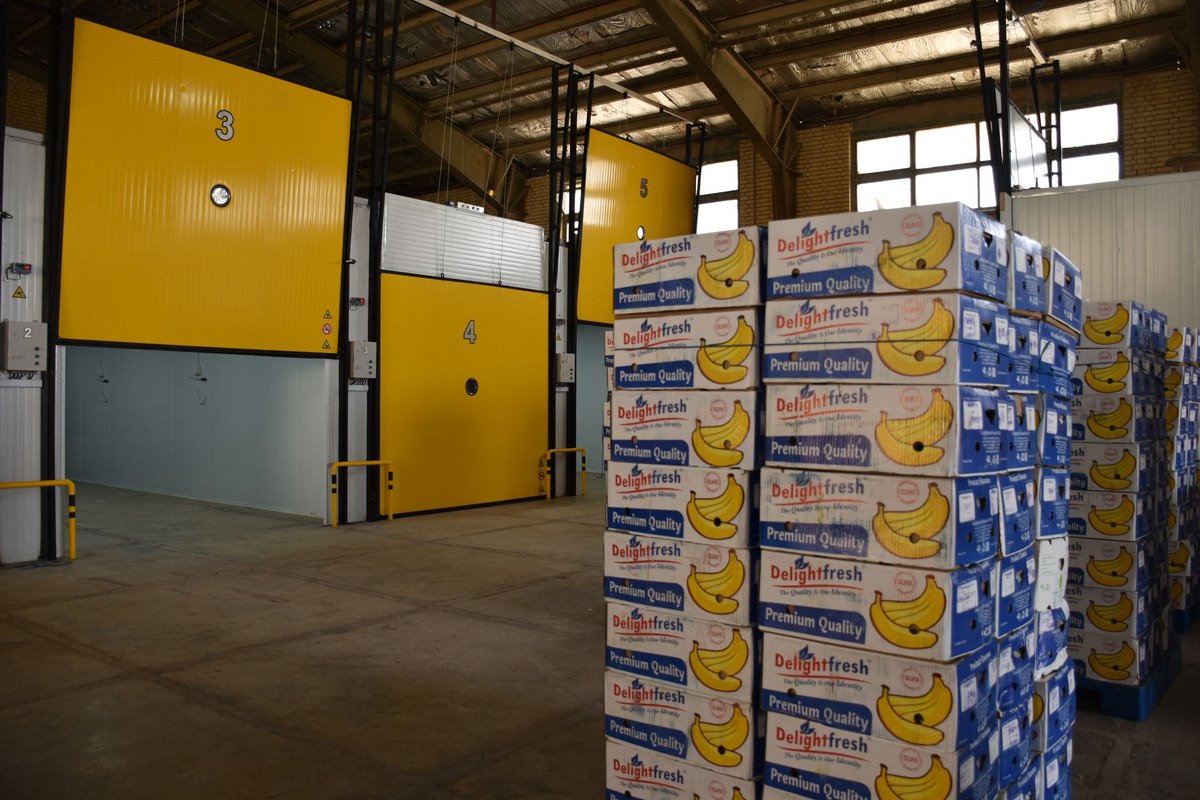
In public debate, infrastructure often brings to mind roads, ports, and power lines. Yet temperature-controlled facilities deserve equal attention. They support sectors that rely on precision, consistency, and traceability. In bioenergy and related fields, these factors shape whether innovation scales smoothly or stalls under practical constraints.
A modern cold chain should do more than keep products frozen or chilled. It should reduce energy loss, support flexible operations, and integrate with broader site planning. That is where ULT infrastructure enters the picture as a useful reference point in discussions about robust, future-ready facilities. When ultra-low temperature capacity is designed with efficiency and reliability in mind, operators gain a stronger foundation for research, manufacturing, and distribution.
The connection between energy use and storage design
Temperature-controlled sites consume substantial power, so design choices carry both financial and environmental weight. Older systems often struggle with uneven performance, high maintenance needs, and limited scalability. Newer approaches should address these weaknesses from the start through better insulation, smarter controls, and layouts that support smoother workflows.
This is especially relevant as companies and public institutions try to cut emissions without compromising operational standards. A facility that wastes energy every hour undermines wider climate goals. By contrast, a well-planned storage environment should help reduce losses across the chain. It should also support backup readiness, which has become more important as weather risks, grid pressure, and geopolitical uncertainty affect supply reliability.
Why resilience now matters as much as efficiency
Efficiency remains essential, but resilience has moved to the top of the agenda. Businesses no longer plan only for average conditions. They plan for disruption. That includes transport delays, power fluctuations, sudden demand shifts, and stricter quality requirements from regulators and customers alike.
Cold infrastructure should therefore be evaluated as a long-term strategic asset. It supports continuity when conditions change quickly, and it allows organizations to respond without sacrificing product integrity. For sectors connected to biological materials and clean technology, that capability should be seen as a competitive advantage rather than a technical detail.
A practical path forward
As investment in sustainable production grows, decision-makers should treat cold chain systems as part of the core infrastructure behind innovation. Better storage design will not solve every challenge in the energy transition, but it will remove a major source of friction. That creates room for cleaner processes, stronger supply security, and more dependable growth.
The next phase of low-emission development will depend on practical systems that work every day, under pressure, and at scale. Reliable cold chains belong firmly in that category.