
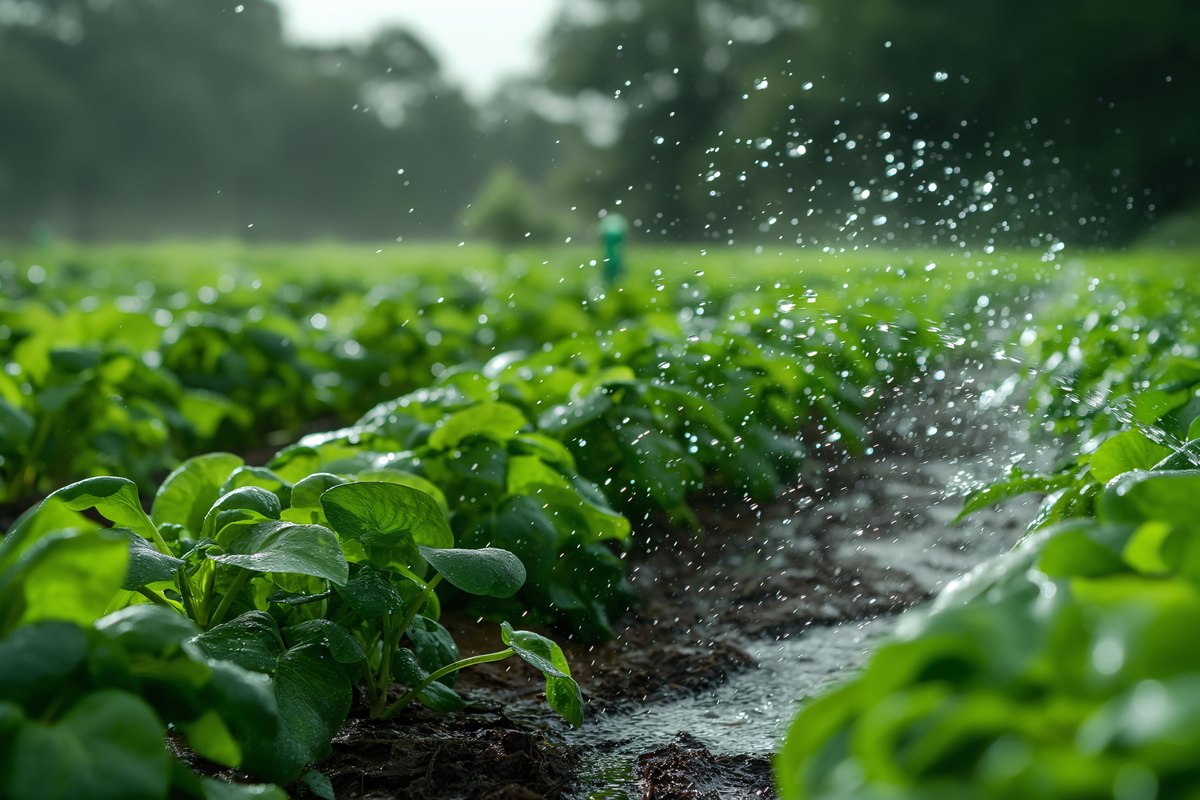
There’s a neatness to fertigation that makes it easy to like. Water is already moving through the field, so why not send nutrients with it?
On paper, the logic is hard to argue with. Fewer fertilizer passes. Smaller doses. Less waiting for the right field conditions. More control over when a crop gets fed.
The trouble is that irrigation systems aren’t as even as they look from the pump house. Neither are soils, root zones, weather patterns, or the people running the schedule. When fertilizer enters the line, every weak point in the irrigation setup starts carrying more weight.
Fertigation can be a cleaner way to feed a crop. It can also move nutrients past the roots faster than a broadcast spreader ever could.
In This Article:
Smaller doses only help when the timing is right
A conventional fertilizer program often asks a grower to make a few big decisions early. Apply a base rate before planting, come back with a side-dress later, then hope the crop, soil moisture, and weather cooperate.
Fertigation breaks that decision into smaller pieces. A grower might feed tomatoes, peppers, berries, or orchard trees several times during the season instead of placing most of the nutrients in the field at once. Products such as ICL water-soluble fertilizers are designed to dissolve and move through irrigation equipment, which matters when a few grains of undissolved material can become hundreds of blocked emitters.
That ability to feed little and often is the main environmental argument for fertigation. Plants don’t need the same amount of nitrogen in week two that they need during heavy leaf growth or fruit development. When the dose follows the crop, there’s less fertilizer sitting unused in the soil during a storm or a long irrigation cycle.
But “small and frequent” can become a slogan rather than a practice. Some farms simply divide the old seasonal total into weekly injections without checking whether the crop is using it. By late summer, the schedule may still be running even though growth has slowed, roots are stressed, or harvest is close.
The calendar shouldn’t be in charge. Crop stage, soil moisture, recent rain, tissue tests, and the amount already applied should have more say than the fact that Tuesday is usually fertilizer day.
A grower who skips an injection after two inches of rain may be managing nutrients better than one who follows a precise schedule without looking outside.
The injector isn’t the most important part
Fertigation systems are often discussed as though the injector creates precision. It doesn’t. It creates a measured concentration at one point in the line.
What happens after that is mostly an irrigation question.
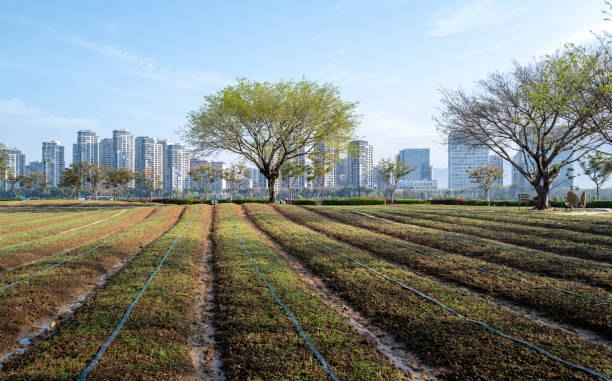
Consider a block with drip tape running down a slight slope. The rows near the inlet receive strong pressure. A few lines at the bottom stay wet longer. Several emitters at the far edge are partly blocked. The injector may be working perfectly, yet plants in different parts of the field are getting different amounts of water and fertilizer.
The usual response is to look at the crop. Pale leaves appear in one corner, so the fertilizer rate goes up. That may help the underfed plants, but it also increases the dose everywhere else. An irrigation fault has now been treated as a fertility problem.
A basic catch-can or emitter-output test is more useful than another adjustment to the controller. Collect water from several points in the zone for the same amount of time. Use emitters near the inlet, halfway down the run, and at the far end. The volumes don’t need to be identical, but large differences deserve attention before fertilizer is added.
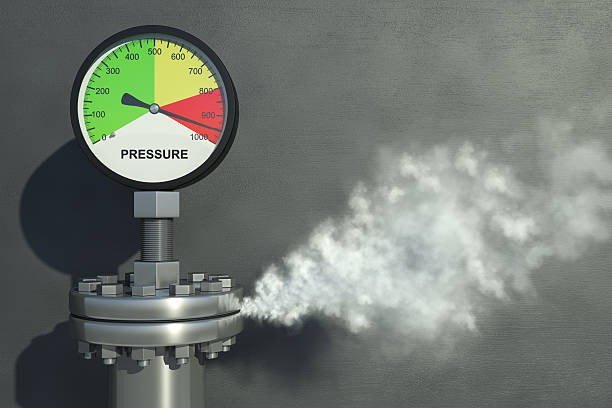
Pressure gauges tell part of the story. Filters, flushed lines, emitter condition, slope, and run length tell the rest. Guidance from Agriculture Victoria on managing fertigation in drip systems also stresses the need to bring the system to full pressure before injection and leave enough time afterward to clear the lines.
That last step is easy to get wrong. Start injecting too soon, and the first part of the field receives a different mix. Stop irrigation too quickly, and fertilizer remains in the lines. Flush for too long, especially on sandy ground, and the nutrients may be pushed below the roots.
None of this is especially glamorous. It’s maintenance, timing, and knowing how long water takes to travel through a real system rather than the system shown on the plan.
The biggest losses often happen below the surface
Runoff gets most of the attention because it’s visible. Muddy water leaves a field, crosses a track, or enters a ditch. Leaching is quieter.
Nitrate dissolves easily and moves with water. When irrigation exceeds what the soil and crop can hold, nitrate can travel below the active root zone. A field may look clean from the road while nutrients are moving downward toward groundwater.
The risk changes from one field to another. Coarse, sandy soils drain quickly and leave little room for a long irrigation set. Shallow-rooted crops have less soil to work with. A recent storm may have already filled much of the profile before the pump starts. In cracked clay, water can bypass the upper soil and move through channels faster than expected.
The US Environmental Protection Agency’s guidance on nutrient pollution from agriculture points to four decisions that shape nutrient loss: the amount applied, the timing, the method, and the placement. Fertigation can improve all four, but it can also magnify a poor choice because the nutrient follows the water so efficiently.
Once nitrogen or phosphorus reaches streams and lakes, the problem changes scale. Extra nutrients can encourage heavy algal growth, reduce oxygen in the water, and put pressure on fish and other aquatic life. The effects described in Global Bioenergy’s overview of the freshwater biome begin far beyond the pump, but farm nutrient losses are one route into those systems.
There’s also a more immediate risk at the irrigation site. Without working backflow protection, fertilizer solution can move toward the water source when pressure drops. A loose hose or failed fitting can spill concentrated solution beside a wellhead. A tank mixed with incompatible products can produce sediment that blocks filters and emitters before anyone notices.
The best environmental safeguard isn’t a label on the fertilizer bag. It’s a system that assumes something will eventually clog, leak, settle, or be miscalculated and makes those failures easy to spot.
A good routine beats a clever setup
Well-run fertigation usually looks boring. Someone checks the weather. Someone knows how much water the zone will apply. The fertilizer amount is written down. The tank level is watched during injection. Pressure and flow are checked before the operator walks away.
The order of mixing matters. So does concentration. Adding more product to a smaller tank may save refill time, but it can push the solution past what will remain dissolved. Warm water in the shed and cooler water entering the line can behave differently as well.
Records don’t need to become an office project. A useful fertigation log can fit on one page:
field or irrigation zone;date and crop stage;fertilizer product and amount;irrigation start time;injection start and stop times;flushing time;rainfall since the previous application;pressure, flow, or clogging problems.
Those notes become valuable when something looks wrong three weeks later. Without them, people tend to remember the planned rate rather than the amount that was actually applied.
Fertigation also shouldn’t carry the whole burden of pollution control. Buffer strips, sensible drainage, cover crops, careful storage, and avoiding applications before heavy rain still matter. As Global Bioenergy’s guide to water pollution control makes clear, keeping pollutants out of water is usually simpler than trying to remove them after they spread.
The point isn’t to make every farm more complicated. It’s to stop treating the injector as the start and end of nutrient management.
Wrap-up takeaway
The real gains come from catching those ordinary problems early, before they turn into wasted input or polluted water. That means watching the field, checking the lines, and changing the schedule when the weather or crop says you should. On the next irrigation run, collect water from a few emitters across the zone and see whether the system is as even as you think it is.