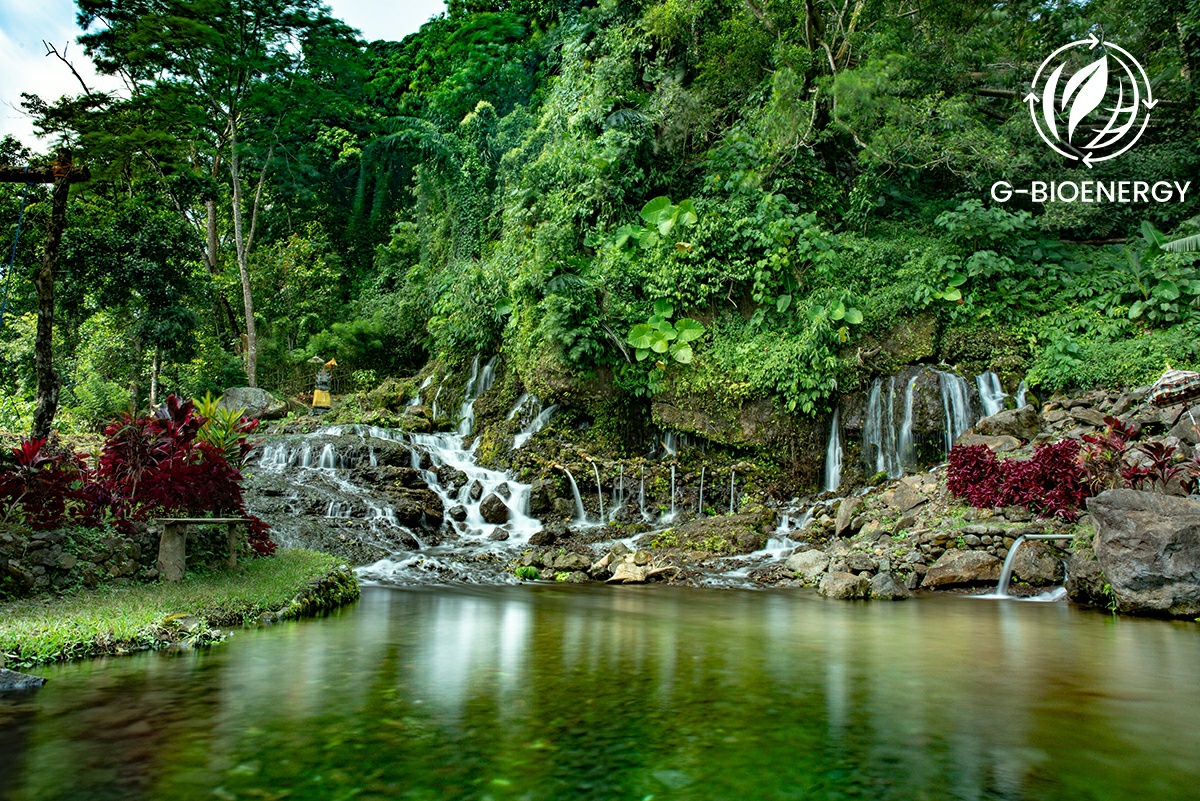


A freshwater biome is an aquatic ecosystem with low salt concentration, found in rivers, lakes, ponds, streams, and wetlands. Though it holds less than 3% of Earth’s water, it supports immense biodiversity. Distinct for its flowing or still waters, it sustains specialized plant and animal life adapted to these freshwater environments.
To learn more about its ecosystem, keep scrolling down!
In this article:
Types Of Freshwater Biomes
Freshwater isn’t just about lakes, ponds, and rivers; it comes in various forms, including:
Streams and Rivers
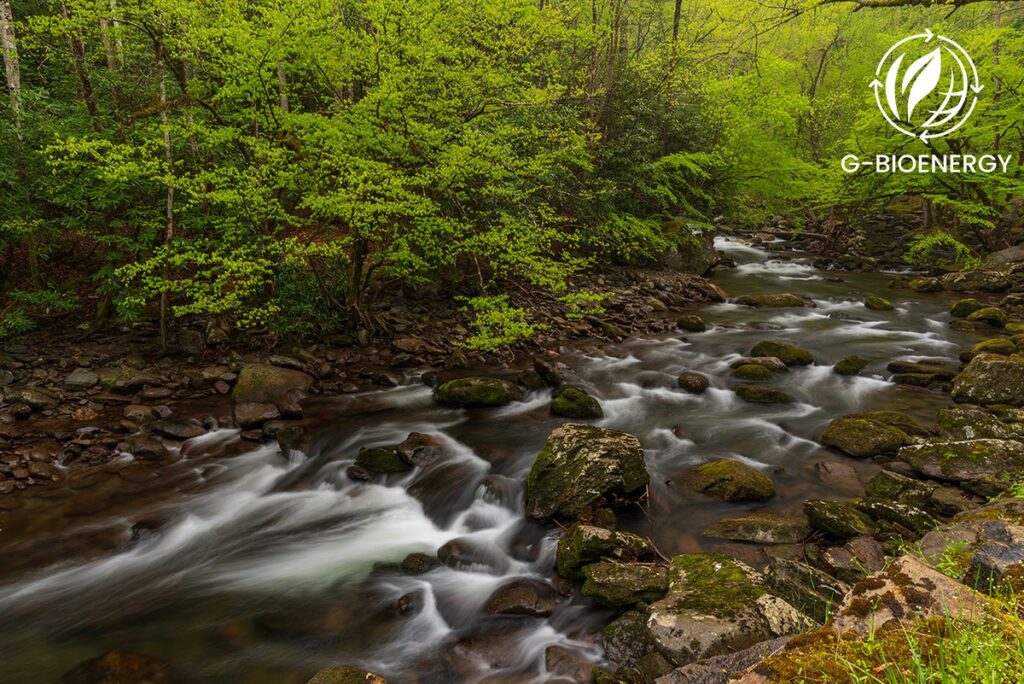
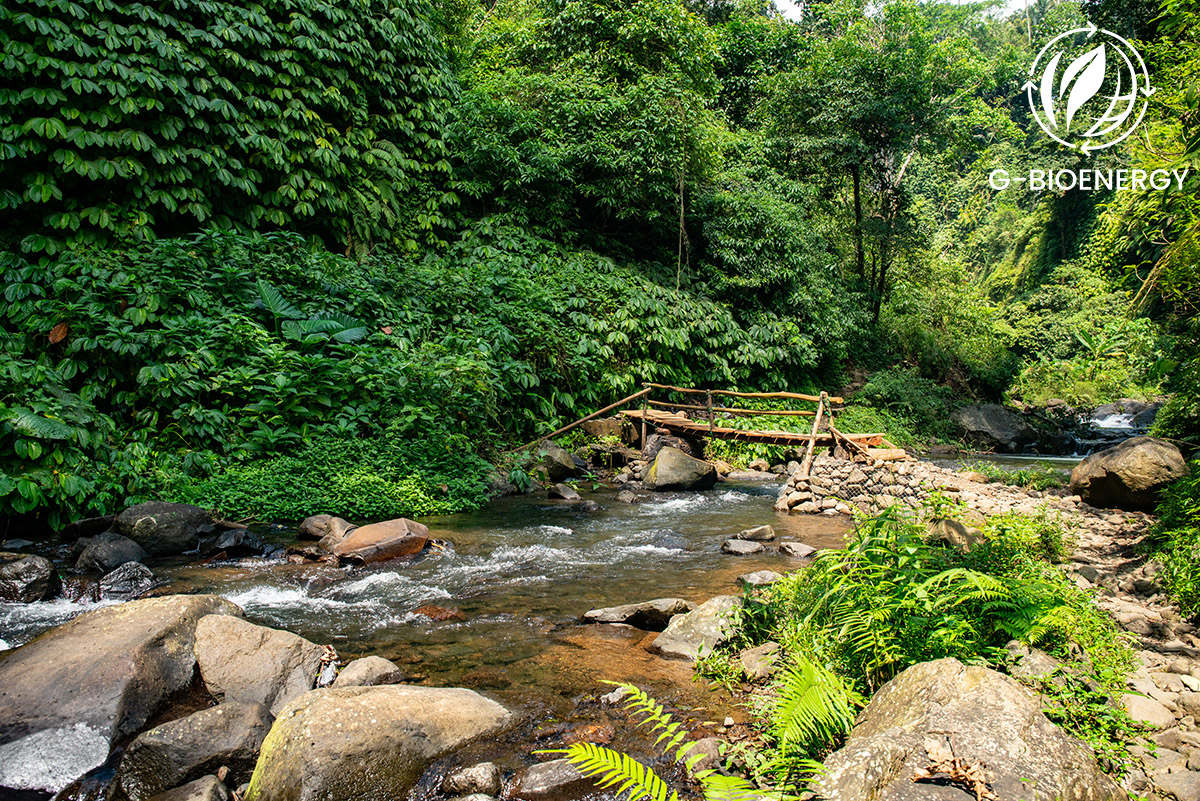
The water in rivers and streams flows in one direction from headwaters like snowmelt, springs, or lakes to the ocean or another water channel. At their sources, the water is cooler and clearer and has a higher oxygen level, a perfect breeding ground for heterotrophs and trout.
The closer to the middle part of the water body, the wider it becomes. With more space comes a more diverse ecosystem, including algae and numerous aquatic green plants.
As the river/stream flows toward its mouth, the water also picks up debris, sediments, and other contaminants, making the water cloudier. Since there is less oxygen and light in these areas, fewer species of plants can survive there. Still, the mouth is home to various fish that require less oxygen like carp and catfish.
Ponds and Lakes
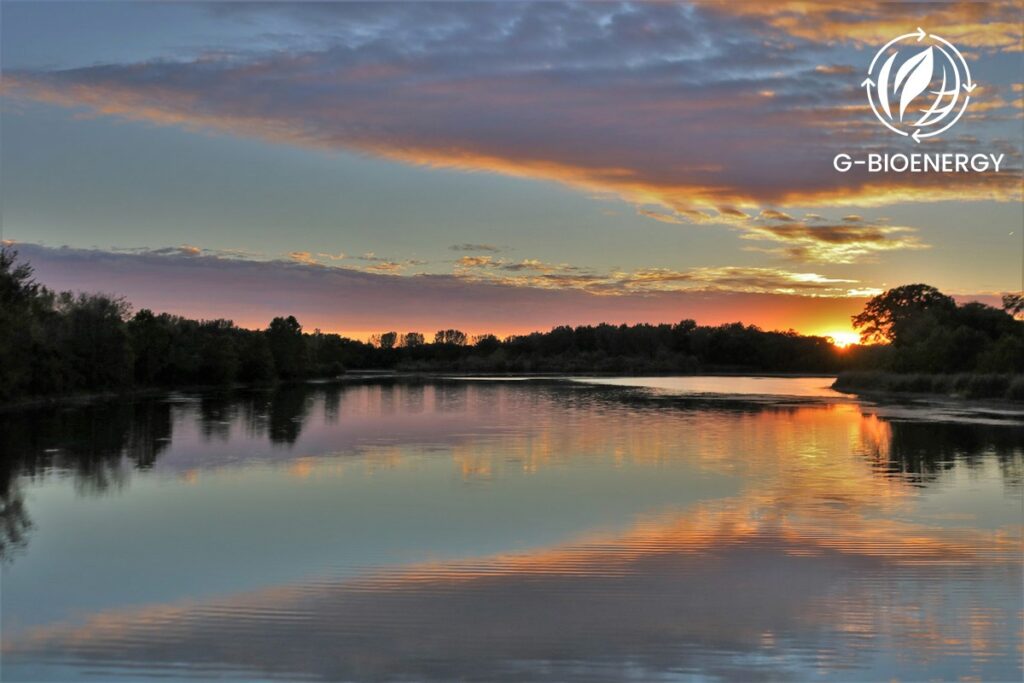
Lakes and ponds are isolated water bodies with limited space, thereby limiting diversity. The water temperature varies with regions and seasons. In some areas, these lakes and ponds might freeze during chilly winters or completely evaporate during scorching summers.
But in general, the average temperature in summer ranges from 39°F (4°C) at the bottom to 71°F (22°C) on the surface. As winter arrives, it might drop to zero on the surface and 39°F (4°C) at the top. During the spring and autumn, the temperature is quite stable at about 39°F (4°C).
Depending on the distance from the bank and the depth, lakes and ponds can be classified into three zones. The littoral zone is on the surface and near the shore. So, it’s the warmest part and is home to various fish species, grazing snails, crustaceans, clams, amphibians, insects, algae, and floating and rooted aquatic plants.
Surrounded by the littoral zone is the limnetic zone, which receives lots of sunlight and is inhabited by plankton, including zooplankton and phytoplankton, and some freshwater fish. Deep under the surface lies the profundal zone, dominated by heterotrophs.
Wetlands
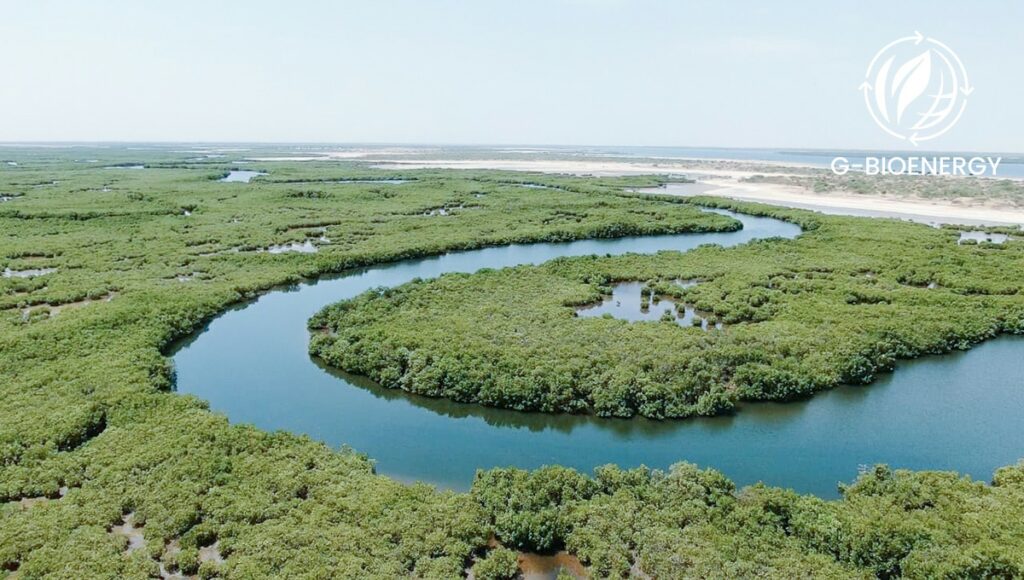
Standing water scattered across the surface is called wetlands, including bogs, swamps, floodplains, marshes, and prairie potholes. Their humid condition makes a perfect breeding ground for a variety of flora and fauna. You can easily find hydrophytes in wetlands, such as black spruce, tamarack, sedges, cattails, lilies, mangroves, duckweed, and cypress trees.
Many animal species also seek refuge in wetlands, like mammals, birds, reptiles, and amphibians. Raccoons, minks, beavers, deer, waders, and ducks are some prime examples.
Besides these freshwater regions, we also classify aquatic biomes based on the body of water:
- Surface water: This refers to any water bodies found on land.
- Groundwater: This is water found underground, such as underlying plains, beneath mountains, under deserts, and more. This underground ecosystem houses numerous invertebrates like stygofauna.
- Glaciers and ice: According to the U.S. Geological Survey, about 68.7% of freshwater on Earth is found in the form of glaciers and ice caps.
Freshwater Location
According to the National Geographic Society, the freshwater biome only accounts for around 3% of Earth’s water. Still, this biome is present almost everywhere, from deserts and mountains to rainforests and the Arctic. Some prominent aquatic biomes are North America’s Great Lakes, Russia’s Lake Baikal, and the African Great Lakes.
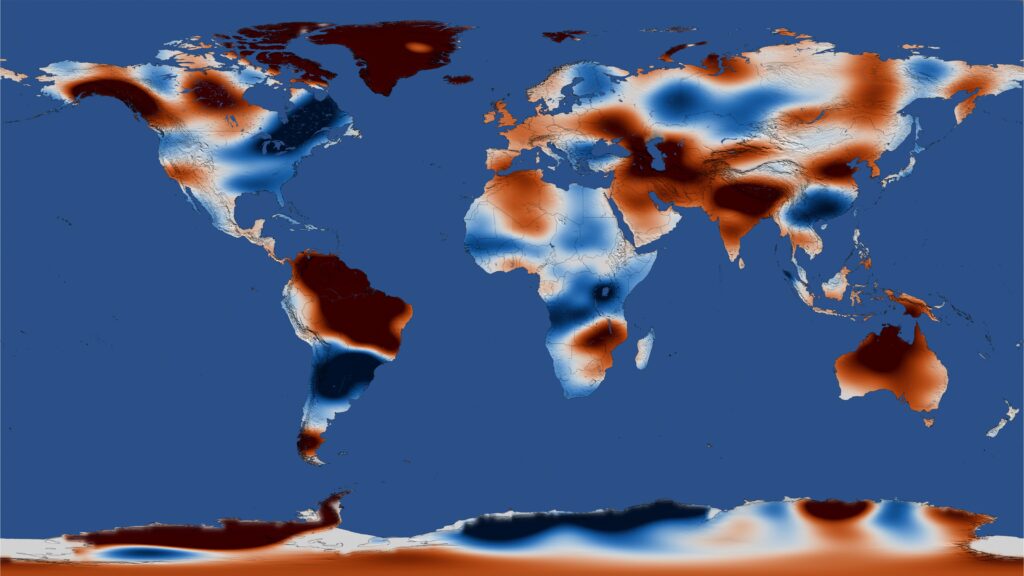
Here are some fun facts about freshwater biome locations:
- North America’s Great Lakes cover five water bodies, including Superior, Michigan, Huron, Erie, and Ontario, equivalent to 84% and 21% surface freshwater of North America and the world, respectively. (Source: EPA)
- Lake Baikal is the world’s oldest (20–25 million years old), deepest (about 5,315 ft), and largest lake by volume (5,500 cubic miles). (Source: Britannica)
- Lake Superior is the world’s largest freshwater lake by surface area, spanning 31,700 square miles and is larger than Massachusetts, Rhode Island, Vermont, New Hampshire, and Connecticut combined. (Source: UMKC Law School)
Freshwater Climate
Climatogram – Freshwater Climate
In general, the average freshwater biome temperature falls between 65°F and 75°F in summer and 35°F to 45°F in winter. However, the climate varies depending on the seasons and the locations of freshwater biomes.
For example, freshwater bodies in the Arctic region tend to freeze during winters, while the temperature can soar to over 75°F in summer in freshwater biomes in tropical regions. Not to mention, the depth of water also has a say in its temperature. The deeper, the cooler.
Freshwater Biome Animals
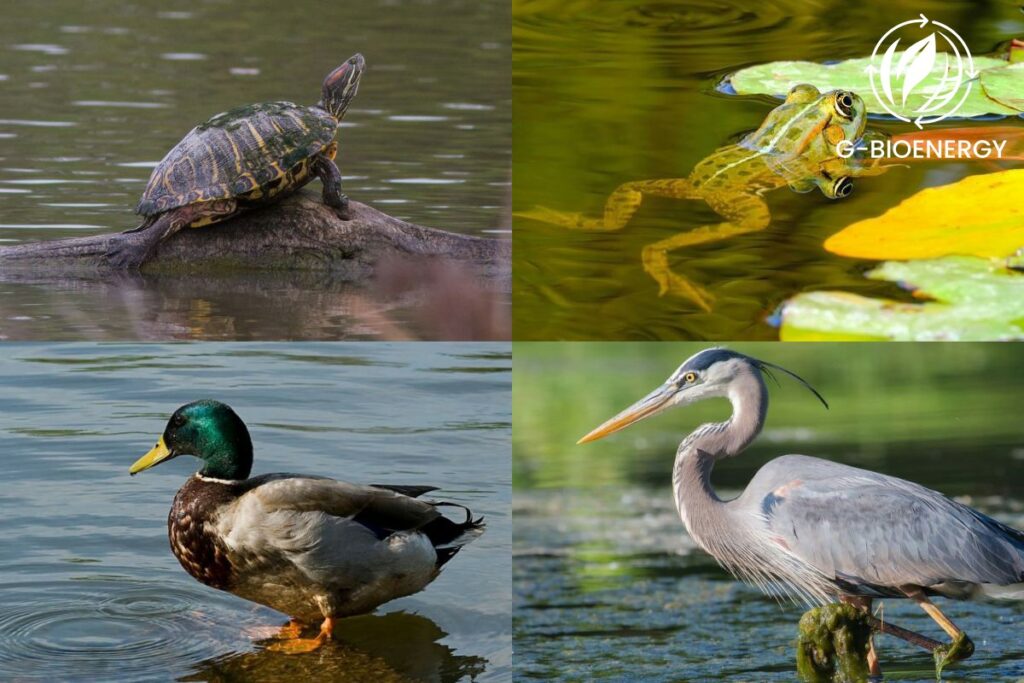
Freshwater biomes support an astonishing diversity of life. Though they make up only about 3% of Earth’s water, they host 10% of all known animal species and 40% of all fish species. Unlike marine animals, freshwater species are adapted to low salinity environments, often with specialized osmoregulation systems to maintain internal salt balance. These animals span nearly all taxonomic groups, from microscopic invertebrates to large reptiles and mammals.
Notable species groups:
- Fish: Over 18,000 species, including trout, catfish, eels, guppies, and salmon. Freshwater fish make up 51% of all fish species globally, according to the World Wildlife Fund.
- Amphibians: Frogs, salamanders, often indicator species for water quality.
- Reptiles: Turtles, water snakes, alligators, and crocodiles.
- Mammals: Manatees, otters, and even bears (who rely on fish).
- Birds: Ducks, herons, cormorants, and loons thrive in these habitats.
Still water, like ponds, lakes, and wetlands, supports amphibians, slow-swimming reptiles, and filter-feeding invertebrates. Meanwhile, fast-moving water like rivers and streams suits oxygen-loving fish like trout and migratory species like salmon.
Some species, like alligators and turtles, surface to breathe but can stay submerged for long periods. Others, like frogs, enter a state of brumation during winter to conserve energy.
Freshwater Biome Plants
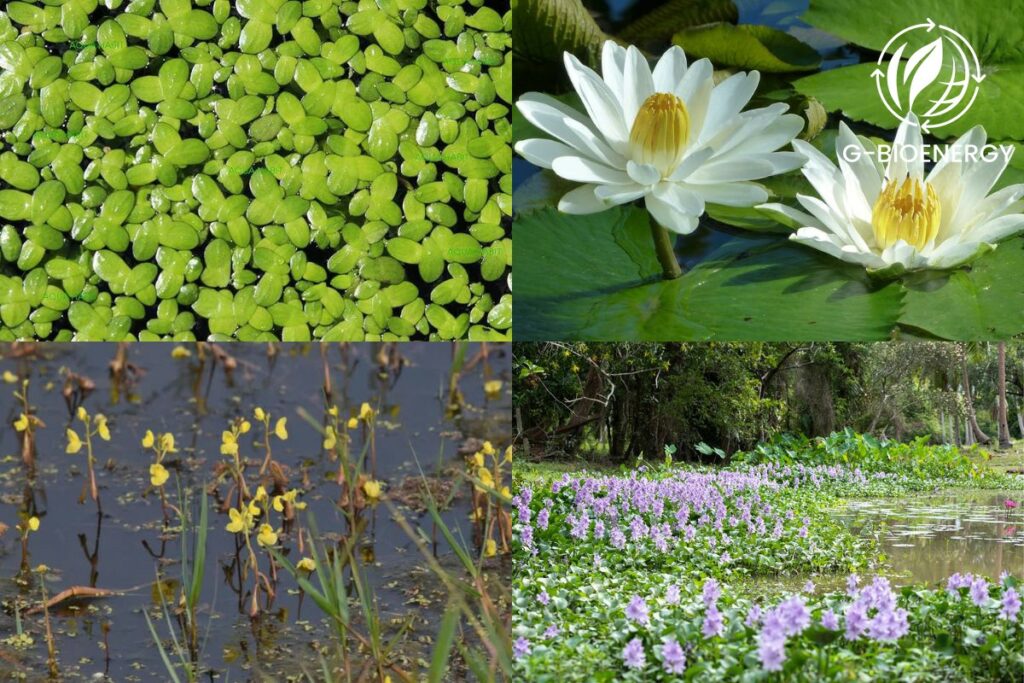
Freshwater plants are essential to aquatic life, acting as oxygen producers, food sources, and shelter providers. Known as macrophytes or hydrophytes, they range from microscopic algae to massive floating lilies. These plants have evolved to thrive in waterlogged or submerged conditions, often with specialized leaves, air pockets, or root systems.
Common types of freshwater plants:
- Floating plants: Drift on the surface, such as duckweed, water lilies, and water hyacinth.
- Emergent plants: Rooted in the substrate but rise above the surface, such as cattails, lotus, and milkweed.
- Submergent plants: Entirely underwater, anchored to the bottom, such as wild celery, bladderwort, and pondweeds.
- Shoreline plants: Not aquatic but grow in moist soil near water, such as bog birch, and river bulrush.
Lakes and ponds are ideal for submergent and floating species, while wetlands, biodiversity hotspots, support 40% of all plant and animal species. Streams and riverbanks are home to resilient emergent plants.
These plants are vital in maintaining ecosystem balance. They absorb CO₂, release oxygen, and stabilize nutrient cycles. However, excessive nutrient runoff (especially nitrogen and phosphorus) can trigger harmful algal blooms, which reduce oxygen and threaten biodiversity.
Threats And Challenges That Freshwater Biomes Face
Pollution
Pollution is one of the most pressing challenges affecting freshwater ecosystems today. Agricultural runoff containing excessive nitrogen and phosphorus leads to nutrient overloads in lakes and rivers, causing harmful algal blooms that deplete oxygen and make the water uninhabitable for many species. In addition, untreated industrial waste and sewage continue to pour into freshwater bodies worldwide.
The United Nations estimates that up to 80% of global wastewater is released untreated, posing severe health risks to humans and wildlife alike. Contaminated freshwater can spread waterborne diseases such as cholera, dysentery, and hepatitis A, making pollution not only an environmental crisis but a public health emergency.
Invasive Species
Invasive species represent another major ecological threat to freshwater biomes. These are organisms that are introduced, whether intentionally or accidentally, into environments where they did not evolve, and they often outcompete or prey on native species.
One well-known example is the water hyacinth, a floating plant native to South America that has rapidly spread across U.S. freshwater systems since the 1800s. It grows aggressively, forming thick mats that block sunlight, reduce oxygen levels in the water, and limit movement and breeding for aquatic animals. Invasive species upset the natural balance of ecosystems and can lead to dramatic losses in biodiversity over time.
Climate Change
The impact of climate change on freshwater biomes is both extensive and unpredictable. Rising temperatures contribute to the drying up of lakes, rivers, and wetlands in some areas, while in others, rapid glacial melting is leading to freshwater surges that ultimately raise sea levels and threaten coastal systems.
Moreover, warmer waters tend to experience more frequent and more toxic algal blooms, which further reduce water quality and oxygen content. These changes alter the timing of seasonal flows, disrupt fish migration, and can even lead to the complete disappearance of certain habitats. Climate change is not a distant threat; it is already reshaping freshwater systems around the world.
Human Development and Overuse
Human development exerts immense pressure on freshwater resources through overuse and habitat alteration. As populations grow, the demand for water for agriculture, industry, and urban use increases steadily. In regions like California’s Central Valley, groundwater aquifers are being pumped at unsustainable rates, causing the land above them to sink and reducing long-term water availability.
At the same time, dams and other infrastructure projects interfere with the natural flow of rivers, preventing species like salmon from reaching their spawning grounds. These physical barriers also disrupt sediment flow, damage wetland ecosystems, and often result in the flooding of previously dry, biologically rich land. Collectively, human development fragments freshwater habitats and pushes many species closer to extinction.
Wrap Up
Freshwater biomes are essential to both ecological health and human survival. They nourish vast ecosystems, provide drinking water, and regulate climate and nutrients. Yet, they face mounting threats from pollution, invasive species, climate change, and overuse. That’s why protecting these fragile ecosystems requires urgent global action to restore balance and ensure clean, thriving freshwater systems for generations to come.