
In This Article:
Understanding Eco-Friendly Boxes
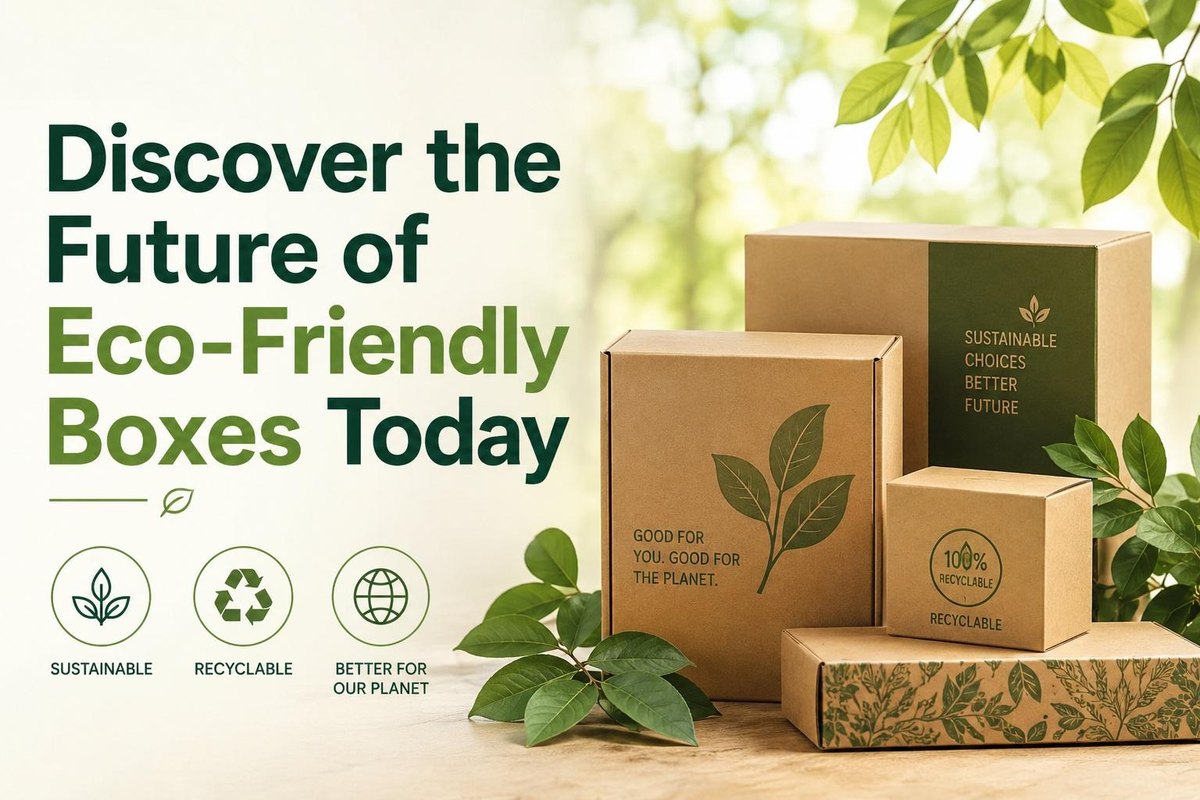
Eco-friendly boxes are packaging solutions made from recyclable, biodegradable, compostable, or reusable materials. Unlike traditional plastic packaging, these boxes reduce environmental damage and help businesses lower their carbon footprint. Most eco-friendly packaging solutions are made from kraft paper, recycled cardboard, corrugated fiberboard, or plant-based materials. They are designed to break down naturally or be reused multiple times without harming the environment.
Think of eco-friendly packaging as the “electric car” of the packaging industry. Years ago, people viewed sustainable packaging as expensive and limited. Today, it is becoming the smarter and more affordable option. Businesses are shifting toward greener alternatives because customers are demanding it. Research shows that over 70% of consumers are willing to pay more for sustainable packaging.
Eco-friendly boxes also offer impressive flexibility. They can be printed, customized, folded, and designed just like traditional packaging. This means businesses no longer need to sacrifice style for sustainability. Modern custom eco friendly boxes can look premium while still protecting the environment. From luxury gift packaging to e-commerce shipping solutions, eco-friendly boxes are proving that sustainability and branding can work together perfectly.
The Rise of Custom Boxes in Modern Packaging
The packaging industry has become highly competitive. Businesses now understand that packaging is part of the customer experience. A plain brown box is no longer enough. Customers want packaging that feels personal, creative, and environmentally responsible. This is where custom boxes are changing the game.
Custom packaging allows brands to create a unique identity. Companies can print logos, slogans, colors, and designs directly onto sustainable packaging materials. This creates a memorable unboxing experience that customers often share online. Social media platforms like Instagram and TikTok have made packaging more important than ever. A beautiful eco-friendly package can become free advertising for a brand.
Sustainability also builds trust. Consumers are becoming more aware of environmental issues such as plastic pollution and excessive packaging waste. Brands using recyclable and biodegradable boxes instantly appear more responsible and modern. According to recent packaging industry reports, minimalist and low-waste packaging designs are among the biggest trends shaping 2026.
Another reason for the rise of eco-friendly packaging is regulation. Governments around the world are introducing stricter packaging laws to reduce plastic waste. Businesses that adopt sustainable packaging early gain a competitive advantage. They stay ahead of regulations while improving their public image at the same time.
Emerging Trends in Eco-Friendly Boxes
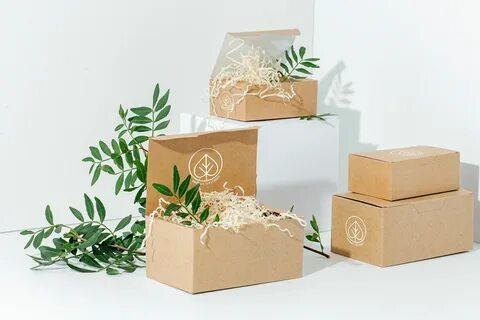
The world of sustainable packaging is evolving quickly. New materials, technologies, and designs are transforming how businesses package products. One major trend is minimalist packaging. Brands are reducing unnecessary layers, excessive printing, and decorative coatings. This not only lowers waste but also reduces shipping costs. Simple packaging now looks modern and premium rather than cheap.
Another exciting trend is the use of compostable and biodegradable materials. Companies are experimenting with mushroom packaging, seaweed films, plant fibers, and cornstarch-based materials. These materials naturally break down after disposal, reducing landfill waste significantly. Some brands are even using agricultural waste to create sustainable packaging alternatives.
Smart packaging technology is also becoming more common. QR codes and NFC tags are now appearing on eco-friendly boxes. Customers can scan these codes to learn about recycling instructions, sustainability practices, and product information. This creates transparency and builds trust between brands and consumers.
Reusable packaging systems are another growing trend. Many e-commerce companies are developing durable mailer boxes that customers can reuse multiple times. This reduces single-use waste and helps brands stand out in crowded markets. Businesses are also moving toward lightweight packaging designs to reduce transportation emissions and shipping costs.
Trend Comparison Table
| Trend | Main Benefit | Popular Material |
| Minimalist Packaging | Reduced waste | Kraft paper |
| Compostable Boxes | Natural decomposition | Cornstarch |
| Smart Packaging | Customer engagement | QR-enabled cardboard |
| Reusable Mailers | Lower packaging waste | Corrugated cardboard |
Popular Types of Eco-Friendly Boxes
Eco-friendly packaging comes in many forms. Businesses can choose packaging styles based on their products, industry, and branding goals. One of the most popular options is eco friendly boxes for shipping. These boxes are strong, lightweight, and recyclable. They protect products during transportation while reducing environmental impact. Many online businesses now prefer corrugated cardboard shipping boxes because they are durable and easy to recycle.
Another fast-growing category is eco-friendly gift boxes with logo printing. These boxes are widely used by cosmetic brands, jewelry companies, and luxury retailers. Customers love elegant packaging that feels special but still supports sustainability. Kraft gift boxes with soy-based inks and recyclable inserts are especially popular today.
Eco friendly boxes wholesale options are also becoming more affordable. Manufacturers now produce sustainable packaging in bulk, reducing costs for businesses of all sizes. Small businesses that once viewed eco-friendly packaging as expensive can now access affordable wholesale options without sacrificing quality.
Here are some commonly used eco-friendly packaging materials:
Recycled cardboard
Kraft paper
Corrugated fiberboard
Molded pulp
Plant-based packaging
Compostable mailers
Many businesses are also investing in custom eco friendly boxes because they allow full creative control. Companies can choose box size, printing style, finishes, and inserts while maintaining sustainability goals. This combination of customization and environmental responsibility makes eco-friendly packaging highly attractive in today’s market.
Benefits of Using Eco-Friendly Boxes
The benefits of eco-friendly packaging go far beyond helping the environment. One major advantage is reduced environmental impact. Traditional plastic packaging can take hundreds of years to decompose. Eco-friendly boxes, on the other hand, break down naturally or can be recycled into new products. This reduces landfill waste and lowers pollution levels.
Another important benefit is improved brand reputation. Customers appreciate businesses that make environmentally responsible choices. Sustainable packaging creates a positive image and increases customer loyalty. In many cases, consumers are even willing to pay extra for products packaged sustainably. Businesses that ignore sustainability risk appearing outdated and careless.
Eco-friendly packaging also improves the customer experience. Receiving a beautifully designed recyclable package creates a positive emotional connection with the brand. It tells customers that the company cares about quality and the environment. This emotional impact often encourages repeat purchases and social media sharing.
Cost savings are another hidden advantage. Lightweight packaging reduces shipping expenses. Minimalist packaging designs use fewer materials, lowering production costs over time. Reusable packaging systems can also reduce long-term expenses for businesses. While sustainable packaging may sometimes require a higher upfront investment, it often saves money in the long run.
Recent market reports also show that sustainable packaging is becoming a key business growth factor. The biodegradable packaging market alone is expected to reach $179.3 billion by 2034. This growth reflects strong consumer demand and increasing business adoption worldwide.
Industries Using Sustainable Packaging
Eco-friendly packaging is no longer limited to niche eco brands. Almost every industry is adopting sustainable solutions. E-commerce companies are among the biggest users of eco-friendly shipping boxes. Online shopping continues to grow rapidly, increasing the demand for recyclable and lightweight packaging solutions. Businesses want to reduce waste while still protecting products during delivery.
Food and beverage companies are also making major changes. Many restaurants and grocery brands now use compostable food containers, paper straws, and recyclable takeaway packaging. Some companies are even replacing plastic milk packets with biodegradable alternatives made from plant-based materials.
Cosmetic and luxury brands are embracing eco-friendly packaging to strengthen their premium image. Elegant kraft boxes, reusable rigid packaging, and biodegradable inserts are becoming common in the beauty industry. Sustainable packaging adds sophistication and helps brands connect with environmentally conscious consumers.
Retail brands are also investing in eco-friendly gift packaging. Holiday packaging, subscription boxes, and promotional packaging are increasingly made from recyclable materials. This shift is changing customer expectations across the retail industry.
How to Choose the Right Eco-Friendly Packaging?
Choosing the right packaging depends on several factors. Businesses should first consider the type of product they sell. Fragile products may require corrugated cardboard or molded pulp inserts for extra protection. Lightweight products may work well with kraft paper packaging or compostable mailers.
Material selection is critical. Recycled cardboard is affordable and highly recyclable. Kraft paper provides a natural and premium appearance. Compostable materials are ideal for brands focused on zero-waste goals. Businesses should also check whether packaging materials are compatible with local recycling systems.
Customization is another important factor. Eco-friendly packaging does not have to look boring. Companies can print logos, colors, and graphics using water-based or soy-based inks. Minimalist branding often works best because it reduces ink usage while maintaining a clean modern appearance.
Businesses should also think about customer convenience. Packaging should be easy to open, recycle, and reuse. Clear recycling instructions can improve customer participation in sustainability efforts. Smart packaging features such as QR codes can also enhance the customer experience and strengthen brand transparency.
Conclusion
Eco-friendly packaging is shaping the future of the packaging industry. Businesses are moving toward sustainable solutions because customers expect environmentally responsible practices. From eco-friendly gift boxes with logo printing to eco friendly boxes for shipping, sustainable packaging is becoming essential for modern brands.
The latest trends show a strong shift toward minimalist designs, compostable materials, reusable packaging systems, and smart technology integration. These innovations are helping businesses reduce waste while improving customer experience and brand image. Sustainability is no longer just a marketing trend. It is becoming a core business strategy.
Companies that invest in custom eco friendly boxes today are preparing for the future. Eco-friendly packaging not only protects the planet but also strengthens customer trust, improves brand reputation, and supports long-term growth. The future of packaging is green, creative, and customer-focused.