
In This Article:
Energy infrastructure plays a critical role in supporting modern economies. From transportation networks and industrial facilities to emergency response operations and commercial enterprises, reliable fuel storage systems help ensure that energy remains available when and where it is needed most. As energy demands continue to evolve, organizations are increasingly focused on improving resilience, efficiency, and long-term reliability across their fuel storage operations.
One of the most important components of this effort is investing in modern storage infrastructure that can safely accommodate changing operational requirements while meeting regulatory standards. Whether supporting traditional petroleum products, renewable fuels, or backup power systems, properly designed storage facilities provide the foundation for dependable energy distribution.
The Importance of Fuel Storage Infrastructure
Fuel storage systems are often overlooked until problems arise. However, these assets serve as a critical link in the energy supply chain.
Organizations rely on storage facilities to:
• Maintain operational continuity
• Manage fuel supply fluctuations
• Support emergency preparedness
• Improve distribution efficiency
• Reduce supply chain disruptions
As industries become increasingly dependent on reliable energy access, fuel storage infrastructure must be designed to support both current and future demands.
Facilities that invest in modern storage solutions are often better positioned to respond to unexpected challenges, including severe weather events, supply interruptions, and increased demand during peak usage periods.
Growing Demand for Energy Resilience
Energy resilience has become a major focus for governments, utility providers, transportation companies, and industrial operators. Recent disruptions across global supply chains have highlighted the importance of maintaining reliable fuel inventories and infrastructure.
Organizations are increasingly evaluating how their storage systems can support:
• Business continuity planning
• Emergency response capabilities
• Disaster recovery efforts
• Long-term energy security
• Operational reliability
A resilient storage network helps ensure that essential operations can continue even when external conditions create challenges for bulk fuel delivery or distribution.
Modern Design Standards and Safety Requirements
Safety remains one of the most important considerations when developing fuel storage facilities. Regulatory agencies continue to strengthen requirements related to environmental protection, structural integrity, and operational safety.
Modern storage systems are designed with features such as:
• Corrosion protection systems
• Leak detection technology
• Secondary containment measures
• Environmental monitoring systems
• Enhanced fire protection equipment
These improvements help reduce operational risks while supporting compliance with industry regulations.
Organizations that proactively invest in modern infrastructure often experience lower maintenance costs and fewer operational disruptions over time.
Supporting Renewable and Alternative Fuels
The energy sector continues to diversify as renewable and alternative fuel sources become increasingly important. Many organizations are expanding storage capabilities to accommodate biodiesel, renewable diesel, ethanol blends, and other emerging fuel technologies.
This transition presents both opportunities and challenges.
Storage facilities must be designed to safely handle various fuel types while maintaining operational flexibility. Infrastructure upgrades often require careful planning to ensure compatibility with existing systems and future energy requirements.
Companies that successfully adapt to these changes will be better positioned to support evolving market demands.
The Role of Proper Installation
Long-term performance begins with quality design and construction. Improperly designed systems can create significant operational challenges, including maintenance issues, environmental risks, and costly repairs.
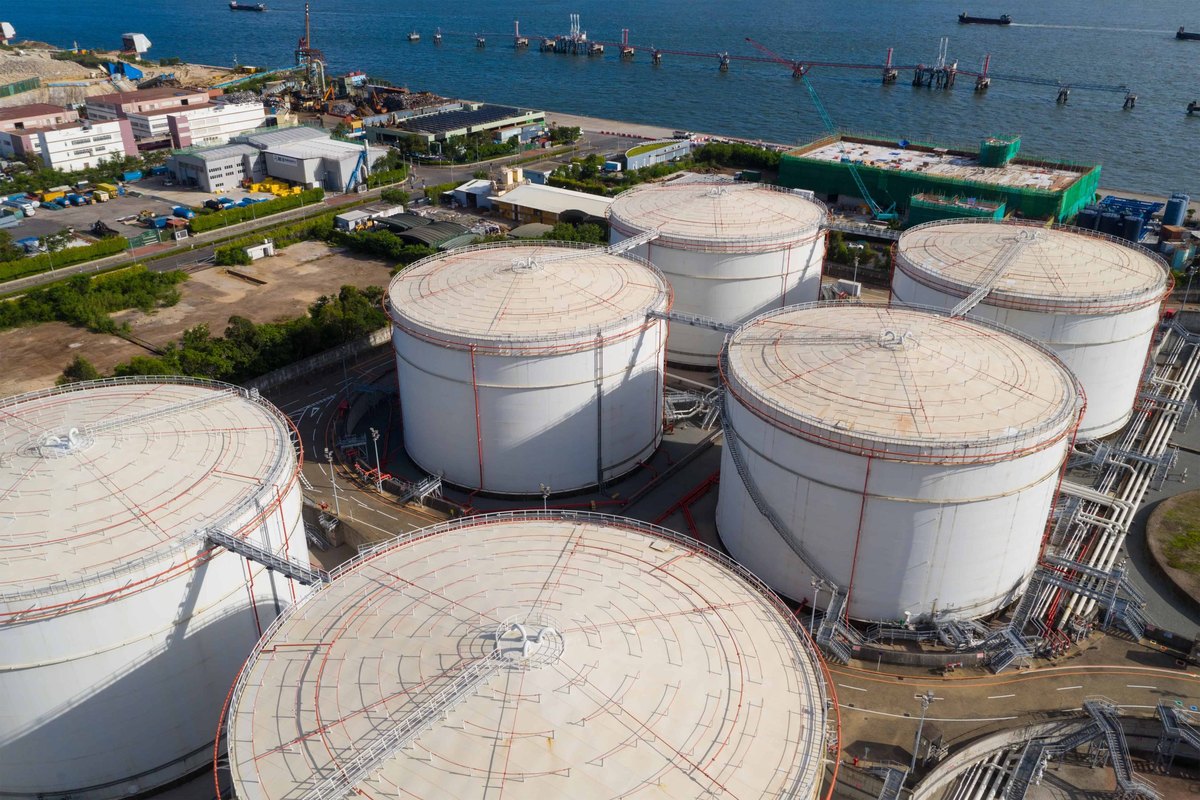
For organizations developing new fuel infrastructure, professional above ground fuel tank installation services help ensure that storage systems meet applicable safety standards while supporting long-term operational goals.
Proper installation also helps maximize equipment lifespan and reduce future maintenance requirements.
As facilities expand their fuel storage capabilities, working with experienced industry professionals can significantly improve project outcomes and overall system reliability.
Technology and Monitoring Improvements
Advances in technology have transformed the way fuel storage systems are managed.
Many facilities now utilize:
• Remote monitoring systems
• Automated inventory tracking
• Leak detection sensors
• Predictive maintenance tools
• Digital inspection reporting
These technologies provide operators with real-time visibility into storage performance, allowing potential issues to be identified before they become serious problems.
Improved monitoring capabilities also support better decision-making and more efficient asset management.
Planning for Long-Term Growth
Fuel storage infrastructure is often expected to remain operational for decades. As a result, organizations must consider future requirements when making investment decisions.
Key planning considerations include:
• Capacity expansion opportunities
• Regulatory changes
• Emerging fuel technologies
• Environmental requirements
• Operational flexibility
Facilities that incorporate long-term planning into infrastructure development are typically better prepared to adapt as industry conditions evolve.
Conclusion
Reliable fuel storage infrastructure remains essential to modern energy systems. As organizations place greater emphasis on resilience, safety, and operational efficiency, investment in modern storage solutions continues to grow.
From supporting emergency preparedness and supply chain stability to accommodating new fuel technologies, storage facilities play a critical role in ensuring reliable energy access. Organizations that prioritize infrastructure modernization today will be better equipped to meet future energy challenges while maintaining safe and efficient operations for years to come.