
Petroleum, also known as crude oil, plays a major role in modern life. It fuels our transport, heats homes, and is used in the production of plastics, chemicals, and more. However, it is not without drawbacks. Let’s take a look at the pros and cons of petroleum!
| Pros of oil energy | Cons of oil energy |
| – High energy density – Versatile applications – Mature global infrastructure – Easily transportable – Major economic driver – Low production cost | – Environmental degradation – Air pollution and climate change – Non-renewable, finite resource – Geopolitical instability – Risk of oil spills and toxic byproducts |
In this article:
Advantages Of Petroleum
High Energy Density
Petroleum possesses a high energy density, meaning a small amount can produce large amounts of energy. This makes it an efficient fuel source for transportation and industrial use. From powering vehicles and airplanes to running heavy machinery, petroleum’s power output is unmatched by most alternatives, providing a consistent and reliable source of energy over long durations.
Versatility
Petroleum is a remarkably versatile resource. It can be refined into various products, including gasoline, diesel, jet fuel, heating oil, plastics, and synthetic materials. Beyond energy, it’s essential in producing fertilizers, pharmaceuticals, and chemicals. Its diverse utility supports countless industries and everyday applications, making it a cornerstone of modern civilization.
Established Infrastructure
Global infrastructure for petroleum extraction, refinement, and distribution is well-developed. Refineries, pipelines, shipping routes, and gas stations are already in place, ensuring consistent and efficient supply chains. This existing network reduces logistical challenges and allows nations to tap into petroleum reserves without massive new investments.
Ease of Transport
Due to its liquid state, petroleum is relatively easy to transport over long distances. Pipelines, rail cars, tankers, and trucks enable flexible movement from petrolium production to consumption areas. This mobility supports international trade and ensures petroleum reaches even remote locations efficiently, helping to stabilize markets and meet global demand.
Economic Influence
The petroleum industry significantly impacts the global economy and politics. Oil-producing countries wield geopolitical power, and petroleum exports can greatly boost national revenue. Additionally, the industry provides millions of jobs worldwide and influences everything from stock markets to international relations, making petroleum a pillar of economic activity.
Low Cost
Petroleum has historically been a relatively low-cost energy source, especially when extracted in large quantities from accessible reserves. Economies of scale and existing infrastructure help keep production and distribution costs down. This affordability makes petroleum attractive for both developed and developing nations, supporting economic growth, industrialization, and affordable transportation while offering energy security in the short to medium term.
Disadvantages Of Petroleum
Environmental Impact
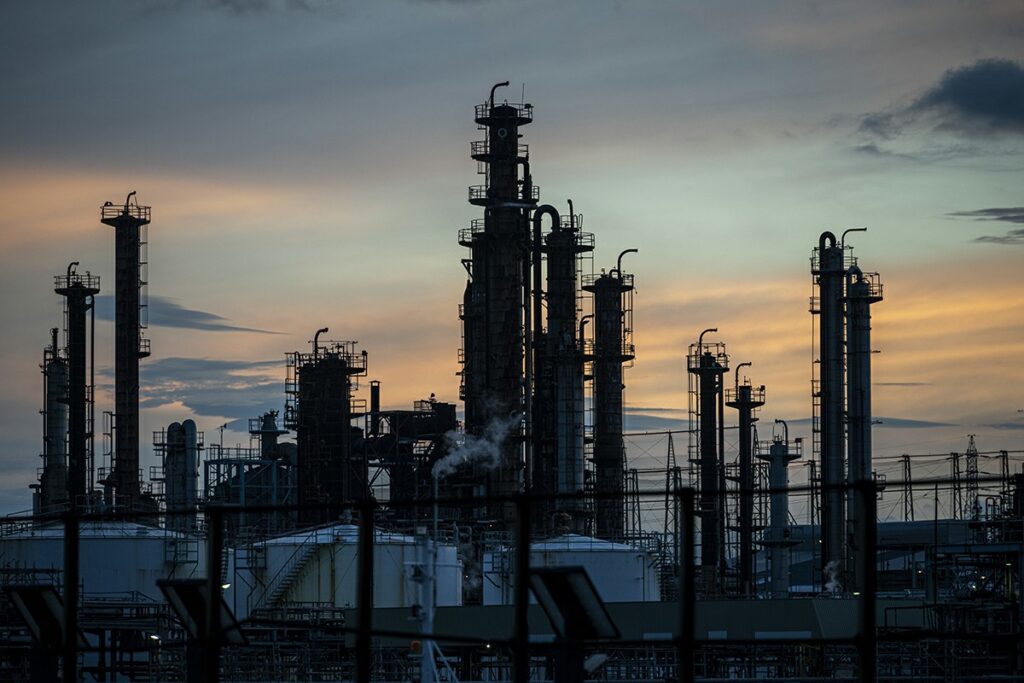
Unlike renewable energy sources, petroleum exploration and usage cause serious environmental degradation. Activities like drilling disrupt land and marine ecosystems, while combustion releases harmful pollutants. Oil spills and runoff damage water bodies, marine life, and wildlife.
According to Fair Planet, about 2.7 liters of oil are spilled in the sea each year, taking a toll on numerous sea animals. Take the Deepwater Horizon oil spill, for example. This devastating oil spill killed or harmed about 6,165 sea turtles, 82,000 birds of 102 species, and 25,900 marine mammals [Center for Biological Diversity].
Despite safety measures, accidents still happen, causing long-term ecological harm and demanding extensive, costly cleanup operations.
Air Pollution, Climate Change & Health Issues
Burning petroleum emits large amounts of carbon dioxide and other greenhouse gas emissions, contributing to global warming. It also produces carbon monoxide, sulfur dioxide, and particulates that pollute the air, degrade atmospheric quality, and pose serious health risks, like lung cancer and other respiratory diseases. Petroleum is a leading source of anthropogenic climate change and air toxicity.
Non-Renewable Resource
Crude oil is a fossil fuel formed over millions of years and is available in finite quantities. As global reserves are depleted, extraction becomes more expensive and environmentally risky. Its non-renewable nature pushes the urgency for alternative, sustainable sources of energy to ensure long-term energy security and environmental health.
Geopolitical Risks
Geopolitical risks are one of the major disadvantages of oil. The strategic importance of petroleum often leads to international conflict and economic volatility.
Nations dependent on oil imports are vulnerable to price fluctuations and supply disruptions. Oil-rich regions may experience political instability and control over petroleum resources can become a source of tension, wars, or sanctions.
The Future Of Petroleum
As the world is shifting toward a cleaner, more sustainable environment, the oil and gas industry is expected to witness a drop in petroleum use in the next few years.
According to the International Energy Agency (IEA), oil use is predicted to decrease from 100 mb/d to 77 mb/d in 2030, and its demand is believed to drop to 24 mb/d in 2050.