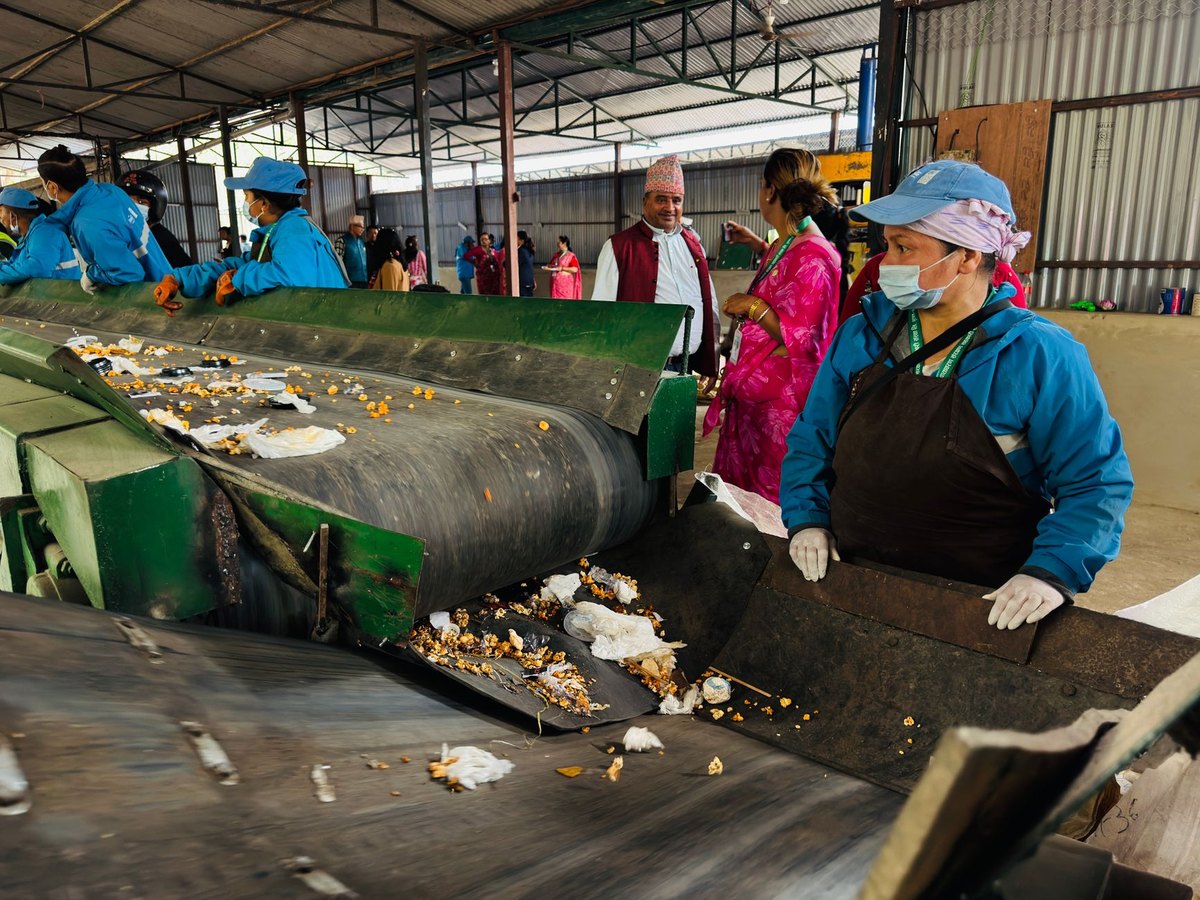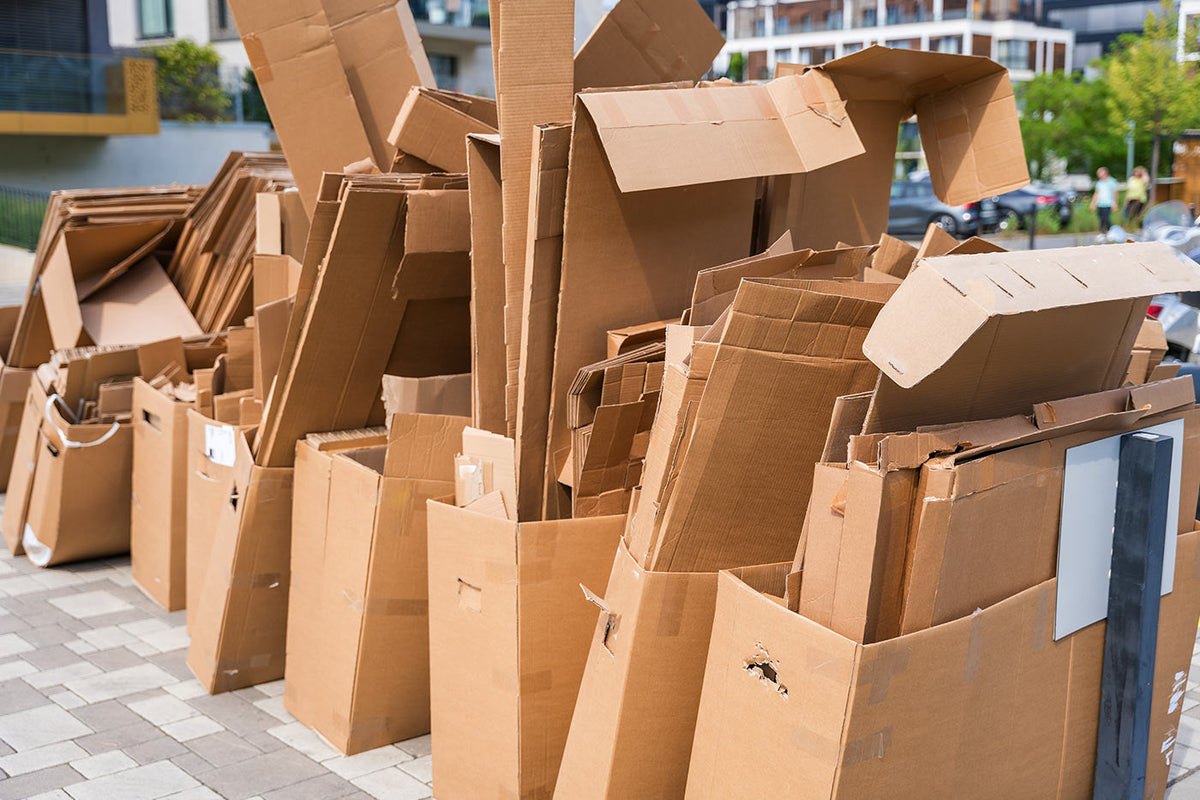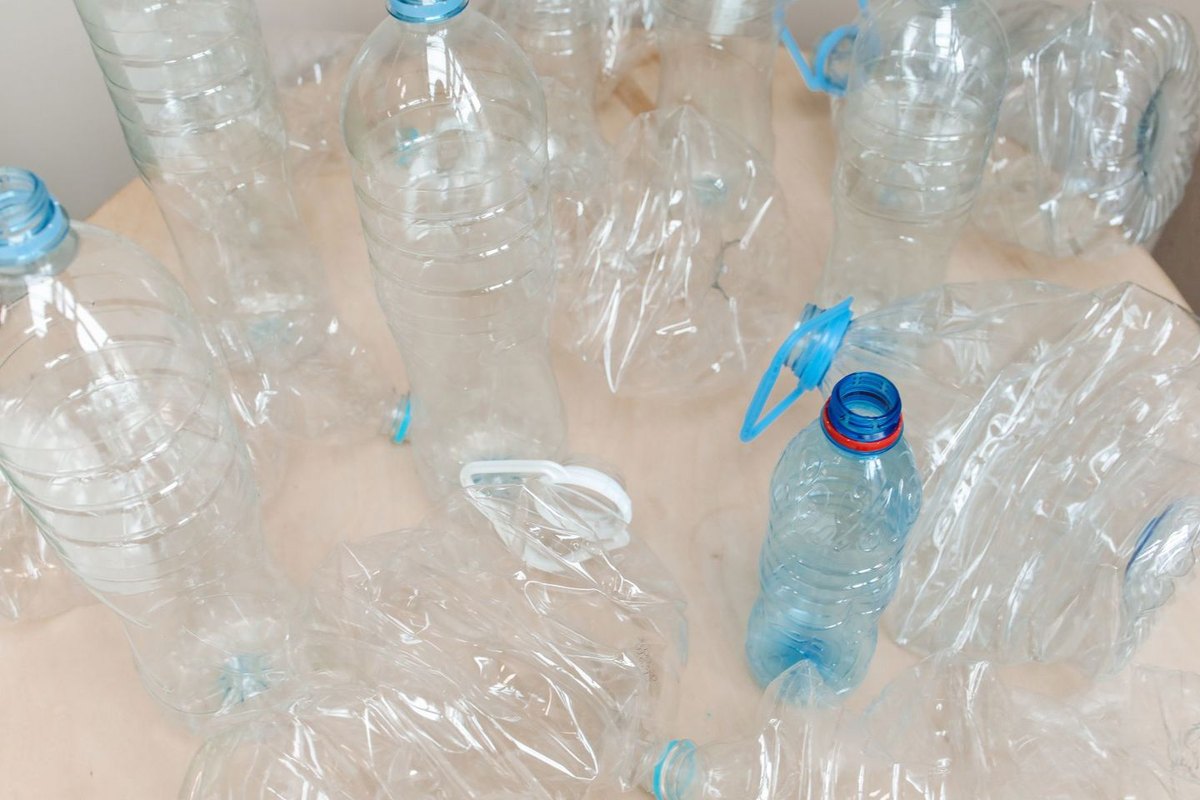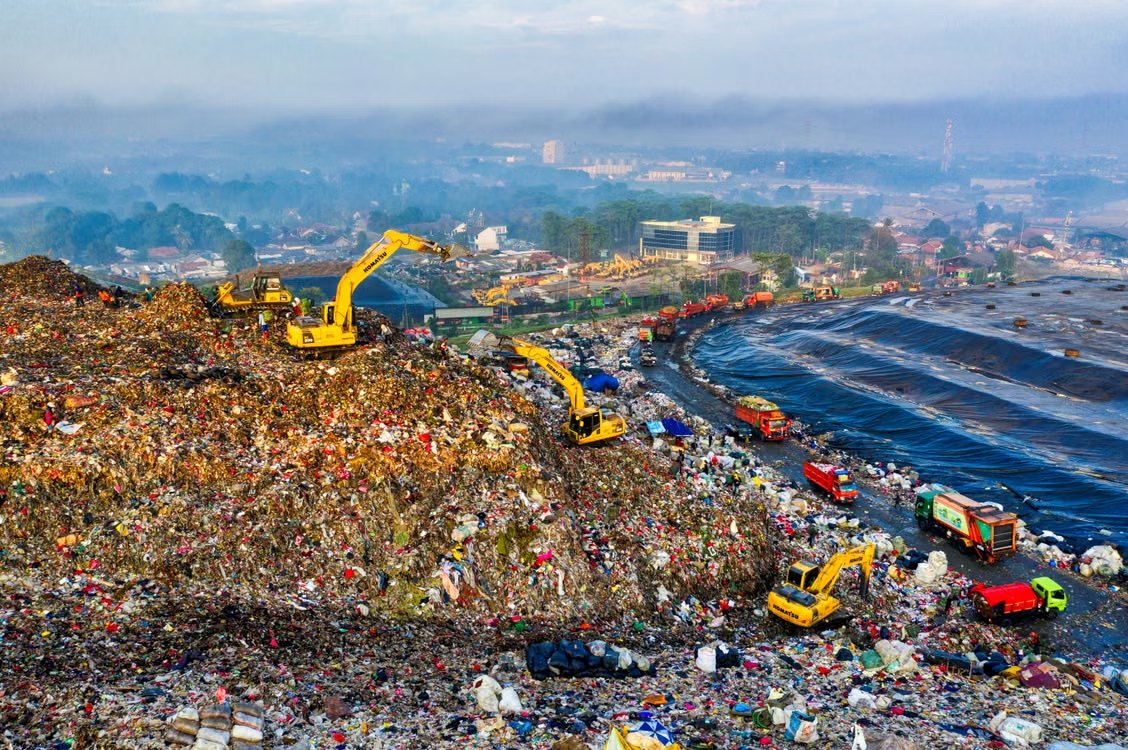

Global packaging waste grows larger every single year. Paper and cardboard materials have been mentioned to contribute approximately 40% of packaging waste in the European Union. Across all industries, packaging is mentioned to contribute in 5% of a food product’s total lifecycle carbon footprint.
This situation has driven the growing eco-conscious movement, market demand, changing consumer preferences, and regulatory requirements. All are forcing businesses to rethink and refine the packaging they use.
How to cut down the packaging waste and lower a business’s environmental footprint? Read this practical guide completely.
In This Article:
The Scale of the Packaging Waste Problem
The way packaging has made the environmental toll is staggering. The fact is, packaging relies heavily on virgin materials. Accordingly, extracting and manufacturing these materials can produce a great amount of carbon emissions. And the worst-case scenario is that most packaging ends up in landfills or escapes into the environment.
Speaking of the number, standard packaging generates over 350 million tons of plastic waste annually worldwide. As reposted by the United Nations Environment Programme, only about 9% of all plastic ever produced globally has been recycled. Yes, globally. And the res are clogging the landfills and polluting the oceans.
What’s Driving Businesses to Change?
Considering the dangerous, harmful effects packaging has had on the environment, the massive shift toward sustainable packaging is no longer being a marketing trend. It is a mandatory requirement that every business—from small and medium-sized to large—must follow.
Here are the main drivers for the shift.
Changing Consumer Demands & Preferences
Research and studies have mentioned that about 82% of consumers prefer to purchase products packaged in sustainable packaging. Ignoring this demand and preference results in business unable to compete with eco-conscious competitors.
Strict Global Regulations
Governments in almost every country today are imposing strict laws and regulations to cut packaging waste as much as possible.
The European Union’s Packaging and Packaging Waste Regulation (PPWR), with mandatory recyclable packaging rules, is set to deliver results by 2030.
The Extended Producer Responsibility (EPR) strict laws require businesses to pay attention to the disposal of their packaging throughout its life cycle.
ESG and Corporate Disclosures
Modern businesses today have been strictly mandated to provide an ESG (Environmental, Social, and Governance) report. And this report is not something to ignore. Investors and stakeholders closely monitor the business to provide its corporate sustainability disclosures.
- What are the metrics?
- Plastic reduction
- Recycled-content percentages
These two metrics heavily and directly impact a business’s ESG score and investment attractiveness.
The Real Meaning of Sustainable Packaging
The real meaning of sustainable packaging goes far beyond a simple “eco-friendly” label you place on your packaging.
There are some factors that make packaging to be considered a sustainable one.
Material Sourcing
The Forest Stewardship Council (FSC)-certified materials are used to produce sustainable packaging, in which the trees are cut down responsibly so they can regrow easily.
Post-Consumer Recycled (PCR) Materials
Sustainable packaging contains Post-Consumer Recycled (PCR) materials that require less energy and fewer greenhouse gases to produce.
Soy-Based Ink Options
Traditional petroleum-based inks harm landfills when your packaging is being disposed of. Choose soy-based or water-based ink alternatives. These eco-friendly inks minimize volatile organic compound (VOC) emissions.
Accurate Sizing
Accurately sized packaging reduces the need for excess plastic void fill that will go to waste.
Transport Efficiency Priority
With accurately sized packaging, businesses can improve transport efficiency, allowing them to load more products per shipment. And transport efficiency = reduced carbon emissions.
Practical Steps Businesses Can Take Now
It takes time and effort for businesses to switch to sustainable alternatives.
But there are actionable steps your business can take now.
Audit Your Current Packaging
Collect every box, bag, tape, and filler material your business currently uses to pack and ship your products. Analyze every single one of them by identifying the material composition. Make note of which parts or components are non-recyclable.
Switch to Recycled or Kraft Packaging Options
Leave single-use plastic use.
Modern businesses have been ditching single-use plastic. They prefer custom printed boxes made from kraft or FSC-certified corrugated cardboard as a sustainable packaging solution that provides ultimate product protection, without causing any harmful environmental effects
Eliminate Excess Void Fill
Do not leave any wasted space inside your packaging. Instead, tailor the packaging to the exact size to fit your product perfectly.
Choose Soy-Based Inks
Soy-based inks will not leave any toxins that damage our landfills and environment.
Print Sustainability Credentials
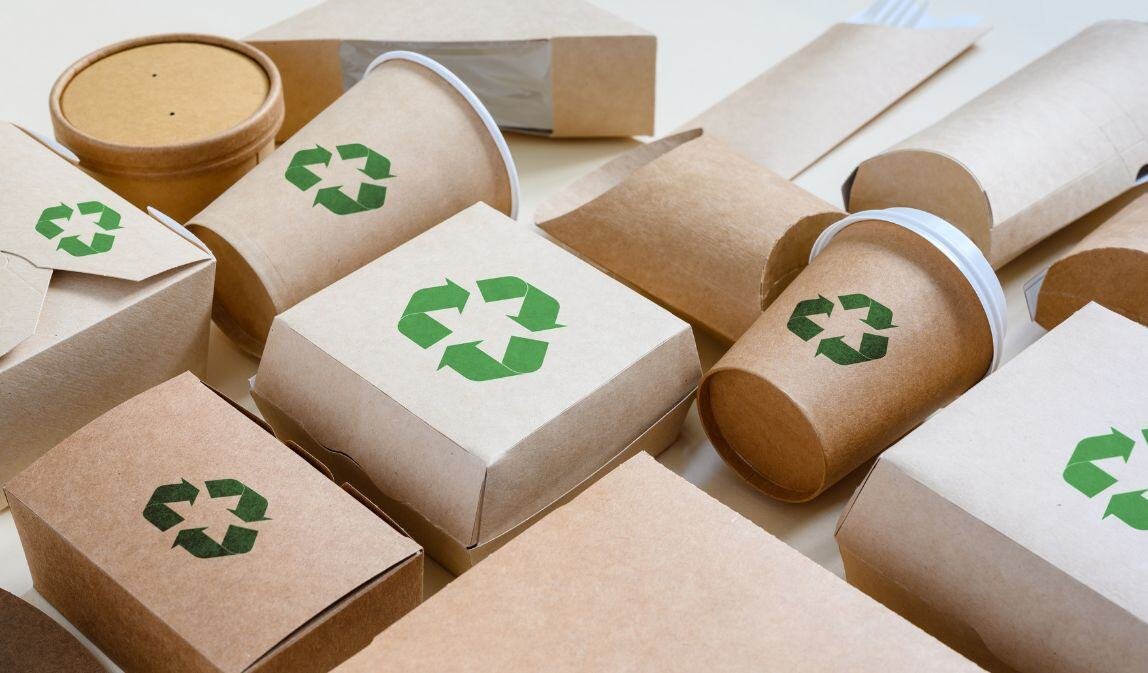
Print the green recycling symbols on your product packaging to inform customers that your packaging is recyclable.
The Business Case: Beyond Environmental Responsibility
Packaging waste reduction is not only about following the strict regulations and avoiding any penalty. More than that, sustainable packaging benefits businesses in many ways.
Reduced Material Costs
Without extra layers, wasted material, and plastic fillers, businesses will be able to save more on costs and purchase fewer raw materials.
Lower Packages = Lower Shipping Costs
Smaller and lighter packages reduce dimensional weight. Given that most carriers use DIM weights, smaller packages reduce freight costs and save significant money on e-commerce shipping.
Build a Strong, Responsible Business Image
With the growth of the sustainable movement, consumers link sustainable products with a responsible business image.
Regulatory Readiness
Choosing sustainable packaging will make it easier for your business to adjust and comply with upcoming regulations.
The Takeaway
Indeed, considering the environmental impacts, strict regulations made by governments, and market demand, businesses need to refine their packaging.
Sustainable packaging comes up as the best way for businesses to cut packaging waste and lower their environmental footprint.
Take steps today; audit your current packaging, choose recycled or kraft packaging options, eliminate excess void fill, and use soy-based inks.