

You want a diamond. A shiny one. The type that makes individuals go wha when they look at it.
But before that diamond gets to the shop, something wrong occurs on our planet. And you must know this, should you be fond of science.
In this article:
Where Did the Diamonds Come, Then?
Deep within the Earth, it is extremely hot, and everything is under intense pressure. And it is there that the carbon atoms squeeze together to the extent of creating a diamond. The most difficult thing in nature.
But to get one out? Humans have to dig. As genuine as, as, dig.
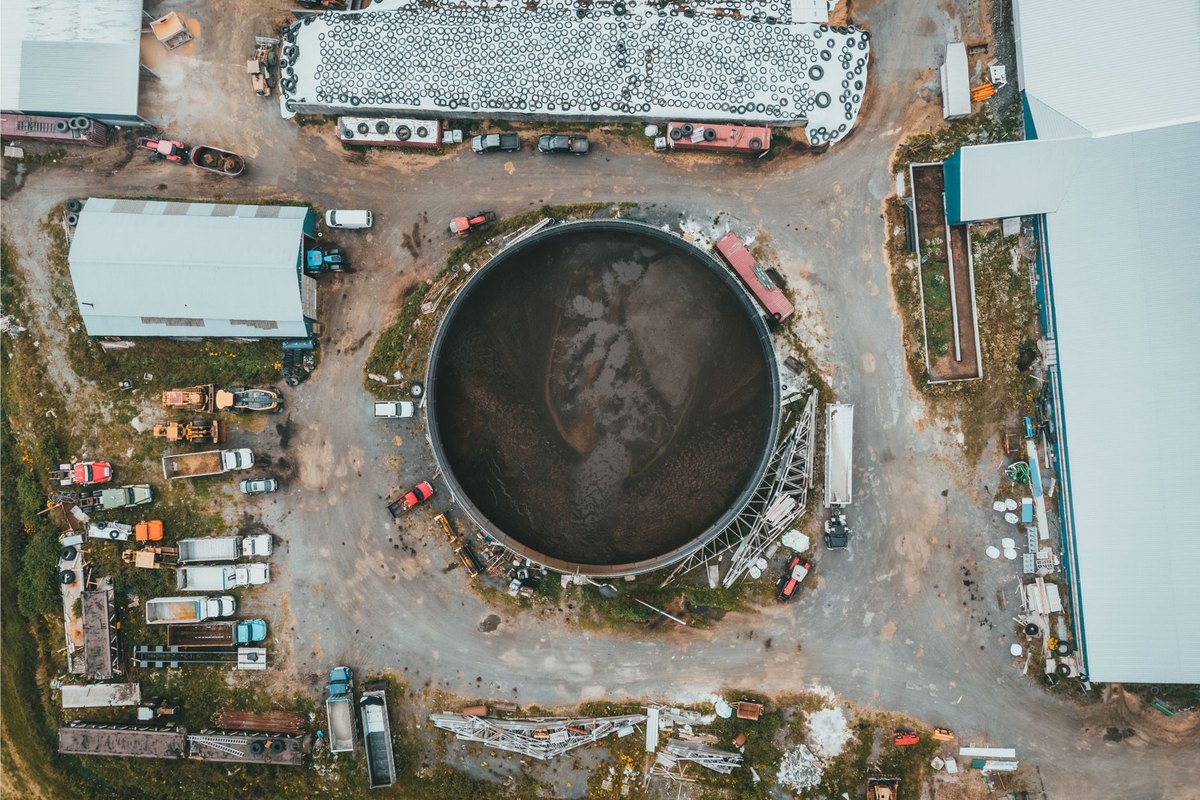
Huge holes in the ground. Large enough to see them with the telescope. Machines smashing rock to pieces. Big trucks that work 24 hours straight use diesel fuel.
All that mess. Only to be a small stone. That’s exactly where lab-grown diamond rings come into play!
The CO₂ Problem
CO₂ is released into the air when diesel burns. You likely are familiar with CO₂. The gas is what surrounds the earth with a blanket of way too thick heat. The Earth becomes hotter. Climate change is that.
This is a crazy number now.
It takes 1 carat of diamond to produce approximately 57,000 grams of CO₂. By the way, one carat is not more than 0.2 grams. However, the CO₂ expended on expelling it is equivalent to 130 miles in a car.
Tiny rock. Huge pollution. And millions of carats are mined each year.
Effects of Mining on Water and Soil
Now that’s a critical section!
Miners dig and drill through rocks to reach minerals mined underground for millions of years. Those minerals sat there, in stasis, sealed away. They do not just get wet; instead, a chemical reaction begins when they come into contact with air and water.
It is called Acid Mine Drainage or AMD.
Here is the step-by-step guide.
- Iron pyrite is a mineral found underground. Same color as gold, but it ain’t gold, what the miners call fool’s gold.
- It is formed from iron pyrite exposed to atmospheric oxygen and the moisture of the soil to yield sulphuric acid. Yes, actual acid.
- That acid subsequently cleans off heavy metals from the surrounding rocks, including arsenic, lead, and mercury.
- The bad things ooze into nearby rivers and groundwater.
The result? Water is poisoned. Fish die. Human beings are unable to drink it. Plant life is unable to grow around it.
What Is the Fate of Plants and Animals?
This is the biodiversity part. And everything that breathes, all living things in one place, is biodiversity. This is home to every bug, bird, plant, and little microbe there is, all living together.
It is the same with mining, except mining messes all of this up in a couple of different ways.
Habitats Are Sliced by Roads
Forest roads are made by companies to access a mine. They interdict the lands of animals. Wolves or big cats would need to roam over a massive area, for instance, to live. A literal road runs through their home. Divided groups get weaker over time.
We Knew That the Extinction of One Can Lead to the Extinction of All
Some animals we call a keystone species. They hold together the entire ecosystem. For instance, more bees mean more plants, as they really help in pollination. However, with the growing mining and pollution, bees are becoming less common. That means there are fewer foods and more hungry herbivores! Hungry herbivores make predators hungry. Change a little, and all breaks whole.
The Subterranean Life Is Effaced
Soil is not mere dirt. There are billions of tiny, living things in a single handful of healthy dirt. Bacteria. Fungi. Tiny bugs. They combine to decompose dead material and replenish nutrients to plants. The death of all those little creatures occurs when mining removes the topsoil.
Rivers Become Dead Zones
Remember AMD? Once such acidic water enters a river, it alters the pH of the water. The vast majority of river animals are extremely sensitive to pH. Any slight alteration kills off mayflies, water beetles, and other small insects.
What Scientists Figured Out
Scientists found a way to grow real diamonds in a lab.
Not fake ones. Actual diamonds. Same atoms. Same structure. Same hardness. A gemologist, someone whose whole job is identifying gems, cannot tell the difference even with special tools.
Two ways to do it:
HPHT — A tiny carbon seed goes into a machine. The machine creates insane pressure and heat, copying what happens deep inside Earth. Carbon slowly builds up around the seed. A few weeks later, a real diamond.
CVD — The seed sits in a sealed box full of carbon gas. Microwave energy breaks the gas apart. Carbon atoms float down and stick to the seed layer by layer. Diamond grows slowly like a crystal.
No giant holes. No blasting. No diesel trucks.
Clean Energy Makes It Even Better
Labs do use electricity to grow diamonds. Quite a lot of it, actually.
But here is the thing. Electricity can come from solar panels, wind turbines, or water. No burning needed. When a diamond lab runs on clean energy like this, the CO₂ per carat drops to 4 to 7 times lower than mining.
No habitat destruction either. No acid drainage. No soil damage. Labs sit in industrial areas, not in forests or near rivers. Biodiversity cost? Almost zero. The science to support this reality is good sounding, as many lab-grown diamond brands, such as Rosec Jewels, have based their entire collection around this fact.
Quick Summary
It poisons water, destroys soil, kills ecosystems, and releases enormous quantities of CO₂ into the atmosphere.
Lab diamonds grown with clean energy do none of that.
Same diamond. Way better for everything living on this planet.
The science is pretty clear on this one.