

As Australia continues to pursue its net-zero emissions target by 2050, the construction and infrastructure sectors are increasingly adopting renewable energy solutions to align with sustainability goals. One growing trend is the hire of renewable energy equipment. This is a cost-effective, flexible, and environmentally responsible way to power worksites, particularly for large-scale and remote infrastructure projects.
This blog explores what project managers, contractors, and developers need to know about hiring renewable energy solutions for infrastructure projects, including key benefits, available technologies, compliance considerations, and practical implementation strategies.
In this article:
The Role of Renewable Energy in Infrastructure Development
Infrastructure development, particularly in transport, utilities, and construction, is traditionally energy-intensive. It often relies on diesel generators and fossil fuels for temporary or off-grid power needs. However, with increasing pressure from government regulations, environmental, social and governance (ESG) expectations, and community stakeholders, infrastructure developers are now turning to renewable alternatives.
Hiring renewable energy solutions enables organisations to reduce carbon emissions, lower operating costs, and improve site efficiency. It also avoids the need for large capital investments. Hiring renewable energy equipment is a practical pathway to future-proof infrastructure projects and align with national and state-based sustainability frameworks.
Why Hire Instead of Buy?
While the benefits of renewable energy are widely recognised, not every project or organisation is ready or able to invest in owning the technology outright. Hiring offers a strategic advantage in many cases.
Key Benefits of Hiring Renewable Energy Equipment
Cost-effectiveness: Hiring avoids the high upfront costs of purchasing solar panels, battery storage, or hybrid systems. Instead, costs are spread over the life of the project, making budgeting more predictable.
Flexibility: Every site and stage of development has different power requirements. Hire solutions can be scaled up or down based on project needs, duration, and location.
Access to the latest technology: Hire providers often upgrade their fleets regularly, giving clients access to cutting-edge, efficient, and high-performance equipment.
Maintenance and support included: Equipment hire typically includes servicing, monitoring, and on-site support, reducing downtime and administrative overhead for project teams.
Reduced environmental impact: Transitioning from diesel to renewable hire solutions significantly cuts emissions, noise, and pollution. This benefits both regulatory compliance and community relations.
Types of Renewable Energy Equipment Available for Hire
A wide variety of renewable and hybrid energy systems are now available in the Australian hire market. These are suitable for construction sites, civil works, rail, mining, and remote infrastructure projects.
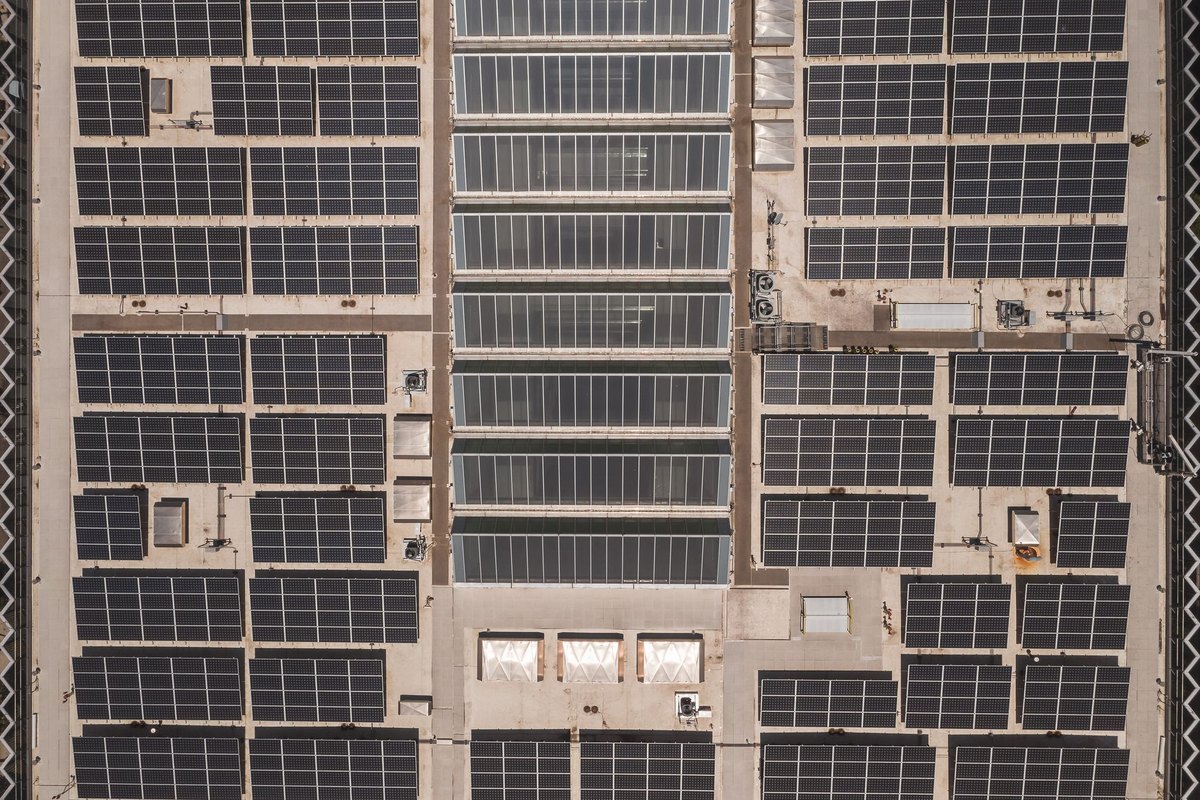
Solar power systems: Modular, containerised solar PV units can provide clean, silent energy for site offices, tools, communications equipment, and lighting. These systems are particularly effective in Australia’s sunny climate.
Battery storage units: Often paired with solar, lithium-ion or flow battery systems store excess energy for use during non-sunlight hours or peak demand times. They reduce reliance on diesel generators and improve energy security on-site.
Hybrid power solutions: Hybrid systems combine solar, battery storage, and backup diesel generators in one integrated solution. These are ideal for projects with variable loads or in locations where solar alone may not be sufficient.
Mobile solar light towers: These are solar-powered, trailer-mounted lighting solutions ideal for night works, road projects, or events. They reduce noise and fuel costs compared to traditional light towers.
EV charging stations: As electric vehicle use increases across construction and fleet operations, portable EV charging units powered by renewable sources are becoming essential.
Considerations Before Hiring Renewable Energy Solutions
To maximise the benefits and ensure seamless integration, it is important to evaluate several key considerations when hiring renewable energy equipment for infrastructure projects.
Energy needs assessment: Understand your project’s power requirements, including peak loads, daily usage patterns, and backup needs. This allows hire providers to size and configure the system correctly.
Site conditions: Consider geographic factors such as solar exposure, site access, and available space for equipment setup. Remote locations may benefit most from off-grid, containerised units.
Hire partner credentials: Work with providers who understand the infrastructure sector, offer tailored solutions, and provide full-service support including logistics, installation, monitoring, and maintenance.
Compliance and certification: Ensure the equipment and supplier meet relevant Australian standards and environmental guidelines. Some projects may require certifications for emissions reduction or sustainable procurement.
Integration with existing infrastructure: Determine whether the renewable system will operate independently or be integrated with existing site power setups. Hybridisation may be the most efficient option in transitional phases.
Regulatory and ESG Drivers
Hiring renewable energy equipment is not just about reducing emissions. It is also a strategic move to meet rising compliance obligations and ESG benchmarks.
Regulatory Considerations
NSW and Victoria have introduced policies mandating carbon reduction measures for government-funded infrastructure. The Infrastructure Sustainability Council (ISC) ratings reward the use of renewable energy and low-emission equipment. National procurement policies increasingly prioritise contractors who demonstrate environmental responsibility.
ESG Impact
Using hired renewable equipment can contribute to your project’s Scope 1 and Scope 2 emissions reduction targets. Demonstrating sustainable practices strengthens your organisation’s social licence to operate, particularly in urban or sensitive areas.
Future Trends
The future of infrastructure is being shaped by both technological advancement and climate responsibility. Renewable energy hire is expected to grow in line with several key trends.
These include increased electrification of construction equipment, broader adoption of battery energy storage systems, smart monitoring and AI-based optimisation of hybrid systems, and government incentives for clean energy use in construction.
As the market matures, hiring models will become more customised. Performance-based hire agreements, carbon reporting integration, and modular mobile energy hubs are likely to dominate the landscape.
Final Thoughts
For Australian infrastructure projects, hiring renewable energy solutions offers a practical, scalable, and sustainable way to meet energy needs while reducing environmental impact. It is no longer a niche option. It is fast becoming the industry standard.
By partnering with knowledgeable hire providers and integrating renewable energy solutions into project planning from the outset, infrastructure developers can unlock significant benefits including cost savings, compliance advantages, reduced emissions, and a reputation for innovation and responsibility.
As the demand for sustainable infrastructure grows, so too does the opportunity to lead the transition. Hiring renewable energy equipment is not just smart. It is essential for building the future sustainably.