
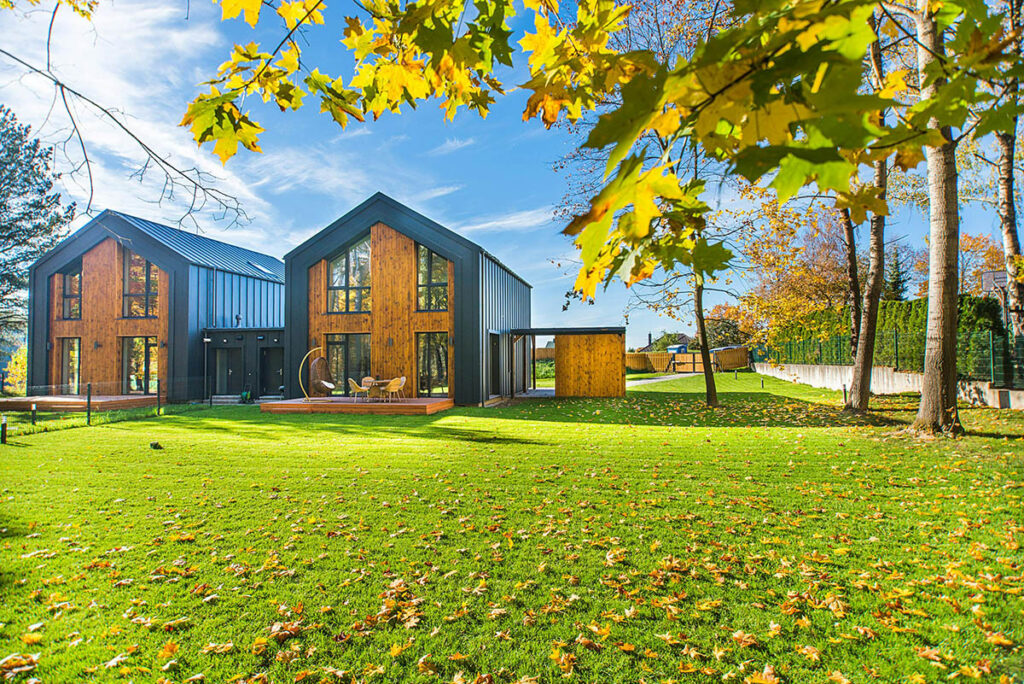
Building a more resilient home calls for a fabric-first approach that’s founded on a combination of climate-smart design and practical technologies. Through prioritizing energy-efficient envelopes, renewable power and water conservation, homeowners can lower their carbon footprint and protect their home against extreme weather conditions like floods and heatwaves.
Current trends in modern home design have been gradually shifting away from the traditional basic energy efficiency models to a more comprehensive system of climate-adaptive resilience. Building a standard residential structure simply doesn’t suffice anymore in a world that’s constantly plagued with extreme weather events, prolonged utility disruptions and localized flooding.
Nowadays, true residential sustainability relies on having an active strategy that balances structural integrity with decentralization. By incorporating practical, eco-friendly technologies into their homes, people can build or retrofit spaces that actively protect their occupants, lower the costs of daily resources and maintain their critical lifelines during periods of severe infrastructural failures.
In this article:
The Structural Envelope
To systematically safeguard a home, green building technologies must be incorporated into the three foundational layers, specifically:
- The structural envelope
- The water infrastructure
- The energy system
Together, these make up the core pillars of climate-resistant home engineering. The physical shell of your house, or the structural envelope, is your first line of defence. A resilient building envelope should focus on keeping your indoor environments safe and physically intact under extreme environmental stressors.
High Performance Thermal Barriers
Advanced wall fills and dense attic insulation can be used to keep your interior zones stable. This passive thermal protection is capable of maintaining survivable indoor spaces in the event of severe heatwaves or plummeting winter temperatures, even if your main power grid fails.
Alternative Building Technologies (ABTs)
Using engineered structural panels as opposed to traditional timber framing can significantly reduce the structural vulnerabilities in your home. These materials offer your home superior resistance against high-velocity winds and minimize the risks of fire propagation.
Passive Architectural Design
You can maximize the thermal comfort of your home without having to rely on energy-intensive mechanical heating, ventilation and air conditioning systems (HVAC) by choosing:
- Strategic window placements
- Deep roof overhangs
- Natural pathways for cross-ventilation
These cost-effective and sustainable solutions will ensure that the structural integrity of your home remains undamaged in the face of extreme weather events or unexpected utility disruptions, allowing you to maintain a reasonable indoor temperature regardless of a heatwave or winter freeze wreaking havoc outside.
Water Decentralization and Off-Grid Treatment
Variations in climate can significantly increase the likelihood of both severe regional droughts and sudden storm surges. As a result, securing a clean domestic water cycle is a vital factor for ensuring the long-term survival of your household.
A reliable method to ensure your home is safe from flooding and that you always have access to clean and safe drinking water should include:
- Setting foundations above historical high water marks to prevent flash flood waters from getting into your living spaces.
- Harvesting rainwater through rooftop gutter channels that redirect raw water into durable collection tanks, giving you an independent supply buffer.
- Using a strong gravity-fed filtration system equipped with high-performance Black Berkey Elements to ensure a reliable extraction process to filter out submicron pathogens, heavy metals and harmful chemicals, rendering raw environmental water completely safe for drinking.
By creating a water supply system that can exist independently, you can ensure that you always have access to clean drinking water. The addition of a high-performance filtration system that can treat water without relying on electricity or water pressure adds an extra layer of security to your continued water supply.
Energy Security and Decentralization
Having a decentralized electrical infrastructure will ensure that your home remains fully operational even when the municipal services go offline during a severe storm.
Rooftop Photovoltaic (PV) Arrays
Solar panels are the backbone of any self-sustaining home, giving you protection from things like:
- Grid instability
- Market pricing spikes
- Unpredictable localized blackouts
Hybrid Battery Storage
When you couple your solar panels with dedicated lithium or iron phosphate battery banks, you can ensure that clean power flows continuously overnight or during multi-day storms.
Smart Micro-Loads
Automated energy management tools are a great way to help you track your energy consumption metrics and automatically prioritize the distribution of power toward vital emergency appliances in the event of a power outage.
Sustainable Technologies For Modern Homes
Building a self-sustainable home isn’t as difficult as many people believe it to be. There are many small changes that people can start making to their homes that will gradually reduce their reliance on external systems for the continued operations within their homes. When things like severe weather events or municipal disruptions happen, having a truly self-sustainable home will allow you to continue about your life with minimal impact to your safety and comfort.
Sustainable living isn’t just about having a high-tech residence fitted with all the latest technology; it’s about building a truly self-sustaining structure that will carry you through the harshest storms.