

Six years, four signs. That was the running total at a coffee roaster outside Portland: vinyl that faded, laminate that peeled, an acrylic panel that cracked its first hard winter and never came back. Every swap meant a fresh order and another slab of plastic in the bin. And not one of those replacements ever showed up in the company’s sustainability reporting, because signage almost never does.
Strange, when you sit with it. A business will meter its electricity, grill its suppliers, and lose sleep over whether the takeaway cups compost properly, then bolt a disposable sign to the wall and forget it exists until the day it falls off.
In This Article:
Why the sign never makes the checklist
Blame the budget, mostly.
Signage gets paid for out of marketing, or facilities. Sustainability lives on a different spreadsheet, watched by different people, and so the replacement cycle hides in plain sight. A faded banner gets reordered as a line item nobody questions. Filed under expenses. Never under waste. Years go by like that, and because no single person ever sees the whole pattern, a cost that’s both real and repeating stays completely invisible.
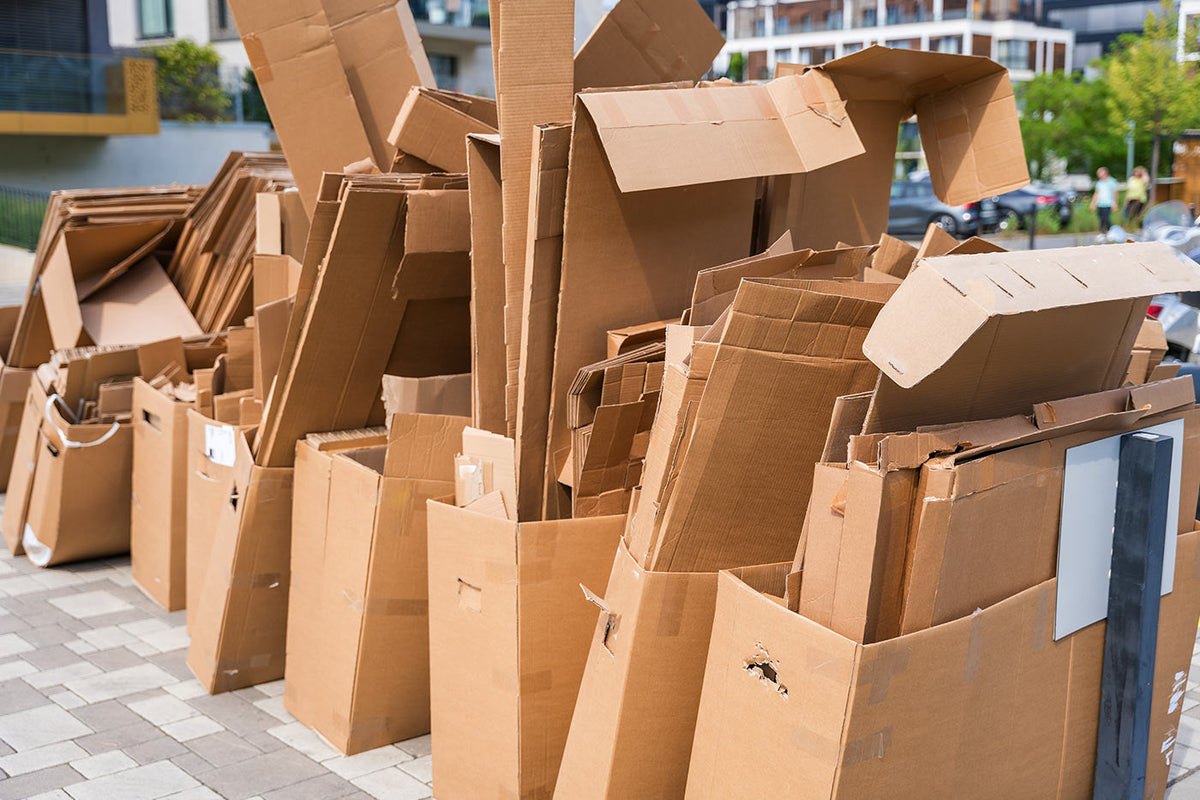
Underneath the accounting problem sits a materials one. Vinyl banners, foam board, the budget acrylics: most of it is engineered down to a price, not up to a lifespan. Give it two or three years outdoors and the UV has finished the job. Now picture that across a storefront, a lobby, and a car park’s worth of directional arrows. The material piles up faster than anyone expects. It’s the same unglamorous accumulation businesses tend to notice only once they start auditing how to cut packaging waste: cheap, constant, and nowhere on the books.
What actually lasts
The lever is dull but it works: things that don’t need replacing don’t generate replacement waste.
Material is where that gets decided, and glass is about the most durable thing you can put your name on. Etched and engraved panels shrug off the UV, the damp, and the freeze-thaw that turns printed signage to litter inside a couple of summers. They don’t yellow. They don’t peel. A well-made set of glass signs is something you measure in decades rather than seasons, which is an oddly old-fashioned thing to be able to say about anything you buy in 2026.
Then there’s the end of the line. Glass recycles more or less forever; the EPA notes that glass containers can be recycled over and over without the quality falling away. Signage glass isn’t bottle glass, mind you, and your local kerbside scheme may or may not take it, so I won’t pretend it’s a tidy closed loop. But it dodges the dead end of a laminated composite board, where plastic and substrate are fused for good and nobody is ever pulling them apart again.
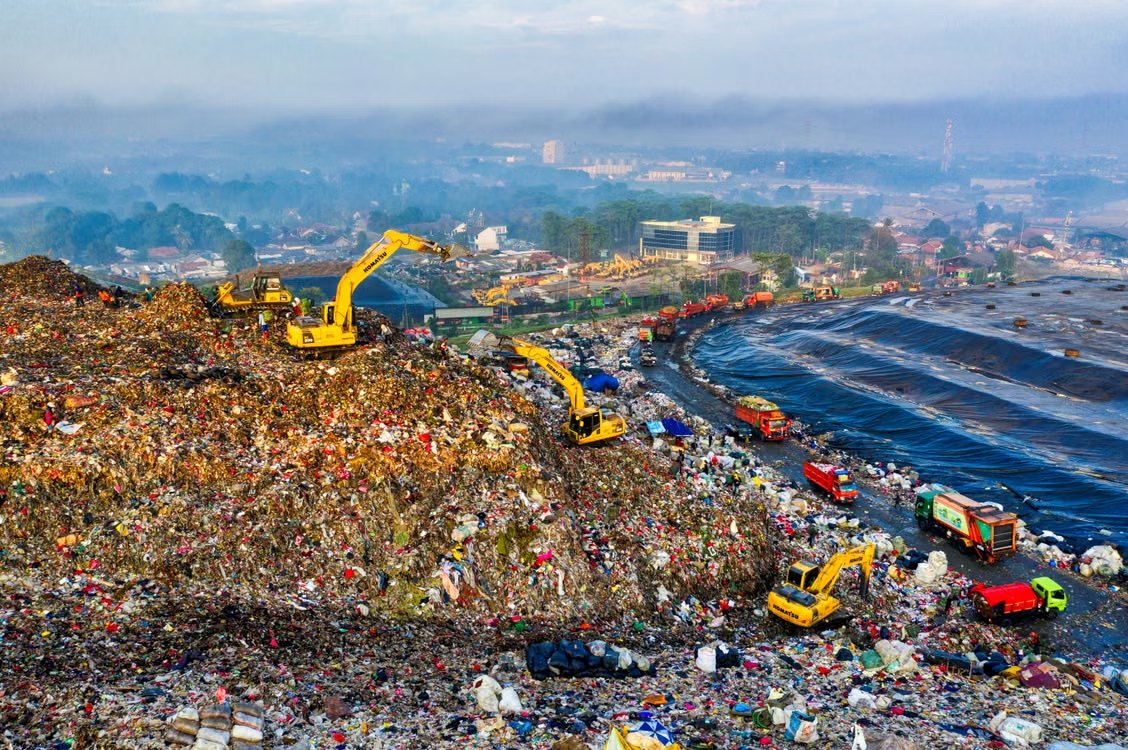
Worth running the numbers on the part you can’t see, too. Every replacement sign drags a whole production run behind it. The raw stock. The energy to form it. The packaging, and the van that brings it over. Buy once and you pay that bill once. Buy cheap and replace it five times across a decade, and you’ve settled it five times over, plus five separate trips to landfill.
The low sticker price is usually the expensive option in disguise.
The number that should bother you
One statistic, then I’ll let it sit. The EPA puts glass at around 4.2% of US municipal solid waste in a recent tally, with only about a third of glass containers actually getting recycled. Read that twice. Glass shows up in the waste stream in serious tonnage, and most of it still isn’t recovered. One business choosing a sign it never throws away is a rounding error against a figure like that. Ten thousand of them stop being a rounding error.
Fair objection, though: this doesn’t scale to everyone. The pop-up that’s in a new spot every quarter has no business sinking money into permanent glass, and disposable is the honest call when the use is genuinely short-lived. The durability case only earns its keep where the location is fixed and the lease runs long enough for the sign to outlast the decision that bought it.
It rarely stops at the sign
Something shifts once a company files signage under sustainability instead of procurement. Other forgotten corners start surfacing. It’s the same jolt of recognition some teams get the moment they work out that switching to greener web hosting had been trimming an invisible slice off a footprint they’d never thought to measure. Branding, servers, packaging, freight: all of it runs on set-it-and-forget-it, and forgetting is precisely where the cost goes to hide.
A sign also pulls its weight in a way no ledger will ever record. It’s the first physical object a customer meets. A heavy etched panel reads as permanence, as somebody having cared, in a register a sun-bleached banner simply can’t reach. For a brand that sells itself on doing things properly, the material has to stand behind the claim. People clock it when the values stop dead at the tagline. They clock the opposite too, and that one they remember.
So, the call
Not every sign needs to be glass. The point is smaller and more irritating than that. Signage belongs in the same conversation as your energy contract and your packaging, rather than being the thing you sort once and never look at again. Find the spots that are actually permanent. Pick something that can take the weather you genuinely get, not the weather in the brochure. Do that much, and a nagging repeat expense and a repeat trip to the tip collapse into a single decision you make properly, one time. The sign is making a statement about you either way. Might as well be one that holds up.