
On a lot of small farms, the first sign that a biogas digester is in trouble is not a dashboard alert. It is the generator coughing at 6 a.m., or a flame on the cooker that has gone lazy and yellow. By then the bacteria inside the tank have usually been unhappy for days, sometimes weeks, and recovery can take longer than the problem took to develop.
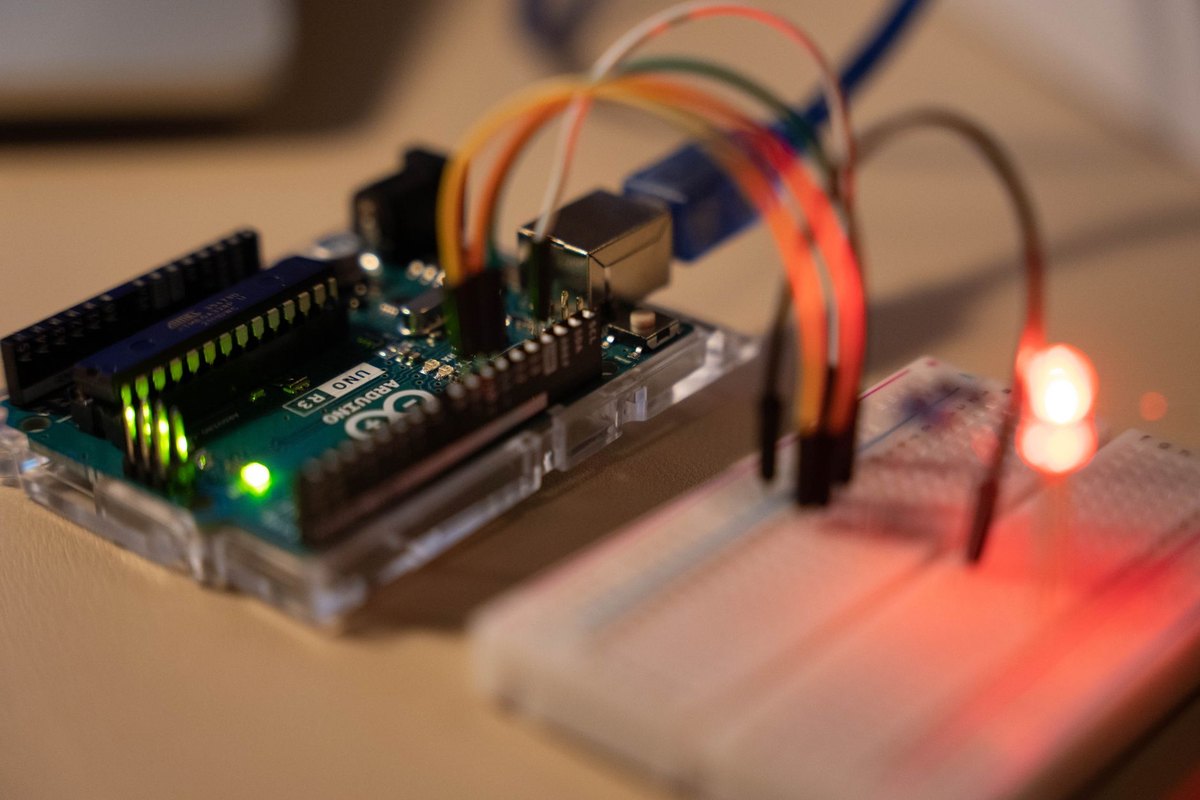
Industrial plants handle this with SCADA systems priced for thousands of tonnes of feedstock a year. A family dairy with a 50 m³ digester, or a village cooperative sharing a solar-plus-biogas microgrid, needs something else: a few inexpensive sensors, a microcontroller, and a clear idea of what is worth measuring.
In This Article:
Why does a small digester go wrong without anyone noticing?
Picture a pig farm that changes feed supplier in late autumn. Gas still comes out. Meanwhile the slurry turns slightly more acidic, the tank cools a few degrees on cold nights, and the methane share drifts down. Three weeks later the engine won’t start.
Anaerobic digestion tends to fail slowly. The microbes that produce methane are generally more sensitive than those breaking feedstock into acids, so when conditions shift, acids can accumulate. Large plants catch this with lab tests and continuous gas analysis. On a farm, the usual “sensor” is the person who walks past the tank twice a day.
That person is busy.
Monitoring at this scale is not about squeezing out an extra percent of efficiency. It is about seeing a trend early enough to adjust feeding, add insulation or call for advice before the biology needs restarting.
Four continuous measurements that give a small system a first line of defence
A common mistake on first builds is trying to measure everything a research digester would. Most early warnings come from a short list:
- Digester temperature. Many farm digesters run in the mesophilic range, roughly 35–40 °C, and stability usually matters more than the exact figure.
- Daily gas volume. A pulse-output gas meter turns “the bag looks flatter” into a dated number.
- Methane share. A stressed digester can keep producing gas with less fuel value in it.
- Electrical output and load, wherever the gas runs a generator or feeds a microgrid.
Where gas feeds an engine, H₂S belongs on the list too, even as a periodic check, because elevated concentrations contribute to corrosion and shorten equipment life. For cooking-only digesters, the methane trend usually matters more.
Some of the most useful data needs no sensor at all. A log of feed quantity, type and date costs nothing and often explains puzzling trends. Weekly pH checks help, but pH tends to move late, because the slurry’s buffering holds it steady while acids are already building. Where operators can manage a simple titration, alkalinity or a VFA/alkalinity indicator can reveal imbalance earlier.
Cheap gas sensors versus honest ones: where the money actually matters
Gas analysis is where low-cost builds most often go sideways, usually because two different jobs get confused. A safety sensor detects combustible gas that has leaked into the air around equipment. A process sensor measures CH₄ and CO₂ inside a conditioned sample of the biogas itself. One device rarely does both well.
Cheap metal-oxide sensors from the MQ family are generally better suited to the first job. They are typically specified for methane concentrations far below those in raw biogas, which commonly runs at 50–70% methane, and their response also shifts with humidity and other gases.
A sensible farm setup pairs a cheap leak alarm with an NDIR module that samples the gas line through a condensate trap, since biogas leaves the tank warm and saturated with water. NDIR performance varies a lot between models, and calibration requirements differ too, so the datasheet is worth more than the forum thread.
What a basic package looks like, and what “affordable” really means
Costs vary widely by region and certification level, so tiers say more than price tags. Money goes furthest on robust temperature, flow and energy measurements first, with gas-quality sensing added where it earns its keep.
| Tier | What it adds | Questions it answers |
| Basic logging | Temperature probe, pulse gas meter, electrical energy, local logger with storage | Is the digester producing, and how much energy reaches users? |
| Process monitoring | NDIR CH₄/CO₂ on periodic sampling, feed records | Is gas quality holding up as feed and seasons change? |
| Engine protection and remote monitoring | H₂S checks, remote alerts, backup power | Is the engine at risk, and does anyone hear about a fault in time? |
On the electrical side, a commercial meter on every circuit is rarely necessary. Small PCB-mounted current transformers are a common low-cost way to follow load on AC circuits, and a catalogue search for current transformer PCB-mount parts turns up plenty of inexpensive options. Current alone, though, suits rough tracking far better than energy accounting: real power depends on synchronised voltage and current readings, which matters with the pumps and motors found on most farms. Accurate figures need a dedicated energy-metering IC or a certified meter, with the voltage sensing isolated as carefully as the current side.
Where the data starts paying off
For one digester, the raw volume is modest. The value builds in two other ways.
The first is time. Three winters side by side can show whether extra insulation helped, or whether new bedding quietly cut gas yield. Once enough clean data has accumulated across normal operating and seasonal conditions, alarms no longer have to rely on fixed thresholds alone. A rolling baseline can flag an unusual combination, such as slightly lower output, a falling methane share and a cooler tank, before any single reading crosses a limit.
The second is aggregation. A cooperative or rural programme supporting many small digesters can compare sites with similar climates and feedstocks, and a dip that looks like noise on one farm may become obvious across thirty.
All of this assumes the numbers can be trusted, and a bad reading is often worse than none. Logging calibration dates and sensor replacements alongside the data, flagging missing or impossible values instead of quietly filling them, and checking key sensors against a handheld reference now and then is usually enough to tell a biological change from a drifting sensor.
When the numbers change, where to look first
| What the readings show | Possible cause | What to check |
| Gas volume down, temperature down | Digester cooling | Insulation, heating, recent weather |
| Gas volume down, methane share stable | Less or poorer feed | Feed records, loading rate |
| Methane share down, gas still flowing | Process imbalance | pH, alkalinity or VFA, recent feed changes |
| Electrical output down, gas stable | Generator or load problem | Engine service, wiring, connected loads |
| H₂S rising | Desulphurisation media exhausted | Filter or media condition |
These are clues for where to look first, not universal thresholds. Every digester develops its own operating baseline, and consistent records are what reveal it.
What tends to break in year one, and rarely makes it into build guides
Start with the assumption that the connection will fail, because sooner or later it will. Readings should be buffered locally and forwarded whenever connectivity is available, through Wi-Fi, a LoRa/LoRaWAN gateway or a cellular modem. Control logic belongs on site, with the internet treated as a reporting channel only. After that, the weak point is usually the box itself.
Hydrogen sulphide eats electronics. H₂S corrodes copper and silver, so exposed pins and solder joints near gas equipment can degrade within months. Conformal coating, sealed connectors and some distance from gas handling all help.
Condensation inside “waterproof” enclosures. An IP65 box keeps rain out but traps humid air. A membrane breather vent and fresh desiccant each season often do more than extra gaskets.
The logger dies with the power. A small backup battery lets the controller record an outage instead of vanishing with it.
Rodents. Not glamorous. Conduit-protected cabling saves a lot of repeat visits.
None of these show up on a bench test.
Why this matters beyond the farm gate
Reliable monitoring does more than protect a digester. Gas yield per unit of feedstock, generator runtime, energy delivered and downtime show whether a small project is meeting its energy-service goals. Standardised operational records can also complement broader sustainability assessments with credible data on energy output, reliability, feedstock use and access to energy services. Across a cooperative or programme, records kept in a common format help separate technology problems from feedstock, maintenance or training problems, which is exactly what planners and funders need when deciding what to replicate and what to redesign.
The most successful small systems tend to look unimpressive on paper: a few well-placed sensors, a board that survives the barn, and a chart someone checks over morning coffee. The hard part is keeping it running long enough for the data to tell a story about the digester, the seasons and how the farm really uses its energy.