

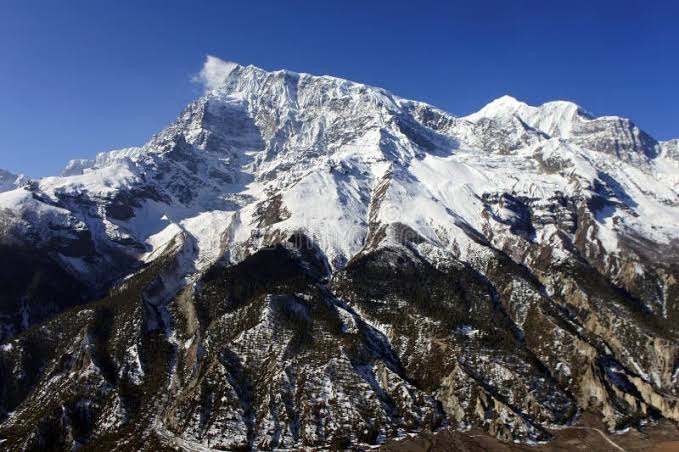
Himalayas are famous and recognized for their towering peaks, remote rural villages, and unforgettable trekking experiences. However, beneath the astonishing views lies a fragile mountain ecosystem that faces increasing pressure from tourism, the effects of climate change, and the amount of waste generated during the trekking experience.
As trekking is gaining popularity among adventure travelers, the need for environmental conservation has become one of the most important topics in the mountain areas of Nepal.
Each and every trekking trail within the Himalayas passes landscapes that support unique wildlife, alpine vegetation, freshwater sources, and local communities. Protecting these natural assets is not only essential for the environment but also for the future of trekking itself. Sustainable trekking practices can help preserve the Himalayas for generations of adventurers to come.
In This Article:
How the Manaslu Circuit Trek Supports Environmental Conservation
In Nepal, there are many well-known trekking trails; however, among them is the Manaslu Circuit Trek, which is an example of a place where conservation and tourism are interlinked. It lies in the region surrounded by the Manaslu Conservation Area, which covers a variety of ecological zones starting from the subtropical to the alpine zones.
The conservation area was created to conserve biodiversity in the area and allow the people living in the region to benefit from it. People who walk through this region usually come across untouched forests, pure rivers, and other untouched landscapes in comparison with other regions that attract many tourists.
Himalayan Masters, for example, promote responsible trekking by informing tourists about the importance of reducing their impact on the environment and the nature surrounding them.
Environmental Challenges Facing Himalayan Trails
Even with the existing conservation efforts, there are a number of environmental issues surrounding Himalayan trekking routes.
Accumulation of Waste
Non-biodegradable waste, such as plastic water bottles and snack wrappers, can last in the mountain environment for decades. The lack of adequate waste facilities in the remoteness of these areas poses significant environmental challenges.
Trail Erosion
Each year, thousands of people use these mountain trails along with their packed animals. Together with the heavy rains, it may contribute to soil erosion.
Increased Pressure on Natural Resources
Trekking lodges depend on natural resources for their needs. Increased tourism may pose additional pressures on forests and freshwater supplies if those resources are not used sustainably.
Climate Change
The Himalayan region warms up faster than most of the planet. Melting glaciers, changing snow precipitation, and higher risk of landslides have been affecting trekking areas all over Nepal.
Conservation Benefits of Responsible Trekking
Trekking can be utilized as an instrument for environmental conservation when implemented responsibly. The funds from tourism can go towards funding conservation projects, maintenance of trails, and environmental activities by local communities.
Here are some benefits of responsible trekking to the environment:
- Funds for protected zones and conservation projects
- Helping communities dependent on sustainable tourism
- Awareness of environmental protection
- Motivation for preserving forests and wildlife habitats
- Involvement of communities in conservation projects
Instead of being considered a risk to natural resources, conservationists see responsible trekking as an ally in the conservation of the mountain environment.
Mountain Biodiversity in Nepal
The mountains where trekking occurs in Nepal are characterized by high biodiversity. Various species require an intact mountain environment protected by conservation projects.
| Ecosystem Zone | Common Wildlife | Conservation Importance |
| Lower Forests | Himalayan black bear, langur monkey | Forest preservation and watershed protection |
| Mid-Hills | Musk deer, pheasants | Habitat connectivity |
| Alpine Region | Blue sheep, Himalayan tahr | High-altitude ecosystem stability |
| High Mountain Areas | Snow leopard | Biodiversity conservation indicator |
The presence of snow leopards is one of the signs of the environmental significance of the trekkers’ protected zones. Preservation of habitats on trekking routes is essential for wildlife survival.
What Trekkers Can Do to Reduce Their Impact
Environmental conservation is not solely the responsibility of governments or conservation organizations. Individual trekkers also play a vital role.
Simple actions can make a significant difference:
- Carry a reusable water bottle instead of purchasing single-use plastics.
- Dispose of waste appropriately or pack it out when there are no proper facilities.
- Walk only on marked trails to minimize soil erosion.
- Be considerate towards wildlife and their natural habitat.
- Encourage community-owned hotels.
- Follow conservation guidelines provided by guides and trekking companies.
Responsible choices made by thousands of visitors each year collectively contribute to healthier mountain environments.
Conservation and Community Go Hand in Hand
Among the strong points of Nepal’s approach to conservation lies the engagement of local communities in it. Many conservation areas utilize community-based management schemes, which give locals a chance to be involved in the process and profit from tourism.
When people in the community receive financial gains from trekking, they have more incentives to conserve forests, wildlife, and nature in general. Thus, conservation and the economy of the local population complement each other and create a favorable environment for both.
As an example, we can take the success story of the Manaslu Conservation Area. The conservation area shows that conservation is most effective when local people are active partners rather than passive observers.
Preserving the Future of Himalayan Trekking
The future of trekking in Nepal relies on the condition of the country’s mountain environments. Clean paths, healthy forest ecosystems, reliable water sources, and thriving wildlife species are integral aspects of the experience of trekking that bring tourists to Nepal from all corners of the world.
Environmental protection is not a hindrance to tourism; rather, it is a basis for sustainable tourism. Through the adoption of responsible trekking practices and the promotion of environmental conservation, trekkers play an active role in ensuring that the paths of Nepal’s Himalayas continue to be unique sites for future generations.
Each responsible step taken now is one that helps preserve the mountains of adventure.