
Renewable energy campaigns succeed when they engage, educate, and inspire action.
Explore practical strategies that will ensure your campaign (whether online or in person) makes a lasting impact on your audience.
In this article:
Creating Memorable Visual Branding for Campaign Events
Visual branding leaves a lasting impression. It serves as the first interaction people often have with your campaign, setting expectations and building curiosity.
For in-person events, focus on elements that stand out and communicate the core message quickly. Use banners, posters, or custom yard signs to catch attention in busy locations like parks or schools. Choose bold colors and clear fonts that are easy to read from a distance.
And online campaigns benefit from consistent branding across all platforms—logos, colors, and graphic styles should tie everything together seamlessly. Infographics work well on social media posts because they convey data visually without overwhelming viewers.
Using Storytelling to Connect with Audiences
Stories make complex topics relatable. They simplify technical ideas and connect emotionally with audiences.
For in-person campaigns, share narratives during presentations or workshops. A story about a local community reducing energy costs by adopting solar power, for example, can resonate deeply.
Consider using short videos or animations for these moments—people absorb stories better when they see them come alive.
Online, storytelling works wonders through posts or short reels that show the tangible benefits of renewables. Highlighting individuals’ journeys toward sustainable living is sure to be highly engaging.
Incorporating Hands-On Demonstrations and Workshops
Engaging hands-on activities create lasting impressions while making renewable energy concepts easier to grasp.
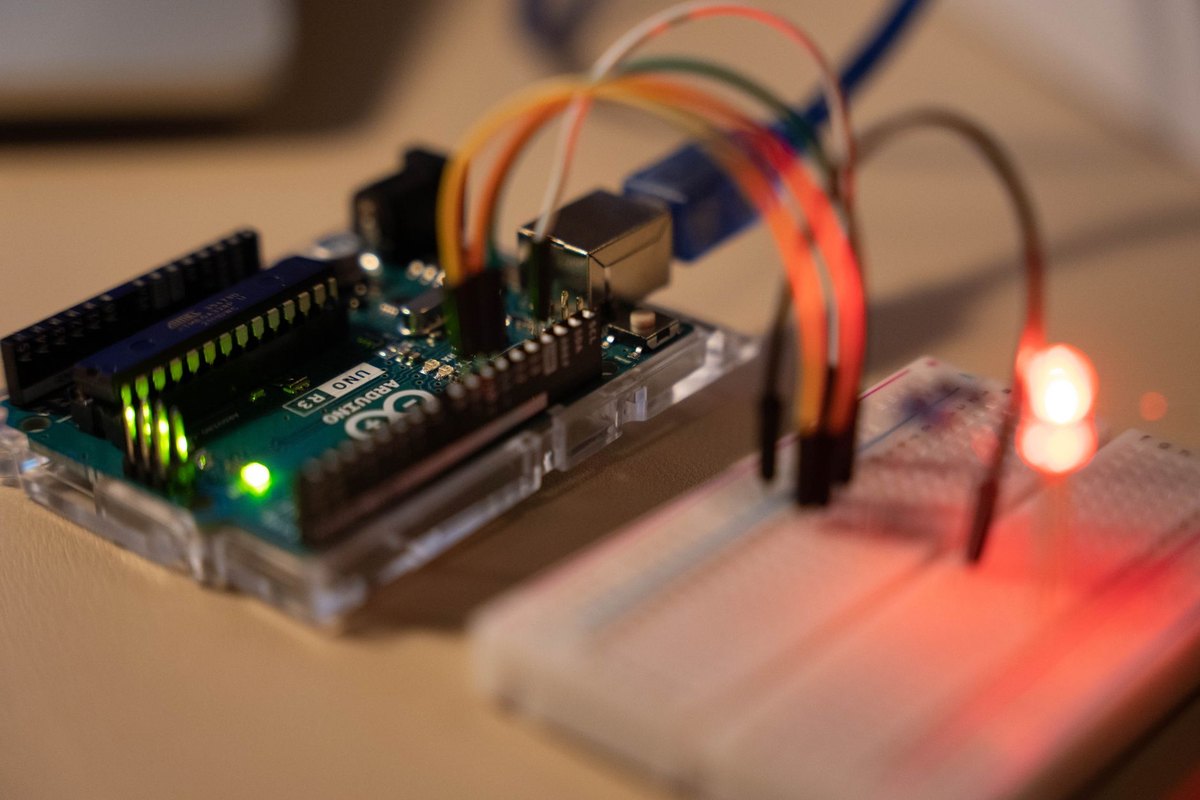
For in-person events, set up interactive demonstrations and offer workshops where participants can explore how renewable technologies function in real life, encouraging questions and experimentation.
Online campaigns can use live-streamed tutorials or virtual classes that guide viewers through similar activities at home.
Hands-on experiences break down complex topics into tangible lessons people won’t forget. They build understanding, excitement, and practical knowledge about renewable solutions.
Partnering with Schools and Community Organizations
Collaborating with trusted local institutions is sure to amplify your campaign’s reach. These groups already have established networks, making it easier to engage diverse audiences effectively.
For in-person efforts, work with schools to host educational assemblies or science fairs focused on renewable energy. And partner with community organizations for events like clean energy expos or neighborhood workshops.
Such partnerships provide access to venues, resources, and a ready audience.
Online campaigns can feature guest appearances from educators or organization leaders in webinars or social media live sessions.
Sharing co-branded content also helps establish credibility within the community.
Partnerships strengthen your message by connecting it directly to groups that people trust and frequently interact with!
Leveraging Social Media for Broader Engagement
Social media is a powerful tool for expanding your campaign’s reach. Platforms like Instagram, Facebook, and TikTok let you share information in formats people actively engage with daily.
Create short videos or infographics to explain renewable energy concepts concisely. Use trending hashtags to boost visibility among new audiences. And regularly post updates, event announcements, and success stories to keep followers involved.
For interactive elements, host Q&A sessions or polls on platforms such as X or Instagram Stories.
Encourage followers to share posts by making content visually appealing and easy to understand.
Social media allows campaigns—whether small-scale or large—to connect widely while fostering real-time interaction with participants everywhere.
Designing Content Tailored for Different Age Groups
Effective campaigns speak directly to their audience. Tailoring your content ensures that the message resonates with various age groups, making renewable energy concepts accessible to all.
For children, use simple language and colorful visuals like cartoons or games in presentations or online posts. Teens may engage better through dynamic videos, challenges, or interactive quizzes that link renewable energy to modern issues they care about.
Adults often prefer data-driven explanations paired with practical applications for daily life. Infographics or community success stories work well both in-person and online.
When you design with your audience’s preferences in mind, your campaign becomes relatable—building understanding across generations while driving engagement effectively.
Utilizing Localized Data to Make the Message Relevant
Localized data creates a personal connection. It helps audiences see how renewable energy impacts their specific community, making your campaign feel more relevant and actionable.
For in-person events, share statistics on local energy consumption or savings from nearby solar installations during presentations. Highlight success stories of residents or businesses that have adopted renewables in the area—it fosters trust and inspiration.
Online campaigns can use region-specific infographics or maps showing renewable projects in progress. Include comparisons of how shifting to clean energy could benefit local air quality or reduce costs for households.
Addressing Common Myths About Renewable Energy Directly
Misinformation creates barriers. Tackling myths head-on clears confusion and builds trust in your campaign’s message.
For in-person settings, host Q&A sessions or panel discussions with experts to debunk misconceptions, like renewable energy being too expensive or unreliable. Visual aids such as charts comparing costs over time help reinforce accurate information.
Online campaigns can use engaging formats like “Myth vs. Fact” posts, short videos, or infographics to address these false beliefs clearly. Encourage followers to ask questions in comments for real-time clarifications.
Dispelling myths empowers people with facts while fostering confidence in renewable energy’s practicality and long-term benefits!
The Bottom Line
Successful renewable energy campaigns combine creativity, relevance, and community connections. By using the above strategies, you can inspire change, build awareness, and empower audiences to embrace a cleaner and greener future.