
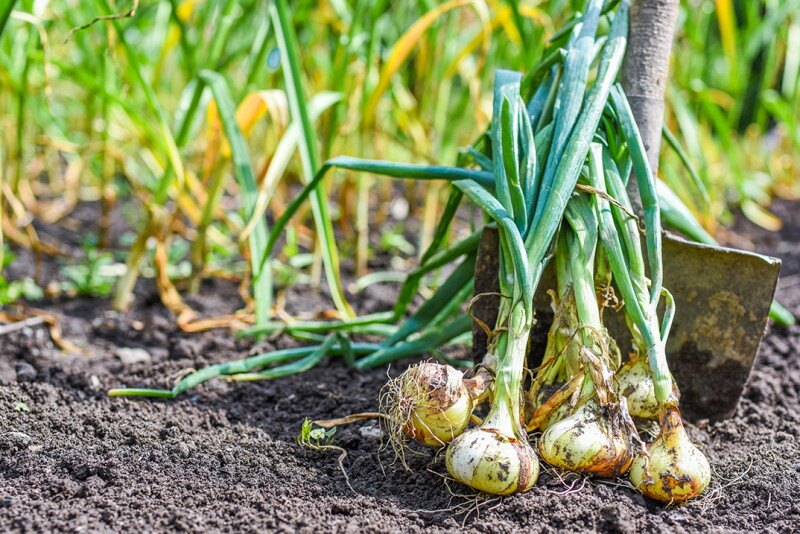
As agriculture faces growing pressure to conserve natural resources, reduce waste, and maintain long-term soil productivity, farmers are looking for practical ways to make crop production more sustainable. Garlic farming offers several opportunities to support these goals when production practices are carefully planned.
From crop rotation and soil management to responsible water use and agricultural waste utilization, garlic can be integrated into farming systems that balance productivity with environmental considerations. For growers, food businesses, and agricultural communities, improving the sustainability of garlic production can also contribute to a more resilient food supply chain.
The Importance of Sustainable Garlic Production
Garlic is cultivated in many regions and is an important crop for both local food markets and international trade. Like other agricultural crops, however, garlic production requires land, water, nutrients, energy, and labor.
Sustainable garlic farming focuses on using these resources efficiently while maintaining reliable yields. Rather than relying on a single farming practice, sustainability can be improved through a combination of methods, including soil conservation, crop rotation, efficient irrigation, integrated pest management, and better use of agricultural residues.
These approaches can help farmers maintain productive farmland while reducing unnecessary inputs and waste.
1. Improving Soil Health Through Crop Rotation
Healthy soil is one of the foundations of sustainable agriculture. Continuous cultivation of the same crop can contribute to nutrient depletion and increase the risk of certain soil-borne diseases and pests.
Crop rotation can help address these challenges. Garlic can be incorporated into a broader rotation plan with suitable crops such as grains, legumes, or other compatible agricultural crops.
A well-designed rotation can help:
Improve nutrient cyclingReduce the buildup of crop-specific pests and diseasesSupport soil structureImprove long-term soil productivityReduce dependence on certain agricultural inputs
Farmers should select rotation crops based on local climate, soil conditions, disease risks, and market requirements.
2. Using Water More Efficiently
Water management is another important consideration in sustainable garlic farming. Garlic requires adequate moisture during key stages of growth, but excessive irrigation can waste water and may contribute to nutrient leaching or other soil problems.
Efficient irrigation systems can help deliver water closer to plant roots while reducing unnecessary losses. Drip irrigation, for example, can provide more precise water application than traditional methods in suitable growing conditions.
Farmers can also improve water efficiency by monitoring soil moisture, considering weather conditions, and adjusting irrigation schedules according to crop needs.
The goal is not simply to use less water, but to use the right amount at the right time.
3. Managing Fertilizer Inputs Responsibly
Garlic requires nutrients for healthy bulb development, but excessive fertilizer application can create unnecessary environmental and economic costs.
Soil testing can help growers understand existing nutrient levels before developing a fertilization strategy. Applying nutrients according to actual crop requirements can improve fertilizer efficiency and reduce the risk of nutrient losses.
Organic matter, compost, and other suitable soil amendments may also play a role in maintaining soil fertility, depending on local farming conditions.
A balanced nutrient management strategy can therefore support both crop productivity and long-term soil health.
4. Reducing Agricultural Waste
Garlic production generates more than harvested bulbs. Leaves, stems, roots, outer skins, and other plant residues can remain after harvesting and processing.
Instead of treating all agricultural residues as waste, farmers and processors can explore opportunities to reuse suitable organic materials.
For example, properly managed plant residues may be incorporated into agricultural systems as organic matter or directed toward appropriate composting processes. In larger agricultural operations, organic residues may also have potential applications within broader biomass utilization systems.
The specific approach depends on the type and condition of the residue, local regulations, and available processing infrastructure.
Turning agricultural by-products into useful resources is an important principle of the circular economy and can help reduce unnecessary disposal.
5. Exploring Composting and Organic Matter Management
Composting can provide another way to manage suitable garlic residues and other agricultural organic materials.
When properly processed, compost can contribute organic matter to soil and support soil structure. It may also help improve the soil’s ability to retain moisture and nutrients.
However, composting should be managed carefully. Temperature, moisture, aeration, carbon-to-nitrogen balance, and the quality of incoming materials can all influence the final product.
For commercial farms, integrating crop residue management with composting programs can create a more efficient agricultural resource cycle.
6. Supporting Integrated Pest Management
Pest and disease management is essential for maintaining garlic yields, but sustainable agriculture aims to reduce unnecessary dependence on chemical treatments.
Integrated pest management, or IPM, combines multiple approaches to manage agricultural pests. Depending on local conditions, these may include crop rotation, field monitoring, resistant varieties, biological controls, sanitation, and targeted treatments when necessary.
Regular monitoring is particularly important because early identification of pest or disease problems can give farmers more options for responding before problems become widespread.
The objective of IPM is not necessarily to eliminate every pest, but to keep pest populations below economically damaging levels while minimizing unnecessary environmental impacts.
7. Choosing Suitable Garlic Varieties
Garlic varieties can differ considerably in their growing characteristics, climate adaptation, storage performance, bulb size, and disease resistance.
Selecting varieties that are well suited to local environmental conditions can contribute to more efficient production. A variety adapted to the local climate may perform more consistently and potentially require fewer corrective inputs.
Farmers should consider factors such as:
Local temperature and growing seasonSoil conditionsWater availabilityDisease pressureIntended harvest periodStorage requirementsMarket demand
Matching varieties to production conditions is a relatively simple decision that can influence both productivity and resource efficiency.
8. Improving Post-Harvest Handling
Sustainability does not end when garlic is harvested. A significant amount of food waste can occur during storage, transportation, processing, and distribution.
Proper curing, grading, packaging, and storage can help maintain garlic quality and reduce unnecessary losses. Good post-harvest practices also help growers and suppliers deliver more usable product to food markets.
For businesses involved in the garlic supply chain, reducing product losses can improve resource efficiency because the land, water, fertilizer, labor, and energy invested in producing the crop are not wasted when more of the harvest reaches its intended market.
9. Building a More Sustainable Garlic Supply Chain
Sustainable agriculture depends not only on individual farms but also on the wider supply chain.
Garlic may move through multiple stages before reaching consumers, including harvesting, curing, storage, transportation, wholesale distribution, processing, and retail. Each stage presents opportunities to improve efficiency.
For example, businesses can consider:
Reducing unnecessary transportation distancesImproving storage conditionsMinimizing packaging wasteReducing product loss during handlingImproving inventory managementWorking with reliable agricultural suppliers
A more efficient supply chain can reduce waste while helping maintain a consistent supply of quality garlic.
10. Connecting Garlic Farming With the Circular Economy
The circular economy aims to keep resources in productive use for as long as possible rather than following a linear model of production, consumption, and disposal.
Garlic farming can contribute to this approach by finding productive uses for suitable agricultural residues, improving soil organic matter management, and reducing avoidable food losses.
For example, garlic residues may become part of a composting or biomass management system, while damaged but otherwise suitable products may have potential applications in food processing or other agricultural uses depending on quality and regulatory requirements.
These practices demonstrate how agricultural systems can move toward greater resource efficiency.
Looking Toward the Future of Sustainable Garlic Farming
The future of garlic production will depend on more than increasing yields. Farmers will also need to consider soil health, water availability, climate conditions, input efficiency, food waste, and market expectations.
Technologies such as precision agriculture, soil monitoring, efficient irrigation, improved storage systems, and data-driven farm management may provide additional tools for making garlic production more resource-efficient.
At the same time, traditional agricultural practices such as crop rotation, responsible nutrient management, and careful post-harvest handling will remain important.
Sustainable garlic farming is therefore best understood as a combination of practical agricultural knowledge and modern resource-management strategies.
Conclusion
Garlic farming has the potential to become part of more sustainable agricultural systems through better soil management, efficient water use, responsible fertilizer application, integrated pest management, and improved post-harvest practices.
Perhaps most importantly, sustainability should extend beyond the field. Better management of garlic residues, reduced food losses, and more efficient supply chains can help create a system in which agricultural resources are used more effectively from production to consumption.
As demand for food continues to grow and agricultural resources face increasing pressure, these approaches can help garlic growers and businesses build a more resilient and resource-efficient industry while maintaining the quality and supply that global food markets require.