
Sustainable development is changing the way homes and buildings are designed, constructed, and maintained. As communities look for ways to reduce energy consumption, limit waste, and make better use of natural resources, residential buildings are becoming an important part of environmental planning. A sustainable home is not simply a building that consumes less energy. It is a living environment designed to use resources responsibly while remaining comfortable, durable, and safe.
The connection between sustainability and safety is particularly important. Energy-efficient equipment, renewable energy systems, better insulation, water-saving technologies, and modern monitoring devices can all contribute to a more resilient home. When these elements are considered together, sustainable building practices can benefit both the environment and the people who live in it.
In This Article:
Energy Efficiency as a Foundation of Sustainable Housing
Reducing energy consumption is one of the most practical ways to make a home more environmentally responsible. Buildings that require less electricity and heating fuel place less pressure on energy resources and can help reduce greenhouse gas emissions.
Good insulation is an important starting point. Properly insulated walls, roofs, floors, windows, and doors can help maintain indoor temperatures and reduce the need for constant heating or cooling. Energy-efficient appliances and LED lighting can further reduce electricity consumption.
Smart energy management can also make a difference. Modern systems can monitor household energy use and help residents identify areas where unnecessary consumption occurs. Over time, these small improvements can contribute to lower energy demand across entire communities.
Renewable Energy and Responsible Resource Use
Renewable energy is another important part of sustainable building design. Solar panels, for example, can generate electricity from sunlight and reduce reliance on conventional energy sources. In suitable locations, solar energy can provide a significant portion of a household’s electricity requirements.
However, sustainability involves more than generating renewable energy. Building materials should also be selected carefully. Recycled, locally sourced, durable, and responsibly produced materials can reduce the environmental impact associated with construction.
Water conservation should receive similar attention. Rainwater collection, efficient plumbing fixtures, and responsible landscaping can reduce unnecessary water consumption. These measures are especially valuable in areas where water resources are under pressure.
Safety Should Remain Part of Sustainable Design
Environmental responsibility should never come at the expense of household safety. A truly sustainable building should provide a healthy and secure environment for its occupants while using resources efficiently.
Fire and carbon monoxide protection are important examples. Homes increasingly contain energy-efficient heating systems, electrical equipment, batteries, and other technologies. While these technologies can provide environmental benefits, appropriate safety measures remain essential.
A combined smoke and carbon monoxide detector can provide protection against two different household hazards in a single device. Including appropriate detection equipment as part of building planning can help ensure that environmental improvements are accompanied by sensible safety measures.
The placement and maintenance of safety equipment are equally important. Homeowners should follow manufacturer instructions and local safety recommendations when installing alarms, and devices should be tested regularly to ensure they remain functional.
Technology Supporting Sustainable Living
Technology can help homeowners manage both environmental performance and safety. Smart thermostats, energy monitors, water sensors, and connected lighting systems can provide information that allows residents to make more efficient decisions.
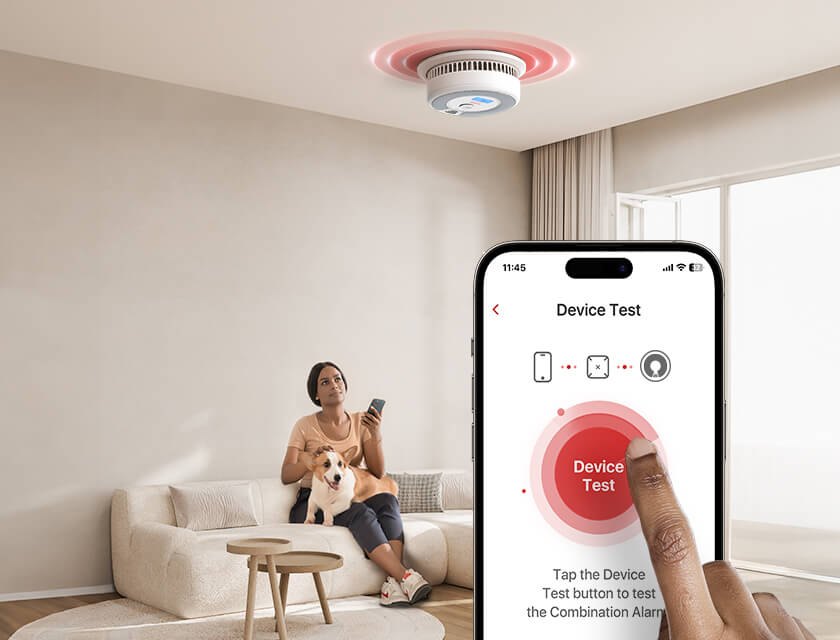
Connected safety equipment can also provide useful information. For example, the X-SENSE SC07-MR smart smoke and carbon monoxide alarm can be considered as part of a broader approach to residential safety. The important principle is that technology should serve a practical purpose rather than simply increasing the number of connected devices in a home.
A well-designed system can make it easier for residents to understand what is happening inside their property. Monitoring energy consumption, indoor conditions, and safety equipment can support more informed decisions and potentially identify problems before they become more serious.
Reducing Construction and Household Waste
Waste management is another major consideration in sustainable housing. Construction projects can generate large quantities of discarded materials, including wood, concrete, metal, packaging, and other resources.
Planning materials carefully can reduce unnecessary waste. Builders can also reuse suitable materials and separate recyclable components during construction. Designing buildings for durability is equally important because longer-lasting structures generally require fewer resources for replacement and major repairs.
Residents can contribute after construction by reducing household waste, recycling where facilities are available, composting organic material, and choosing products with minimal packaging. These actions may appear small individually, but widespread participation can have a meaningful environmental impact.
Designing for Long-Term Resilience
Sustainable buildings should be designed with the future in mind. Climate conditions, energy costs, resource availability, and environmental regulations can change over time. Buildings that are adaptable and efficient are better positioned to respond to these changes.
Resilience can include features such as efficient insulation, renewable energy generation, water conservation systems, durable construction materials, and appropriate safety equipment. The objective is to create buildings that can continue serving their occupants efficiently without placing unnecessary pressure on natural resources.
This approach also highlights why sustainability should be considered throughout the entire life of a building. Environmental performance does not end when construction is completed. Maintenance, energy use, repairs, renovations, and eventual disposal of materials all influence a building’s overall environmental footprint.
A Practical Path Toward Sustainable Homes
Creating a sustainable home does not necessarily require replacing everything at once. Homeowners can begin with practical improvements such as reducing energy waste, improving insulation, installing efficient appliances, conserving water, and managing household waste more responsibly.
Safety should be considered alongside every environmental improvement. Energy-efficient systems and sustainable materials are valuable, but they should be supported by appropriate fire and carbon monoxide protection and regular maintenance.
Ultimately, sustainable housing is about finding a responsible balance between environmental performance, resource efficiency, durability, and human safety. By combining thoughtful building practices with appropriate technology and everyday conservation habits, homeowners can create living spaces that use fewer resources while remaining practical and resilient for the future.