

A biome is a large area of the Earth where the environment, plants, and animals share similar features. Each biome has its own kind of weather, land or water type, and living things that are suited to live there. For example, deserts are dry with very little rain, while rainforests are wet and full of tall trees.
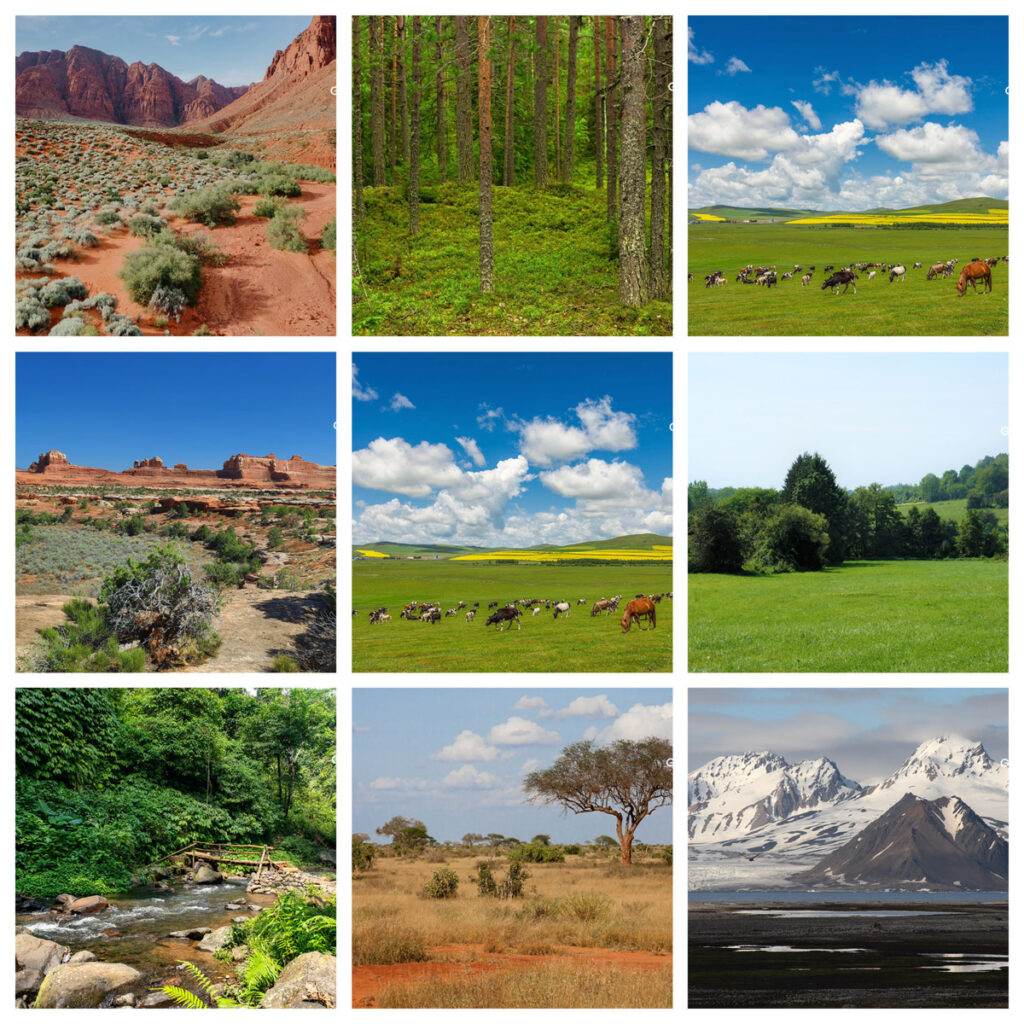
Some biomes are cold all year, like the tundra, while others are warm and sunny. Scientists use biomes to help understand how life adapts to different parts of the world.
Keep reading to explore the different types of biomes and what makes each one special!
In this article:
Why Is A Biome Important?
Biomes are important because they all contribute to a healthy and full-of-life planet. Each biome has a special role in nature.
For example, forests, with their vast canopies, purify the air by taking in carbon dioxide and releasing oxygen. Oceans and rivers provide water and food for people and animals. Deserts and grasslands support unique plants and animals that live nowhere else.
Even cold places like the tundra help control Earth’s temperature. Biomes also give us natural resources like wood, medicine, and food. When we protect biomes, we protect all the living things that depend on them, including ourselves.
How Are Biomes Classified?
Biomes are classified based on their biotic and abiotic features. Biotic means living things, like plants, animals, and fungi. Abiotic means non-living parts of the environment, like temperature, rainfall, soil, and sunlight.
These two parts work together to shape what life can survive in each biome. For example, hot, wet places with thick forests and lots of animals are called tropical rainforests. Cold, dry places with frozen ground and small plants are called tundras. Scientists look at the climate and the types of life in an area to decide what biome it belongs to.
5 Main Types Of Biomes
There are five dominant biome types, each consisting of multiple subtypes.
Forest Biomes

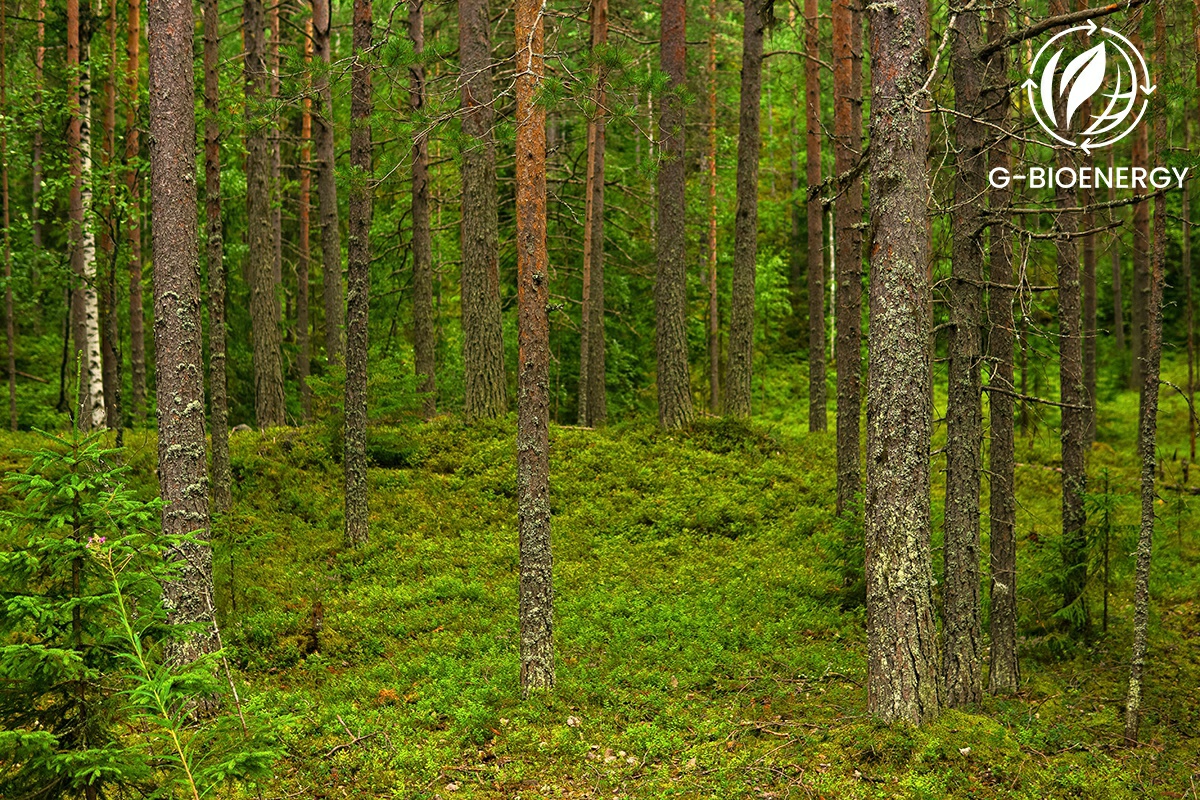
Forest biomes are filled with trees and are home to many kinds of animals and plants. They can be divided into three main types: tropical rainforests, temperate forests, and taiga (also called boreal forests).
Tropical rainforests, like the Amazon in South America, are warm and wet all year and have many colorful animals like toucans, monkeys, and frogs.
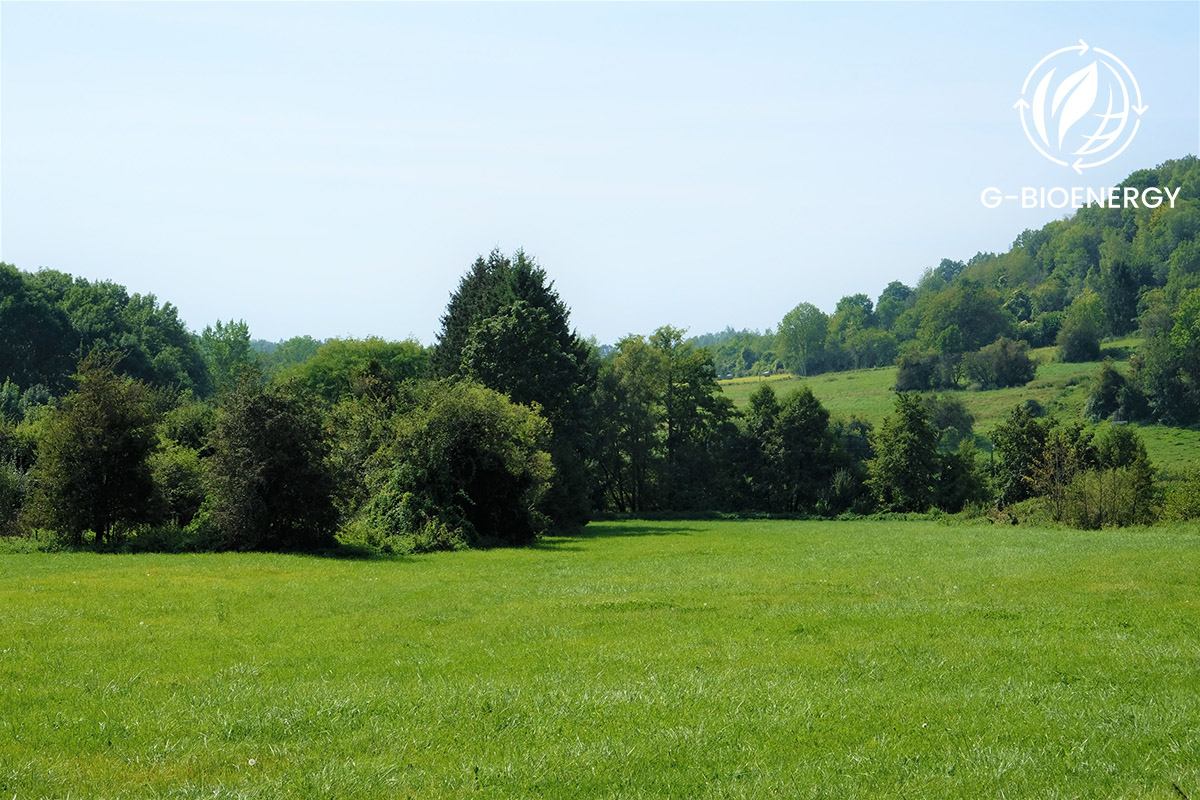
Temperate forests, such as those in the eastern United States, have four seasons and trees that lose their leaves in fall. The taiga, found in places like Canada and Russia, has cold winters and evergreen trees like pine and spruce.
Grassland Biomes
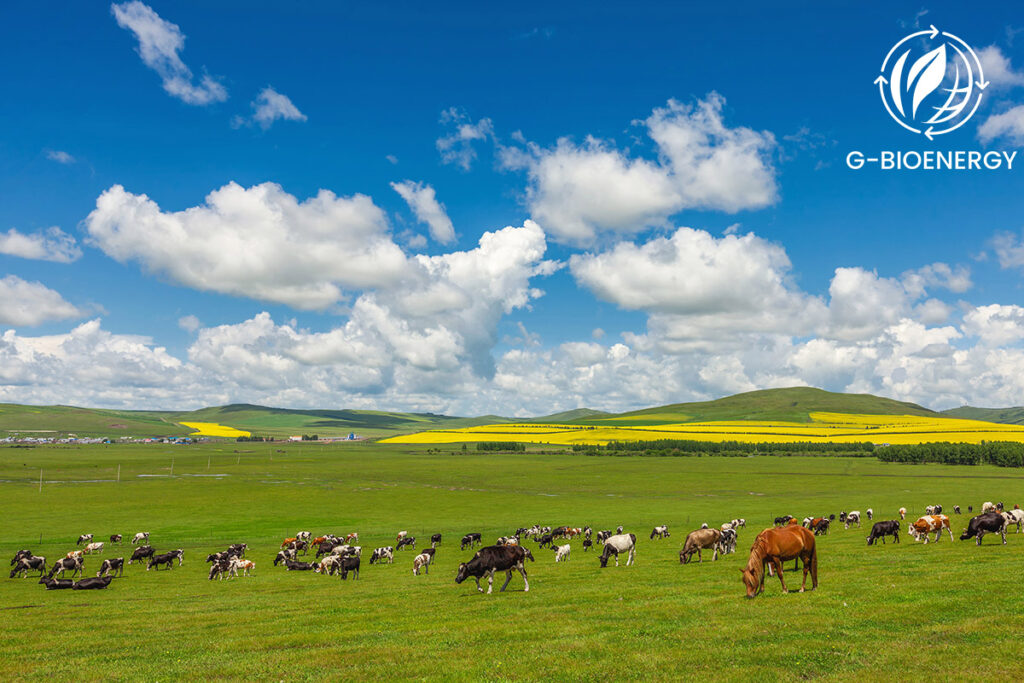
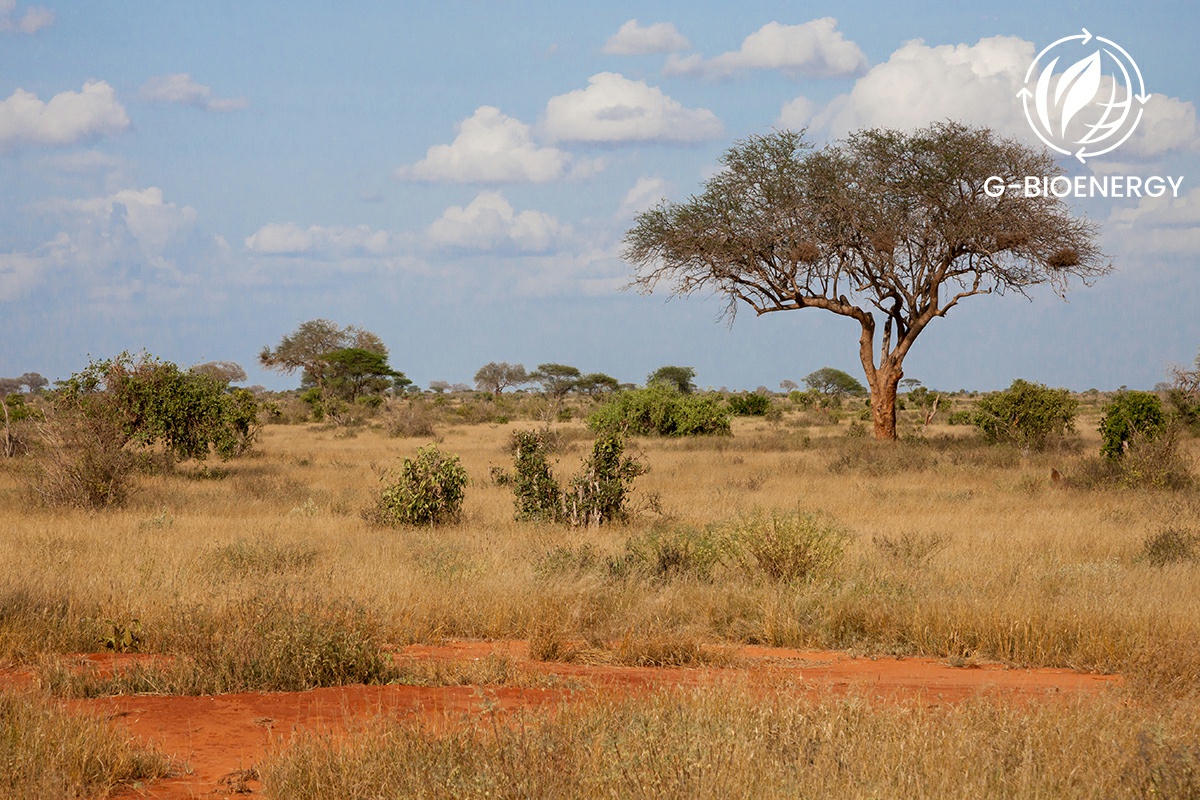
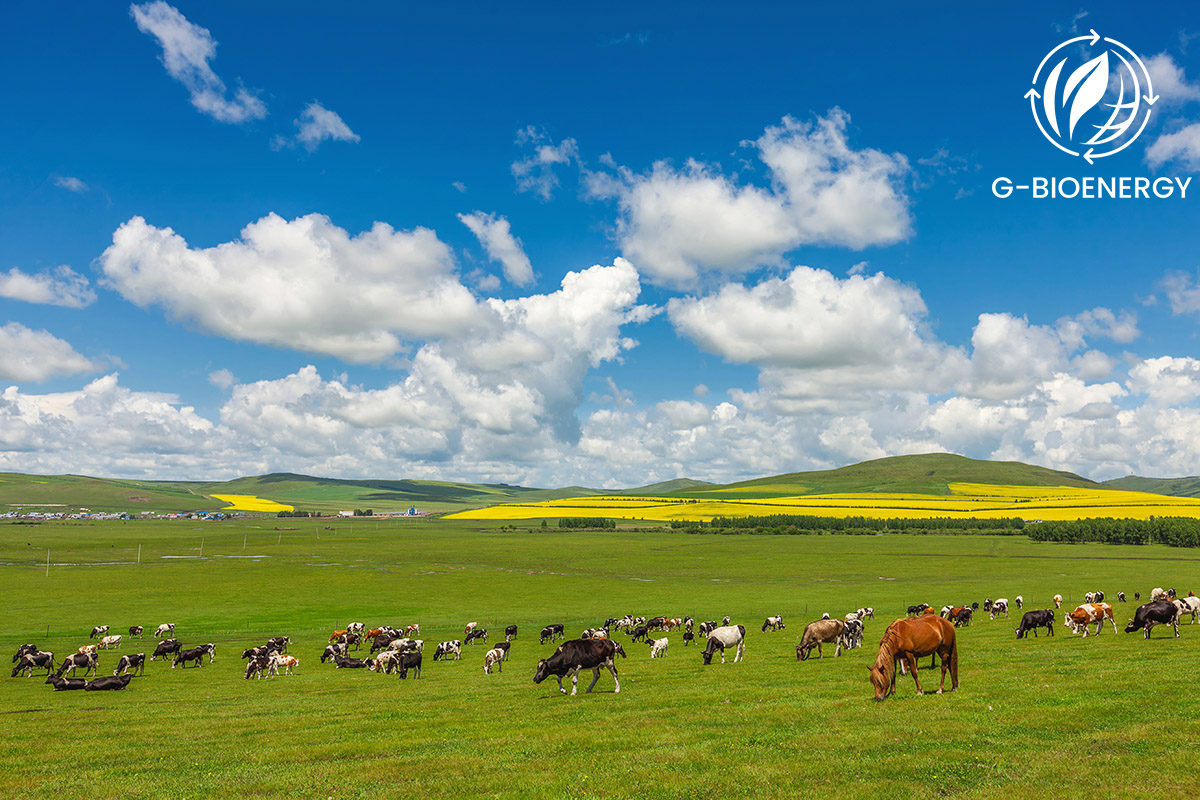
Grasslands are wide, open areas where grasses are the main plants. There are two main kinds: savannas and temperate grasslands. Savannas, like those in Africa, are warm all year and have wet and dry seasons. Animals like lions, zebras, and elephants live there.
Temperate grasslands, such as the prairies in North America or the steppes in Asia, have hot summers and cold winters. These areas are home to animals like bison, prairie dogs, and foxes. Grasslands often have few trees because there isn’t enough rain, and wildfires help keep trees from growing too much.
Desert Biomes
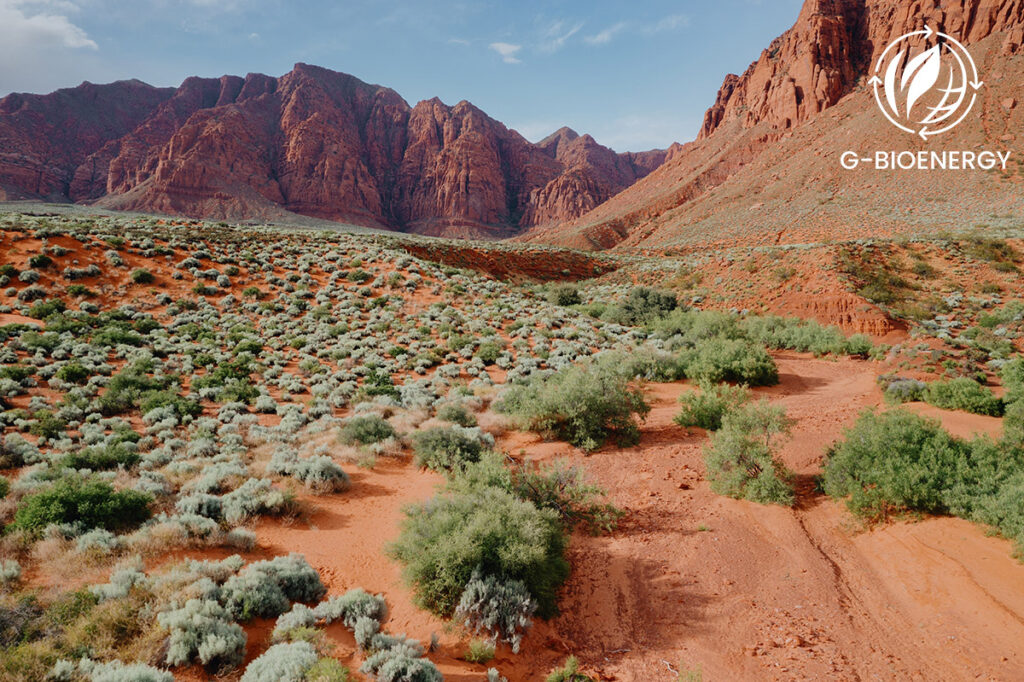
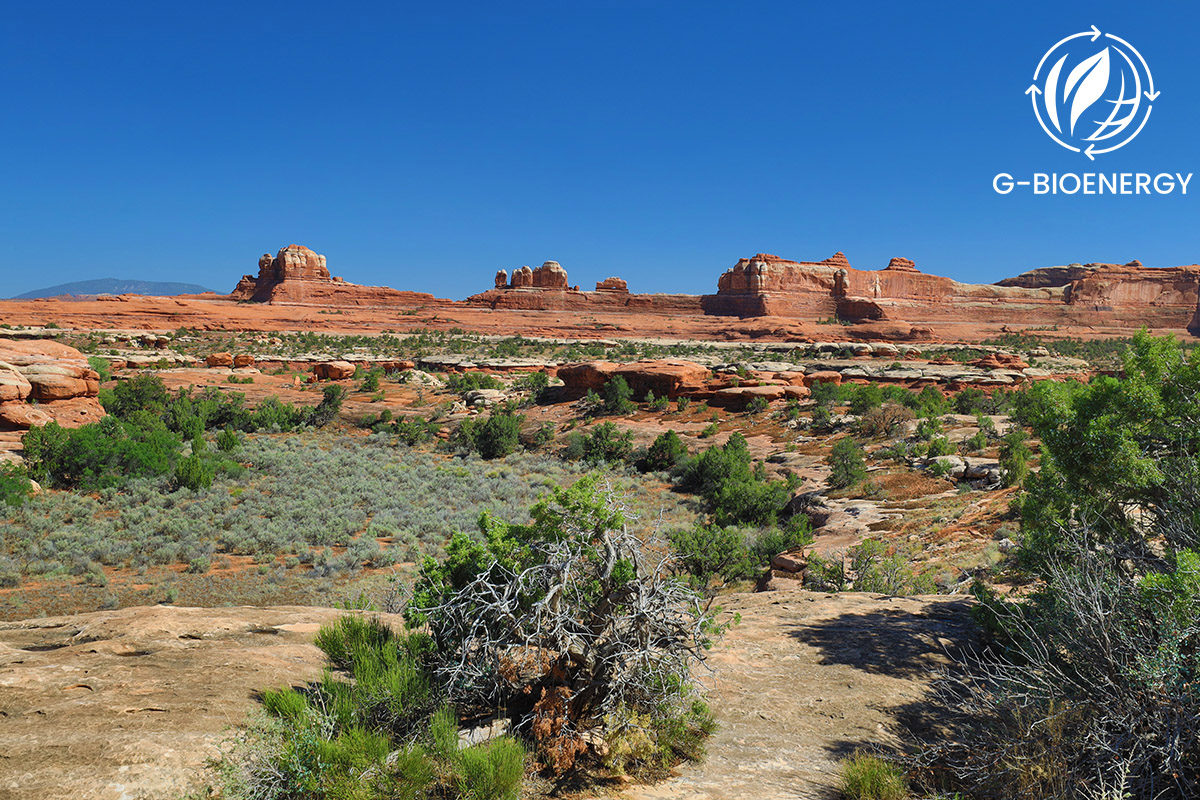
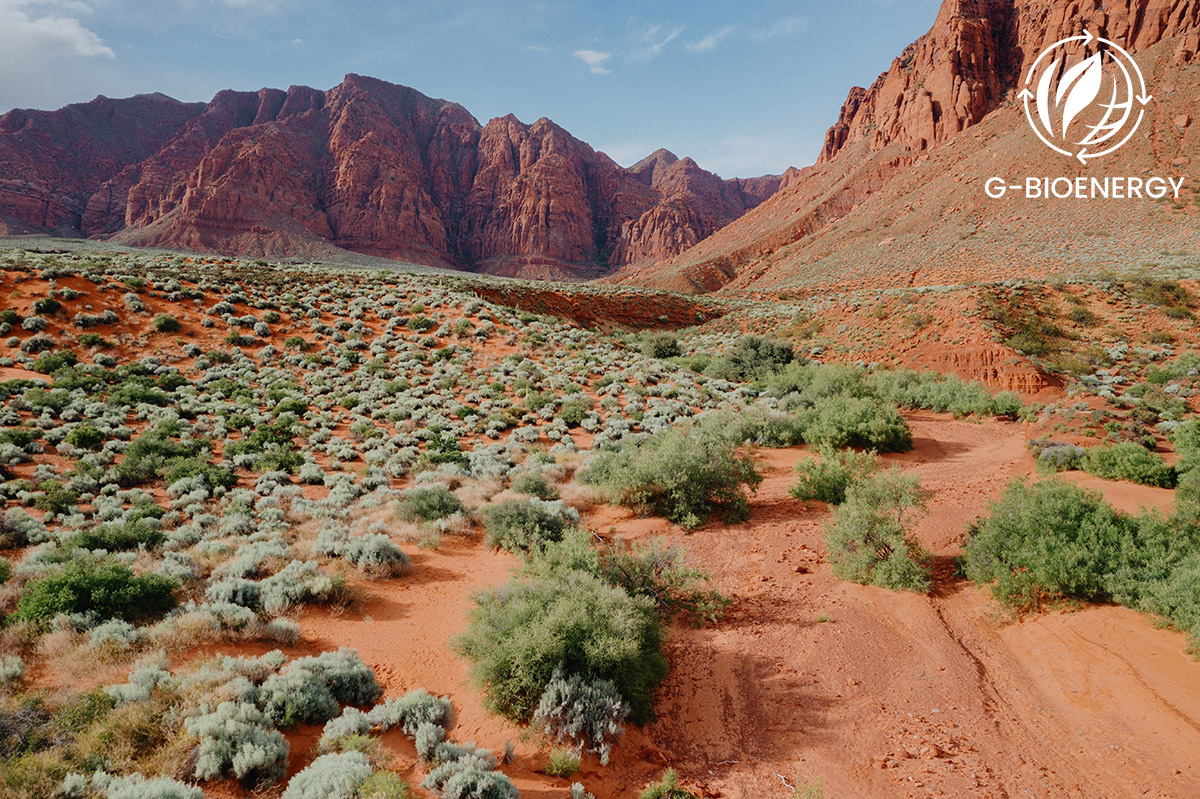
Deserts are dry places that get very little rain. Some are hot, like the Sahara Desert in Africa, while others are cold, like the Gobi Desert in Asia. Hot deserts can reach high temperatures during the day but get cold at night. Plants like cacti grow there because they store water. Animals like camels, lizards, and snakes are adapted to survive the heat.
In cold deserts, the air is dry, but temperatures can be freezing. These deserts may have hardy shrubs and animals with thick fur to stay warm. Deserts may seem empty, but they are full of life that knows how to survive with little water.
Tundra Biomes
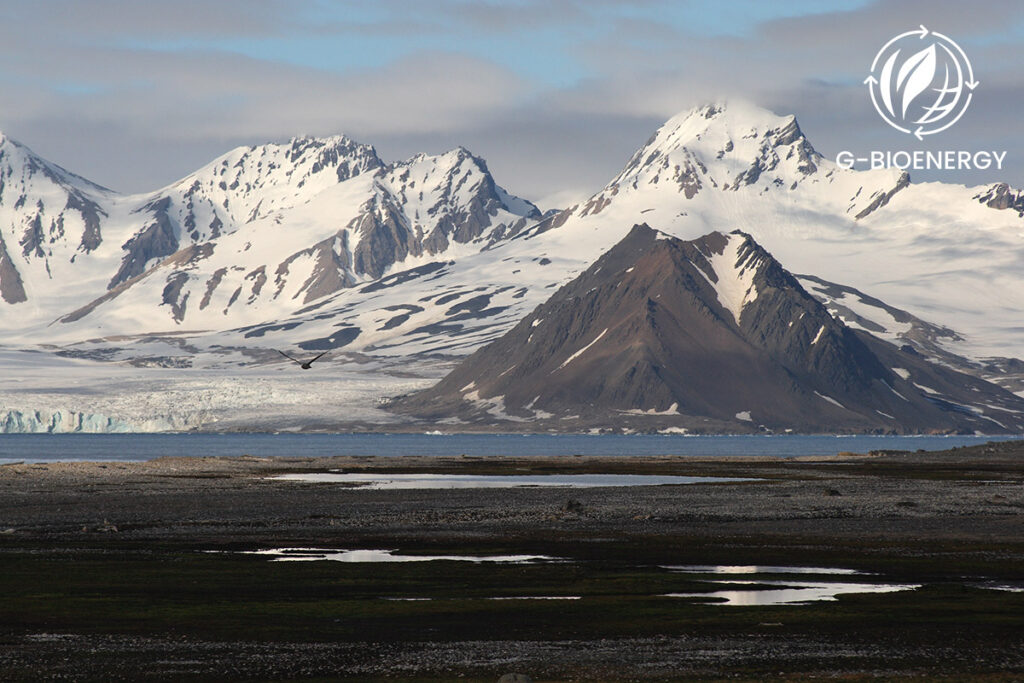
Tundra biomes are cold, treeless places found in the Arctic, Antarctic, and on high mountains. The Arctic tundra, like in northern Alaska, has frozen ground called permafrost. Only low plants like mosses and grasses can grow there. Animals such as caribou, Arctic foxes, and polar bears are built for the freezing weather.
The Antarctic tundra is even colder, with few land animals, mostly birds and marine animals like penguins and seals. The alpine tundra is found on tall mountains around the world and also has strong winds, low temperatures, and short growing seasons. Life in the tundra is tough, but many species thrive in these icy lands.
Aquatic Biomes
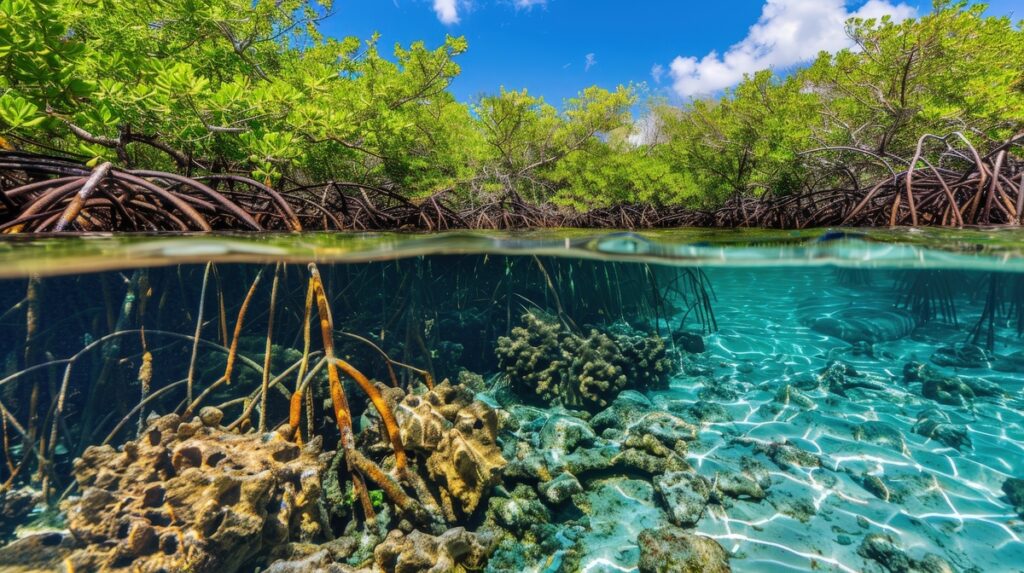
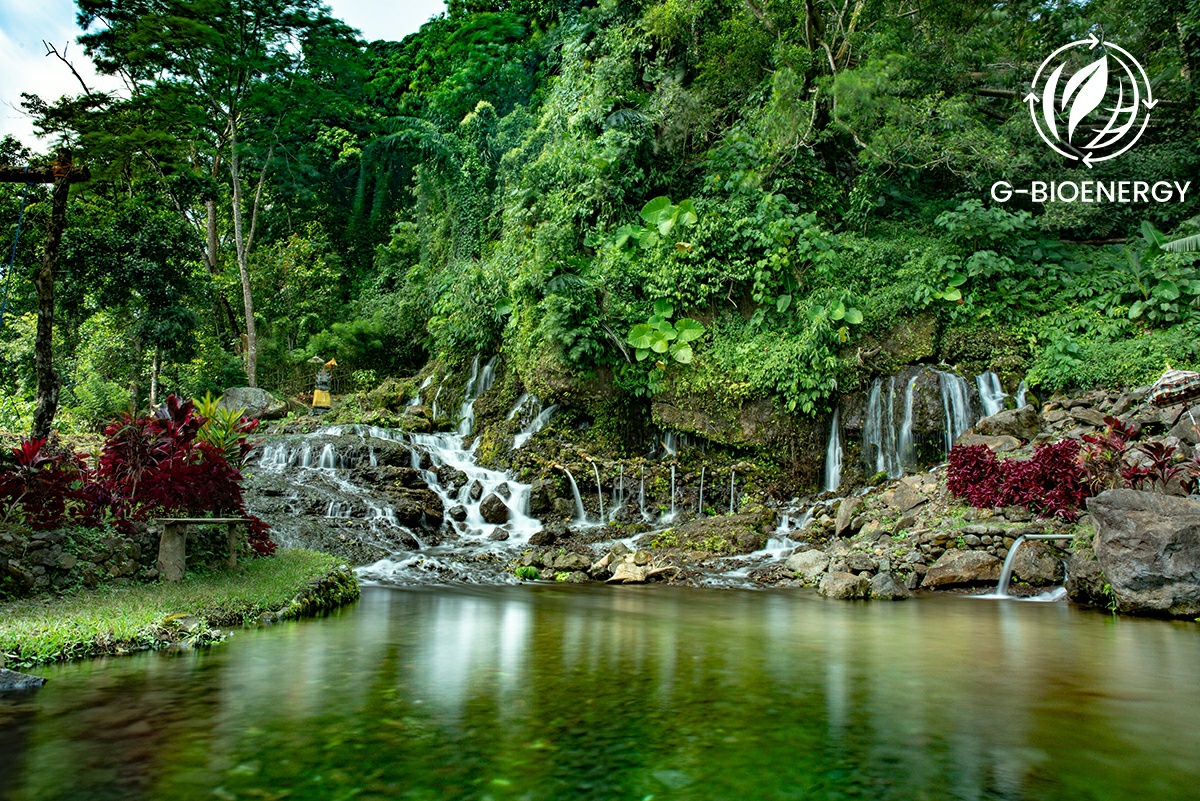
Aquatic biomes are water environments and are divided into freshwater and marine types. Freshwater biomes include rivers, lakes, ponds, and wetlands. These places are home to frogs, fish, ducks, and plants like lilies and reeds. An example is the Amazon River or the Great Lakes. Marine biomes include oceans, coral reefs, and estuaries.
Oceans cover most of the Earth and are home to whales, dolphins, jellyfish, and millions of fish species. Coral reefs, like the Great Barrier Reef in Australia, are colorful underwater ecosystems full of sea life. Aquatic biomes are important for Earth’s water cycle and are rich in biodiversity.
See more biomes:

FAQs
How Many Biomes Are There?
There is no single answer, as scientists disagree. Some classify six main biomes: forest, grassland, freshwater, marine, desert, and tundra, while some group freshwater and marine biomes into aquatic biomes.
Others list eight by separating forests and adding savannah. Some researchers identify up to 11 or more, depending on climate, vegetation, and how specifically biomes are defined.
Is Ocean A Biome?
Yes, the ocean is a biome, commonly called the marine biome. It’s the largest biome on Earth, covering over 70% of the planet’s surface. It includes all major oceans and seas, hosting diverse marine life across zones like coral reefs, open ocean, and deep-sea trenches such as the Mariana Trench.
How Do Biomes And Ecosystems Differ?
A biome is a large area defined by climate and types of plants and animals, like a tundra or rainforest. An ecosystem is smaller and focuses on interactions between living and non-living things, such as a pond or coral reef. Ecosystems exist within biomes and involve more direct interaction.
Quick Recap
Biomes are vast areas of the Earth where climate, land or water types, and living things come together to create unique environments. They’re shaped by both living and non-living factors and contain many smaller ecosystems within them. Understanding biomes helps us learn how nature works and why protecting these environments is so important.
Want to keep exploring? Dive into more fun and educational topics about nature and science on our blog; there’s always something new to discover!