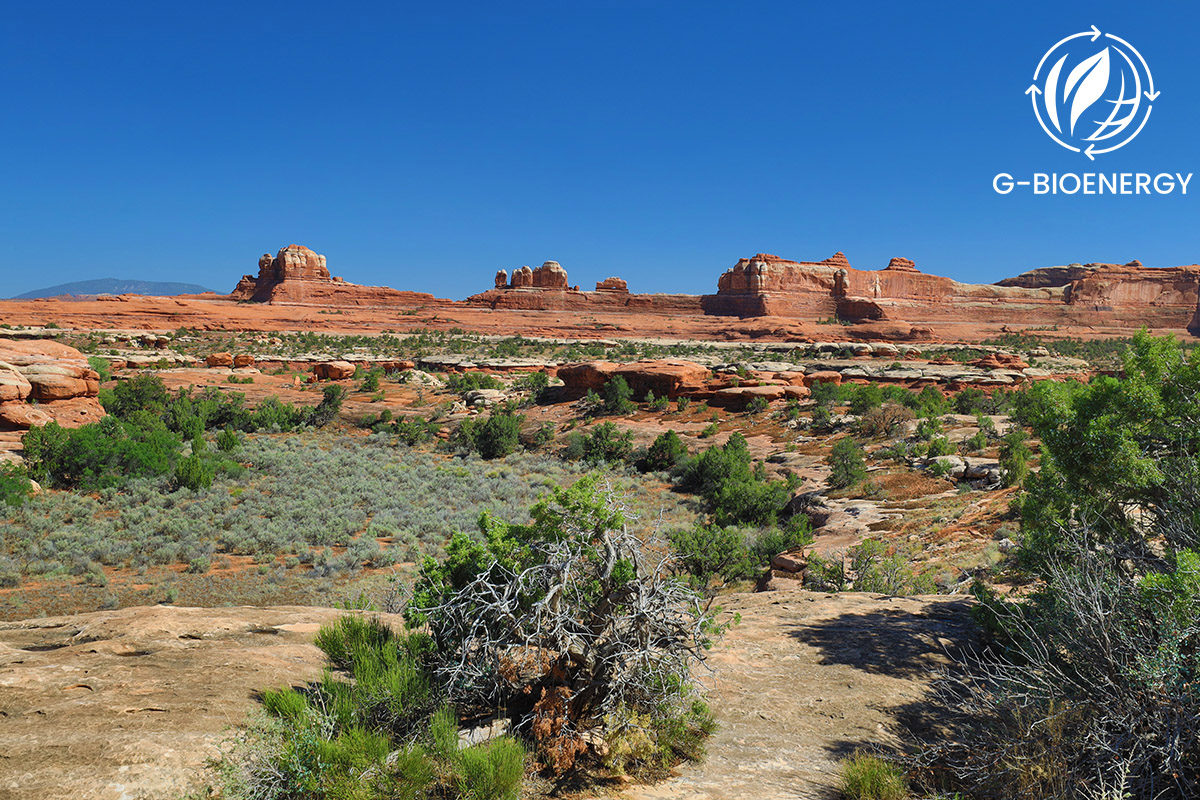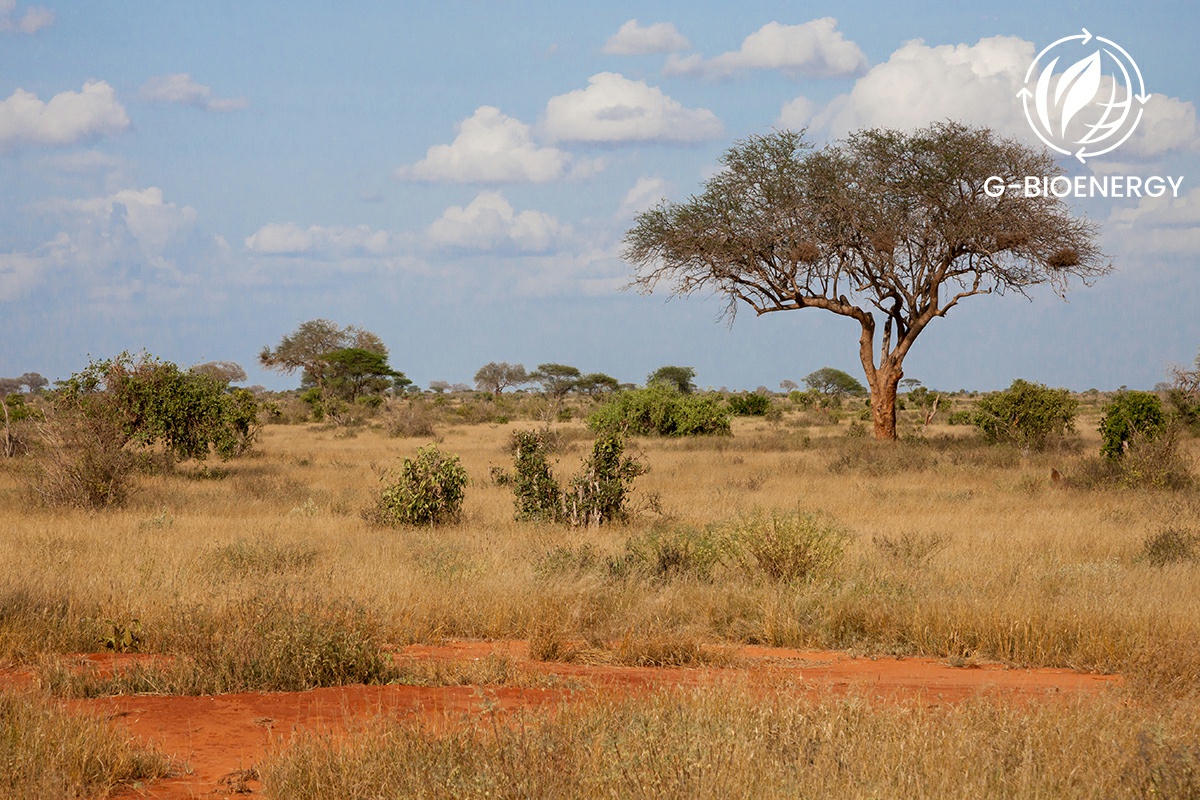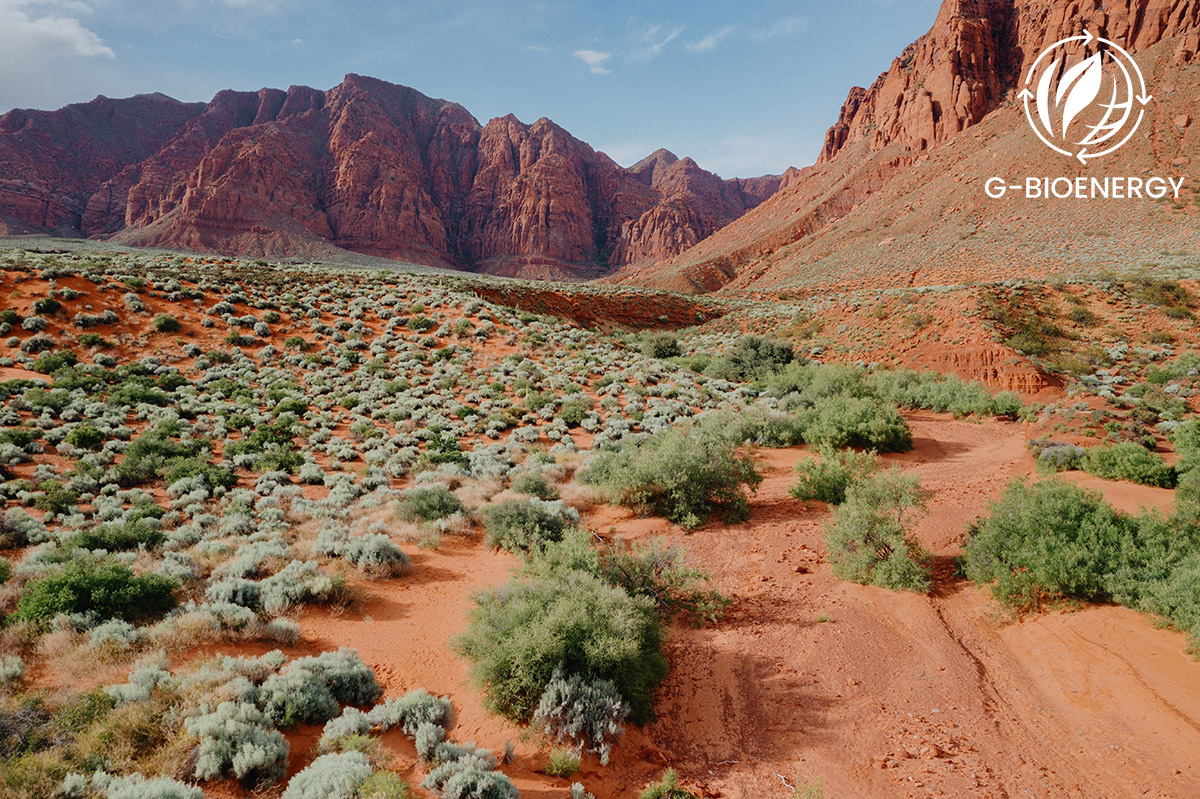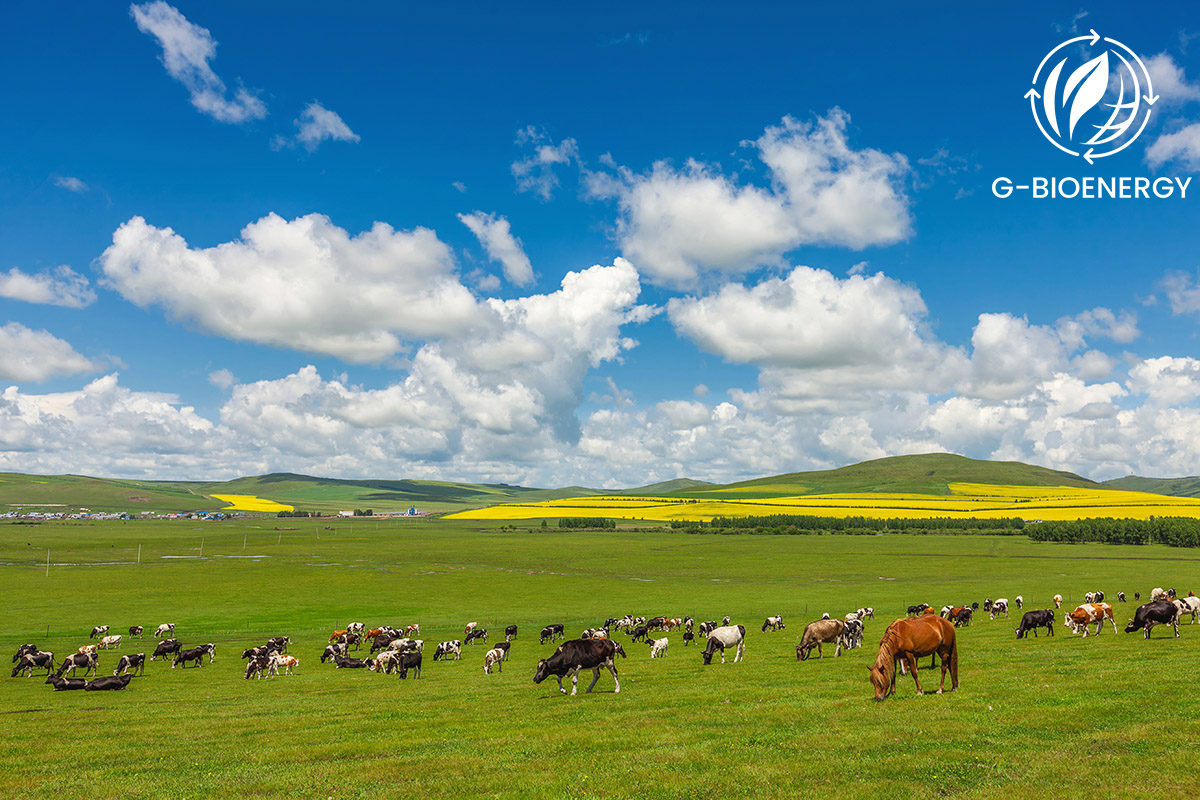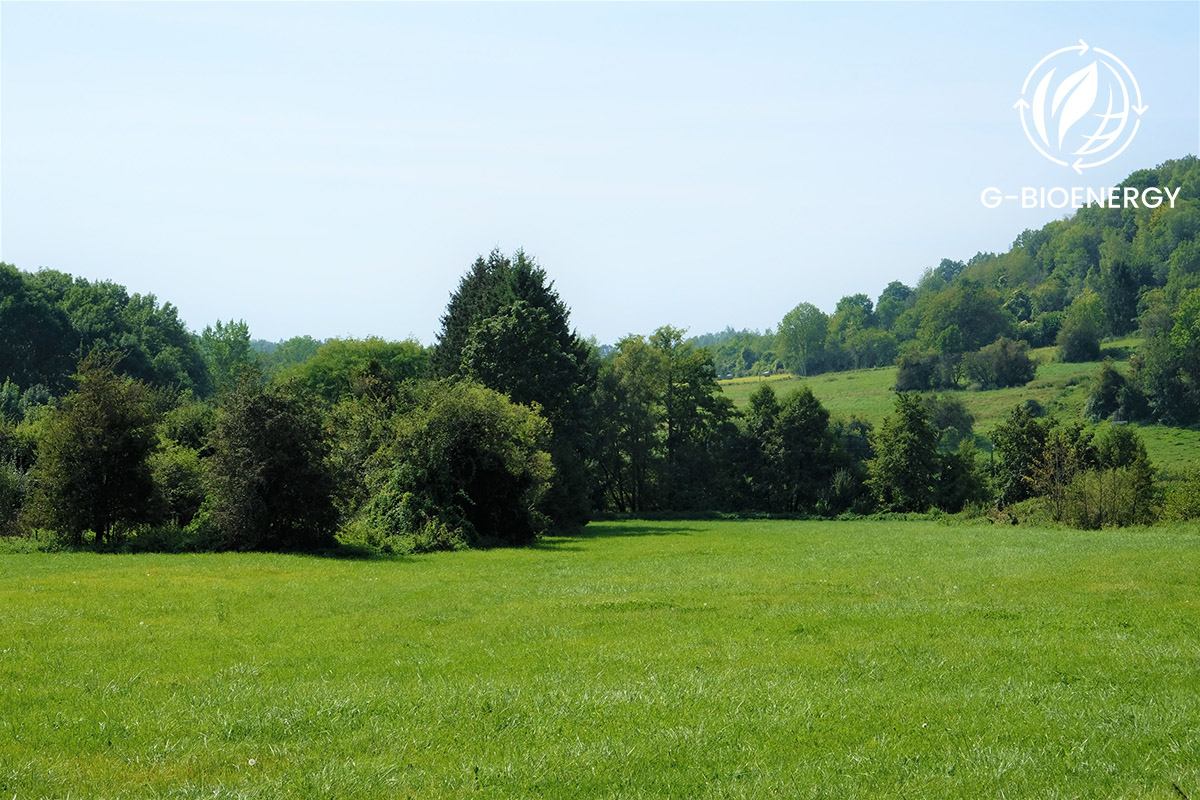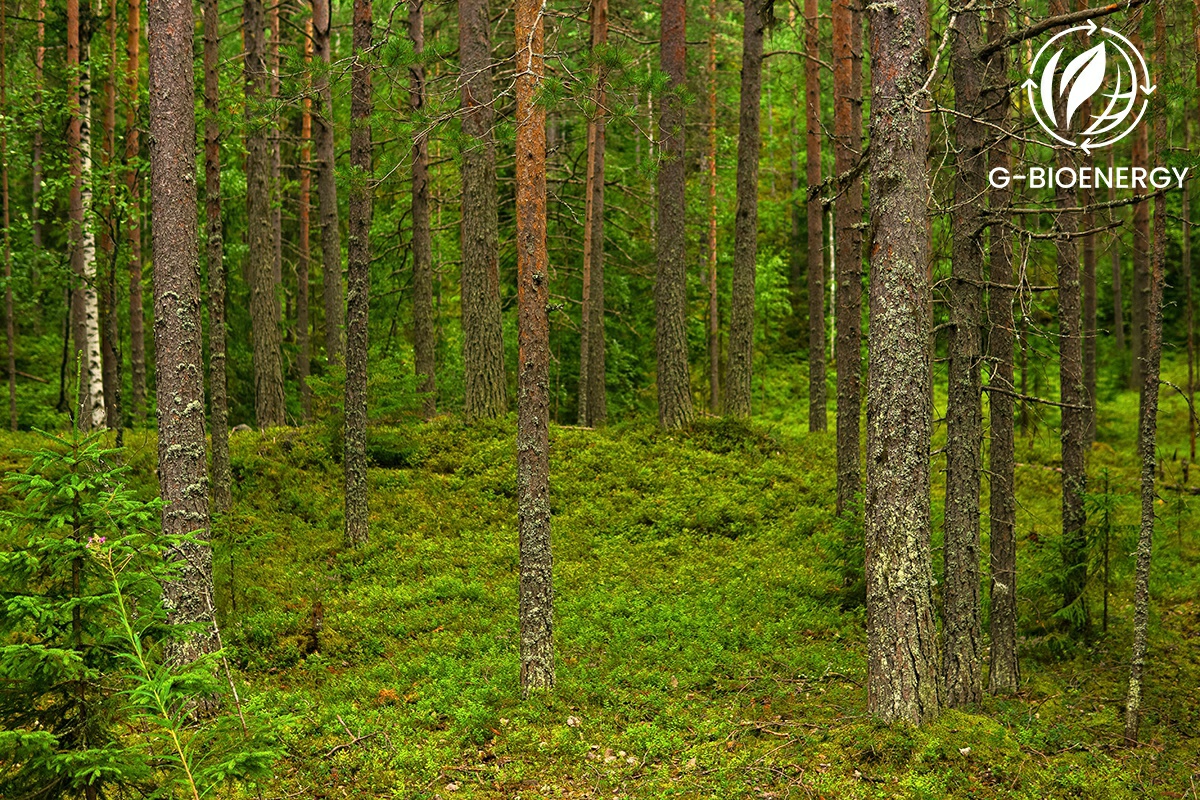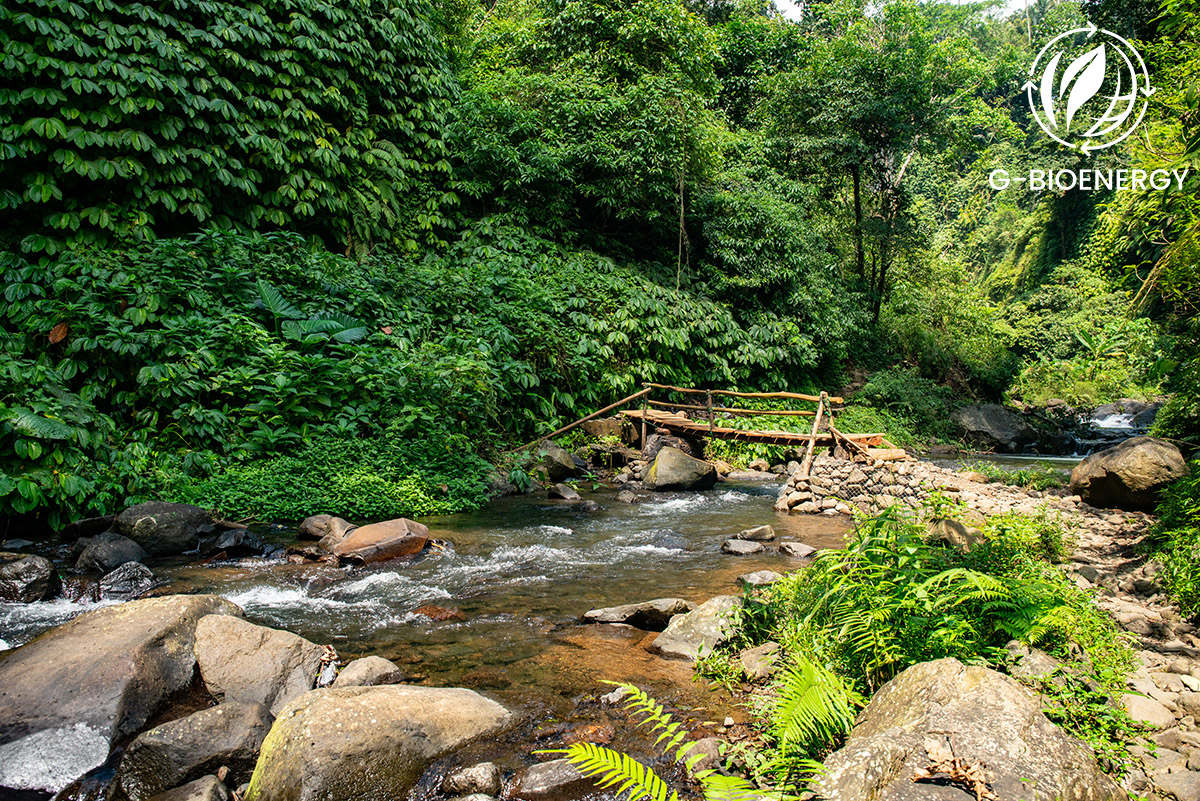

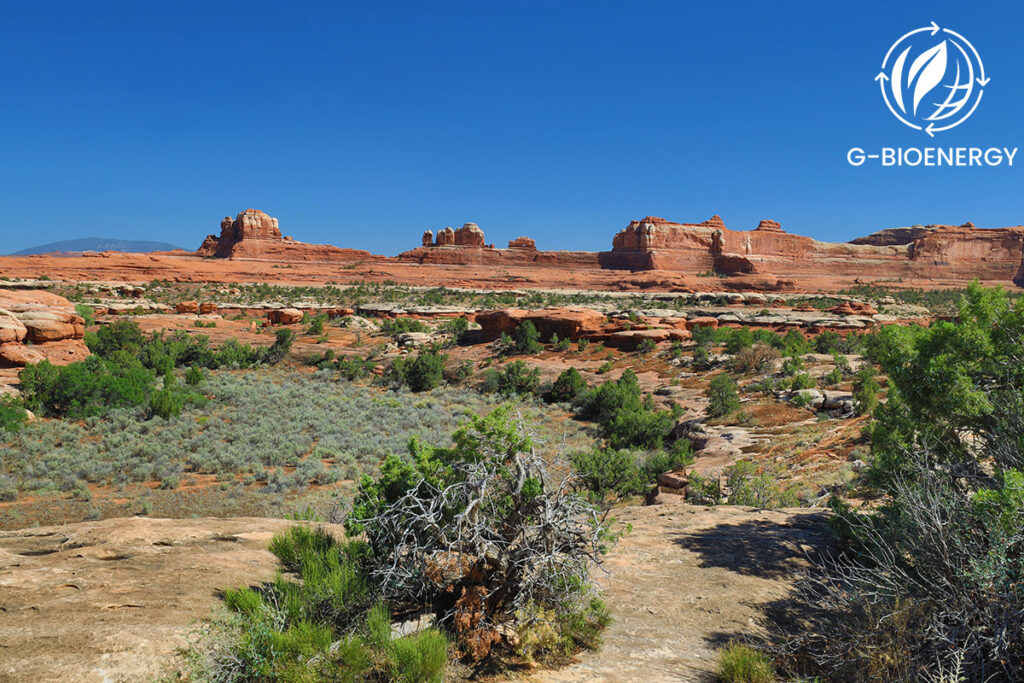
The Chaparral biome is a native ecosystem that’s characterized by hot, dry summers, and mild, slightly wet winters. Due to the dryness and low rainfall, it’s home to many drought-resistant plants across various terrains, including forests, flat plains, rolling hills, rocky mountains, and shrublands.
Other biotic and abiotic factors like location, climate, animals, etc., also define this plant community. Let’s learn more about it!
In this article:
Chaparral Location
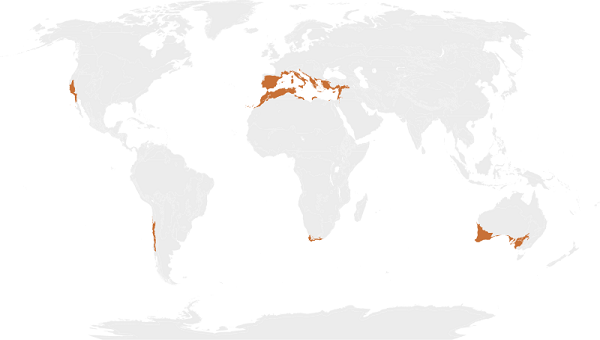
The Chaparral biome can be found in the mid-latitude climates of many continents, with the five main zones below:
- The west coast of South America, like Chile
- The west coast of the United States
- The western tip of Australia
- The Cape Town area of South Africa
- Almost all countries in the Mediterranean Basin, especially the coastal areas in Greece, Italy, Egypt, Syria, Turkey, Spain, Portugal, Morocco, and Libya.
The largest Chaparral habitat is located in California, covering both the central and coastal regions and expanding to Baja California in Mexico and southern Canada.
These places are favored for tourism and entertainment due to their characteristic dry and warm climate. For example, Santa Barbara, the French Riviera, and many European resort complexes are all tourist hotspots. The landscape also makes a perfect background for many Old West movies.
Chaparral Climate & Season
Dry and hot are what define the Chaparral climate. This biome has two main seasons, with hot, dry summers lasting about 5 months and mild, wet winters for the rest of the year.
The summer weather is unique to the Mediterranean climate, which can be incredibly scorching and arid or decrease to almost breezy. This is the recipe for wildfires and droughts.
Meanwhile, winters witness the most rainfall, although not too much, significantly lowering the temperature. Therefore, the winter weather is milder and slightly moist.
Chaparral Temperature
Climatogram – Chaparral Climate
The temperature in summer can soar to 120°F or drop to 30°F, with the average often hovering around 104°F. Winters don’t experience such a large temperature variation. The average temperature is about 50°F.
Additionally, Chaparral biomes display a stark temperature difference between days and nights. For instance, the temperature during summer days can span from 59°F to 86°F. Meanwhile, temperatures on winter days can fluctuate between 40°F to 68°F. That’s why animals and plants in these zones must be very adaptive to these sudden changes.
Chaparral Rainfall
The annual rainfall in Chaparral biomes hovers around 10 to 17 inches, mostly. In some northern parts or high-altitude areas in California, the rainfall could reach up to 40 inches each year.
Winters see the highest rainfall level, most of which comes from tropical storms. On the other hand, summers only have about 0 to 2 inches of rain.
Chaparral Landscape & Terrain
Since the Chaparral biome is popular in coastal areas, inland valleys, and mountain hills, its landscape and terrain are also subject to this variety. We can easily encounter shrublands, flat plains, forests, rocky soils, rolling hills, and other rugged terrain. Besides, these areas tend to transition into deserts and other arid zones.
Chaparral Animals
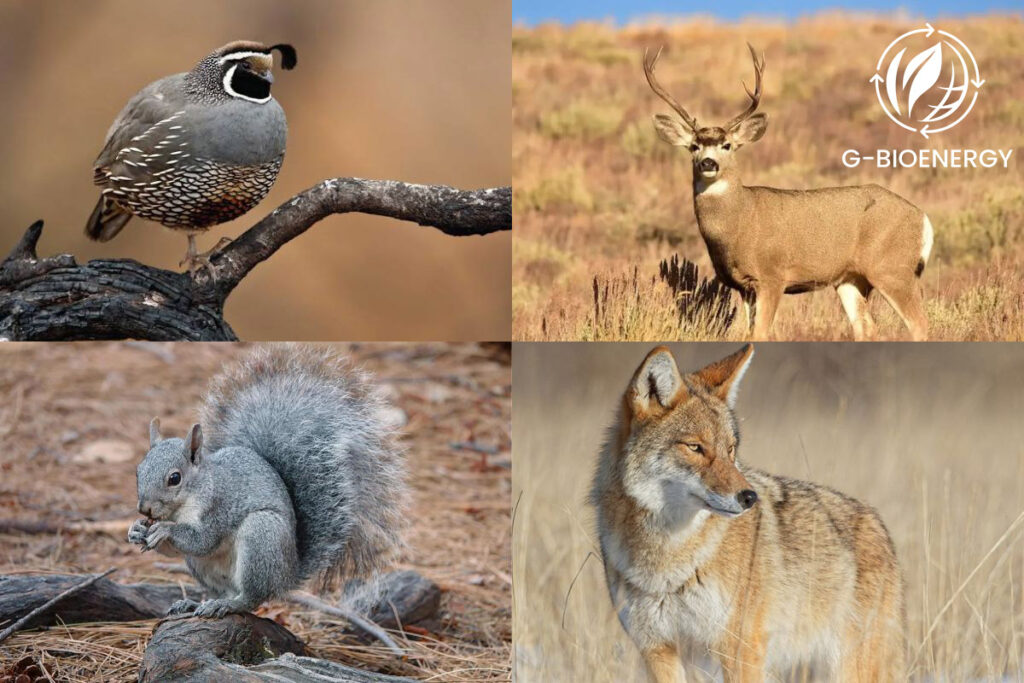
The Chaparral ecosystem is home to numerous mammals, reptiles, insects, and over 100 bird species. These creatures can survive well in extremely hot climates without using much water. Interestingly, most of the animals that live in the Chaparral are nocturnal species, as hunting and searching for food during the night is much more tolerable.
Here are some native animals you can find in Chaparral biome areas:
- Coyote: These carnivores are highly adaptive and intelligent. They usually hunt reptiles, birds, small mammals, and even insects.
- Bobcat: These skillful predators know how to thrive in the dense vegetation and rugged terrain of the Chaparral biome. Their favorite prey include rodents, rabbits, reptiles, and birds.
- Western Gray Squirrel: These rodents help with seed dispersal and forest regeneration after wildfires associated with Chaparral areas. They feed on seeds, acorns, fruits, and even insects.
- Western Fence Lizard: This reptile is among the few Chaparral animals that go hunting during the day. Their prey include spiders, insects, and small invertebrates. They are characterized by their blue bellies, accented with intricate patterns.
- Mule Deer: These deer often forage within the dense chaparral scrub in search of grasses, shrubs, and forbs. These herbivores are usually preyed upon by coyotes or mountain lions.
- California Quail: These small birds love dwelling on the ground, searching for insects and seeds for food. They are distinguished by their colorful plumage and unique plumes.
- California Towhee: Another ground-dwelling bird, California Towhees also feed on seeds, fruits, and insects. One of their interesting habits is scratching when foraging.
Jackrabbits, acorn woodpeckers, alligator lizards, horned toads, praying mantis, honey bees, and ladybugs also thrive in these climate zones. In addition, vultures, sheep, rabbits, mouflon, lynx, wild boars, horses, and eagles inhabit some Chaparral areas in Europe.
Plants In The Chaparral
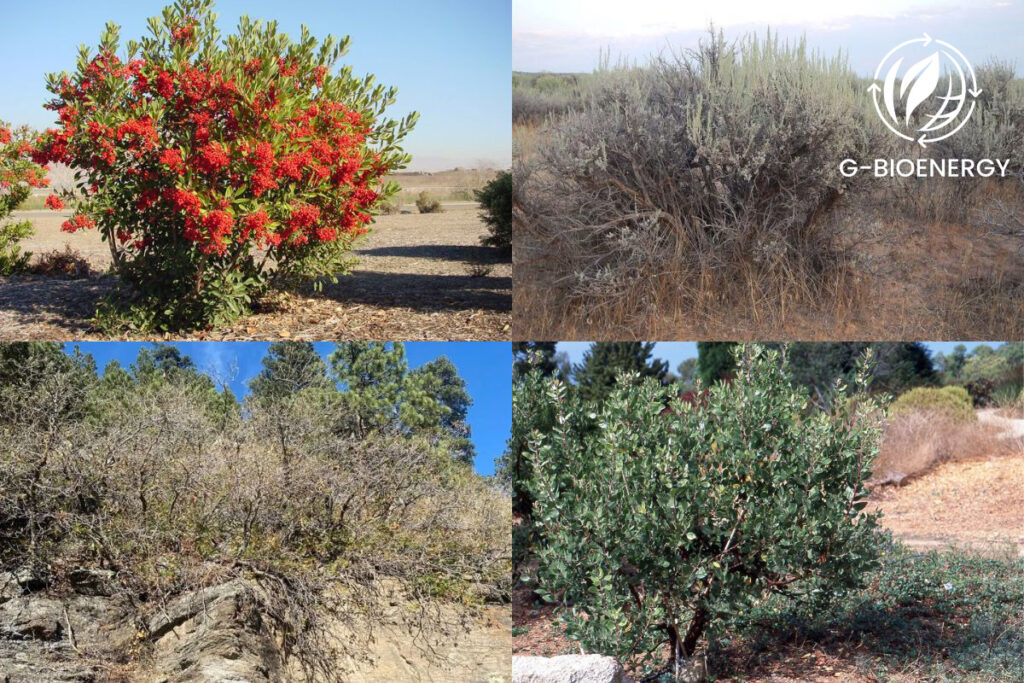
According to ResearchGate, the Chaparral ecosystem only accounts for 2.2% of the global land area, but it’s home to one-sixth of the vascular plant species worldwide, which are over 2,000 species.
These plants are characterized by hard and small leaves or hairy leaves to effectively preserve water. Their root systems are also highly adapted to the barren, arid soils.
One interesting fact about Chaparral plants is that their leaves are highly inflammable, which exacerbates wildfires. Meanwhile, some have evolved to withstand the scorching heat from the fires.
Below are some native plants to this Chaparral ecosystem:
- Manzanita: This plant is known for its evergreen foliage, twisted branches, smooth and reddish bark, and clusters of tiny, urn-shaped flowers.
- Scrub oak: You can tell this tree apart by its gnarled branches and small, leathery leaves. This type of oak greatly contributes to the balance of the ecosystem, as it houses many birds, insects, and other species.
- Toyon: Widely known as Christmas berry or California holly, this evergreen shrub features dark, glossy foliage, highlighted with bright, crimson berries. It adds a vibrant touch to the biome while doubling as the food source for some animals.
- Chamise: This is a woody shrub that helps prevent erosion and stabilize soil. To thrive in such a hot, dry climate, the plant comes with tiny, needle-like leaves to use water effectively.
- Sagebrush: Though not belonging to the same family as sage, this shrub resembles our household herb in the silver-gray coat and aromatic leaves.
- California Lilac: This flowering shrub is favored by its stunning, vibrant clusters of white, purple, and blue blossoms, making it an amazing ornamental plant.
Besides, you can easily come across other species, like cacti, Yucca Wiple, pines, mahogany trees, and other dwarf eucalyptus trees.
Other Chaparral Abiotic Factors
Light
Since the atmosphere is extremely dry in the Chaparral biome, it’s hard for clouds to form. That’s why these areas are bathed in constant, bright sunlight during the day. The daylight usually hovers around 12 hours.
Soil
As you can expect from the climate, the soil in the Chaparral biome is dry and barren. In particular, it’s rocky, porous, and relatively thin with little essential nutrients like Nitrogen, Phosphorus, and Potassium.
The soil’s coarse, porous texture makes it prone to erosion and landslides, especially on hillsides and mountainous regions. Not to mention, under the surface often lies a layer of rocks, which is easily washed away by rain.
The deep (30-40 ft) soils of chaparral biomes play a vital hydrological role. Despite only 20-25% total porosity, deep weathering allows these soils to retain significant winter rainfall, providing essential moisture for deep-rooted shrubs during dry periods.
Wind
The Chaparral biome is subjected to westerly winds, which is why most areas are situated on the western edge of a continent. The wind direction is mostly from the south. The windiest month during the year is usually August, and the calmest one is November.
Water
As there are not many inland water features in Chaparral zones, the major water source there is from rainfall. Any rainfall that’s not absorbed by plants will either seep into the ground or flow back to the ocean, where it will evaporate to form clouds and rain later.
Altitude
On average, the altitude of Chaparral areas is around 1,500 meters above sea level, but some places can be as high as 2,000 meters. The closer to the coastline, the lower the altitude, and the closer to the mountainous regions, the higher.
Humidity
In general, the Chaparral biome experiences low humidity. Summer months see the lowest levels, with most of the humidity coming from fog from the ocean. Meanwhile, rain and tropical storms in winter boost the humidity level a bit.
Wildfires
Wildfires are undoubtedly common in the Chaparral biome due to its severely dry and hot climate. However, little did you know that these fires are part and parcel of the Mediterranean ecosystem, significantly contributing to the ecosystem balance and diversity.
The fire helps recycle nutrients, erase accumulated vegetation, and promote seed germination; all are important for regeneration.
Chaparral Biome In California
The Chaparral biome in California, also referred to as the woodlands and grasslands of the region, occupies parts of the Sierra Nevada and coastal ranges. This unique biome thrives between 32°F to 65°F North latitude, rising up to 5,000 feet in elevation, characterized by steep slopes, widely spaced valleys, and narrow streams.
With temperatures ranging from 32°F to 65°F and annual rainfall of 12 to 40 inches, the area experiences all four seasons, though with mild variations. Acorn woodpeckers, Sonoma chipmunks, mahoganies, pines, and oaks inhabit the region. Adapted to hot, dry conditions and frequent wildfires, both flora and fauna have evolved specialized survival strategies.
Impacts Of Climate Change On Chaparral Biome
Climate change is exerting growing pressure on the Chaparral biome. Increasing temperatures and prolonged droughts are stressing native vegetation, causing some chaparral plants to die off while others encroach into previously wooded regions.
Wildfires, once a natural and even beneficial occurrence, have intensified in frequency and size, disrupting the regenerative cycle and decreasing plant and animal biodiversity. Native species struggle to recover under such rapid environmental change.
In addition to climate stressors, human interference such as urban development, pollution, and water diversion has disrupted natural habitats. Hunting and habitat loss have further threatened animal populations. These combined pressures are degrading the biome’s ecological balance, weakening its ability to sequester carbon and support native life.
Summary
The Chaparral biome, mostly found in the western regions of South America, the United States, Australia, South Africa, and the coastal Mediterranean areas, is associated with a hot and dry climate, little rainfall, and arid soils. Despite that, this ecosystem still houses a variety of fauna and flora. If you still have any questions about Chaparral, don’t hesitate to reach out to us!