
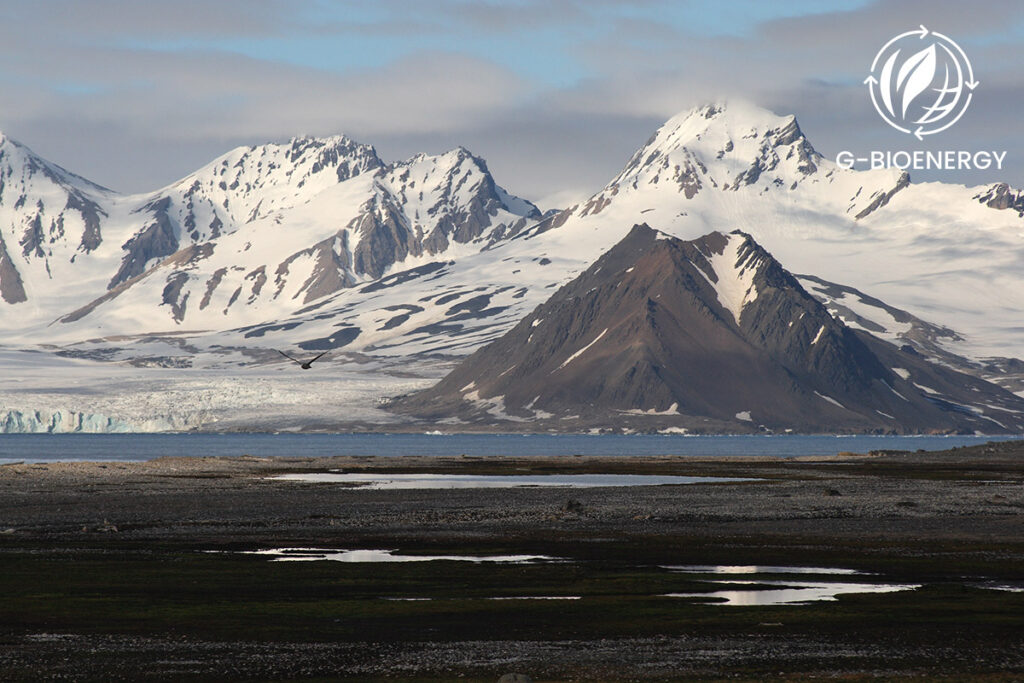
The tundra biome is a cold, treeless ecosystem found in Arctic and alpine regions. It features permafrost, short growing seasons, low rainfall, and strong winds. Vegetation includes mosses, lichens, and dwarf shrubs, while animals like caribou, foxes, and snowy owls adapt to survive harsh, frigid conditions.
Want to explore more about this biome? Get the ball rolling!
In this article:
Types of Tundra Biome
The tundra biome exists in two distinct forms, each shaped by its location and elevation.
- Arctic tundra is found in the high latitudes near the North Pole, across regions such as Alaska, Canada, Russia, and Greenland.
- Alpine tundra occurs at high elevations on mountain ranges around the world, above the tree line, where conditions are too harsh for forest growth.
Despite differences in geography, both types share defining features like treeless landscapes, cold-adapted vegetation, and brief growing seasons.
Tundra Biome Location
Arctic Tundra
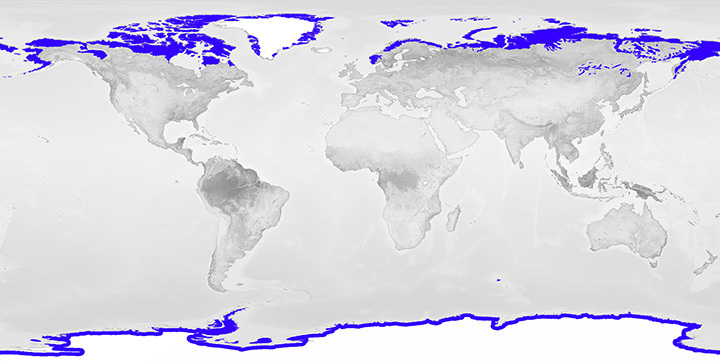
The Arctic tundra covers approximately 10% of Earth’s surface, primarily across the northern hemisphere. It is located north of the coniferous forest belt, often above latitude 60°N, and dominates the high-latitude regions surrounding the Arctic Ocean.
Examples:
- North America: Northern Alaska and much of northern Canada
- Europe: Northern Scandinavia
- Asia: Siberia (including the Taymyr Peninsula), Kamchatka Peninsula
- Greenland and the coastal areas of Iceland
- Some parts of Antarctica’s coast also support tundra vegetation in ice-free zones
Alpine Tundra
Alpine tundra accounts for about 3% of Earth’s land surface, occurring in mountainous regions around the world at high elevations above the tree line. Unlike Arctic tundra, it can be found closer to the Equator due to its elevation-dependent nature.
Examples:
- North America: Rocky Mountains (USA and Canada), Sierra Nevada
- South America: Andes Mountains
- Europe: Alps, Carpathians
- Africa: Mount Kilimanjaro, Ethiopian Highlands
- Asia: Himalayas, Tibetan Plateau
Tundra Climate
The tundra biome is defined by its extreme cold and long winters, with a very short window of warmer temperatures during the growing season. Both types of tundra, Arctic and Alpine, experience cold climates, but they differ in their specific temperature patterns and seasonal dynamics.
Arctic Tundra Climate
Monthly Temperature and Precipitation – Aklavik, Canada (1970–2000)
The Arctic tundra experiences long, harsh winters and brief, cool summers. Average tundra temperatures in winter hover around −34 °C (−30 °F), but in the coldest areas, they can drop as low as −50 °C (−58 °F).
Summer temperatures range between 3 and 12 °C (37 to 54 °F) and last for only 50 to 60 days. Despite the short growing season, the Arctic benefits from continuous daylight in summer, allowing plants to photosynthesize almost 24 hours per day.
Climatically, the Arctic tundra is more defined by low summer temperatures than winter lows, setting it apart from adjacent biomes like the taiga. Coastal tundra regions are generally cooler and foggier than inland zones, especially in late summer and early autumn due to high evaporation. Once winter in the tundra sets in, skies clear up, but daylight disappears for weeks, creating extended periods of polar night.
Although Arctic winds are typically weaker than in alpine zones, they still play a crucial role in shaping snowdrifts and triggering blizzard-like whiteout conditions, reducing visibility to under 10 meters (30 feet). Flat, open landscapes allow sustained wind gusts of 30–60 mph (48–96 km/h).
Alpine Tundra Climate
Climatogram – Alpine Tundra Climate
The Alpine tundra, found atop high mountain ranges, has a more moderate but still cold climate compared to its Arctic counterpart. Summer temperatures range from –12 to 10 °C (10 to 50 °F), and the growing season can last up to 180 days, although nighttime freezes are common year-round. Winters are less severe than in the Arctic, with lows rarely dipping below −18 °C (0 °F).
Because of its elevation, the alpine tundra is exposed to intense solar radiation due to the thinner atmosphere, which allows more sunlight to penetrate. This contributes to warmer surface conditions during the day, although tundra temperatures can fall quickly after sunset.
Alpine tundra regions are especially known for strong, persistent winds, often exceeding 75–125 mph (120–200 km/h) in the upper reaches of mountain ranges like the Rockies and the Alps. Even close to the ground (about 24 inches or 60 cm above the surface), winds average 5–10 mph (8–16 km/h), influencing vegetation structure and survival.
Tundra Precipitation
Precipitation in the tundra biome is generally low, making it one of the driest ecosystems on Earth, comparable to a desert.
Arctic Tundra Precipitation
The Arctic tundra typically receives 6 to 10 inches (15 to 25 cm) of precipitation annually. Despite this low amount, the tundra often appears wet in summer due to slow evaporation and the presence of permafrost, which prevents water from draining into deeper soil layers.
Snow accumulations can reach 25 inches (64 cm), with rare instances exceeding 75 inches (191 cm). Coastal tundra areas experience frequent fog and cloud cover, especially in late summer and early fall, due to increased moisture from melting snow and ice.
Alpine Tundra Precipitation
Alpine tundra tends to receive more precipitation than the Arctic tundra, averaging 12 inches (30 cm) yearly. However, the exact amount varies widely depending on the mountain region.
For example, high elevations in the Rocky Mountains can receive up to 25 inches (64 cm) annually, while areas like the northwestern Himalayas may get less than 3 inches (7.6 cm). The sloped terrain and lack of permafrost enable rapid drainage, so water does not accumulate as it does in Arctic tundra.
Blizzards and whiteouts are common in both tundra types, with blowing snow and freezing fog significantly impacting visibility and surface conditions.
Tundra Biome Soil
Tundra soils are uniquely shaped by the extreme climate, freeze-thaw cycles, and the presence or absence of permafrost. These soils are often poor in nutrients, thin, and easily eroded, limiting plant growth and biological activity.
Arctic Tundra Soil
A defining feature of Arctic tundra is permafrost—a permanently frozen layer of ground that can extend 350 to 1,450 meters (1,150–4,760 feet) deep in places like Siberia.
Only a thin active layer, typically 15 to 30 cm (6 to 12 inches) thick, thaws during the short summer and supports plant life. Water gets trapped above the permafrost, creating boggy and saturated lowlands during warmer months.
Soil types in Arctic tundra are commonly classified as Gelisols (U.S. system) or Cryosols (international system). These soils are shaped by solifluction (slow downhill movement of saturated soil), frost heaving, and the formation of pingos, ice-cored hills formed by freezing groundwater.
Alpine Tundra Soil
In contrast, alpine tundra soils usually lack continuous permafrost due to steep slopes and better drainage. However, seasonal freeze-thaw cycles still create a shallow active layer and cause surface features such as rock rings, stripes, and patterned ground.
Soils here are also classified as Gelisols or similar types, depending on elevation and moisture. Topography, snow cover, and wind exposure heavily influence soil development and plant distribution in alpine zones. While more aerated than Arctic soils, they remain low in organic matter and highly vulnerable to erosion.
Both soil types restrict root growth and limit decomposition, which contributes to low nutrient availability and slow ecosystem recovery from disturbance.
Plants in Tundra Biomes
Tundra plants have developed remarkable adaptations to survive in an environment with extreme cold, permanent frost, low sunlight, and a very short growing season. With an average summer period of just 6 to 10 weeks, these plants must maximize photosynthesis quickly, often in near-constant daylight conditions.
Their low height, clumping growth patterns, and hairy stems help conserve heat and protect them from strong winds. Most tundra plants lack deep roots due to the permafrost. Instead, they thrive in the thin topsoil that thaws during summer.
Adaptations include photosynthesis at low light and temperatures, asexual reproduction to bypass pollinator scarcity, and dark pigmentation to absorb maximum solar radiation.
In many alpine regions, although drainage is better, the plants are similar to those of the Arctic tundra, sharing similar ecological strategies.
Despite harsh conditions, over 1,700 plant species inhabit the tundra, making it an ecologically significant biome. Importantly, tundra vegetation plays a major role in global carbon storage, acting as a carbon sink by absorbing more CO₂ than it emits. Due to the frozen state of organic material, some plant remains in permafrost are thousands of years old.
Common plant species and examples:
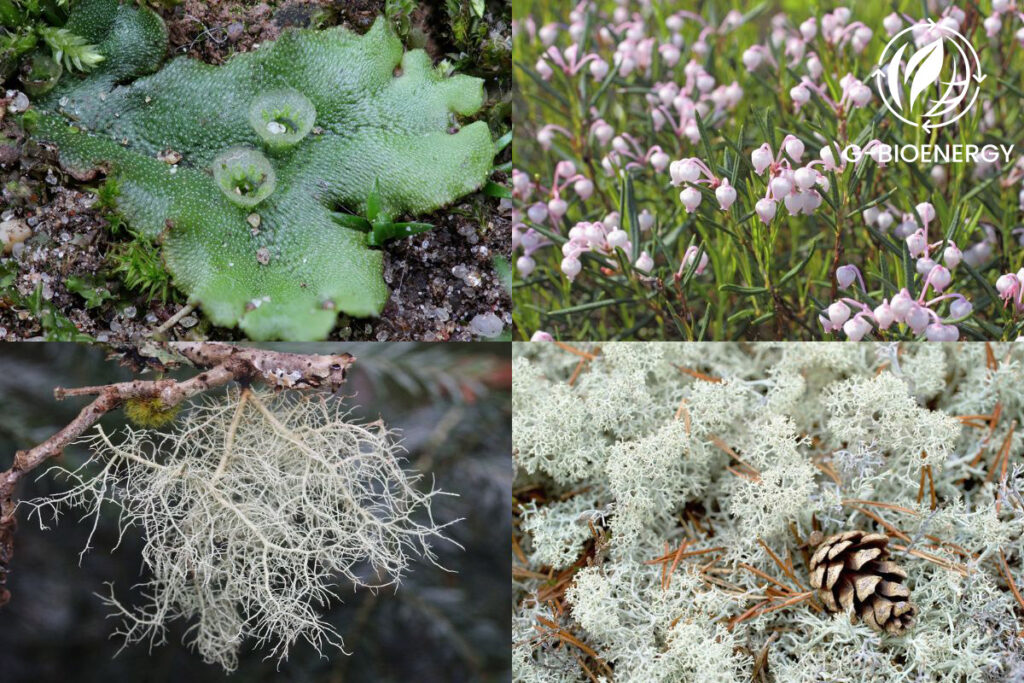
Mosses and liverworts
- Sphagnum moss
- Marchantia (liverwort)
Lichens
- Reindeer moss (Cladonia rangiferina)
- Usnea (beard lichen)
Grasses and sedges
- Cotton grass (Eriophorum)
- Carex (a common sedge genus)
Low shrubs and dwarf trees
- Arctic willow (Salix arctica)
- Dwarf birch (Betula nana)
- Bog rosemary (Andromeda polifolia)
Wildflowers (brief but vibrant summer bloomers)
- Arctic poppy (Papaver radicatum)
- Lousewort (Pedicularis)
- Dryas species
Tundra Animals

Tundra animals are specially adapted to cope with frigid temperatures, limited food, and harsh winds. Most species have stocky builds, dense fur or feathers, and thick fat layers to conserve body heat.
Coloration changes with the seasons. Many species, like the arctic fox and ptarmigan, grow white winter coats for camouflage in snow and switch to brown in summer. Because burrowing is limited by frozen soil and food is scarce, many animals either migrate during winter or remain active above ground.
Unlike other biomes, tundra has no cold-blooded vertebrates due to the extreme cold. Insects, however, survive thanks to antifreeze-like chemicals like glycerol that allow them to withstand sub-zero temperatures.
Although animal diversity is relatively low, the tundra supports a unique community of permanent and migratory species across land, aquatic, insect, and bird groups.
Life in the tundra also depends on timing, reproduction, feeding, and growth are all crammed into a narrow summer window when the sun shines nearly 24 hours a day and food becomes briefly abundant.
Common animal species and examples:
Herbivorous mammals
- Caribou / Reindeer (Rangifer tarandus)
- Arctic hare (Lepus arcticus)
- Lemming (Lemmus lemmus) – primary herbivore
- Snowshoe rabbit
- Musk ox (Ovibos moschatus)
- Voles, squirrels
- Mountain goats
Carnivorous Mammals
- Arctic fox (Vulpes lagopus)
- Arctic wolf (Canis lupus)
- Polar bear (Ursus maritimus)
- Wolverine, brown bear
Aquatic Mammals
- Seals
- Walrus
- Beluga whales
- Bowhead and other Arctic whales
Tundra Fish
- Salmon
- Cod
- Trout
- Flatfish
Birds
- Snowy owl (Bubo scandiacus)
- Ptarmigan (Lagopus muta)
- Snow geese (Chen caerulescens)
- Harlequin duck
- Sandpipers, plovers
- Ravens, loons, falcons, terns, gulls, snow buntings
Insects
- Mosquitoes (e.g., Aedes nigripes)
- Flies, deer flies, black flies
- Grasshoppers, moths, beetles
- Arctic bumble bees
- No-see-ums (biting midges)
People in Tundra Biomes
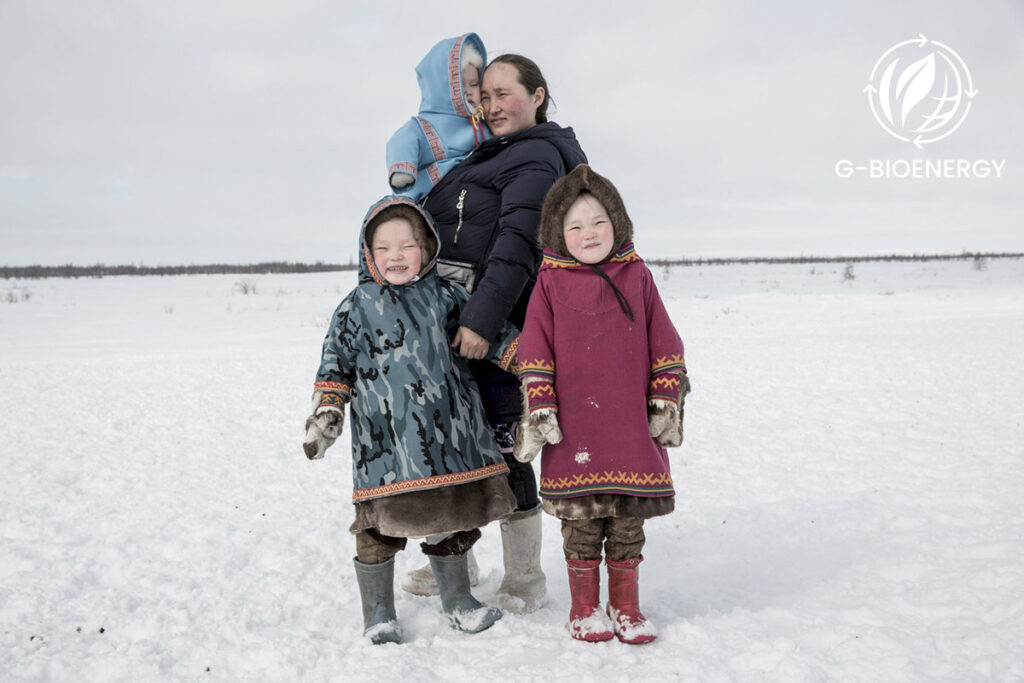
Although the tundra is one of the least inhabited biomes on Earth due to its extreme climate and remoteness, humans have lived in and interacted with these regions for thousands of years.
Indigenous peoples such as the Inuit in North America, Sámi in Scandinavia, and Nenets in Siberia have developed sustainable lifestyles deeply connected to the tundra’s rhythms. They rely on herding, fishing, and seasonal hunting of animals like caribou, reindeer, and fish, using traditional knowledge to survive in these harsh landscapes.
Historically, these populations adapted by building insulated shelters, wearing fur clothing, and maintaining migratory patterns that followed food sources. They often use sleds and snowmobiles for transport and continue to preserve a deep cultural connection to the land, its wildlife, and seasonal cycles.
In modern times, non-Indigenous settlements, industrial operations (such as oil drilling), and military outposts have expanded into tundra regions, particularly in Alaska, northern Canada, and Russia. While infrastructure is limited, these developments have introduced roads, pipelines, and buildings that alter the natural landscape and contribute to ecological stress.
Threats in Tundra Biomes
The tundra biome is facing increasing environmental pressures that threaten its delicate balance. The most significant and far-reaching threat is climate change, which is causing warming temperatures, shrinking permafrost, and altered precipitation patterns.
Arctic regions are warming over three times faster than the global average, leading to earlier spring thaws, longer growing seasons, and the northward migration of shrubs and trees, which alters the traditional tundra ecosystem.
One of the most concerning consequences is the thawing of permafrost, which releases large amounts of carbon dioxide (CO₂) and methane (CH₄), both potent greenhouse gases, into the atmosphere. This creates a feedback loop, where warming leads to more emissions, accelerating climate change further.
Other major threats include:
- Industrial development (oil drilling, mining, road construction) that fragments habitats and disrupts wildlife movement.
- Tundra fires, which are increasing in frequency and intensity due to warming conditions, destroying vegetation like lichens and reducing food for herbivores such as caribou.
- Pollution from human activity, including air contaminants and oil spills, which affect both land and aquatic ecosystems.
- Increased tourism and infrastructure, particularly in alpine regions, which leads to soil erosion and vegetation damage.
- Loss of snow cover and changing wind and weather patterns that affect species’ migration, breeding, and feeding habits.