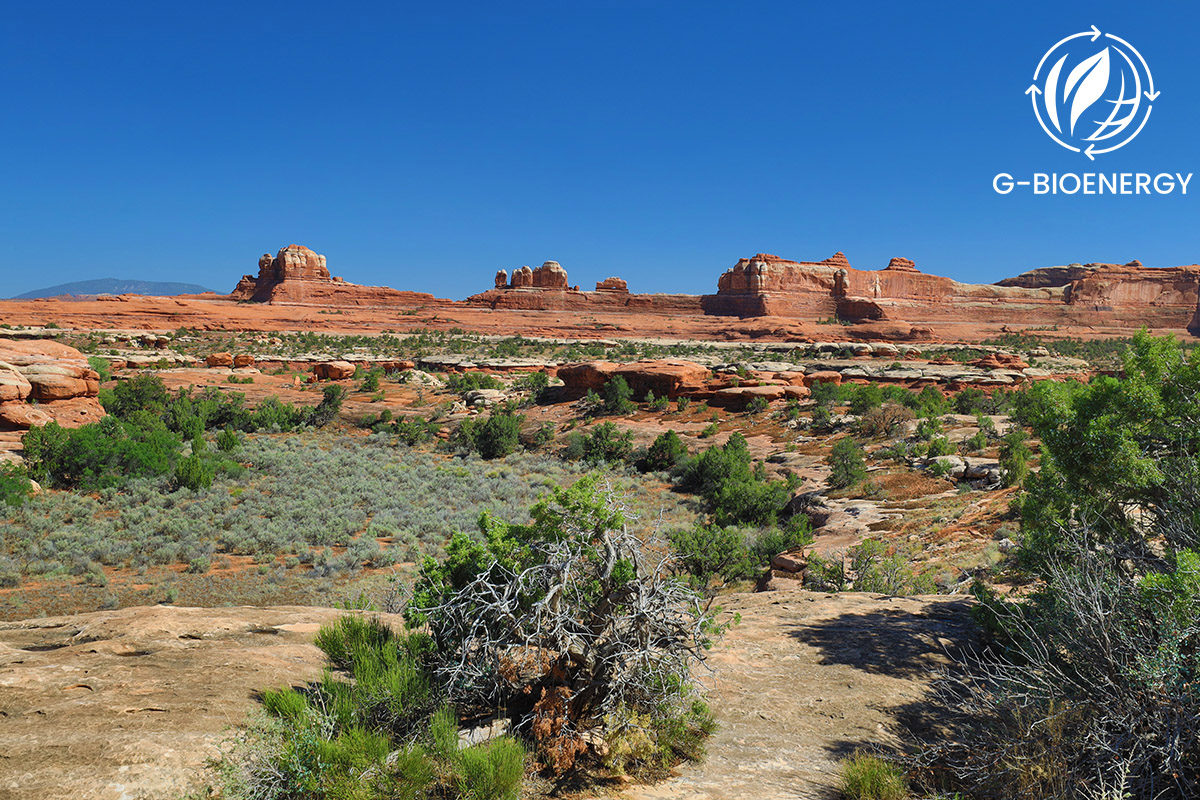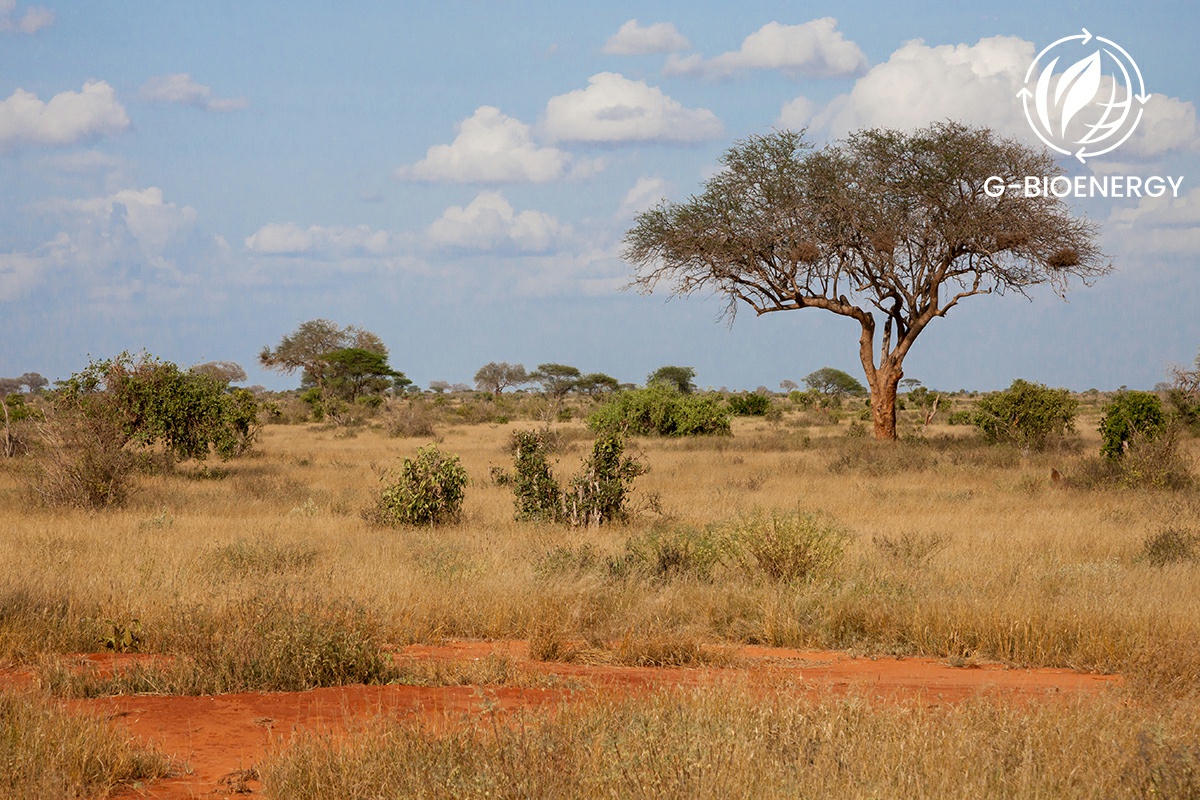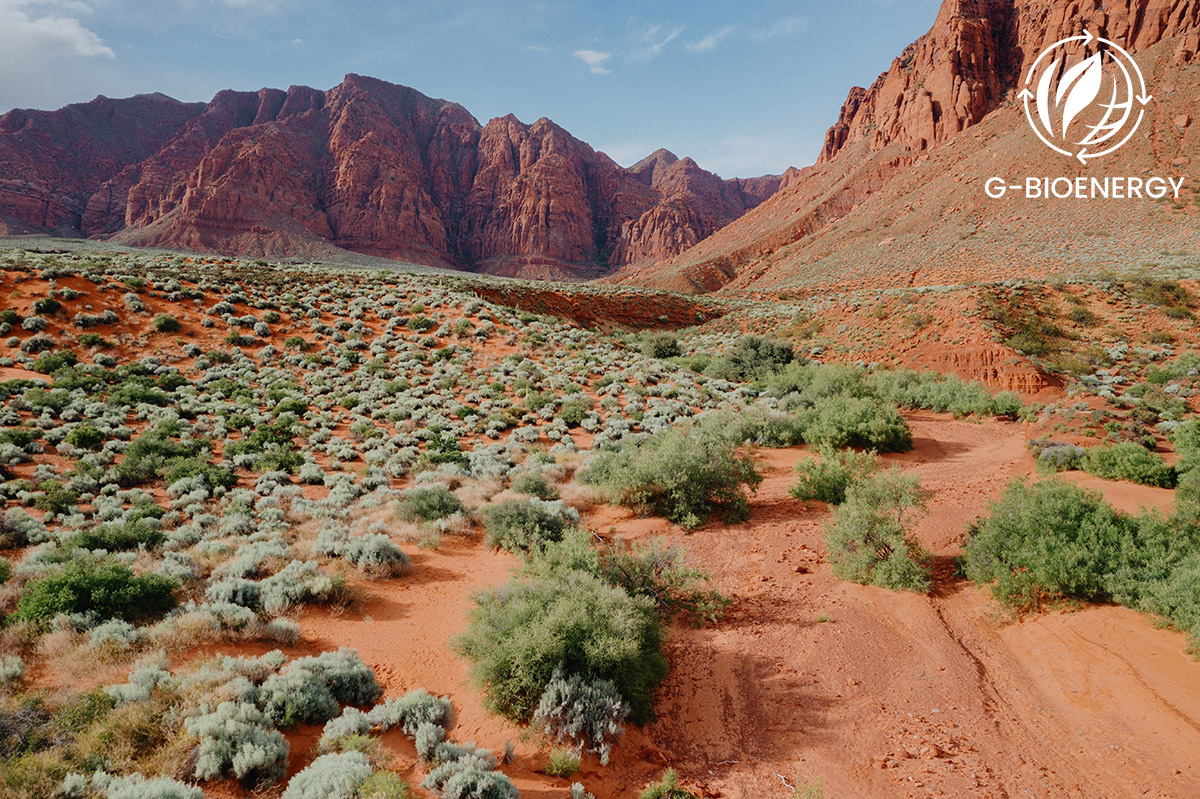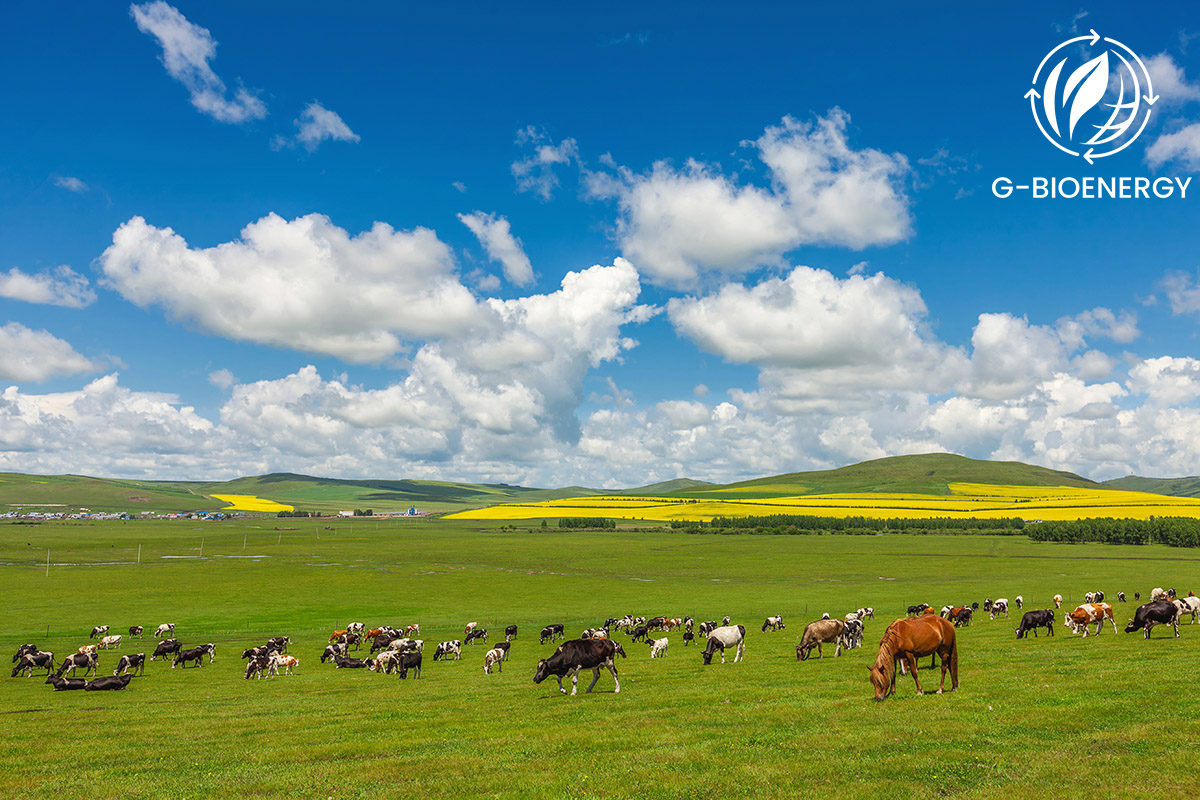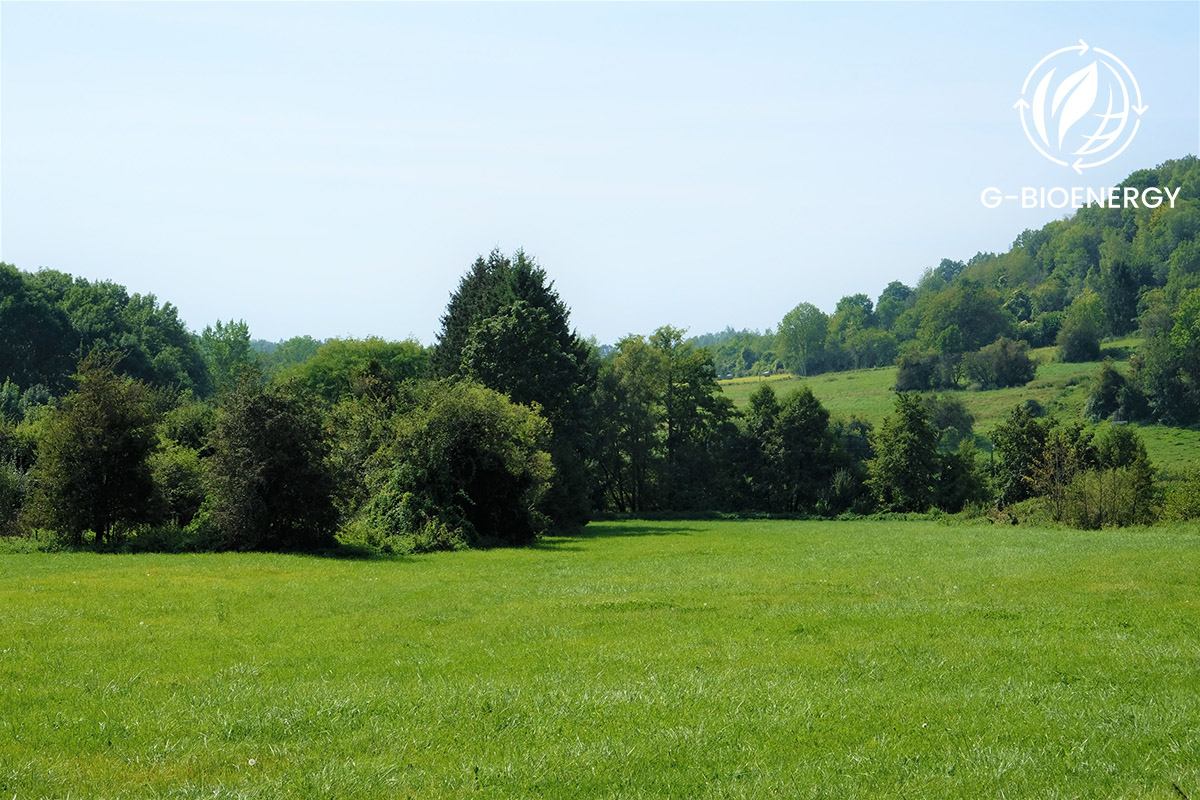

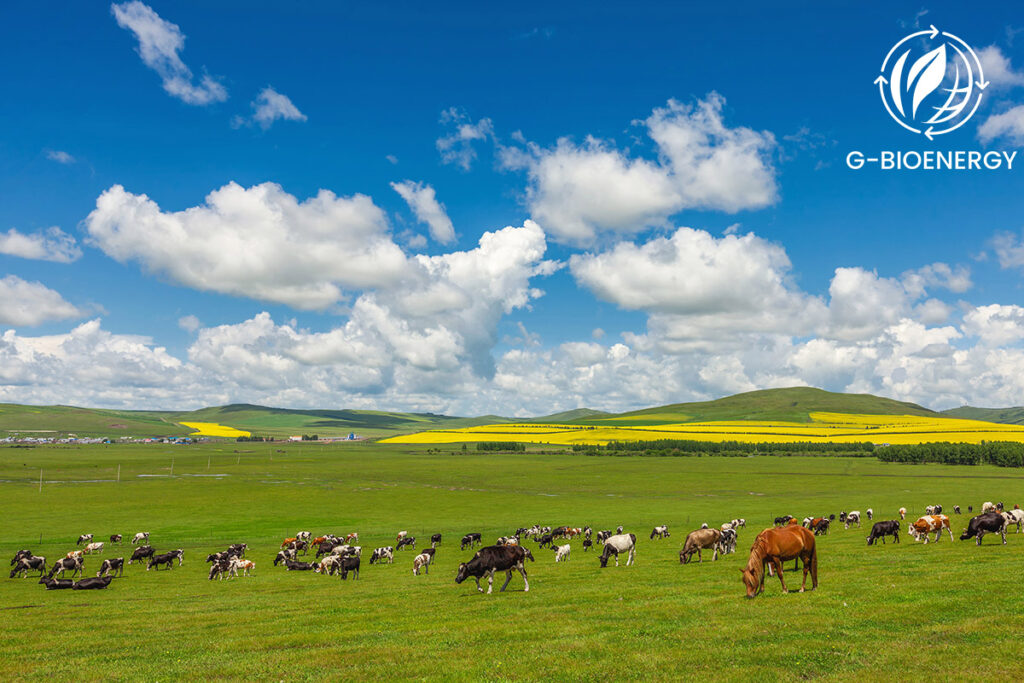
Grassland biomes are dominated by grasses, with few trees or large shrubs. Found on almost every continent, they feature seasonal rainfall, nutrient-rich soils, and frequent droughts or fires. These open habitats support unique wildlife adapted for speed, grazing, and survival in challenging, semi-arid climates.
Let’s explore more about this biome right below!
In this article:
Type Of Grassland Biomes
The two main types of grassland biomes include tropical and temperate:
Tropical Grasslands (Savannas)
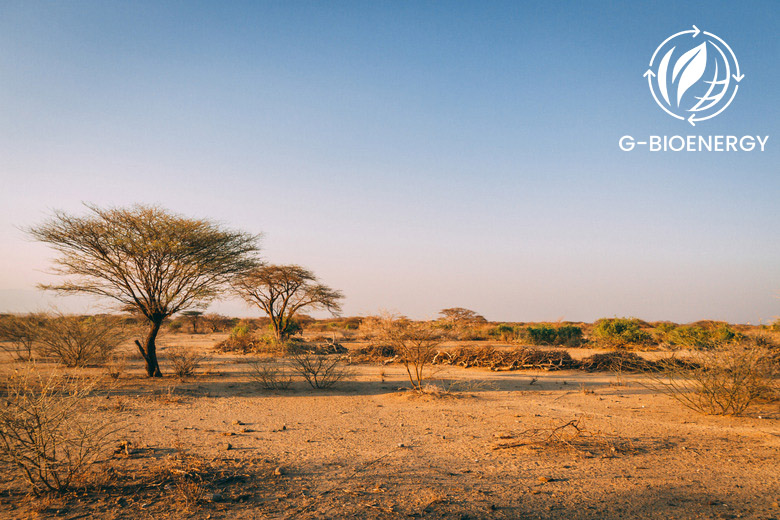
Also known as savannas, tropical grasslands concentrate around the equator, featuring a hotter and wetter climate than temperate ones. Though the majority of the vegetation is grasses, some trees are still spotted in these areas.
There are three main types of tropical grasslands, including:
- Climatic savannas: Tropical grasslands are formed due to the climate.
- Edaphic savannas: Tropical grasslands are formed due to soil conditions. This type can be found in areas with shallow soil, like ridges and hills, or valleys with waterlogged clay soil during wet seasons.
- Derived savannas: Tropical grasslands are formed by human-driven deforestation, allowing grass species to take over.
Temperate Grasslands
Temperate grasslands are dominated by grasses with very few trees and shrubs due to fires. They are divided into two main types:
- Prairies: These regions receive more rainfall, so they are covered with tall grasses. With a flat surface and rich soil, most of them have been turned into farms.
- Steppes: With about 10 to 20 inches of annual rainfall, steppe grasslands feature shorter grasses, about 1 foot or so. Plowing and overgrazing cause loose soil, which is easily blown by the wind and creates dust storms in these areas.
Grassland Biome Location
Basically, grasslands are established in regions that receive not enough rainfall for a thriving forest but not too little for a desert to form.
In particular, savannas can be found mostly in Africa, India, South America, and Australia. Meanwhile, temperate grasslands are a native biome of the veldts of South Africa, the pampas of Uruguay and Argentina, the prairies and plains of central North America, and the steppes of the former Soviet Union.
Climate In A Grassland
The grassland climate varies depending on the type. In general, these zones have about 20 to 35 inches of rainfall each year. The temperature differs greatly between seasons. Savannas feature dry and wet seasons, while temperate grasslands are characterized by hot summers and cold winters.
Savanna
Tropical grasslands are associated with a hot climate, consisting of two distinct seasons: dry and rainy. The annual rainfall falls between 20 to 50 inches, concentrated over 6 to 8 months of the year. The extended dry spells hinder trees and plants from growing, hence the scattered vegetation in savannas.
Temperate Grassland
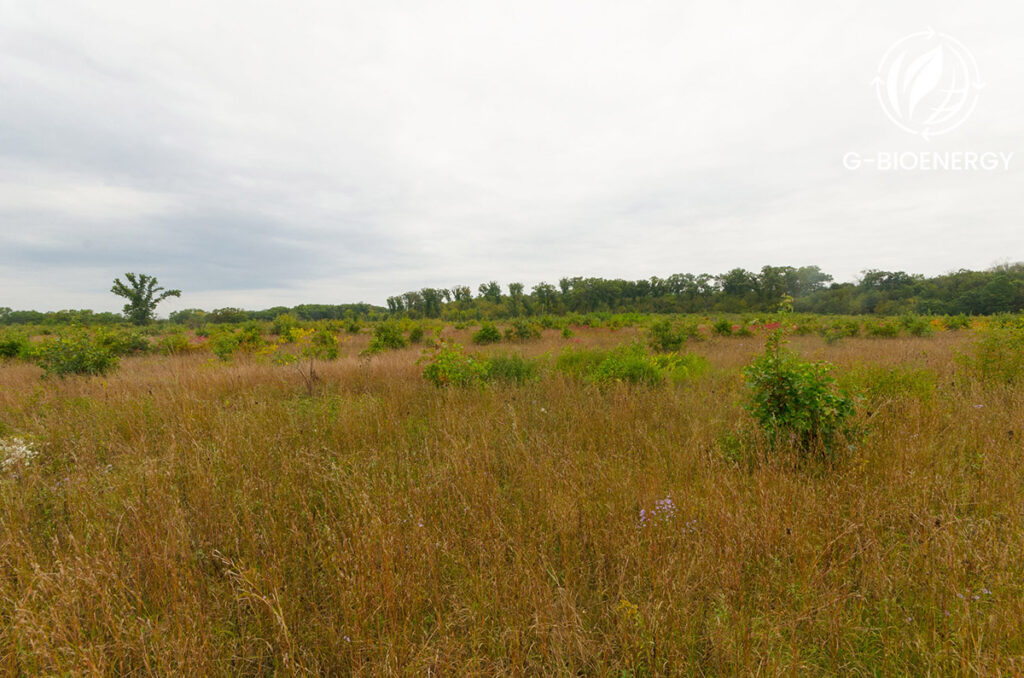
Cold winters, hot summers, and moderate rainfall are the key features of temperate grasslands. The average temperature can soar to over 100°F in summer and plummet to -40°F in winter. Precipitation ranges from 20 to 35 inches annually, mostly distributed in late spring and early summer.
Plants In Grasslands
Grassland vegetation is subjected to the climate and soil conditions of the region. Additionally, the height of grasses changes with the rainfall; the more rainfall, the taller the grasses.
Tropical Grasslands
In savannas, the soil is porous and loose with good drainage and only a thin layer of humus. Such conditions support grasses, forbs, and a few tree species.
Many trees and shrubs are destroyed by fires and grazing mammals. To survive, they have to develop thick, hard bark and harsh sap to defend against animals, as well as deep roots to reach groundwater during long dry periods.
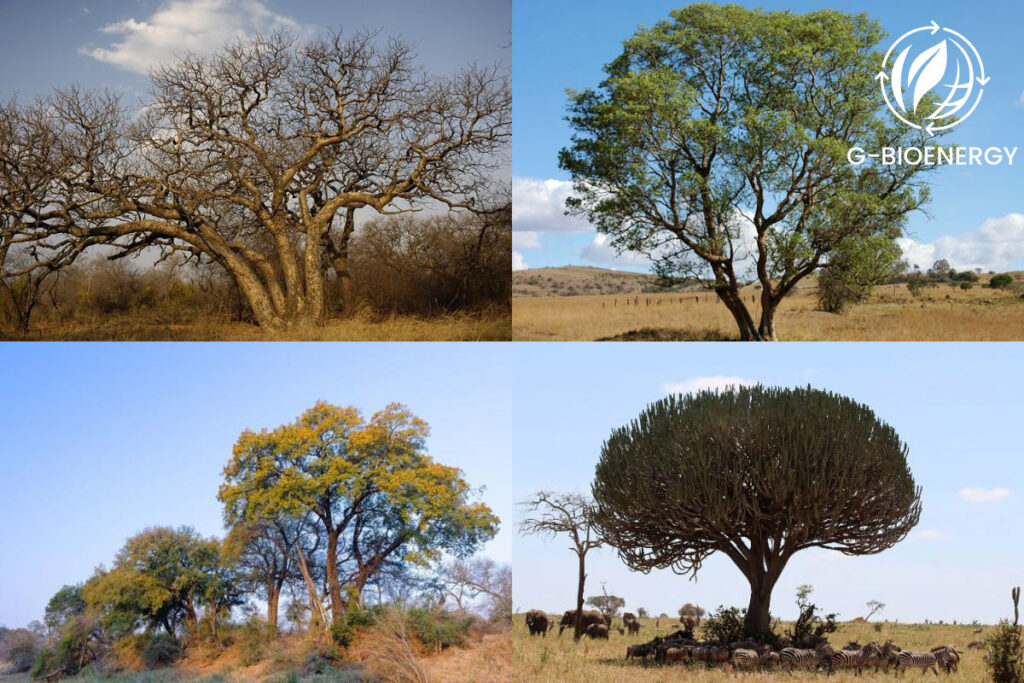
Some common trees in savannas include maketti trees, baobab trees, whistling thorn, jackalberry trees, candelabra trees, river bushwillow, umbrella thorn acacia, black chokeberry, and kangaroo paw trees.
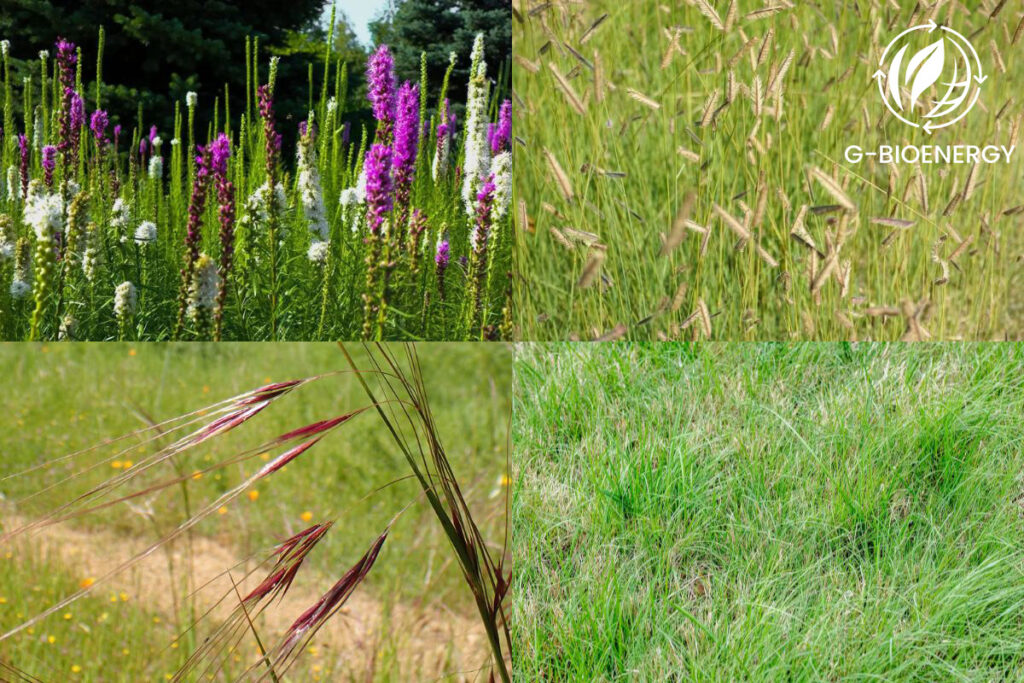
Meanwhile, grasses can easily bounce back after a wildfire, so tropical grasslands are home to a variety of native grasses. Some dominant species are elephant grass, blue fescue, Rhodes grass, lemon grass, Bermuda grass, red oat grass, and feather grass.
Temperate Grasslands
Wetter areas, like prairie grasslands, feature taller grasses, while drier regions are dominated by shorter grasses. Despite having nutrient-rich soil and varied climates, the vegetation in these areas is not as diverse as in savannas.
Wildfires, seasonal droughts, and grazing by mammals hinder the growth of large trees and shrubs. Still, we can find a few species, such as oaks, cottonwoods, and willows in river valleys.
Popular short grasses include blue grama, purple needlegrass, galleta, and buffalo grass. Besides, temperate grasslands are home to various flowers, such as coneflowers (or purple coneflower), asters, goldenrods, blazing stars, sunflowers, clovers, wild indigos, psoraleas, milkweed, and lupines. Other species of plants like cacti and sagebrush can also be found there..
Animals In Grasslands
Grassland animals have evolved to thrive in open, often harsh environments with limited shelter, seasonal droughts, and frequent fires. Most are highly mobile, with adaptations for speed or stealth to evade predators or catch prey in the wide, unobstructed terrain.
Large herbivores are typically grazers with specialized teeth for chewing tough grasses, while predators rely on sharp senses and swift movements. Many species also display behavioral adaptations like seasonal migration, burrowing, and social structuring for defense or resource-sharing.
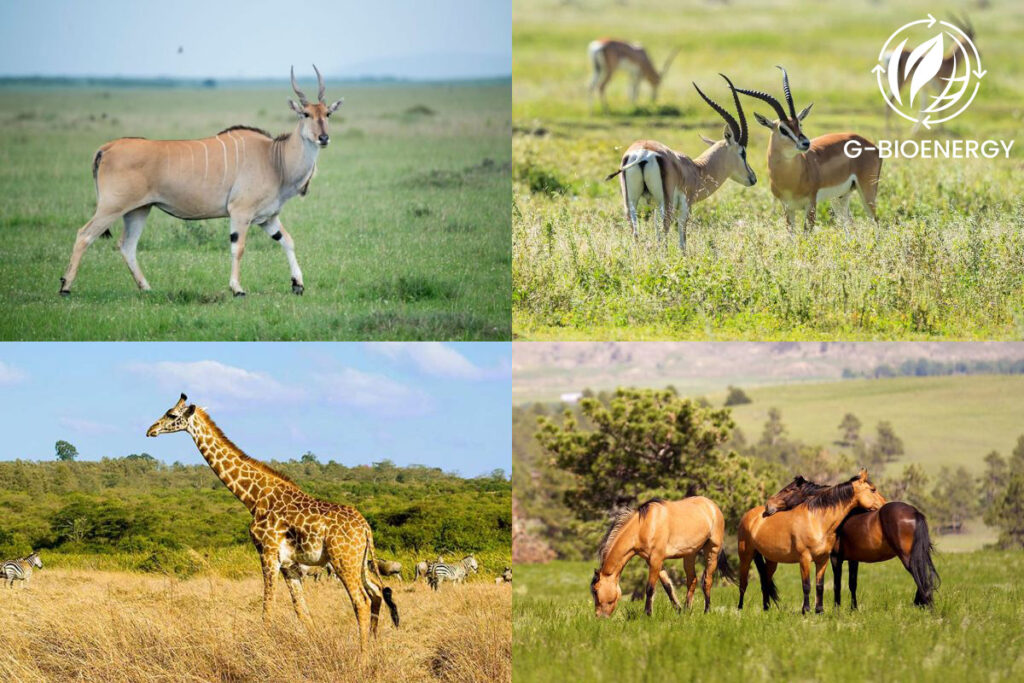
Popular and ecologically important species of animals include grazers like zebras, bison (especially American bison), antelope, gazelles, giraffes, wild horses, and deer; top predators such as lions, wolves, coyotes, bobcats, and hyenas; as well as small carnivores like foxes, skunks, badgers, and the endangered black-footed ferret.
Unique and diverse species of birds also thrive here, including long-billed curlews, blackbirds, emus, grouse, meadowlarks, sparrows, quails, owls, hawks, wild turkeys, Canadian geese, cranes, and eagles. Invertebrates and reptiles are equally vital to the grassland ecosystem, with grasshoppers, leafhoppers, spiders, and snakes playing key ecological roles.
Human Impacts On Grassland Biomes
Grassland biomes are among the most altered and threatened ecosystems due to widespread human activity. Agricultural development is the most significant driver of change, with vast areas of grassland converted into farmland or grazing land.
The nutrient-rich soils of temperate grasslands make them particularly attractive for crop production, but this conversion leads to habitat loss, soil degradation, and a sharp decline in native biodiversity. Infrastructure expansion, urbanization, and mining further fragment these ecosystems, reducing their capacity to support native wildlife and ecological processes.
In addition to land-use change, fire suppression, introduction of invasive species, and unsustainable hunting or poaching contribute to the degradation of grasslands. These disruptions alter the natural balance, affecting plant regrowth, wildlife migration, and soil health. Despite their resilience, grasslands are increasingly vulnerable without targeted conservation efforts.
Besides, grassland biomes also face other threats, including climate change, overgrazing by livestock, soil erosion, invasive plant species, fire suppression, drought, and desertification.
Summary
Grasslands may appear simple, but they are among the most productive and diverse biomes on Earth. They nurture wildlife, stabilize soil, and support people worldwide. Despite their resilience, grasslands are under constant threat from human activity and climate change. That’s why conserving these open spaces is key to maintaining ecological balance in a rapidly changing world.