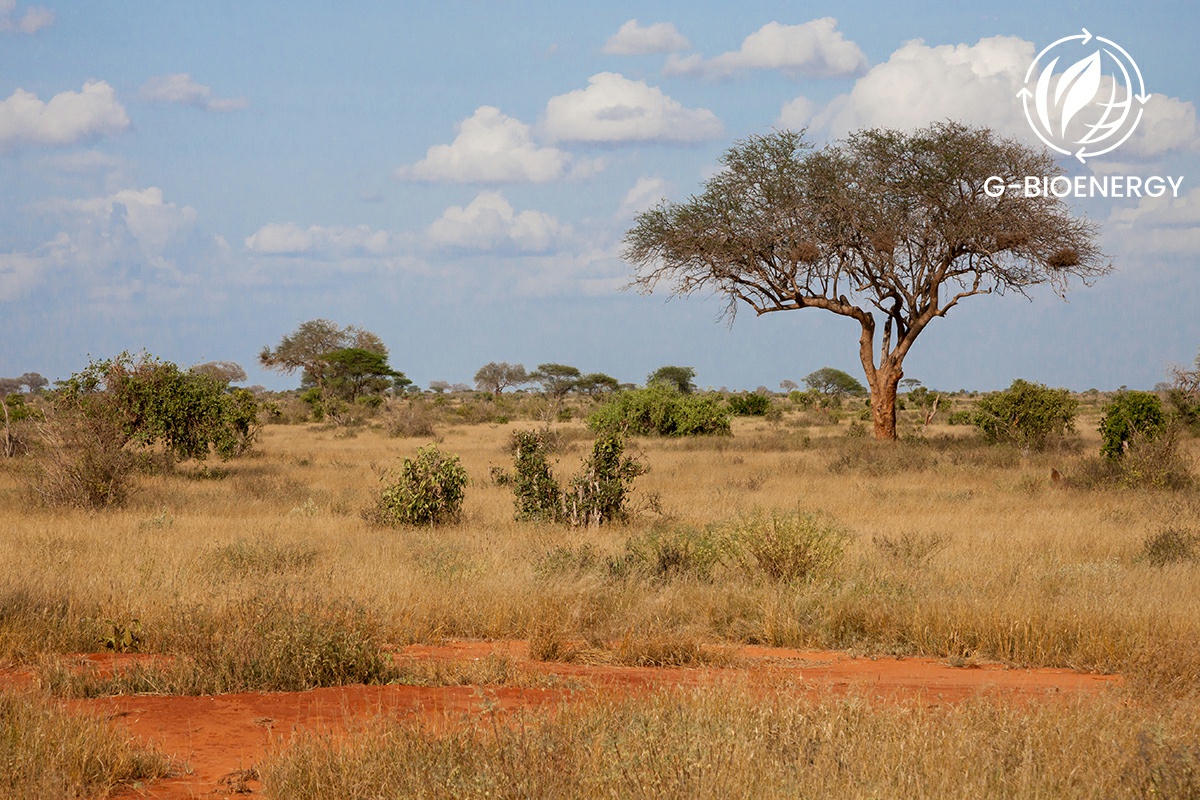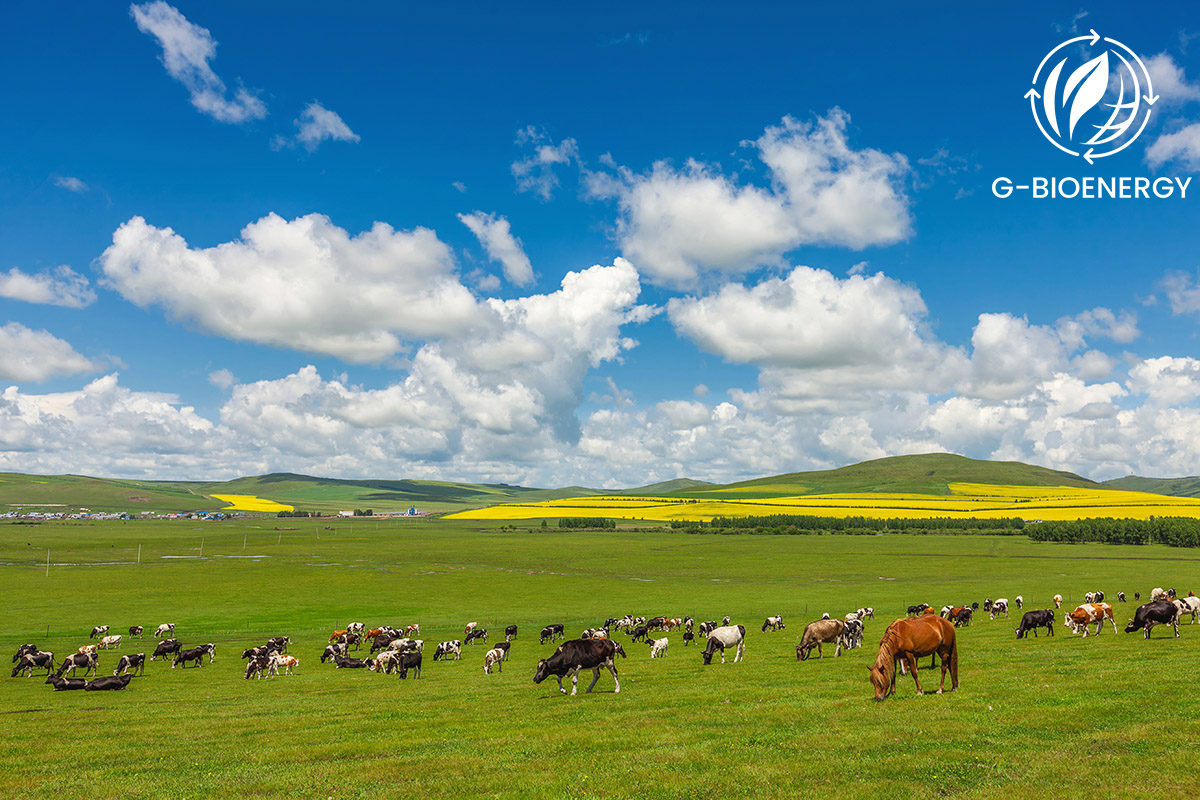

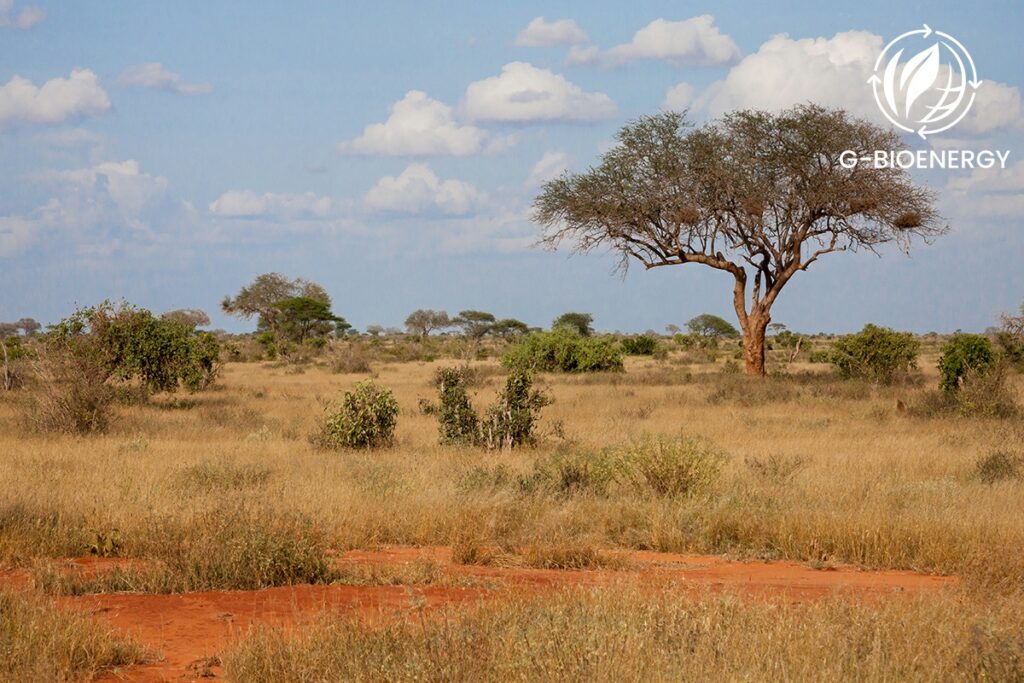
Savanna biomes are flat plains dominated by grasses and large trees like baobab. The animals there include grazers like elephants and zebras, predators like lions and cheetahs, and other herbivores. The climate is associated with short, rainy summers and long, dry winters.
More interesting information about this ecosystem will unfold below!
In this article:
Types Of Savannas
Savannas, also referred to as tropical grasslands, consist of multiple subtypes with varied climates:
- Tropical and subtropical savannas: These include shrublands and tropical grasslands, which are home to various exotic animals.
- Temperate savannas: These regions feature drier winters and wetter summers than other types of savannas.
- Flooded savannas: These savannas experience seasonal or year-round floods.
- Mediterranean savannas: Dry, hot summers and mild, wet winters are the key features of this type.
- Montane savannas: Located on mountainsides, hillsides, or other high-altitude areas, these savanna biomes receive more harsh sunlight.
Where Are Savannas Located?
Though savanna biomes are unfamiliar to many folks, they make up about 20% of Earth’s land, according to Science News Explores. We can find them in almost every continent, particularly:
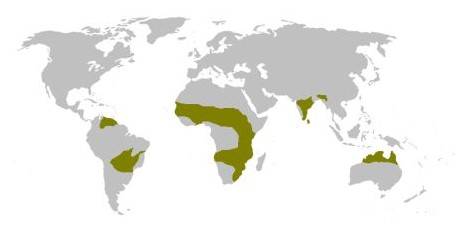
- Tropical and subtropical savannas are concentrated near the equator, especially in Africa (e.g., South Africa, Kenya, Botswana, Zimbabwe, and Namibia), South America, and Australia.
- Temperate savannas are mostly found in mid-altitude areas, such as the Great Plains of the United States and Southeast Australia.
- Flooded savannas are native to the tropics, like the Pantanal in South America.
- Mediterranean savannas, as the name implies, are located across the Mediterranean, including Portugal (the Alentejo region), Italy, and Greece. However, some zones are scattered in South Africa, California, and Australia.
- Montane savannas are associated with high-altitude regions in Africa, South America, and Asia.
Savanna Climate
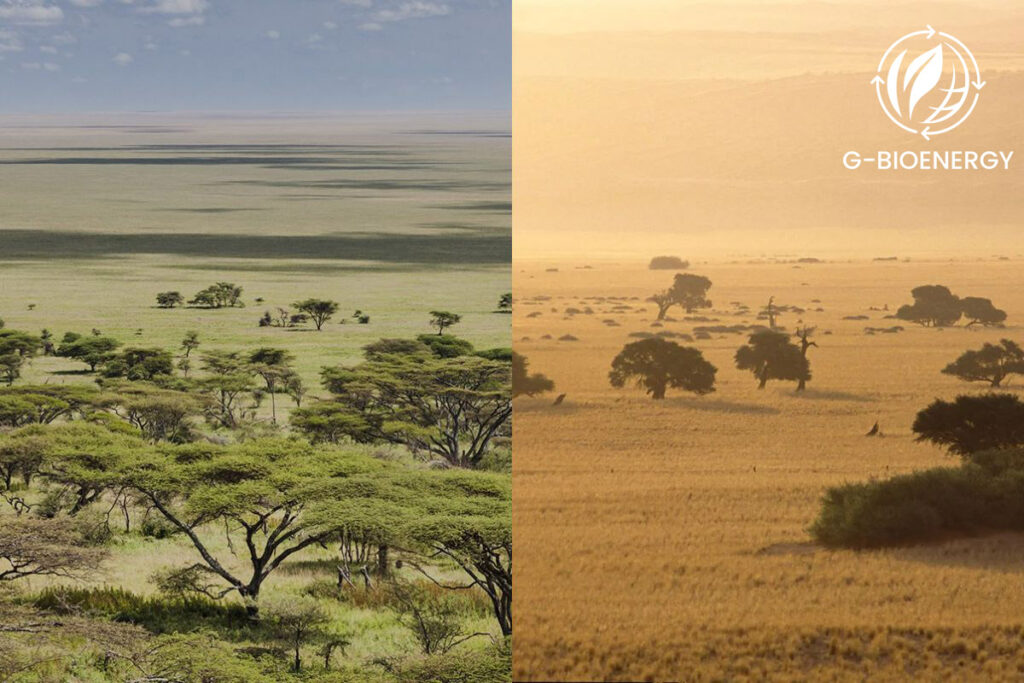
The climate of a savanna is characterized by two distinct seasons: dry (winter) and wet (summer). The overall temperature is warm year-round.
Interestingly enough, the winter is drier with about 4 inches of rainfall, while the summer receives the most rainfall of around 15 to 25 inches. The reason is that in the summers, water evaporates and collides with cool air above, creating rain that can last for hours.
The time of each season varies depending on the location, but the dry season (winter) is typically longer than the wet one. In the Southern Hemisphere, the monsoon season (summer) starts from October to March, while that of the Northern Hemisphere spans from April to September.
The savanna temperature in summer ranges from 68°F to 86°F on average, making the weather muggy and unpleasant. In the winters, the weather is cooler and drier, averaging at 50°F to 68°F.
Climatogram – Savanna Climate
Savanna Vegetation
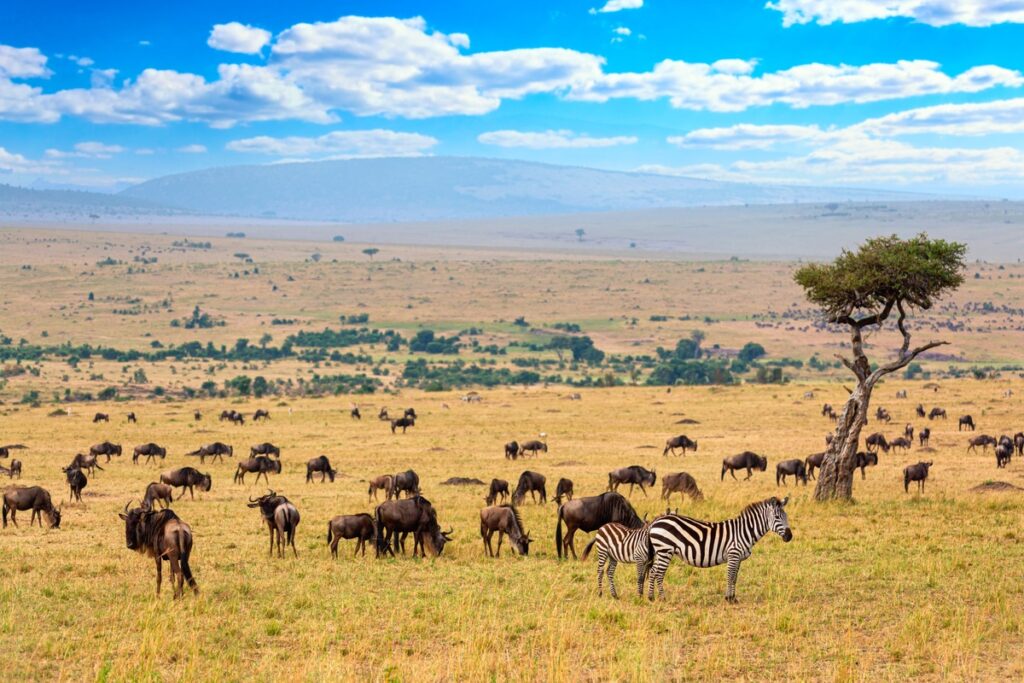
Savanna vegetation is a cross between a tropical rainforest and a desert ecosystem. These biomes are covered with short and tall grasses, low-lying shrubs, and scattered large trees. They have adapted to thrive in such hot and dry conditions.
For instance, some grass species come with sharp blades or a bitter taste to prevent herbivores from eating them. Long root systems also allow them to suck underground water. Many of them grow from underground, meaning their growth tissues are lying under the ground, so they can easily bounce back after wildfires or grazing.
Trees also have their way to fit into this savanna habitat. They develop thick, rough bark to withstand wildfires and specialized trunks to store water for an extended time. Many savanna plants feature special organs like corms or bulbs to store water during the dry spells, while some choose to shed leaves in winter to preserve water.
The diverse picture of vegetation in savannas include grasses (e.g., Bermuda, red oat grass, Rhodes grass, kangaroo grass, thatching grass, and elephant grass), shrubs (e.g., sickle bush, raisin bush, sandpaper raisin, and buffalo thorn), and trees (e.g., baobab trees, acacia trees, candelabra trees, jackal berry trees, and Brachystegia trees).
Savanna Animals
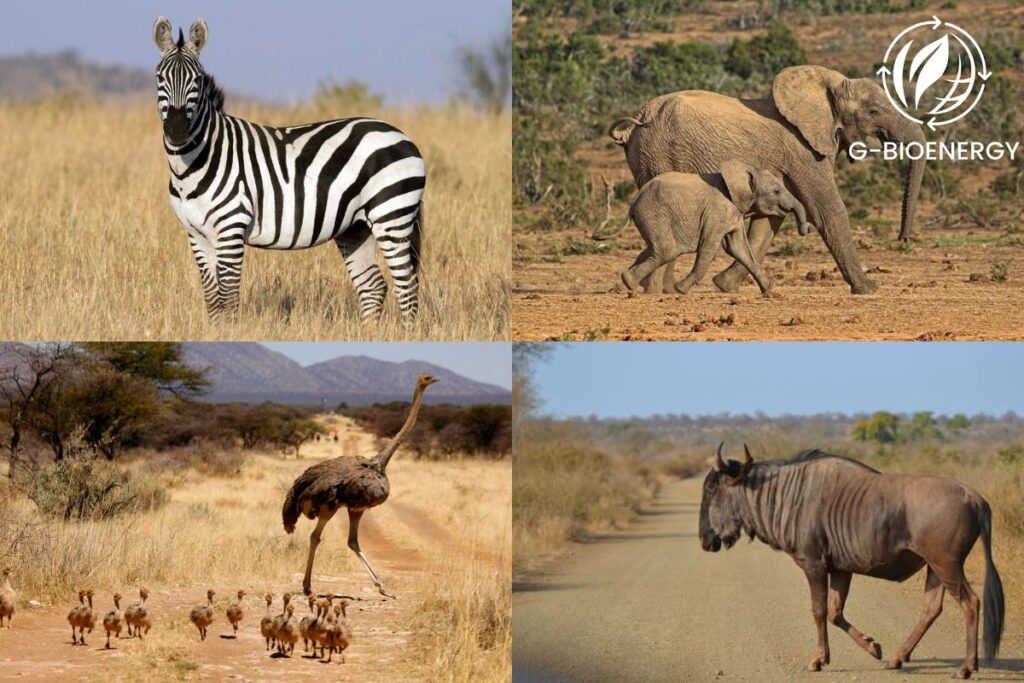
Savanna biomes are heaven for birdlife, especially birds of prey like eagles, buzzards, vultures, and hawks. Open plains offer clear views, and dispersed trees provide shelter; all support their hunt for prey.
Animals there typically have long legs for long migrations or foraging in times of scarcity. Many species love burrowing to escape the heat or seeking refuge underground to protect their offspring.
To preserve water, most of them don’t sweat but pant or release body heat through their skin and ears. Camouflaging is also an essential skill to survive in this habitat; predators need to blend into the environment to wait for their prey, and prey have to disguise themselves to hide from them.
Savannas are home to both carnivores and herbivores. Herds of grazers, such as zebras, elephants, wildebeests, giraffes, gazelles, ostriches, and buffalo, are prominent in these regions. Hoofed mammals are also common, including camels, rhinoceroses, and hippopotamuses.
Additionally, rodents like rats and mice inhabit these vast grasslands. Savannas can’t lack predatory animals like lions, cheetahs, jackals, leopards, and hyenas. Other species, including meerkats, snakes, crocodiles, kangaroos, ostriches, baboons, termites, ants, antelopes, etc., are also a crucial part of the food chain in the savanna.
Wildfires In Savannas
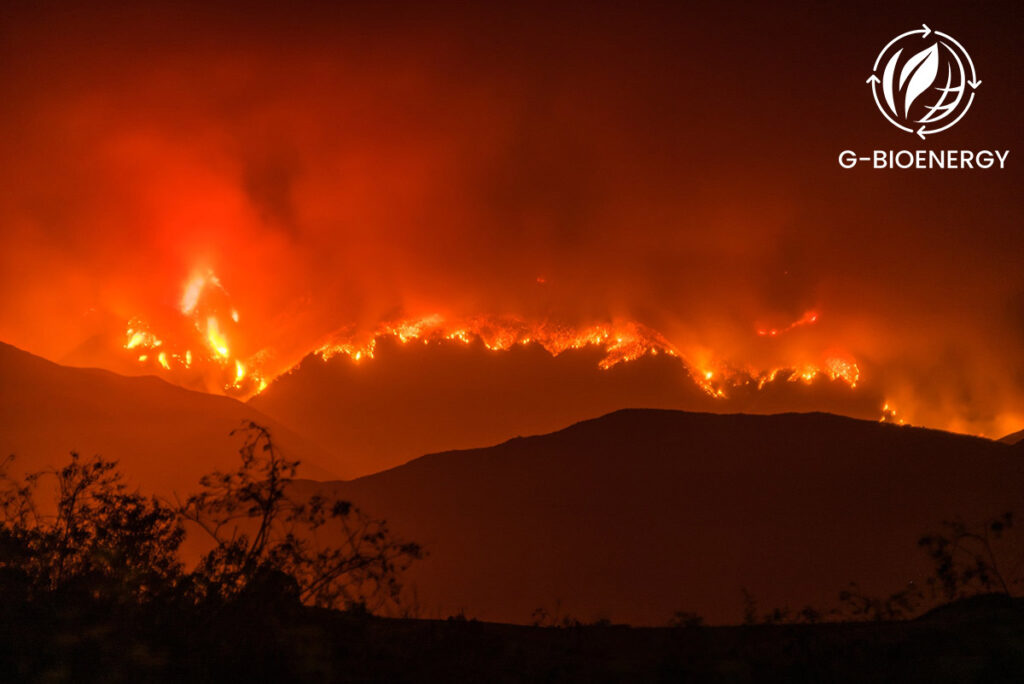
Wildfires usually occur in savanna biomes for many reasons. In an extended dry season, dry grasses and shrubs can easily catch fire. Or else, lightning striking the ground can also burst into flames.
Contrary to common belief, wildfires do more good than harm for savanna biomes. They are indispensable to burn dead, old grass, giving way for new growth and maintaining the ecosystem balance without harming other lives.
Large trees, as mentioned, can survive the fires thanks to their thick, fire-resistant bark. Animals can run or fly away from the fires easily, so nothing will be left behind. The only victims are small insects, but their population is too crowded to be completely extinct. On the bright side, dead insects even become a feast for other animals.
Threats That Savannas Are Facing
Human Activities
Human actions are one of the biggest threats to savannas. As more people move into areas near or within savannas, they clear land to build homes, roads, and farms. Cutting down trees removes important shade and food sources for many animals.
Farming also often involves using machines and chemicals that damage the soil and nearby water sources. In some places, overgrazing by livestock leads to grasslands being destroyed, leaving the soil bare and dry. When too many wild animals are hunted or their homes are disturbed, it upsets the natural balance, making it harder for the savanna to stay healthy.
Climate Change
Climate change is causing big shifts in the weather patterns of savannas. These areas are already known for having wet and dry seasons, but now the dry seasons are getting longer and hotter, while rainfall is becoming less predictable.
This makes it more difficult for grasses, trees, and animals to survive. Waterholes dry up faster, leaving animals with fewer places to drink. Plants struggle to grow, which means less food for herbivores and, in turn, for predators.
On top of that, wildfires are becoming more frequent and intense due to the drier conditions, which can destroy large areas of land and force animals to move or die.
5 Fun Facts About Savannas
Here are some interesting facts about savanna biomes:
- The world’s largest savanna is the Serengeti-Mara ecosystem in Africa. (Source: WhiteClouds)
- The Lion King takes place in an African savanna. (Source: Science News Explores)
- Baobab trees can live up to 5,000 years. (Source: OneEarth)
- The Serengeti plain is famous for the Great Migration, the world’s largest mammal migration, with over 1.5 million mammals. (Source: African Budget Safaris)
- African elephants are the world’s largest mammals on land, weighing up to 11 tons. (Source: The Nature Conservancy)
Wrapping Up
Savannas are amazing places with tall grasses, big animals, and changing seasons. It’s a home to countless species and an essential part of Earth’s climate system. However, with the growing threats of deforestation, farming, and climate change, it’s more important than ever to protect and restore these fragile environments.