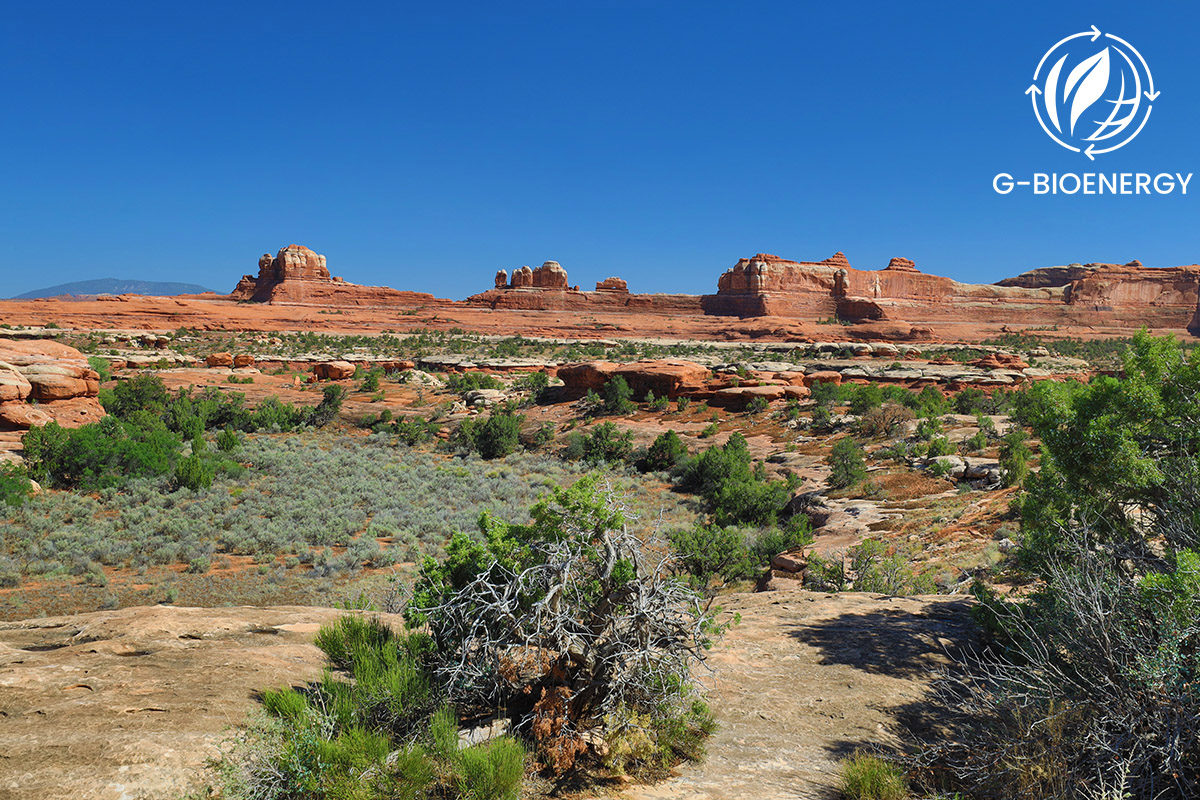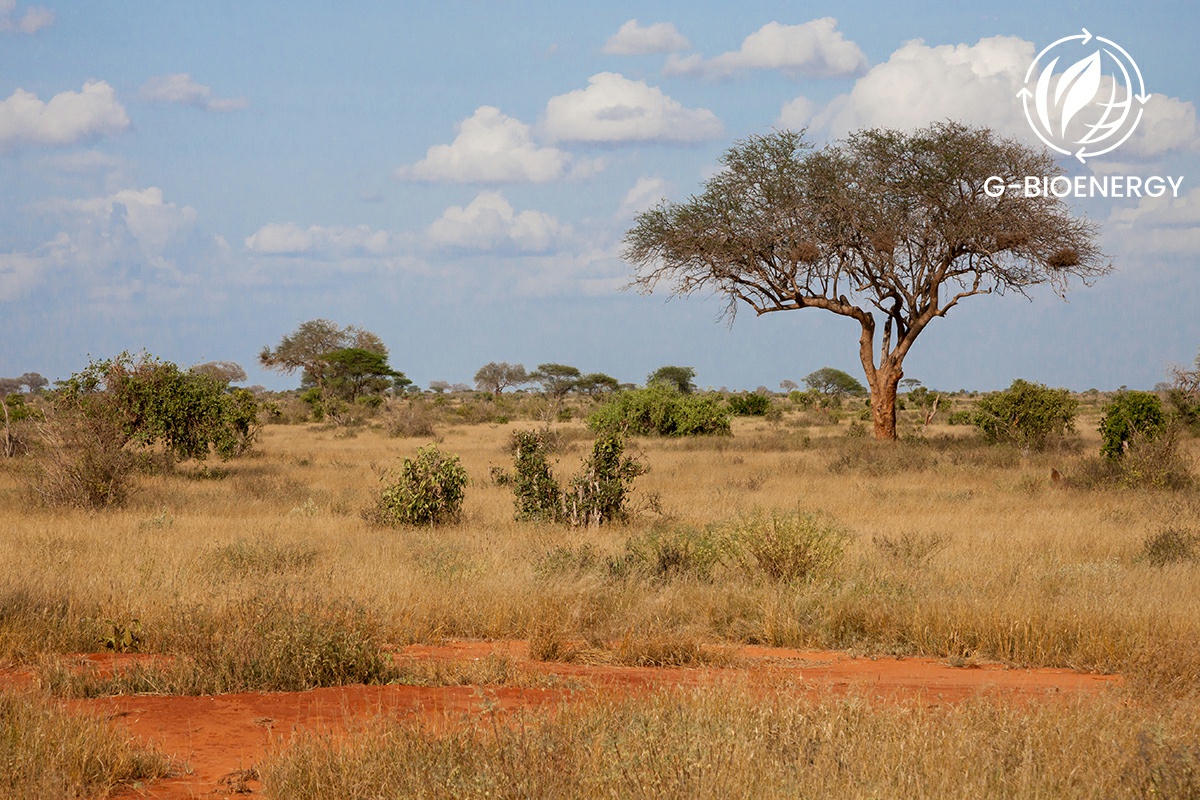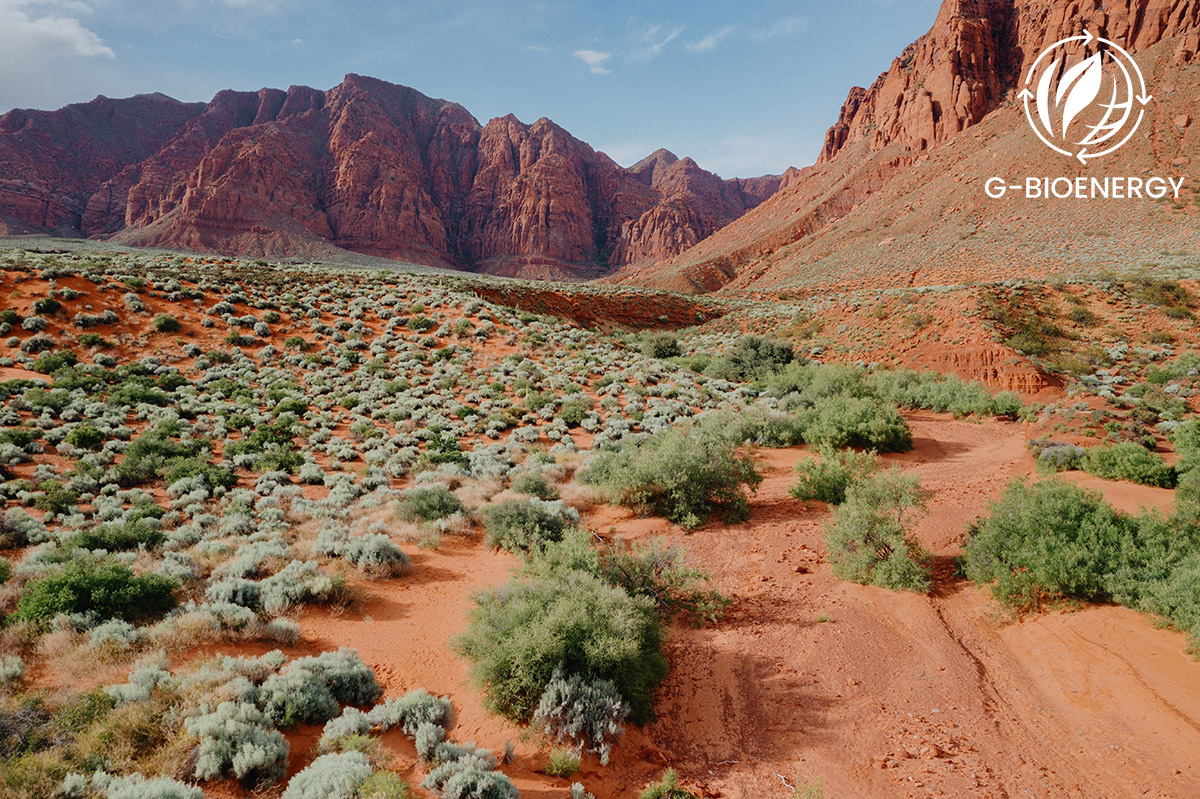

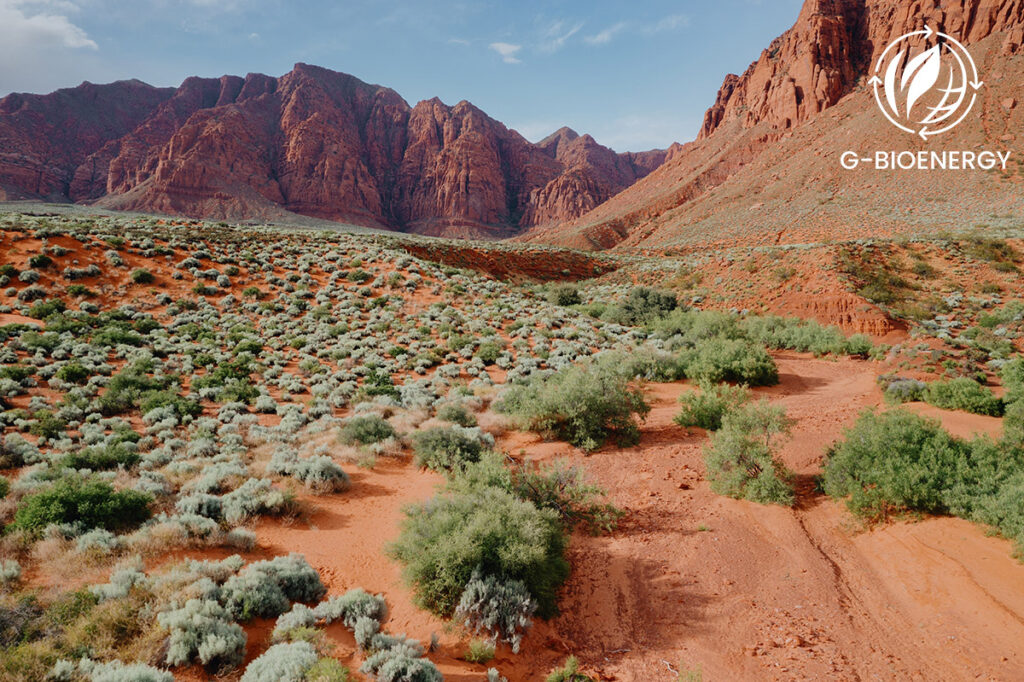
The desert biome is a dry, arid ecosystem characterized by extreme temperatures and very low rainfall, usually about 1 inch per year. Days are hot, nights can be cold. Plants like cacti and shrubs store water, while animals such as camels, lizards, and foxes adapt to conserve moisture and avoid heat.
Keep reading to learn more about this type of biome!
In this article:
Types Of Deserts
There are four main types of deserts:
- Hot and dry desert (arid desert): It’s characterized by a hot and dry climate with very little rainfall year-round.
- Semi-arid desert: Slightly cooler than arid ones, but this type of desert also experiences long, hot summers.
- Coastal desert: Situated near the coastline, these deserts have a higher humidity level with dense fogs from the ocean. However, the rainfall is still low.
- Cold desert: Known for extremely low temperatures but still very dry.
Desert Location
According to the National Geographic Society, one-fifth of Earth’s surface is covered by desert areas. Most of these deserts concentrate around 15-30° latitude south and north of the Equator, which is close to the Tropics of Cancer and Capricorn.
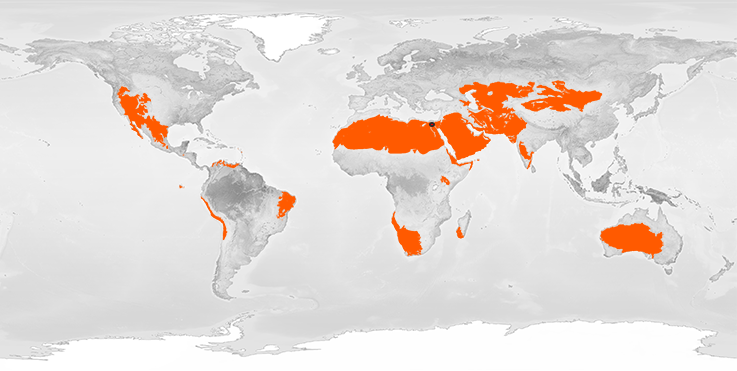
You can find deserts in most continents, including North America, Africa, Australia, Asia, and Europe. In particular:
- Hot and dry deserts: Mojave, Sonoran, Great Basin, Chihuahuan, Neotropical, Ethiopian, Australian, and the Southern Asian realm.
- Semi-arid deserts: Montana, Utah, Great Basin, and the Nearctic realm (northern Asia, Europe, Russia, Greenland, Newfoundland, and North America)
- Coastal deserts: Neotropical and Nearctic realms, such as the Atacama of Chile.
- Cold deserts: Greenland, Antarctica, and the Nearctic realm
Desert Climate
Climatogram – Desert Biome (Cairo, Egypt)
In general, the desert biome climate is scorching and dry, with two main seasons: summer and winter. Rainfall is quite rare; the average annual rainfall is only about 1 inch (250 millimeters). In summer, the temperature ranges between 95°F to 104°F (35°C to 40°C), while winter temperature fluctuates between 68°F to 86°F (20°C to 30°C).
Additionally, the day and night temperatures show a stark difference. While the temperature can soar to 104°F during the day, it can plummet to below zero at night.
However, each type of desert might feature a distinct climate, which also determines the ecosystem of a desert.
Hot and Dry Desert
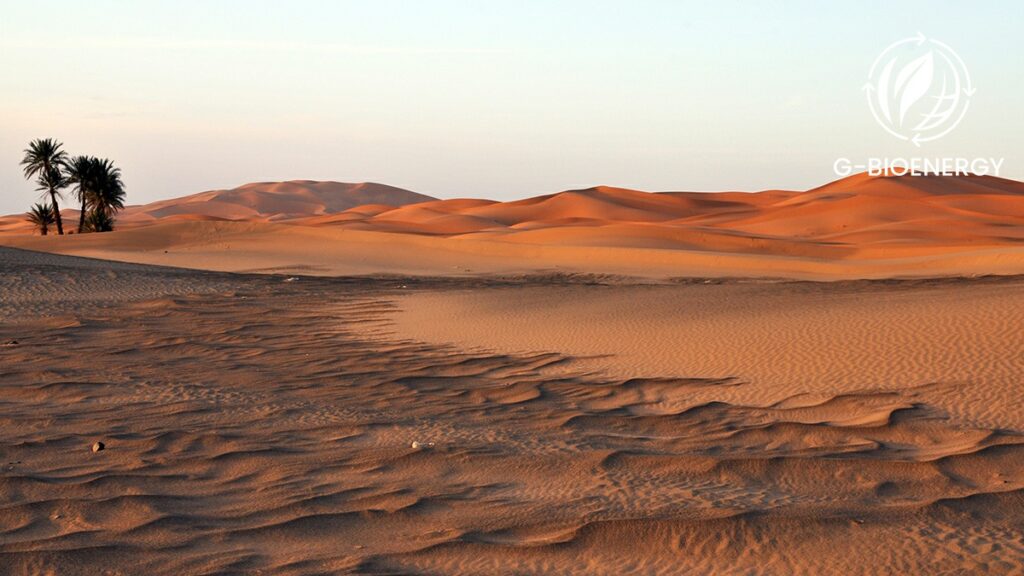
As the humidity is too low to form clouds, deserts receive twice as much solar radiation as in humid areas. This makes the temperature extremely blazing, which can reach about 110°F to 120°F (43.5°C to 49°C). Meanwhile, as the night wears on, the desert surfaces also lose twice the heat. So, the temperature at night might dip to -0.4°F (-18°C).
Desert biomes frequently suffer from extended hot spells with only short bursts of rain in between. Many areas, such as the Atacama Desert of Chile or the inland Sahara only receive less than 0.6 inches (1.5 cm) of rainfall annually.
Worse yet, the water evaporation rate is quicker than the rainfall rate, so rain sometimes even evaporates before falling onto the ground.
Semi-arid Desert
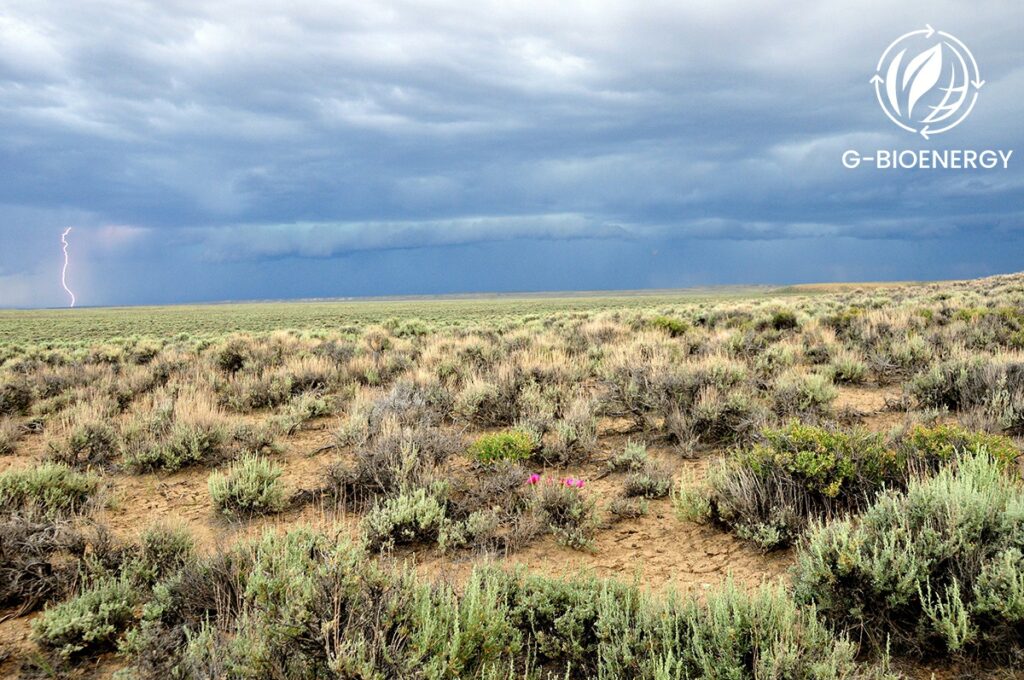
As mentioned, semi-arid deserts are cooler than hot and dry ones. The average summer temperature falls somewhere between 70°F to 80.6°F (21°C to 27°C). The night is much cooler, averaging at around 50°F (10°C).
The annual rainfall in these areas spans from 0.8 to 1.6 inches (2 to 4 cm), adding more moisture to the atmosphere. Not to mention, dew formed at cool nights also contributes to a higher humidity level.
Coastal Desert
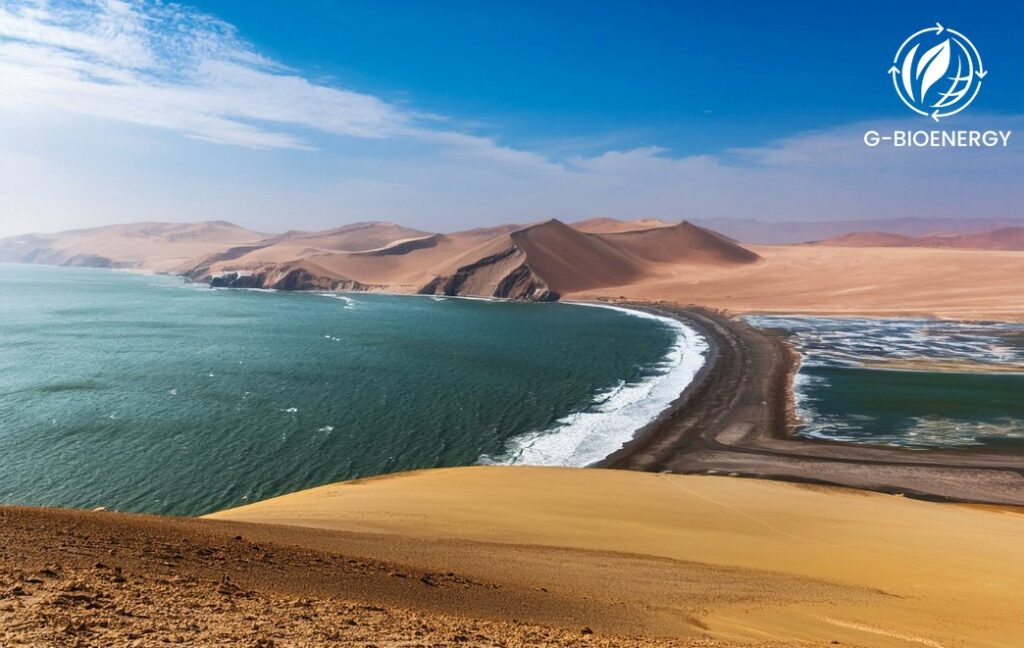
Coastal deserts feature long, warm summers and cold winters. While the summer temperature fluctuates between approximately 55°F to 75°F (13°C to 24°C), it drops to only 41°F (5°C) or lower.
The highest annual temperature hovers around 95°F (35°C), and the lowest is about 24.8°F (-4°C). These features are much more tolerable for the fauna and flora than in arid deserts.
These regions also see higher precipitation than semi-arid deserts, averaging at about 3 to 5 inches (8 to 13 cm). At some points, they can receive as much as 14.5 inches (37 cm) or as little as 2 inches (5 cm) of rainfall annually.
Cold Desert
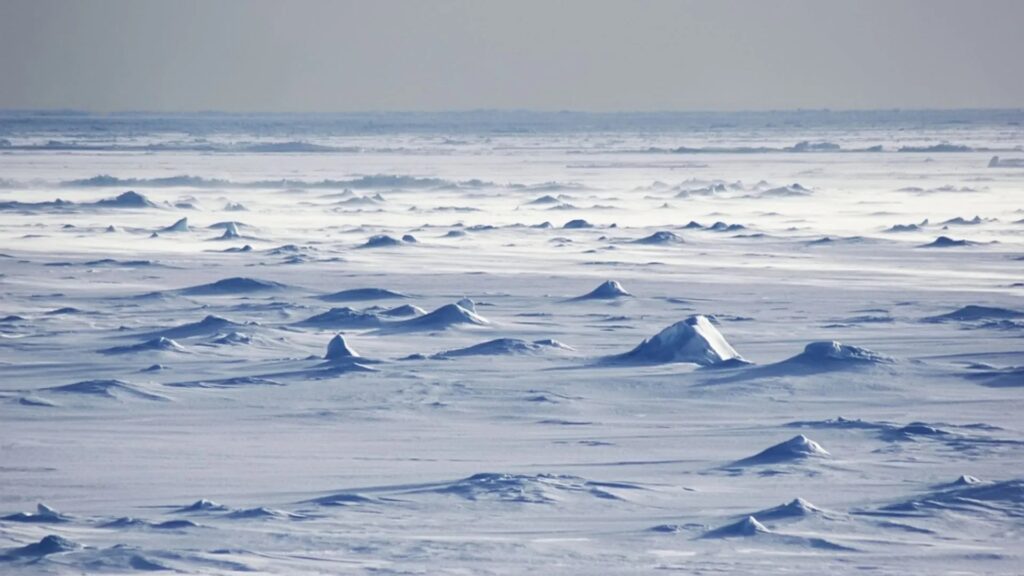
Unlike arid deserts, cold deserts experience incredibly long, cold winters and short, warm summers. In winter, the temperature ranges from around 28°F to 39°F (-2°C to 4°C). Meanwhile, it increases to 70°F to 79°F (21°C to 26°C) in summer.
The precipitation, including rain and snow, is noticeably higher than other types of deserts at about 6 to 10 inches (15 cm to 26 cm) on average. It can be as high as 18 inches (46 cm) or as low as 3.5 inches (9 cm).
Desert Soil
The soil texture varies depending on the climate of each desert type.
- Hot and dry desert: The soil is shallow, coarse, and rocky, allowing for good drainage. However, there’s no water under the surface.
- Semi-arid desert: In mountainous areas, the soil is rocky, gravelly, and shallow. Meanwhile, lower slopes and bottom land feature fine sand.
- Coastal desert: The soil is sandy and fine-textured, but it’s still porous for better drainage. The salt content is higher than in the above desert biomes due to the higher rainfall.
- Cold desert: The soil is silty, heavy, and salty.
Desert Plants
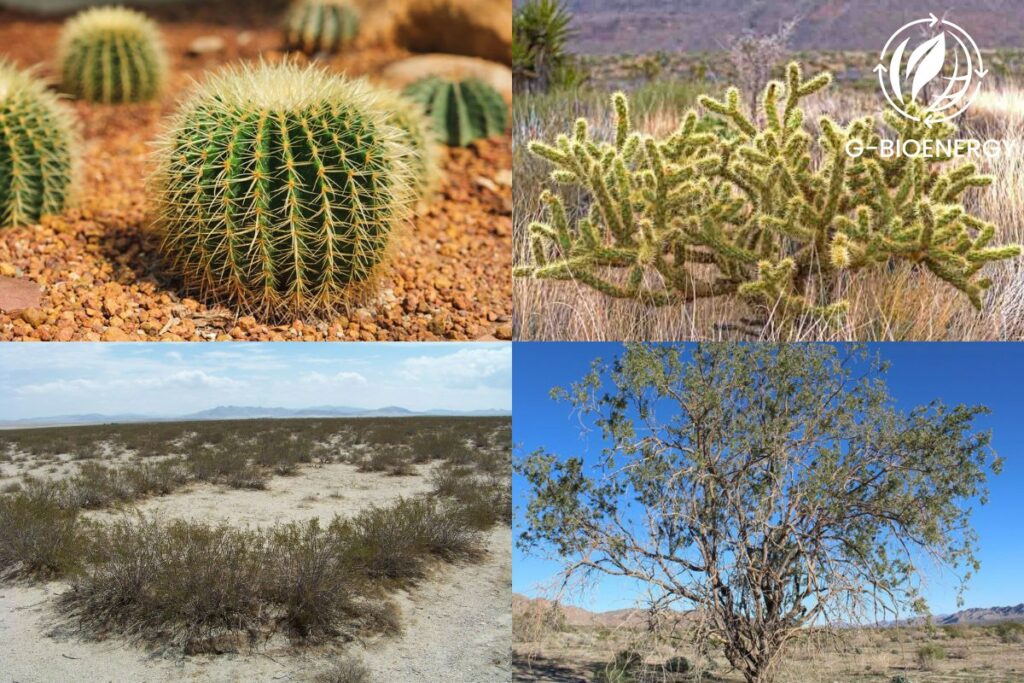
To survive the extreme heat and dryness of deserts, plants have to adapt in various ways. Many of them feature a thick, waxy coating or spikes and thorns (adapted from their leaves) to minimize water loss. Some come with fleshy stems to preserve water, while others develop long, deep root systems to reach underground water.
Some species native to deserts include succulents, cacti, acacias, creosote bushes, yucca, mesquite, and short grasses. Here are some notable desert plants:
- Barrel cactus: Barrel cacti are round, ribbed succulents that store large volumes of water, enabling survival during extended droughts. Their thick spines not only protect them from herbivores but also provide shade that reduces evaporation. Though commonly thought to be a water source for lost travelers, tapping them is difficult and often ineffective.
- Creosote bush: This hardy shrub has small, wax-coated leaves that prevent water loss and emit a strong, earthy scent when wet. It releases natural chemicals into the soil to inhibit the growth of competing plants nearby. Its flowers attract pollinators like bees, while some desert rodents feed on its seeds.
- Desert ironwood tree: The Desert Ironwood has deep roots that reach underground water, allowing it to remain green even in extreme drought. Its dense branches offer shade and habitat for animals, and its flowers provide nectar for pollinators. The wood is so dense that it sinks in water and is resistant to decay.
- Century plant: The Century Plant forms a dramatic rosette of thick leaves with sharp tips that store moisture. It blooms once in its life, shooting up a towering flower stalk before dying. Despite its name, it usually lives for 10–30 years and supports desert wildlife with nectar from its flowers.
- Cholla: Cholla cacti have segmented, spiny stems that detach easily and hitchhike on animals, helping the plant reproduce. The dense spines provide shade, reducing water loss, and the cactus produces edible fruit for birds and rodents. Some species are known as “jumping cholla” for how easily the stems break off.
Desert Animals
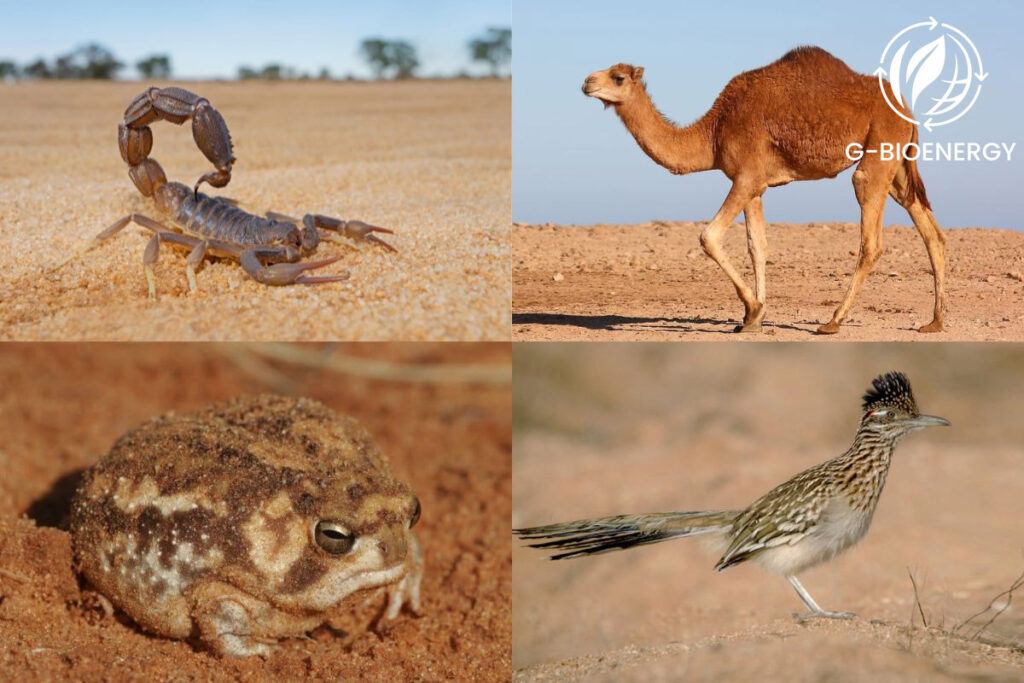
Like plants, animals also evolve and find new ways to adapt to harsh desert environments. For example, some develop special parts like lumps to store water, larger ears to regulate heat better, kidneys that can minimize water loss, or longer legs and larger feet for easy movement on sandy surfaces.
Many of them are nocturnal to escape the scorching heat during the day. Besides, some species find it cooler to dig and burrow underground or change their diets to suit the food chain in deserts. It’s also easy to notice that desert animals, especially those that are often preyed upon by others, have a knack for camouflaging to hide from their predators.
Despite the unfavorable conditions, the desert biome is still home to various species, including mammals, birds, reptiles, amphibians, fish, and small animals like invertebrates.
Below are some popular animals you can find in deserts:
- Scorpions: Scorpions are nocturnal arachnids with a hard exoskeleton that reduces moisture loss and protects them from predators. They glow under UV light, a feature that scientists use to find them at night. Their venomous sting helps them capture prey like insects and small lizards.
- Dromedary camel: The dromedary camel has a single hump that stores fat, which it converts into water and energy when food is scarce. It can drink up to 40 gallons in one go and survive days or weeks without fresh water. Adaptations like thick eyelashes and closable nostrils protect it from blowing sand.
- Roadrunner: Roadrunners are fast-running desert birds that can sprint up to 20 mph to catch prey such as lizards and insects. Their long tails and sharp beaks help them hunt and maintain balance while darting through scrubland. Though they can fly short distances, they rely mostly on speed to escape threats.
- Horned lizard: This spiky-bodied lizard blends seamlessly into desert terrain thanks to its camouflage and sandy coloring. It mainly feeds on ants and has the unique defense of squirting blood from its eyes when attacked. Its flat body and horns deter predators and help it retain moisture.
- Desert rain frog: The desert rain frog is a small, nocturnal amphibian with translucent skin and a famously loud, high-pitched squeak. It burrows into sand to stay cool during the day and comes out at night to feed on insects. When threatened, it inflates its body to look larger and more intimidating.
Besides, Kangaroo rats, desert tortoises, Fennec foxes, burrowing owls, Gila woodpeckers, and camel spiders are other common desert animals.
Some Fun Facts About The Desert Biome
Here are five facts about desert biomes that might blow your mind:
- The giant saguaro cactus can live for over 200 years and grow up to 50 feet. (Source: National Park Service)
- The Shepherd’s tree in the Kalahari Desert boasts the deepest root system of over 230 feet. (Source: Rutgers University)
- Elf Owls love to seek refuge within cacti during the day. (Source: Outforia)
- Arabian camels can live for several weeks without drinking any water. But a thirsty one can gulp 30 gallons of water within 13 minutes. (Source: National Geographic)
- A sandstorm from the Gobi Desert has found its way to Beijing, China, which is nearly 1,000 km away. (Source: Financial Times)
Wrapping Up
The desert biome is one of Earth’s most extreme yet resilient ecosystems. Characterized by intense heat, low rainfall, and dramatic day–night temperature swings, deserts span across continents and come in hot, cold, coastal, and semi-arid varieties. Despite harsh conditions, deserts support a surprising diversity of life. If you have more questions about this biome, don’t hesitate to contact us!