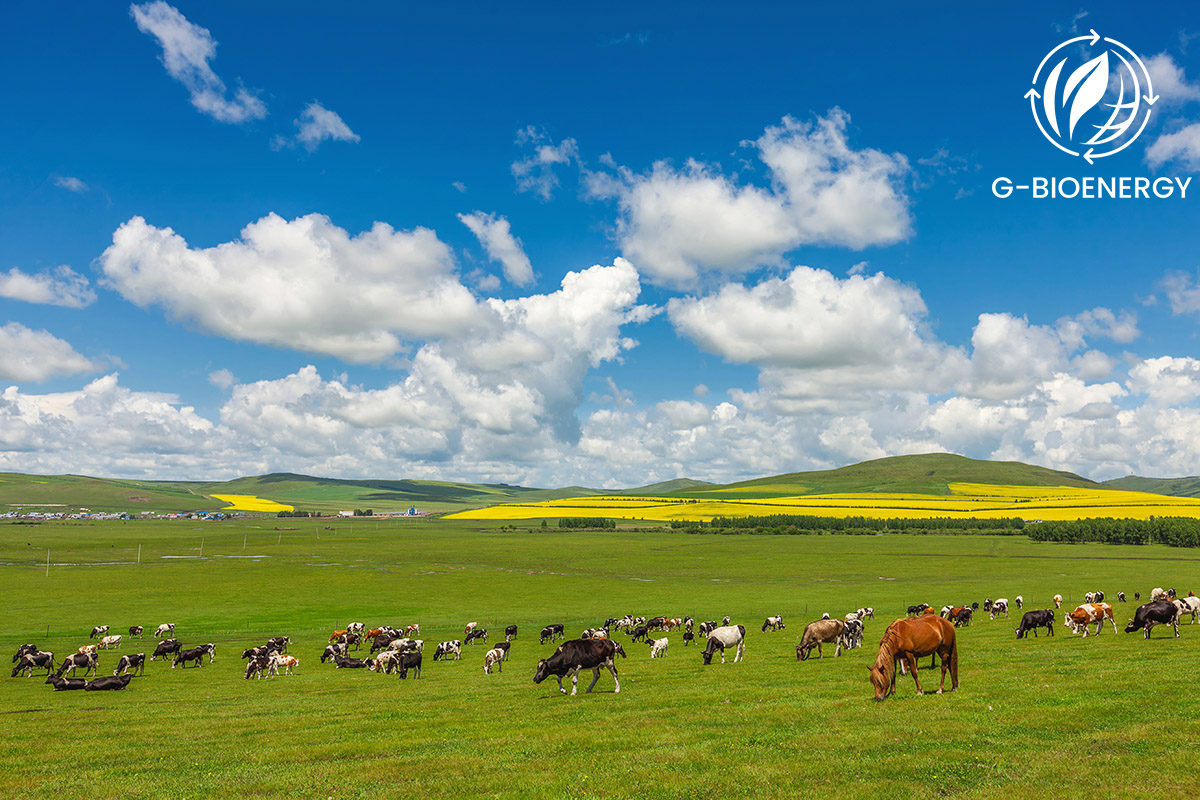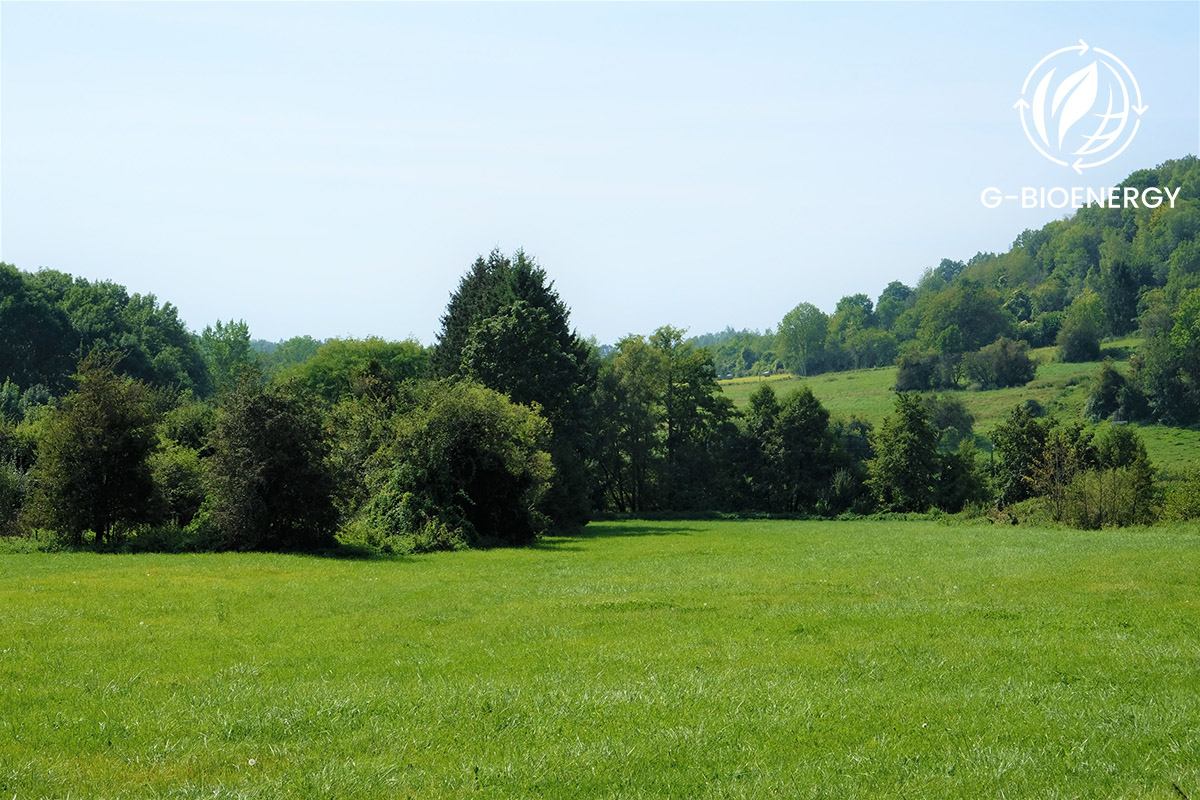

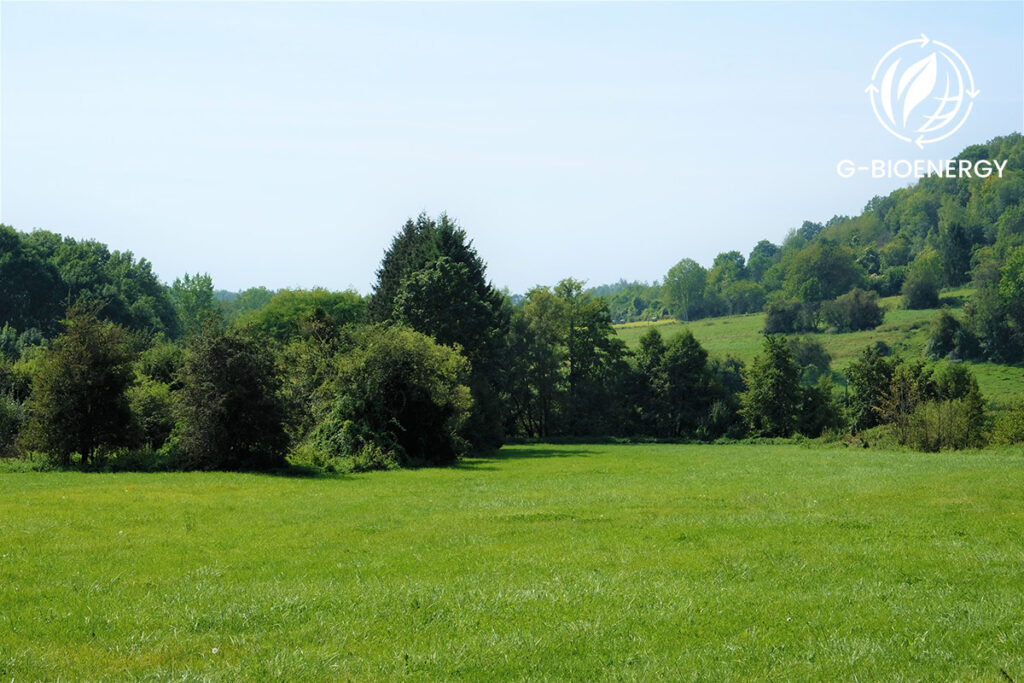
Temperate grasslands are vast, treeless biomes dominated by grasses, with fertile soil, extreme seasonal temperatures, and moderate rainfall. Fires, droughts, and grazing maintain their open landscapes. These regions support rich biodiversity and are vital for global agriculture.
Read on to explore their climate, plants, and animals in detail!
In this article:
Temperate Grassland Location
Temperate grasslands are predominantly located in the Northern Hemisphere, stretching across vast regions of North America, South America, Eurasia, Africa, and Oceania.
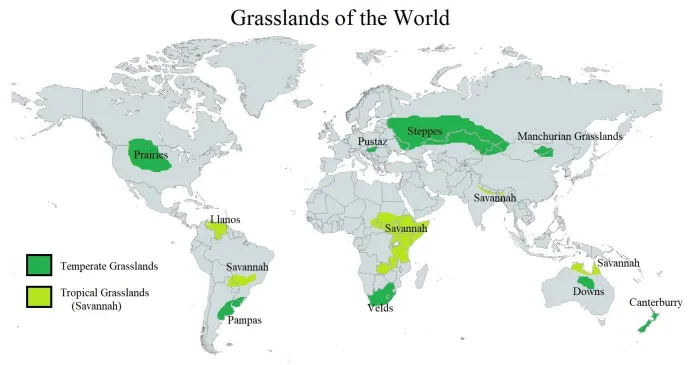
The biome may go by different regional names, such as prairies in the United States and Canada, pampas in Argentina and Uruguay, steppes in Russia and Central Asia, and veldts in South Africa. However, they all share the common characteristics of open plains dominated by grasses and few trees.
Smaller but ecologically significant grassland patches are also found in Hungary (puszta) and Australia/New Zealand (downs or tussock grasslands). These ecosystems typically form a transitional zone between deserts and forests, adapting to moderate rainfall and wide seasonal temperature ranges.
Notably, Antarctica is the only continent without temperate grasslands. The rest contribute to covering nearly 20–25% of Earth’s grassland, according to Science Direct.
Temperate Grassland Climate
Temperate grassland biomes experience a distinct seasonal climate, marked by hot summers, cold winters, and moderate but variable precipitation. These regions feature wide annual temperature swings and dynamic weather events that help shape their ecology.
The temperate grassland temperature can vary dramatically across seasons. Summer temperatures often exceed 100°F (38°C), providing ideal conditions for plant growth during the growing season. Peak rainfall usually falls in May and June (e.g., in Kansas). Thunderstorms and lightning-induced fires are common during this time.
In contrast, winter temperatures can plunge to −40°F (−40°C), particularly in the northern regions such as central North America and Eurasia. This extreme cold induces a dormant period for most vegetation. With such low temperatures, winters in these areas are characterized by snowfall, icy winds, and blizzards.
Climatogram – Temperate Grasslands
Rainfall in temperate grasslands typically ranges between 10 and 35 inches (250–900 mm) annually, with most precipitation falling during late spring and early summer. In the Northern Hemisphere, much of the winter precipitation arrives as snow. This seasonal distribution supports deep-rooted grasses but limits the establishment of trees and large shrubs.
These dynamic conditions, particularly the combination of temperature extremes, periodic drought, fire events, and seasonal precipitation, play a crucial role in maintaining grasses as the dominant vegetation and limiting forest encroachment.
Soil In Temperate Grasslands
Temperate grasslands are renowned for their deep, fertile soils, which rank among the most productive in the world. These soils are typically dark and rich in organic matter due to the long-term decay of dense grass roots.
In regions such as the U.S. prairies, Argentinian pampas, and Ukrainian steppes, this soil fertility has supported large-scale agriculture. The grasses in this biome have evolved extensive root systems, reaching 3 to 6 feet underground, not only to anchor the soil and resist erosion but also to store moisture and nutrients, enabling them to survive periods of drought and fire.
Plants In Temperate Grasslands
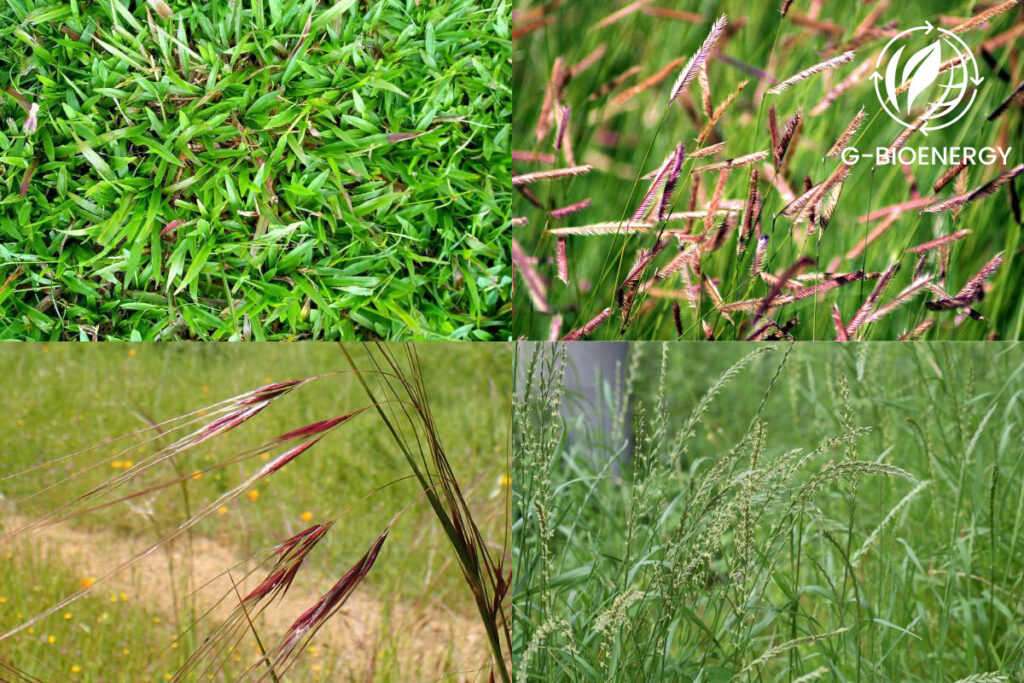
Vegetation in temperate grasslands exhibits several distinct adaptations. Since these areas regularly face seasonal droughts, fires, and grazing by large herbivores, the plant life has adapted to survive and regenerate quickly.
Most plants are low-lying, flexible, and regrow from underground stems or roots after being grazed or burned. Trees and large shrubs are rare and usually confined to riverbanks or sheltered depressions, where moisture is more consistent.
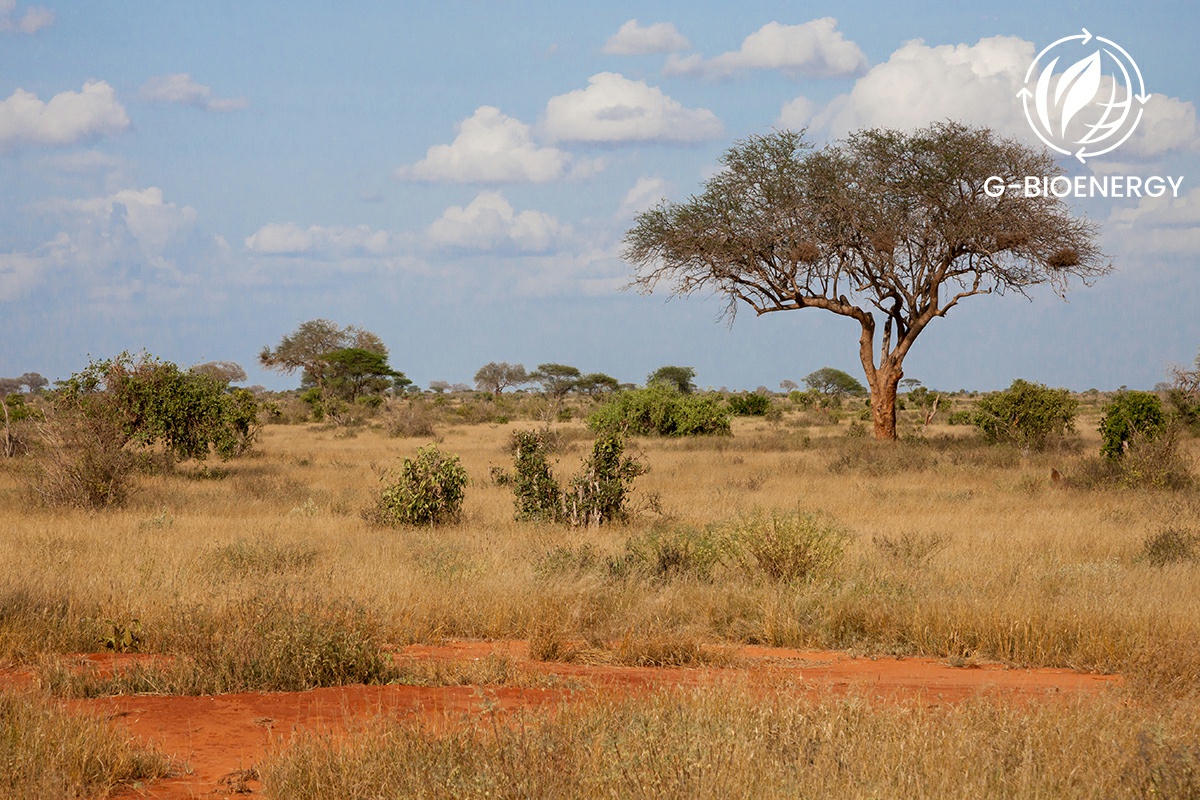
The vegetation is primarily dominated by grasses, with some herbs, wildflowers, and low shrubs interspersed across the landscape. Common grass species include buffalo grass, blue grama, ryegrass, foxtail, purple needlegrass, and galletta. These grasses differ in height depending on rainfall: shorter grasses grow in drier zones, while taller species thrive in wetter areas.
Alongside grasses, wildflowers bring seasonal bursts of color and are crucial for supporting pollinators. Species like sunflowers, clovers, goldenrods, blazing stars, asters, coneflowers, wild indigos, and psoraleas are commonly found. In moister pockets, you’ll also find sagebrush, cottonwoods, cattail plants, willows, and small cacti, especially along riverbanks.
Temperate Grassland Animals
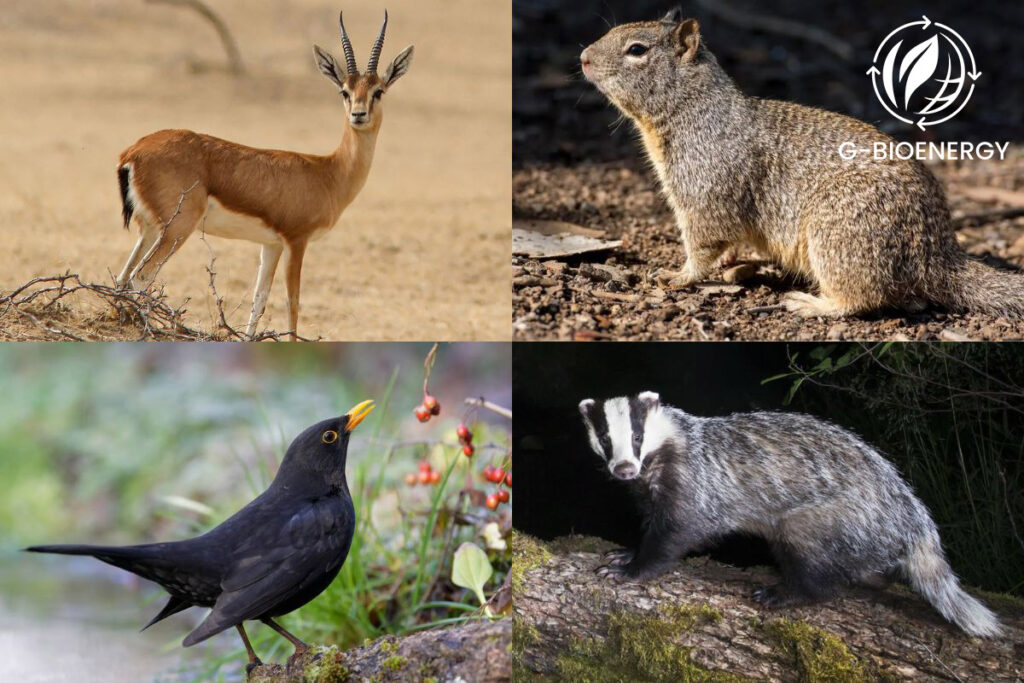
The open landscapes and rich plant life of temperate grasslands support a wide range of animal species, adapted to the unique pressures of the grassland biome. This includes large grazing herbivores, agile predators, burrowing mammals, and a vibrant array of birds, reptiles, and insects.
Large herbivores are especially prominent, feeding on the abundant grasses. These include bison, zebras, gazelles, wild horses, pronghorn antelope, mule deer, impala, and rhinoceroses. These species often move in large herds, which helps protect them from predators and enhances grazing efficiency.
Carnivores are essential in regulating herbivore populations and maintaining ecological balance. Common predators in temperate grasslands include wolves, lions, leopards, coyotes, swift foxes, and cheetahs. Birds of prey such as red-tailed hawks and owls patrol the skies, targeting smaller mammals and insects.
Smaller mammals and omnivores are well-represented. Animals like prairie dogs, jackrabbits, mice, ground squirrels, badgers, skunks, rodents, and armadillos thrive by burrowing and foraging for seeds, roots, and insects. Aardvarks, with their long tongues and powerful claws, specialize in eating ants and termites.
Bird species such as blackbirds, quails, sparrows, meadowlarks, and grouses are drawn to the grassland for seeds and insects. Meanwhile, reptiles and insects, including grasshoppers, leafhoppers, snakes, and spiders, make up a vital part of the ecosystem.
To survive in this harsh, predator-rich environment, many species have developed camouflage adaptations. Herbivores often have coats that blend into the grass, while predators like snow leopards grow pale, creamy coats that help them stalk prey undetected.
Summary
Temperate grasslands are among the most ecologically and agriculturally significant biomes on Earth. The vegetation, though largely treeless, is rich in biodiversity and includes both native grasses and vibrant flowering species. These areas are also home to an impressive range of species adapted to life in open plains.
If you want to explore more biomes, don’t hesitate to check out more posts on our website!