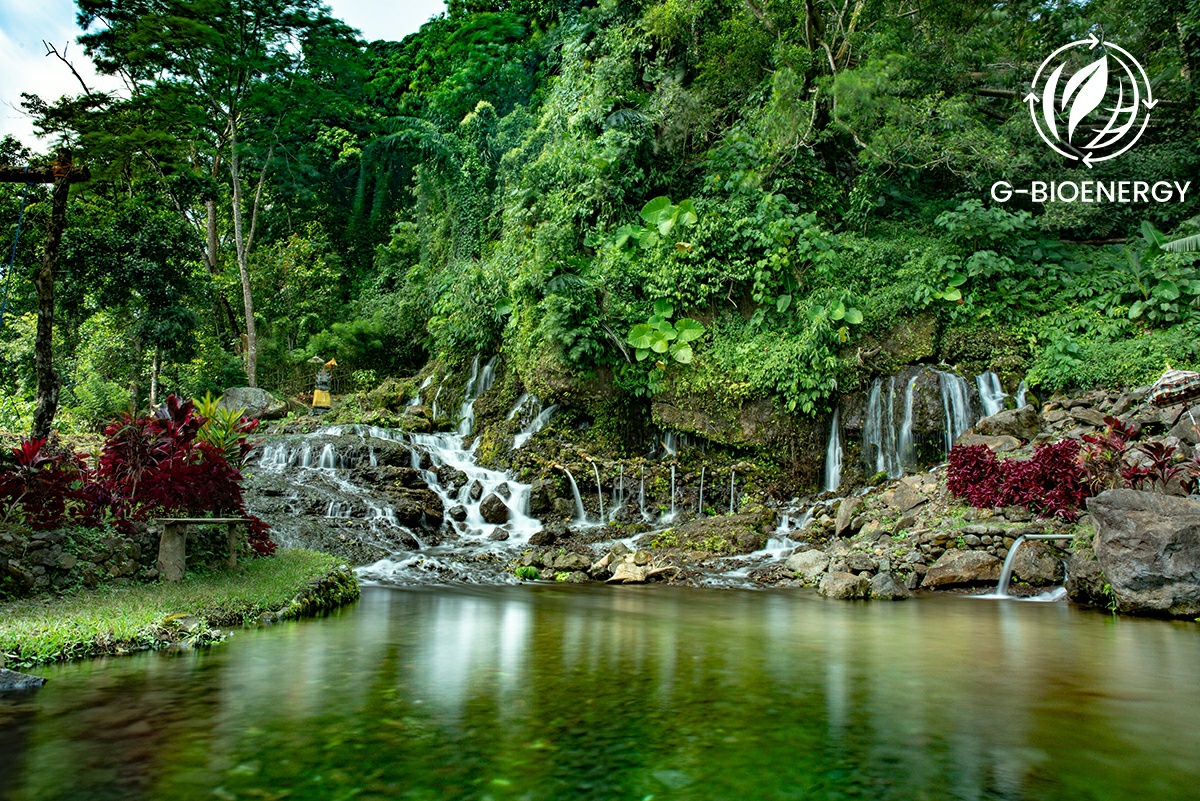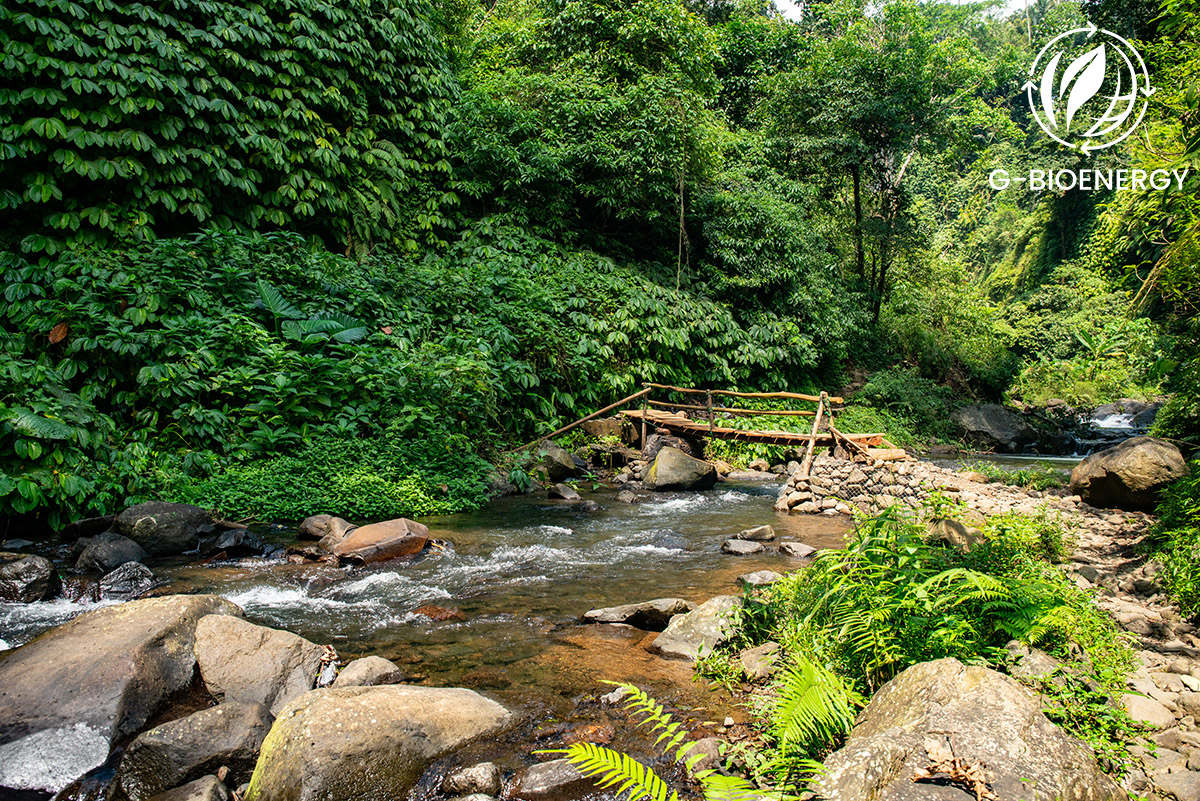

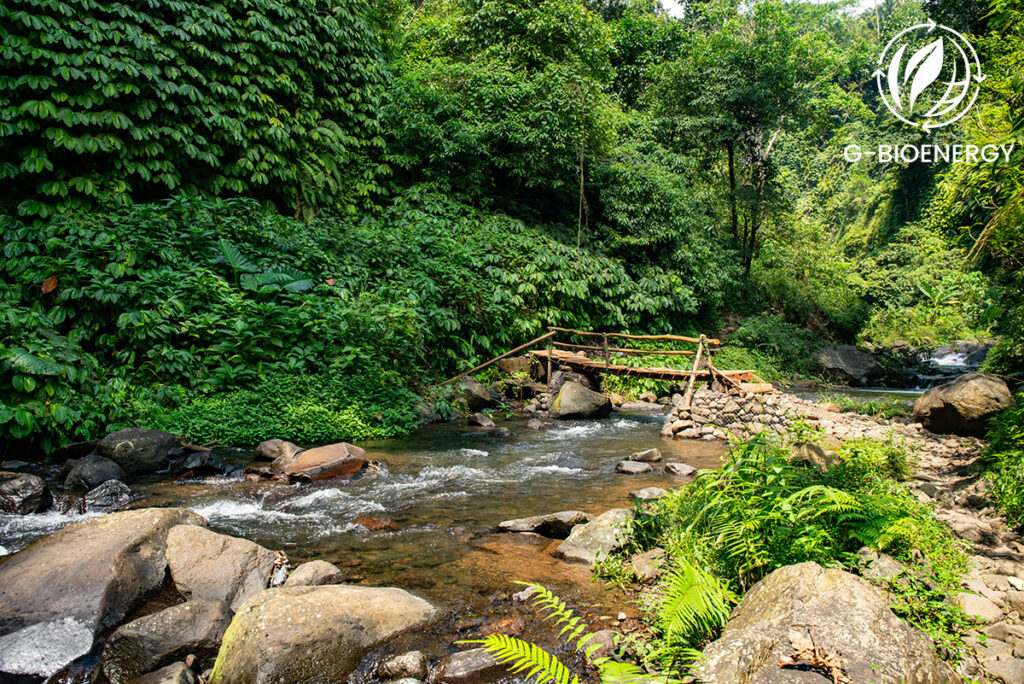
The tropical rainforest biome is a hot, humid ecosystem found near the Equator, mostly in South America, Africa, and Southeast Asia. It’s known for year-round rainfall, towering trees, and unmatched biodiversity. It supports millions of plant and animal species in complex layers.
Let’s explore the secrets of this vibrant biome!
In this article:
Tropical Rainforest Structure
Tropical rainforests are defined by their distinct vertical layering, which enables a vast diversity of organisms to coexist in a compact space. This structure is typically divided into four main layers:
- Emergent layer: The tallest trees, reaching up to 250 feet, rise above all others, receiving the most sunlight and facing strong winds. Birds of prey, bats, and some insects inhabit this layer.
- Canopy: A dense layer of broad-leaved trees forming a continuous green roof. The upper canopy layer houses the majority of animal species in the rainforest, including monkeys, toucans, and countless insects. This layer intercepts most sunlight and rainfall, regulating conditions below.
- Understory: Located beneath the canopy, this dimly lit layer consists of smaller trees, shrubs, and vines. Plants here are adapted to low light and high humidity. The understory layer serves as a crucial habitat for reptiles, amphibians, and insect life.
- Forest floor: The darkest and most humid layer, receiving about 2% of the sunlight. Decomposition happens rapidly due to constant moisture and heat, recycling nutrients into the shallow but dynamic topsoil. Few plants grow here, though fungi, roots, and detritivores dominate.
Tropical Rainforest Location
Tropical rainforests are found in a narrow band around the Equator, specifically between the latitudes 22.5° North and 22.5° South, within the Tropic of Cancer and Tropic of Capricorn. This equatorial zone offers the consistent warm temperatures and high annual rainfall essential for sustaining rainforest ecosystems.
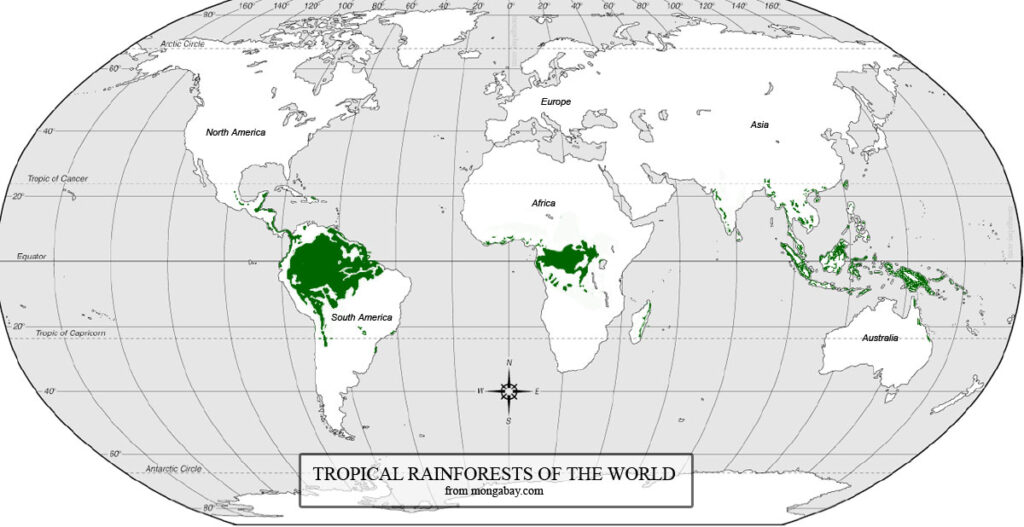
Tropical forests are spread across three major regions, each with distinct flora and fauna shaped by evolutionary history:
- Neotropical region: Includes the Amazon River Basin in South America, extending through Central America.
- Afrotropical region: Encompasses West and Central Africa, including the Congo Basin.
- Indomalayan & Australasian regions: Stretch across Southeast Asia, Indonesia, Papua New Guinea, and parts of northern Australia.
In addition to these regions, smaller patches of tropical rainforest exist wherever local climatic conditions (such as coastal and upland areas) allow.
The Amazon rainforest is the largest tropical rainforest in the world, with over 50% of it lying within Brazil. According to the BBC, it covers over 2.1 million sq mi (5.5 million sq km), roughly one-third of the world’s tropical forests. The forest contains 10% of all known species, including countless insects, amphibians, and plants.
Following the Amazon rainforest, Indonesia and the Congo Basin host around 20% of the world’s tropical rainforest.
Tropical Rainforest Climate
Tropical rainforests experience a hot, humid, and wet climate year-round, largely due to their location near the Equator. This climate creates ideal conditions for sustaining the dense vegetation and extraordinary biodiversity found in these ecosystems.
Unlike temperate regions, tropical rainforests do not have distinct seasons. Instead, they maintain relatively constant weather throughout the year. While some areas may experience slightly drier months, there is no cold or dormant season. The persistent warmth and moisture support year-round plant growth and biological activity.
Temperature In Rainforests
The tropical rainforest temperature typically ranges between 68°F and 84°F (20°C and 29°C). Temperatures rarely fall below 64°F (18°C) in any month, and there is minimal fluctuation between daytime and nighttime readings. Due to high cloud cover and humidity, the perceived heat can be intense, even though extreme temperature highs are uncommon.
Tropical Rainforest Climate for Manaus, Brazil (1970–2000)
Mean temperature is stable across months. Altitude affects temperature, with a drop of about 0.9 °F (0.5°C) for every 328 feet (100 meters) gained.
Tropical Rainforest Rainfall
One of the most defining features of this biome is its high rainfall.
Tropical rainforest precipitation generally exceeds 70 to 100 inches (1,800 to 2,500 mm) annually, but in some locations it can reach up to 394 inches (10,000 mm).
Rainfall is often evenly distributed throughout the year, though some regions experience short dry spells. These biomes experience frequent and intense rain showers, often daily. Humidity levels frequently hover around 88% in the monsoon season and 77% in the dry season.
Local And Seasonal Variability
While equatorial zones receive rainfall throughout the year, regions closer to the boundaries of the tropics may experience seasonal rainfall patterns due to monsoonal shifts or the movement of the Intertropical Convergence Zone (ITCZ). For example:
- Northern Hemisphere summer (June–August) brings rain to Central America and West Africa
- Southern Hemisphere summer (December–February) delivers rain to northern Australia and parts of Southeast Asia
Topography also plays a key role. Coastal and hilly regions that intercept moist onshore winds tend to be wetter, while areas with offshore winds may support only patchy rainforests.
Tropical Rainforest Soils
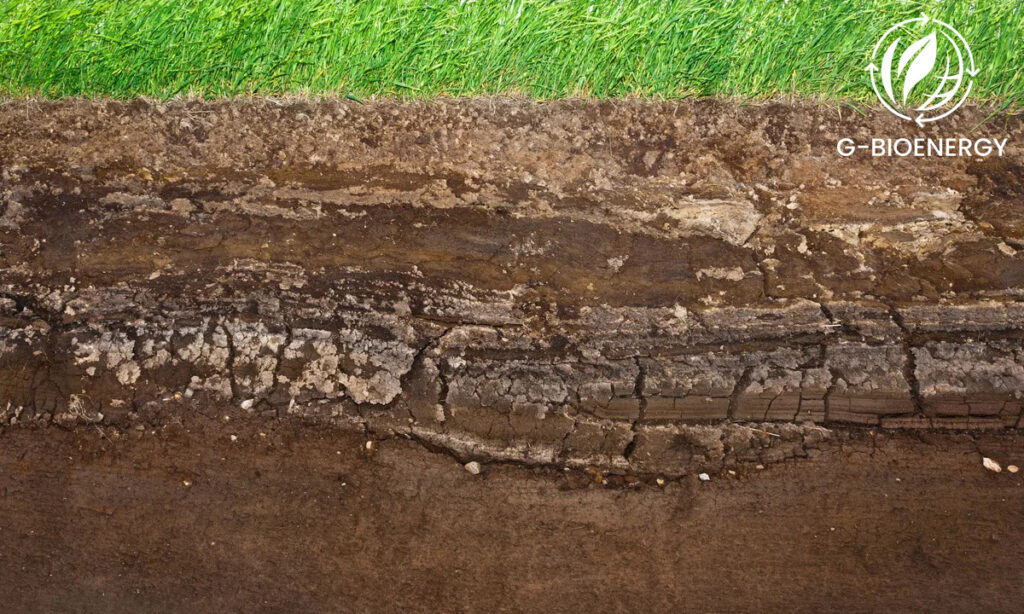
Despite the lush, dense vegetation of tropical forests, the soil types that support them are typically nutrient-poor and heavily weathered. These soils, particularly a type called ferralsols (also known as tropical red earths), are the product of millions of years of intense rainfall and warm temperatures.
The consistently warm temperature and moisture lead to the formation of deep soil profiles. However, it also causes a continual loss of soluble nutrients, especially in sandy soils that cannot retain minerals effectively. The thin layer of humus formed by decayed plant matter is the key nutrient source, making the forest dependent on its own organic recycling.
Topography also influences soil characteristics. In upland and mountainous areas, soils tend to be shallower but slightly richer in organic matter due to cooler temperatures and slower decomposition rates. In low-lying or coastal regions, such as mangrove forests, soils can be waterlogged and oxygen-poor, limiting the types of plants that can grow.
Tropical Rainforest Plants
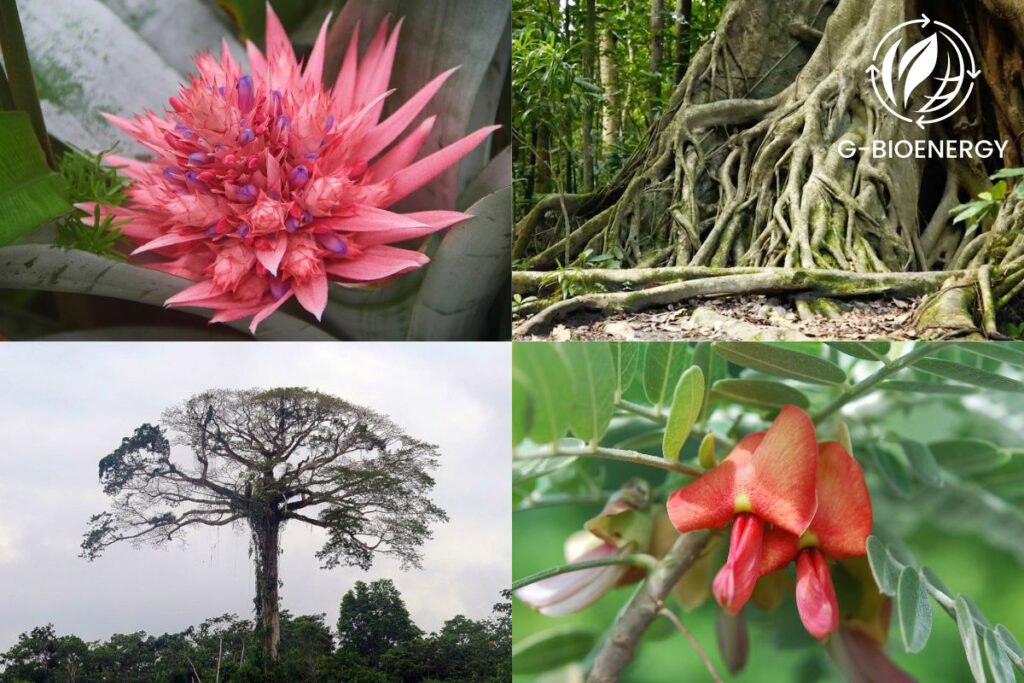
Tropical rainforest plants are among the most diverse and specialized on Earth, with thousands of species having evolved to thrive in a competitive, resource-rich environment.
One of their most distinct characteristics is adaptation to low light. Only about 2% of sunlight reaches the forest floor, prompting plants to develop broad leaves, rapid vertical growth, and dependence on canopy gaps for regeneration.
Many rainforest plants also exhibit epiphytism, growing on other plants to access light without rooting in the ground. Others rely on climbing mechanisms, such as vines and lianas, to reach sunlight in the upper layers.
Another critical adaptation is efficient nutrient cycling. Due to nutrient-poor soils, plants concentrate their roots in shallow layers rich in decomposing organic matter.
Some also form symbiotic relationships with fungi (mycorrhizae) to boost nutrient uptake. Chemical defenses, like toxins or tough leaves, are common as protection from the vast number of herbivores and insects.
Distinct plant groups and examples include:
- Epiphytes: Orchids, bromeliads, ferns – grow on tree branches, absorb water from the air.
- Lianas: Rattan, monkey ladder vine – woody climbers that use trees for support.
- Stranglers: Strangler fig (Ficus) – begin life on host trees, then overtake them.
- Dominant tree families: Dipterocarpaceae (Asia), Leguminosae (Africa), Bromeliaceae (Americas).
- Notable species: Kapok tree (Ceiba pentandra), Teak (Tectona grandis), Mangifera indica (mango tree).
Animals In Tropical Rainforests
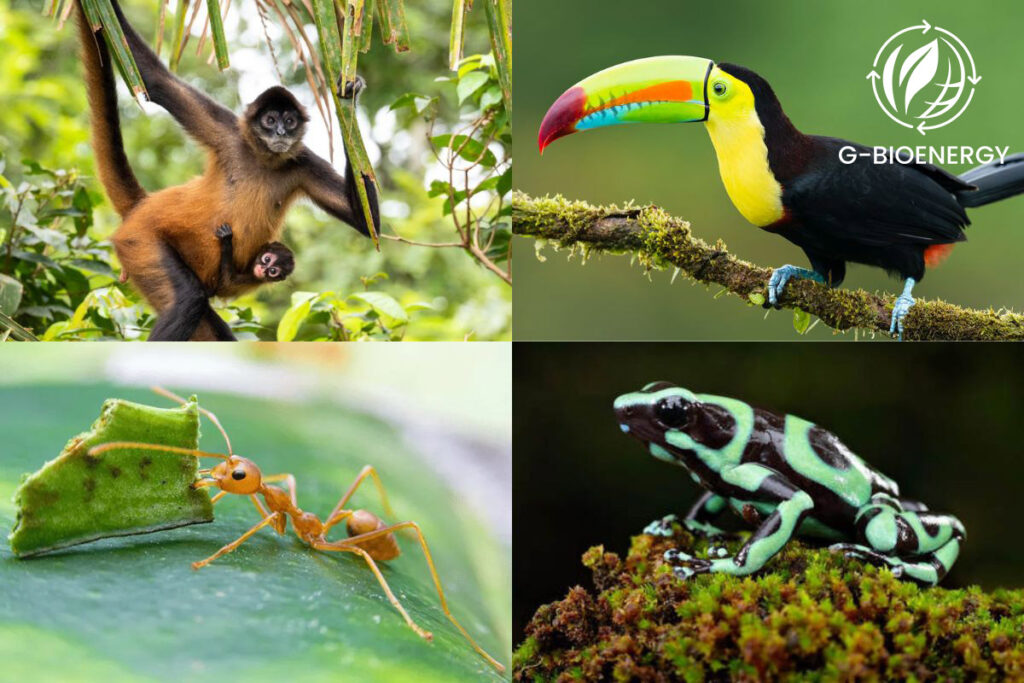
Animals in tropical rainforests have evolved unique adaptations to navigate the vertically structured, densely vegetated environment.
These adaptations include arboreal locomotion, camouflage, bright coloration for communication, and specialized dietary niches. Because of high species richness and intense competition, many rainforest animals are highly specialized, with narrow ranges and specific ecological roles.
Most rainforest animals live in the upper canopy or understory layers, where food resources like fruit, nectar, and insects are abundant. Some rely on mutualistic relationships, e.g., pollinators and seed dispersers, while others are essential decomposers or predators that help regulate ecological balance.
Examples of animal adaptations and species include:
Mammals:
- Spider monkeys, howler monkeys – agile, prehensile tails for canopy movement (Americas)
- Orangutans – intelligent primates using tools and memory (Asia)
- Tree kangaroos – marsupials adapted to arboreal life (Australia and New Guinea)
Birds:
- Toucans – large beaks for fruit handling (Amazon)
- Birds-of-paradise – elaborate mating displays (New Guinea)
- Hornbills – cavity nesters with strong bills (Africa and Asia)
- Harpy Eagles – soaring over tall trees (Amazon)
Insects:
- Leafcutter ants – farm fungus underground using plant matter
- Butterflies (Morpho, Heliconius) – vibrant wings for mimicry and warning
- Beetles and weevils – immense diversity, many undiscovered
Amphibians & Reptiles:
- Poison dart frogs – bright warning colors, chemical defenses
- Green tree pythons – camouflage and arboreal hunting behavior
Fish:
- Pacus, tambaquis – seed-dispersing fish in the flooded Amazon
Tropical Rainforest Threats
Human Impacts
Human activities are the primary drivers of tropical rainforest destruction. Deforestation for timber extraction, agricultural expansion (especially cattle ranching and soy or palm oil cultivation), and infrastructure development (roads, mining) is occurring at an unprecedented rate.
In many regions, this has resulted in the fragmentation of forest habitats, severely limiting the movement of species and reducing biodiversity.
Logging operations often leave behind highly disturbed landscapes prone to further clearance and fire. Additionally, hunting and wildlife trafficking threaten many animal populations, especially larger mammals and birds.
Climate Change
Climate change, including changes in temperature and precipitation patterns, may alter rainfall cycles, reduce cloud cover, and increase the frequency and intensity of droughts. These shifts can stress even well-adapted rainforest ecosystems, leading to increased tree mortality and changes in species composition.
Rising global temperatures may also push tropical rainforest temperature thresholds beyond the tolerance of certain species. Drier conditions increase the risk of forest fires, particularly in degraded or previously logged forests.
Rainforest Loss and Ecosystem Collapse
Rainforest loss has already reached alarming levels. According to the Center for Global Development, it is estimated that tropical rainforests, once covering over 12% of Earth’s land, now span less than 5%. Moreover, two-thirds of the remaining forests exist only as fragmented remnants, which are less capable of supporting diverse plant and animal communities.
The removal of vegetation accelerates soil erosion, disrupts hydrological cycles, and eliminates the carbon-absorbing capacity of the forest, exacerbating global warming.
Additionally, the extinction of keystone species can lead to breakdown in ecological interactions such as pollination and seed dispersal, threatening the regeneration and long-term viability of rainforest ecosystems.
Summary
Tropical rainforests are among the most complex and vital ecosystems on Earth. Their dense structure, high biodiversity, and efficient nutrient cycles support an extraordinary range of life, from microscopic fungi to large mammals. With continued research, education, and conservation, we can help ensure these ecosystems remain intact for future generations.